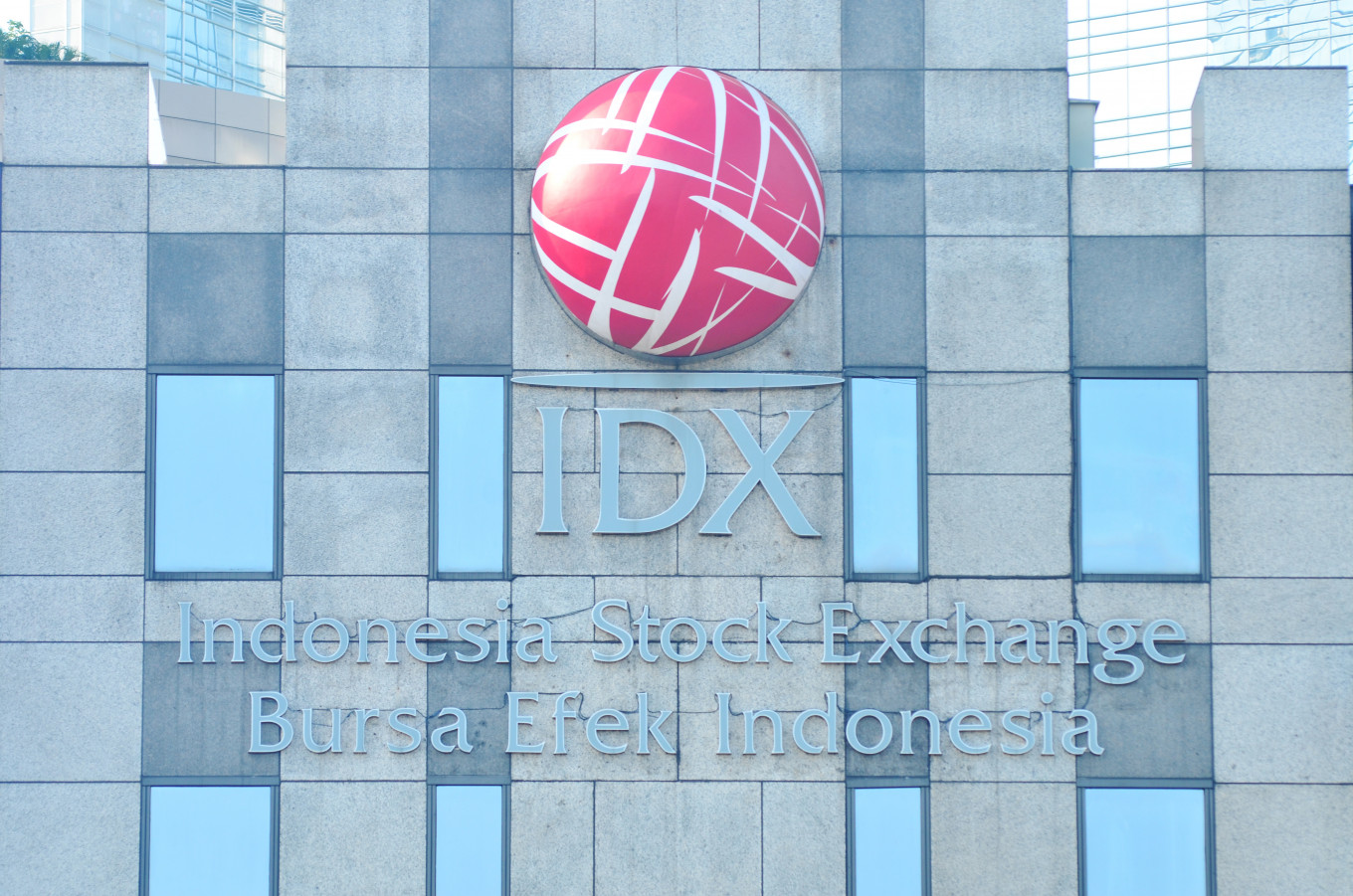
Indonesia just landed on the kind of list no emerging market wants to be on. S&P Dow Jones Indices has flagged the country for potential market reclassification and reserved the right to apply “special treatment” to Indonesian securities if conditions deteriorate further.
The move places additional pressure on Southeast Asia’s largest economy, which is already under the microscope from competing index providers MSCI and FTSE Russell over concerns about opaque stock ownership and weak free-float data.
What’s actually happening in Indonesia’s market
The core issue is deceptively simple: nobody can tell who owns what. Indonesian equities have come under fire for insufficient shareholder transparency and inadequate free-float visibility, the kind of structural problems that make index providers nervous.
Free float is the portion of a company’s shares that are actually available for public trading. When that number is murky or artificially low, it distorts how much weight a stock gets in an index, and passive funds tracking those indices end up misallocating capital.