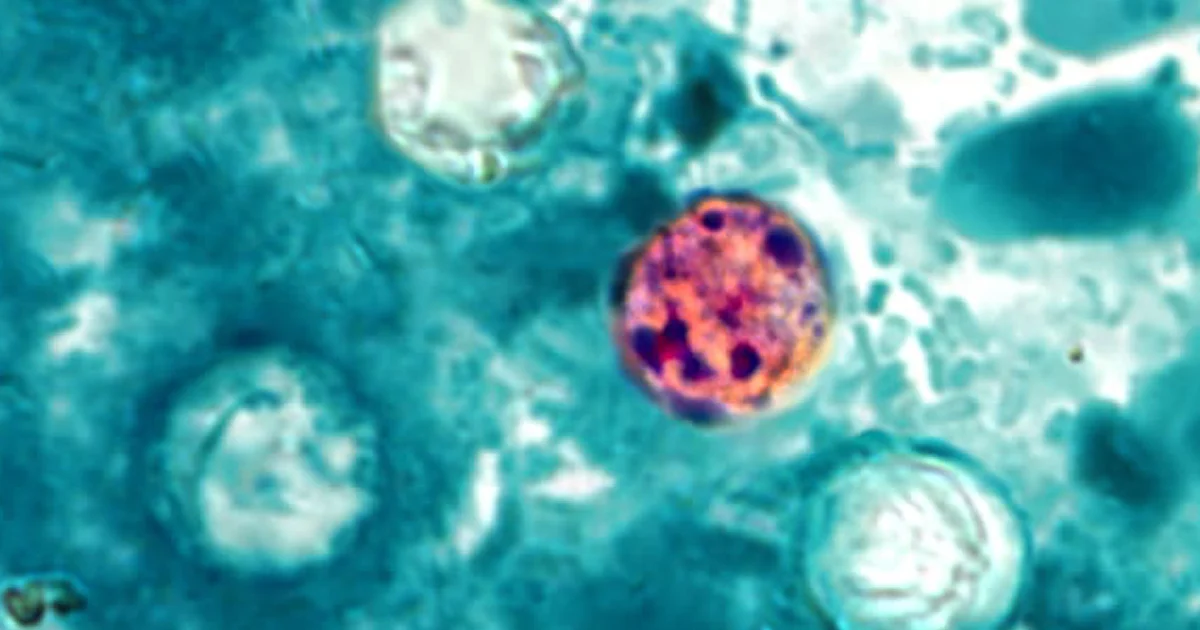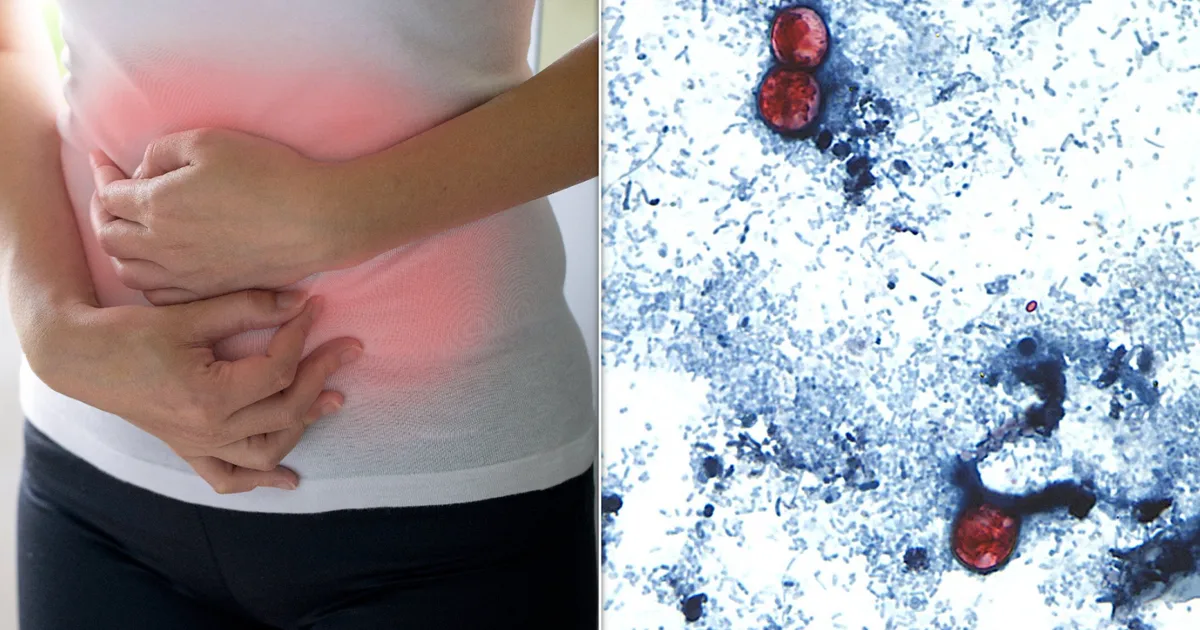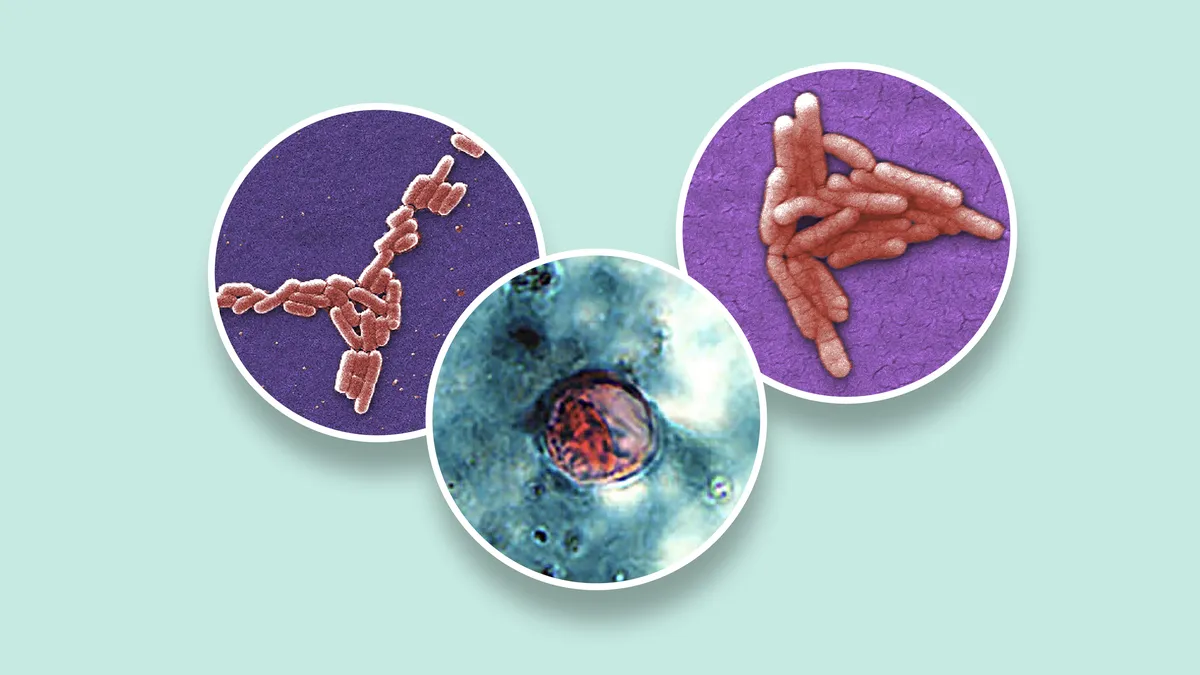
At least 843 people in 31 states are confirmed sick with cyclosporiasis, a foodborne infection that’s grabbed public attention because of symptoms of explosive diarrhea and the number of cases being reported.Of those numbers, 86 people have been hospitalized, the Centers for Disease Control and Prevention reported on July 10. No deaths have been reported.The CDC's count may understate the scope of the outbreak because state health departments are reporting higher numbers. Michigan alone has reported at least 1,562 cases. Nationwide, nearly 3,000 cases have been reported by state health departments, according to NBC News.While cyclosporiasis has the public spotlight, other diseases such as E. coli/STEC and Salmonella are much more common in the United States and can cause severe gastrointestinal symptoms. Here’s how they compare.Can't see our graphics? Click here to reload the page.How to reduce your risk of getting cyclosporiasisTo reduce the risk of cyclosporiasis, health officials have issued guidance aimed at anyone involved in preparing, processing or serving fresh produce:Other ways to reduce your risk of food-borne illnesses:Scrub firm produce like melons and cucumbers with a clean brush.Cut away bruised or damaged areas before eating.Clean and sanitize utensils and food-prep surfaces before and after use.Sanitize display cases and refrigerators used to store fresh produce.Clean and sanitize cutting boards and tools used with fresh produce.Refrigerate cut, peeled or cooked fruits and vegetables promptly.
Cyclosporiasis vs other GI illnesses: Key differences explained
How does cyclosporiasis compare to other GI Illnesses: We look at symptoms, causes, recovery times and what sets this food-borne infection apart.
228 words~1 min read