Show Caption
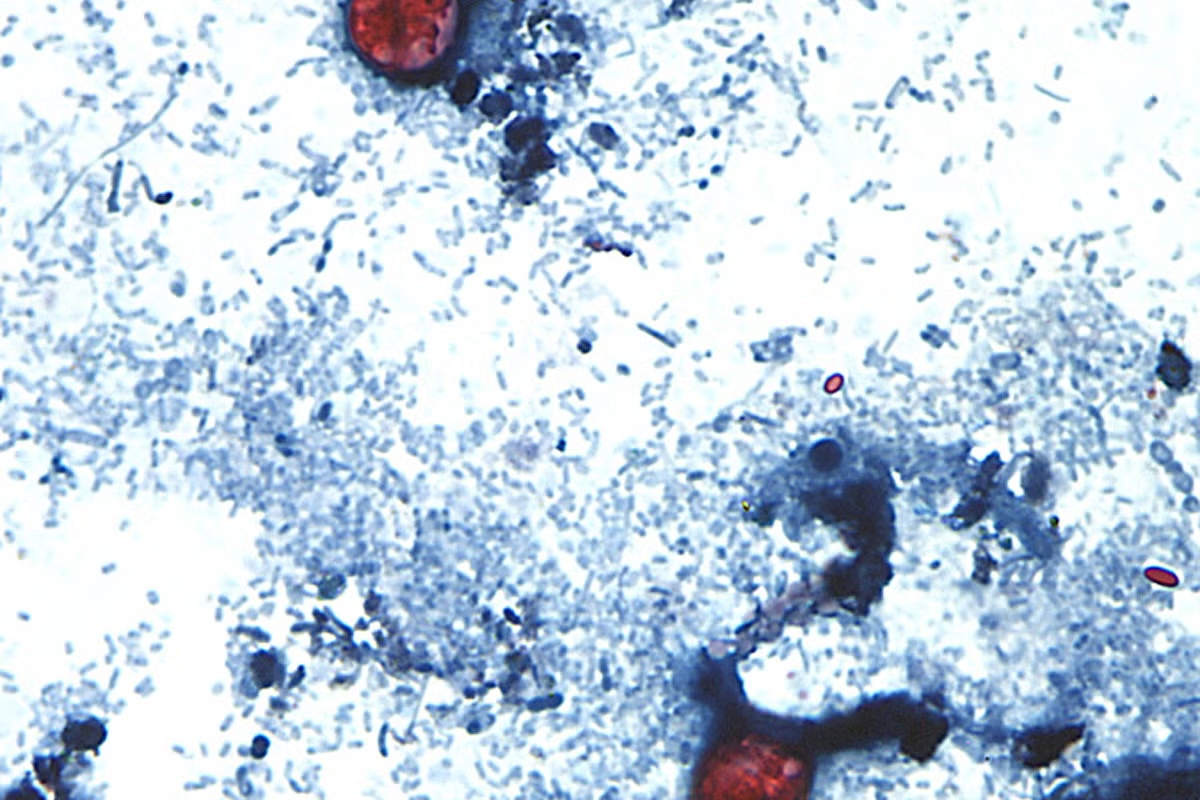
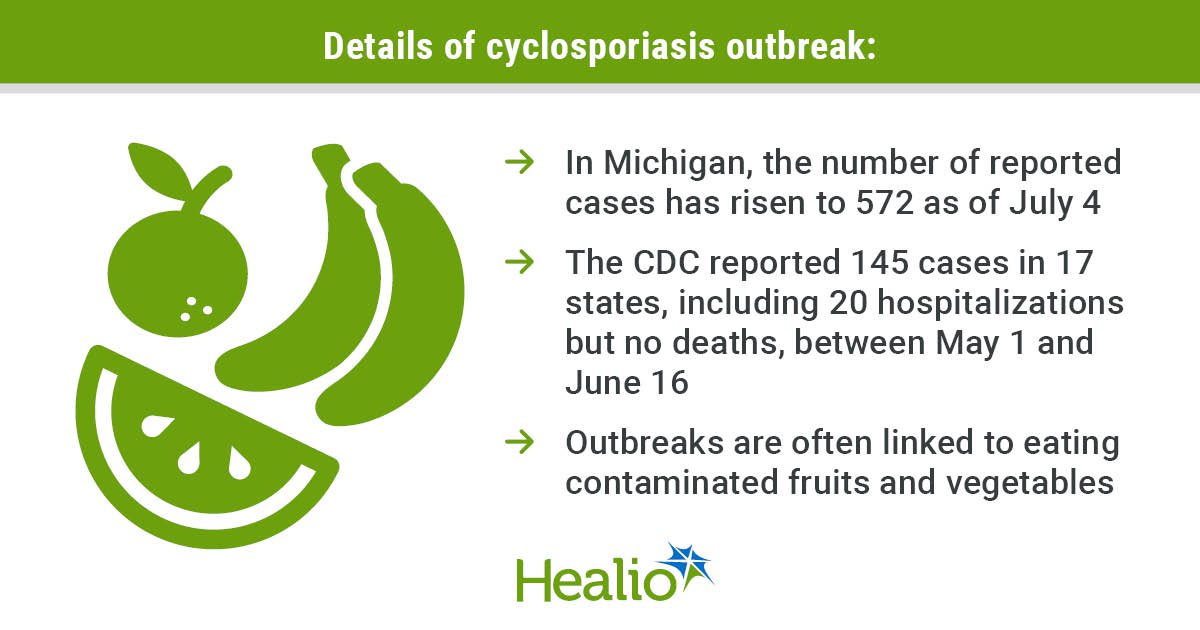
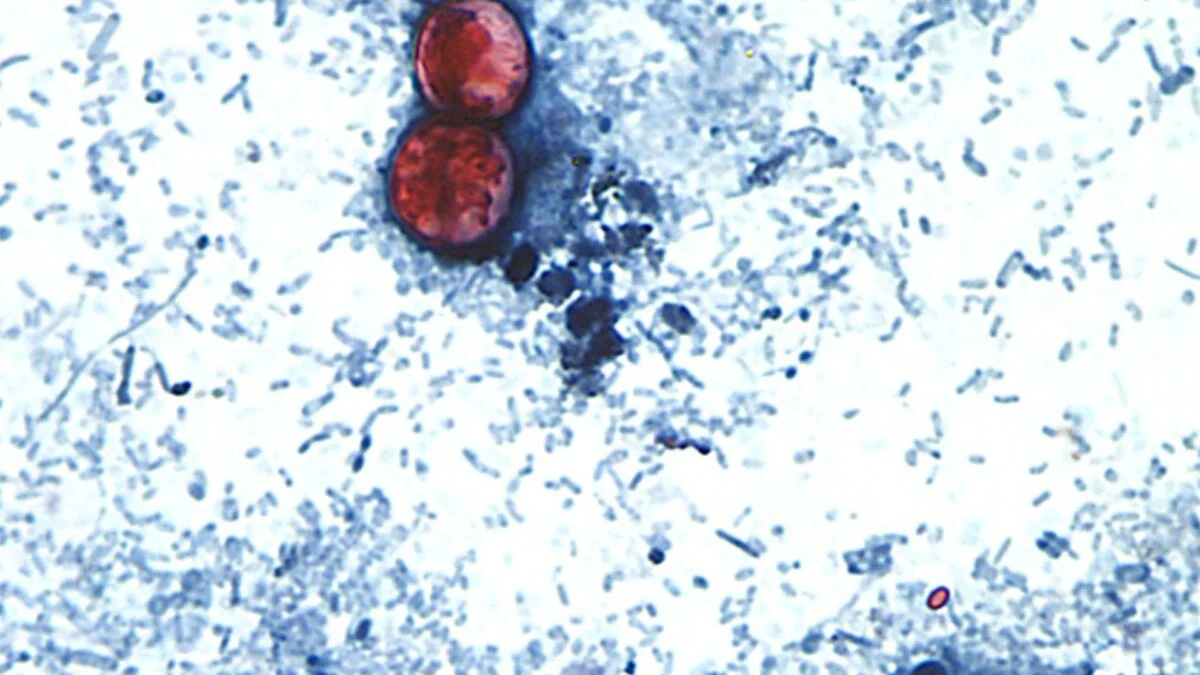
Cyclosporiasis, a parasitic infection known for causing intense, watery diarrhea is spiking across the country.Caused by a microscopic parasite called Cyclospora cayetanensis, the infection spreads when people consume contaminated food or beverages. The primary risk comes from eating contaminated fresh produce.Here are more questions about the infection, answered.Should I visit the doctor?Yes, those who believe they are infected should see a doctor for testing and treatment, according to the Centers for Disease Control and Prevention.What's the treatment for cyclosporiasis?Cyclosporiasis is treated with trimethoprim-sulfamethoxazole, which is sold as Bactrim, Septra or Cotrim, according to the CDC."If you are allergic to sulfa drugs, talk to your health care provider about other potential options," the agency adds. "Resting and drinking plenty of fluids is also important for those experiencing diarrhea."How long will cyclosporiasis symptoms last?According to the CDC, those infected with the parasite may or may not experience symptoms of cyclosporiasis, like frequent watery diarrhea, cramping or bloating.Individuals with healthy immune systems may recover without treatment, but if left untreated, the illness could last from a few days to over a month, the agency notes.Those with already compromised immune systems "may be at a higher risk for severe or long illnesses," the CDC adds.Can I treat cyclosporiasis with OTCs?Bactrim, Septra and Cotrim are antibiotic medications that require a prescription, meaning they are not over-the-counter options.Observation and treatment of symptoms is an alternative option for care, but the CDC states there are "no highly effective alternatives have been identified yet for persons who are allergic to (or are intolerant of)" the antibiotic medications, which are the "treatment of choice for cyclosporiasis."Contributing: Kaitlyn McCormick, USA TODAY Network