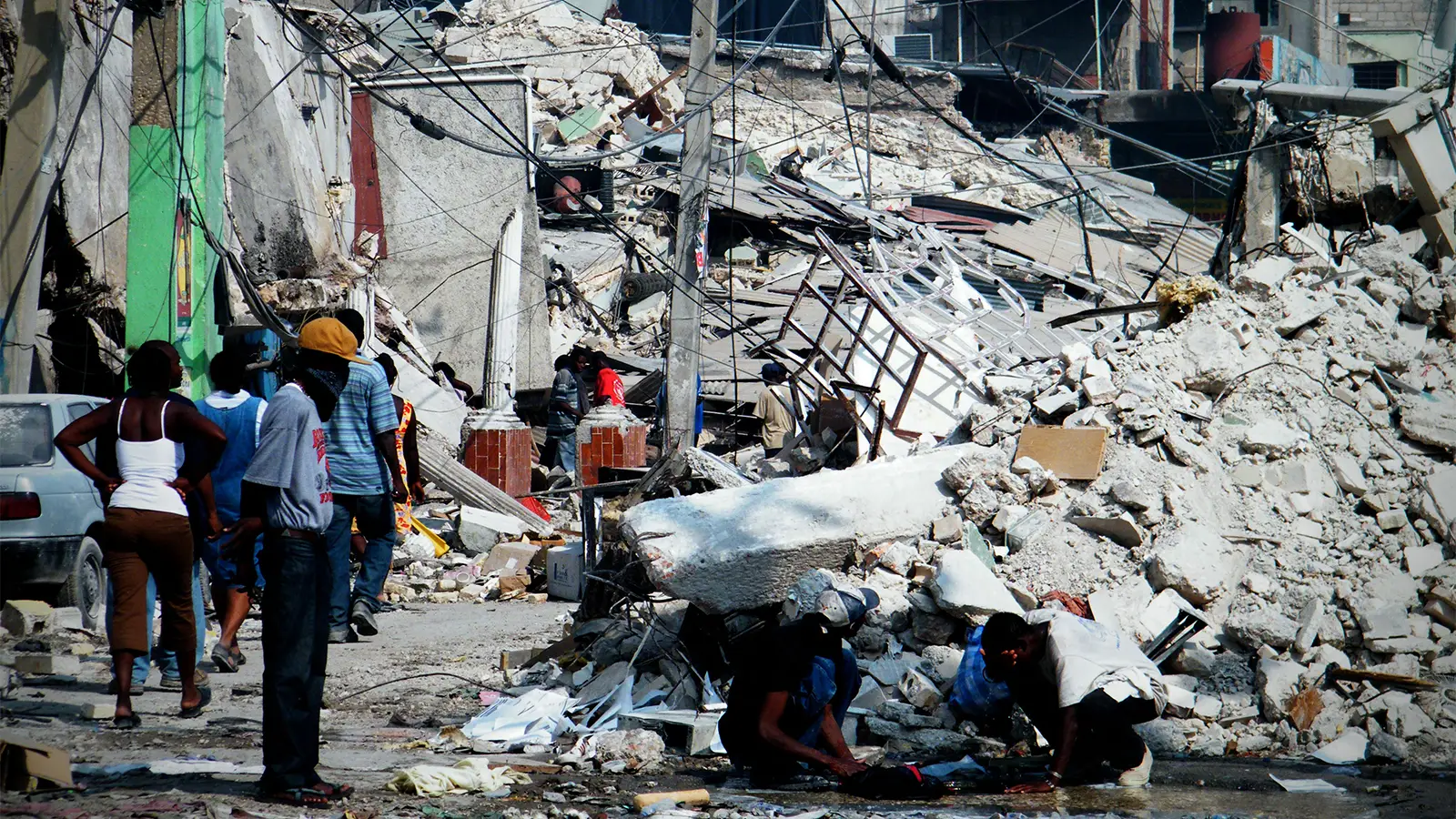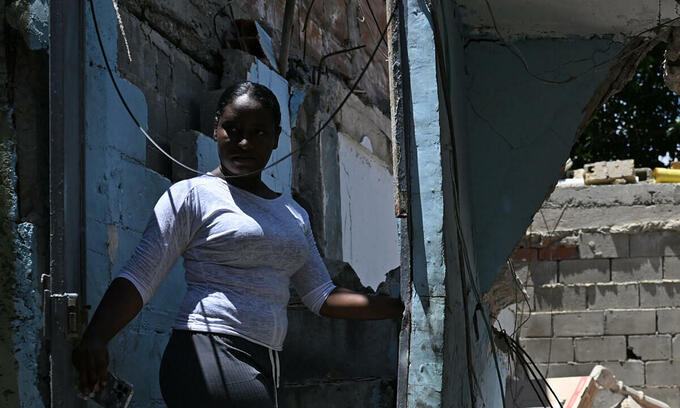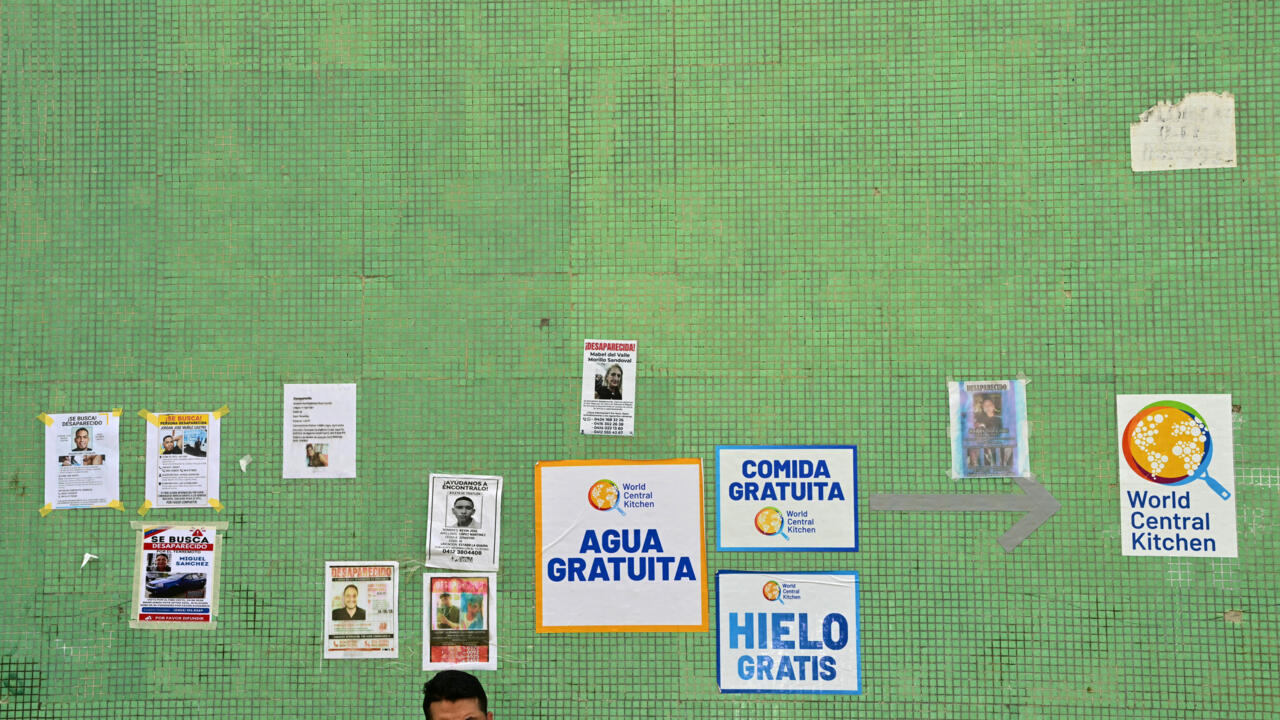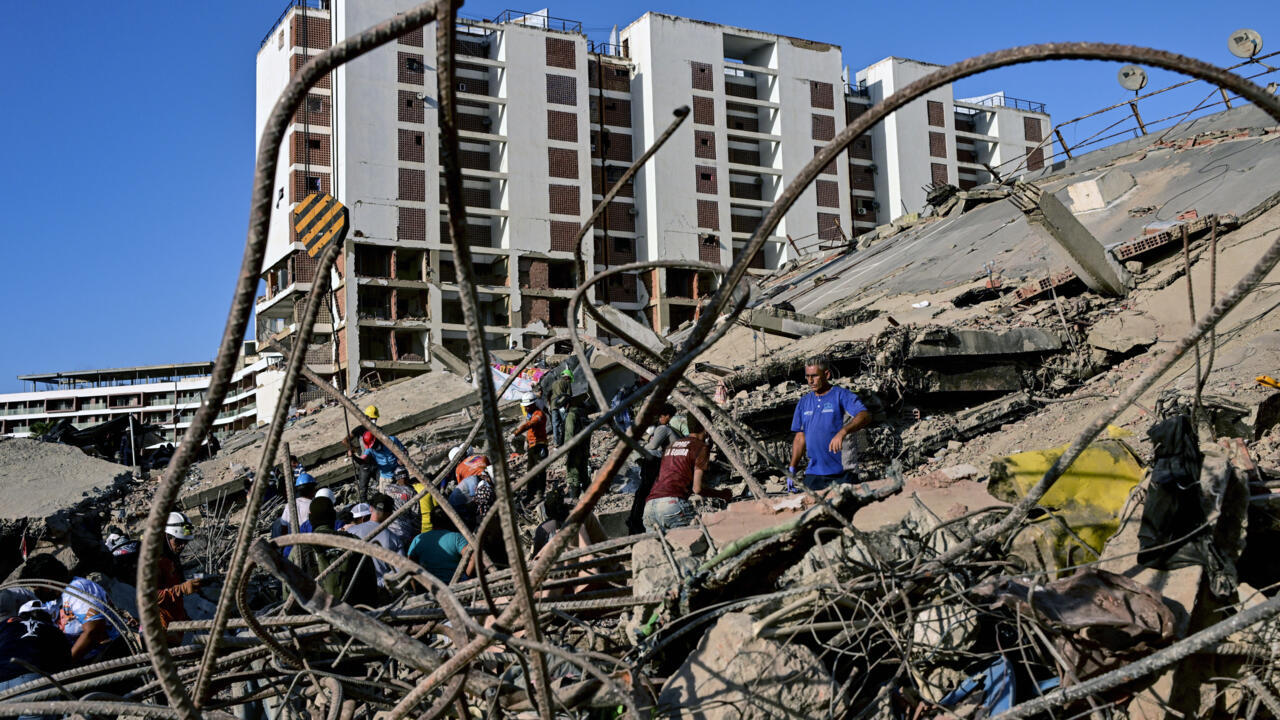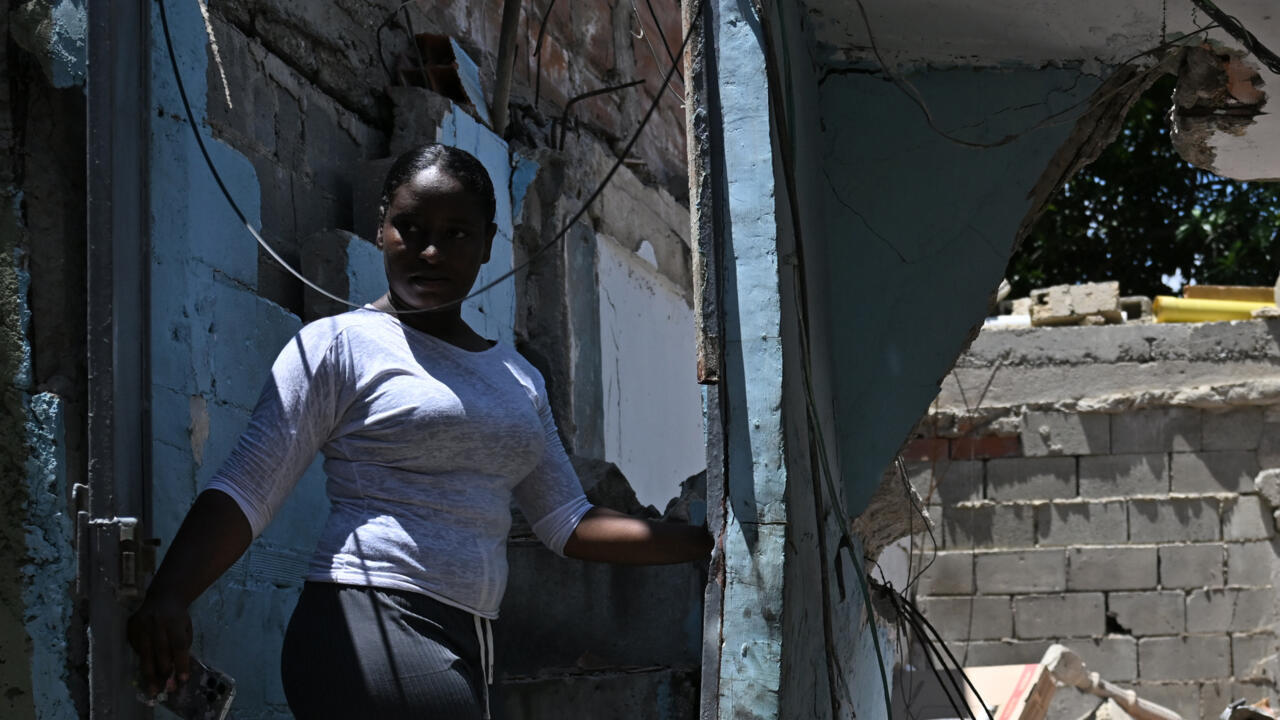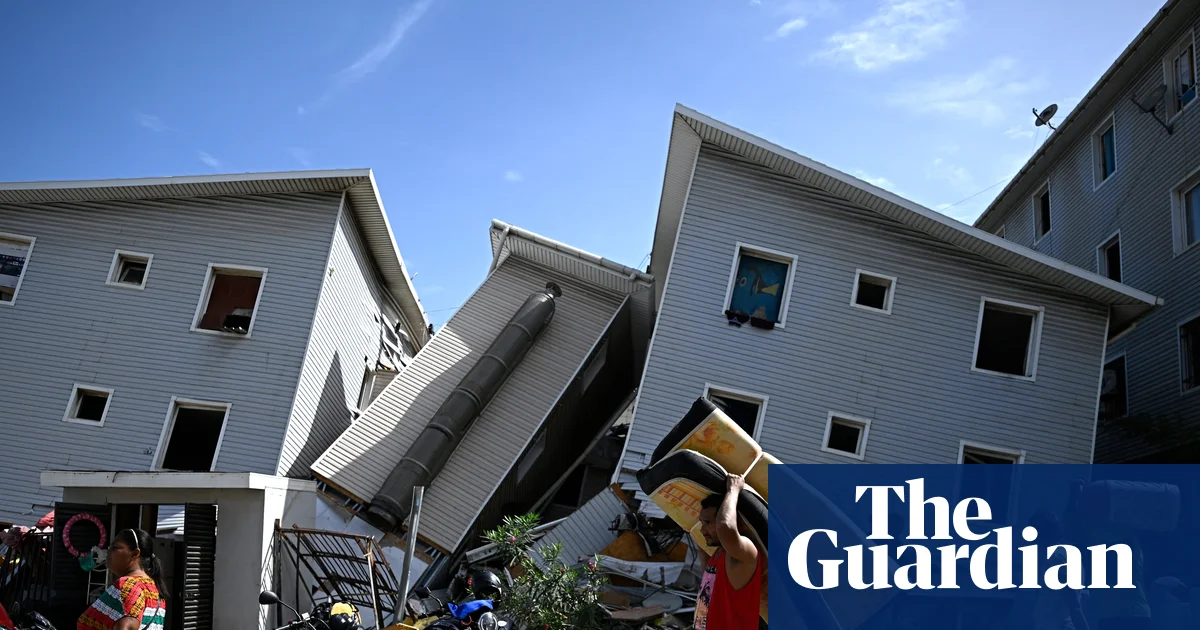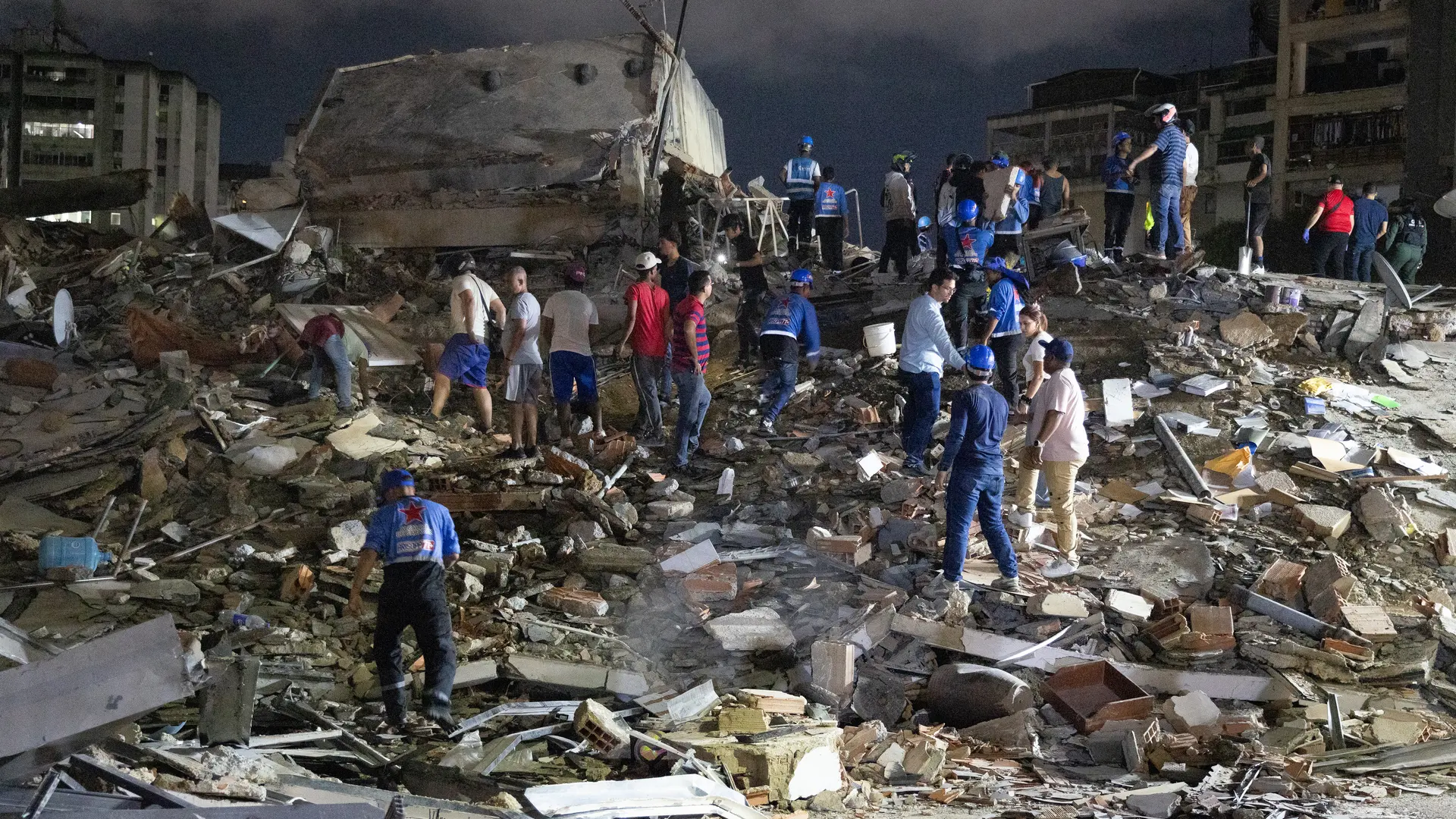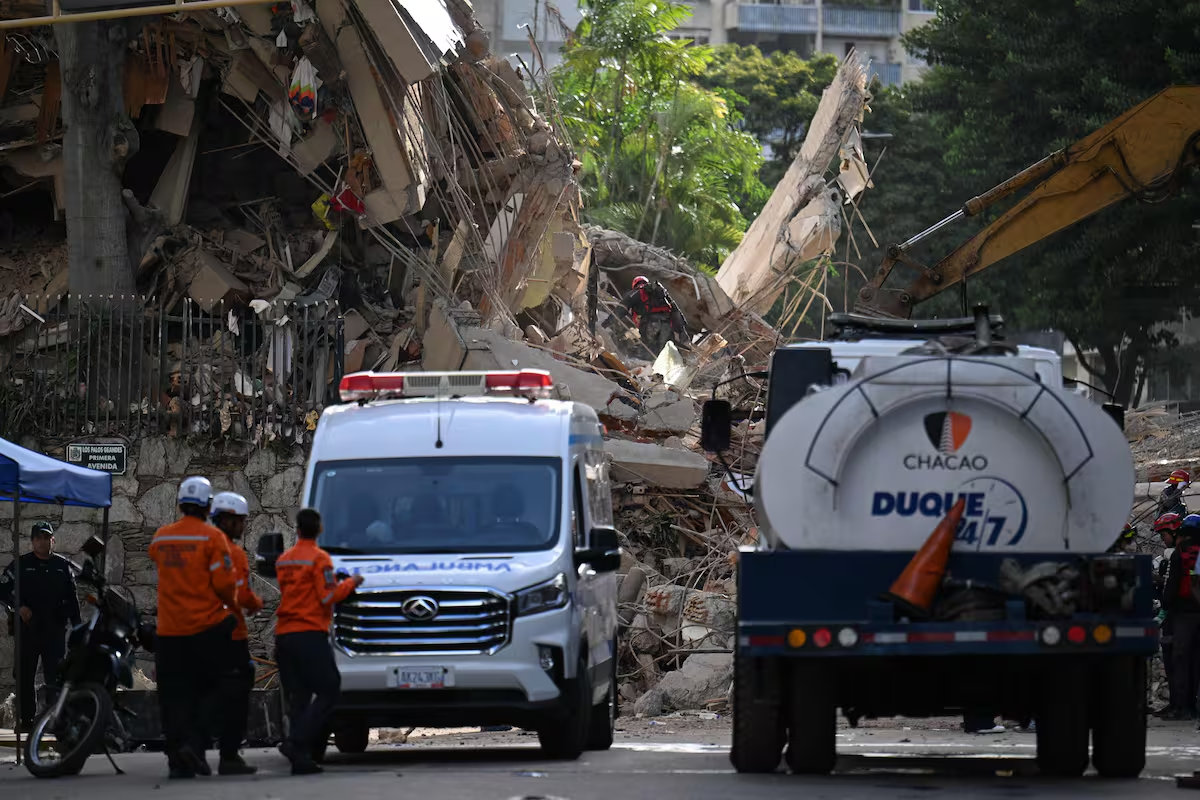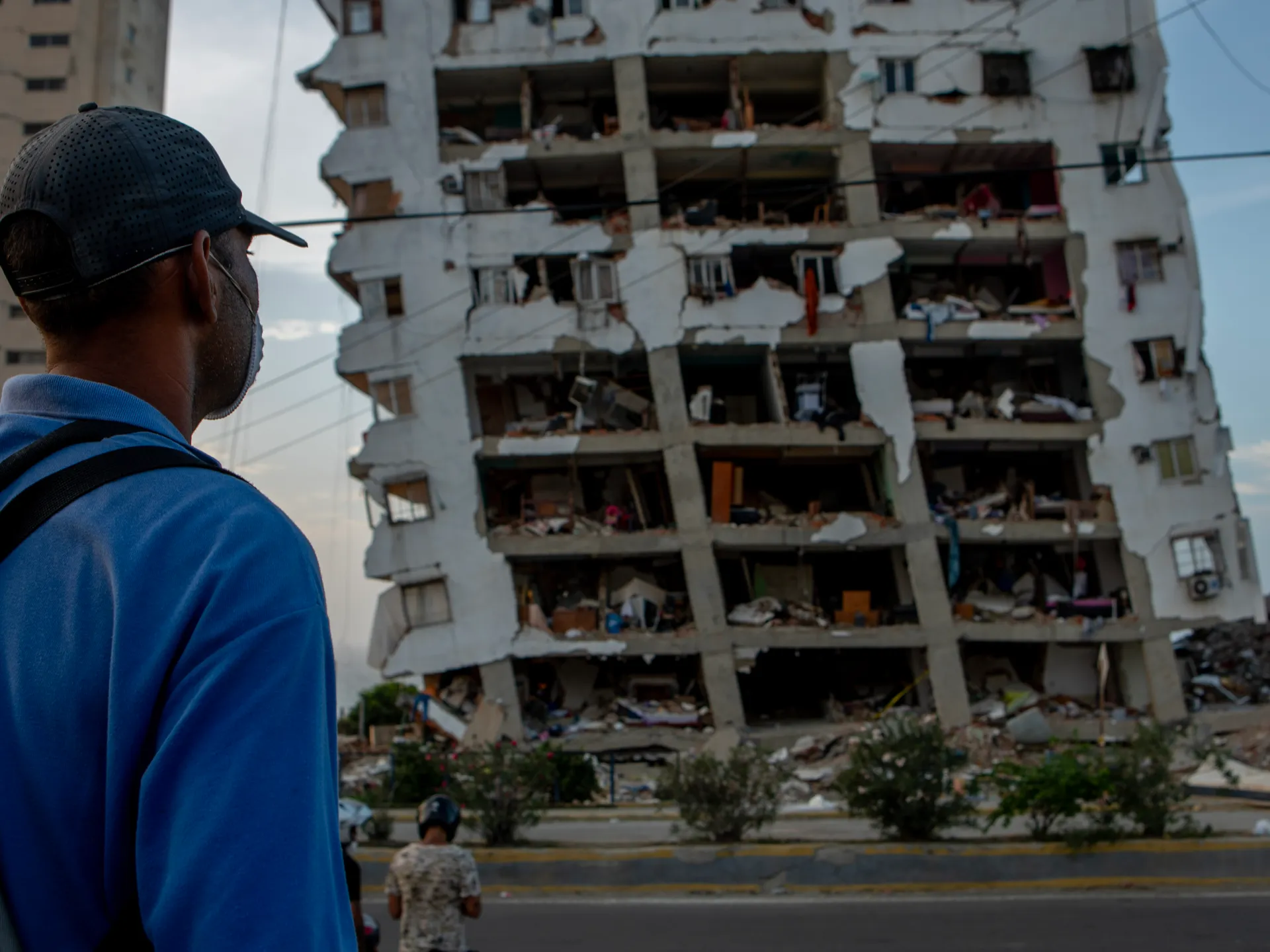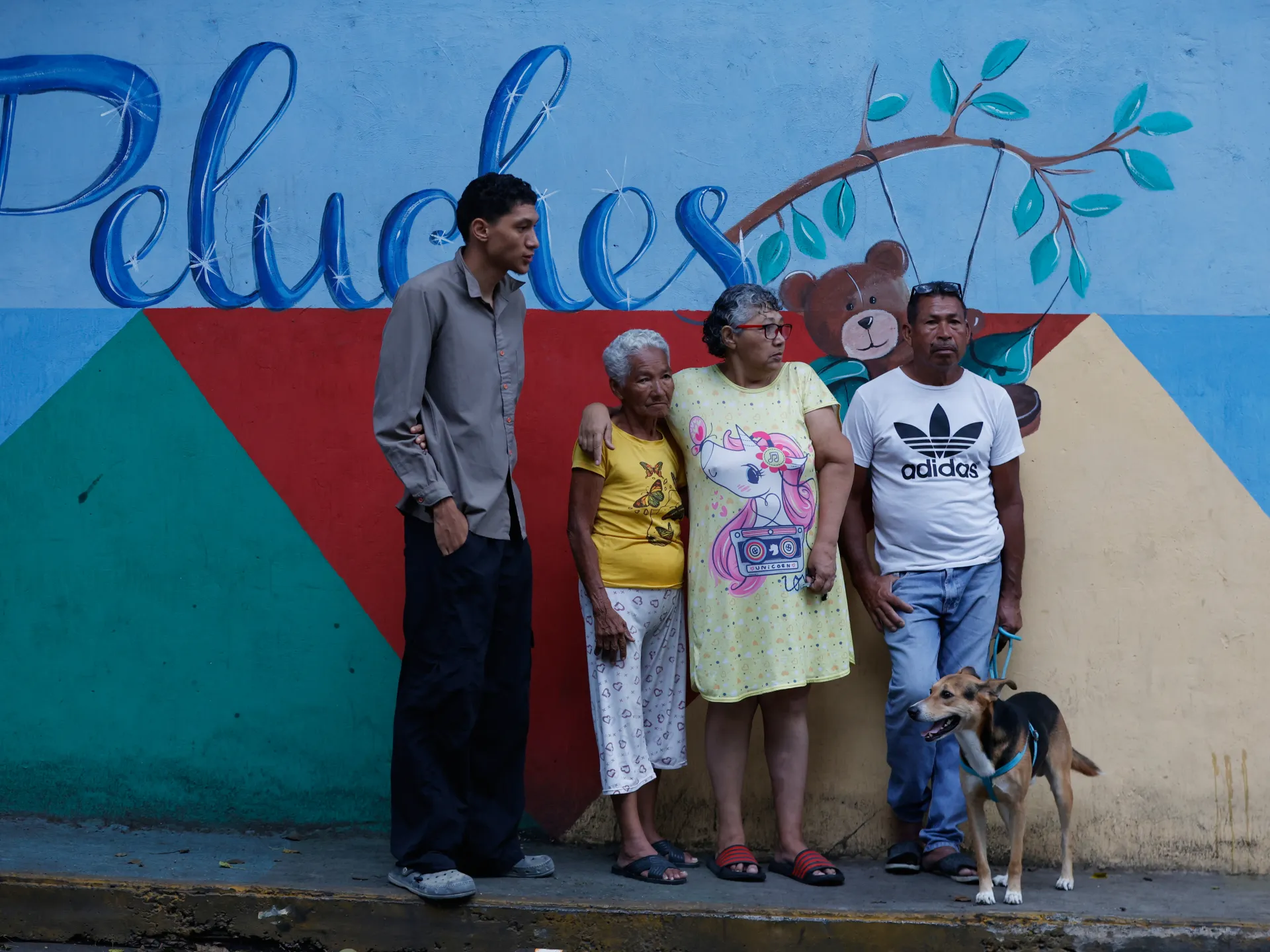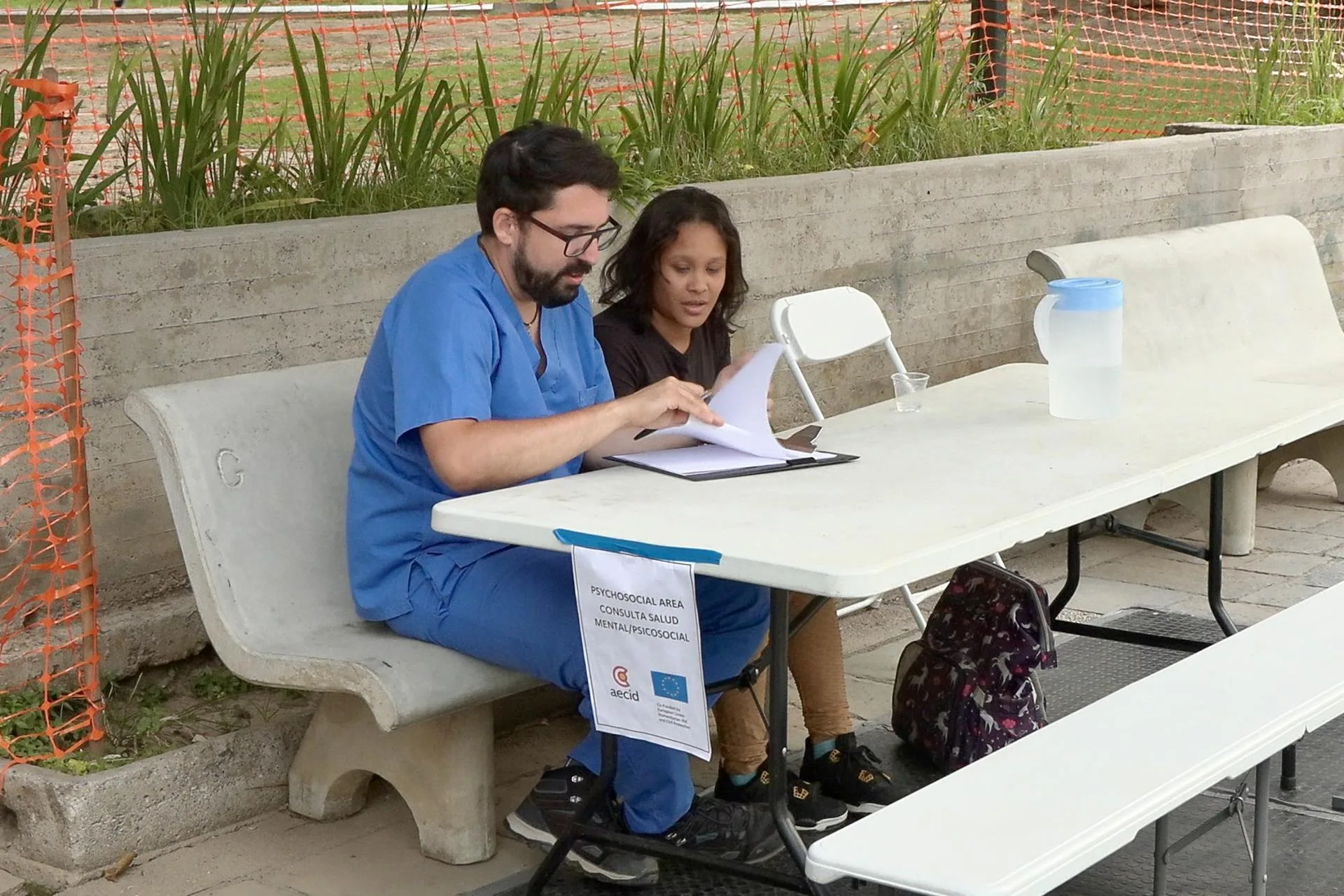
By Irene Escudero Caracas, Jul 10 (EFE).- «We have been under tension for a long time and the earthquake has shaken many things within us; it’s as if we just exploded,» explains Rosmery Mujica, a young Venezuelan mother. Like thousands of others following the double earthquake in Venezuela, she is living through the panic, stress, and anguish of fearing that everything will shake once again. She describes it as «the final straw» in a build-up of tension caused by the country’s political and social situation. Her home, on the sixth floor of a building in Caracas, did not suffer major damage, nor did she lose anyone in the twin quakes that left 3,899 dead, but her nerves prevent her from sleeping. Her 2-year-old daughter, Cataleya, is also restless and has spent nights unable to sleep. «My daughter is extremely nervous, but right now I’m realizing that it’s mostly me, I’m the one transmitting the nerves to her,» the mother told EFE. She came to this realization while talking to three other mothers who have been living through similar situations since June 24. They form a circle with Jaime Gálvez, a psychologist working at the Spanish cooperation (Aecid) hospital in eastern Caracas’s park, and speak openly (perhaps for the first time since the tremors occurred) about what they are feeling. For days, he has been treating people like them on benches or outdoor chairs at this field hospital. «The most important thing is that you have to take care of yourselves; you have the right to be well, you have the right to feel bad, to have a bad day, but above all, you have the right and the duty of self-care,» he tells the group of mothers. Preventing stress from taking root He told EFE that they have primarily seen «acute stress and, in some cases, chronic stress» following the tragedy. «Our work consists of providing that initial psychological intervention to prevent it from turning into post-traumatic stress disorder (PTSD),» he explains. Ricardo Arjona, the group’s psychiatrist, adds that this is crucial because once it becomes PTSD, it is very difficult to treat. These are people who cannot sit on their living room sofa because that is where they were when the tremors hit, or who cannot walk down the stairs of their building because that is where they thought they would die while trying to evacuate. «When a catastrophe or an unexpected crisis occurs, the brain enters a state of alert (…) Then, as the days go by, images of what they experienced begin to return, but they come in a very disordered way; they start to perceive sounds and noises, for example. Suddenly they hear a noise and go into a state of alert,» he says. It is important, he continues, to help them «unblock what they are experiencing,» and «understand that those noises, and even those smells, do not mean there is going to be an earthquake.» Or that they have to work on sitting on that sofa again without it meaning it will shake once more. The advice is often as simple as exercising to lower cortisol (known as the «stress hormone») and re-establishing routines. But above all, it is about seeing a professional because «every case is unique.» That is exactly what Solimar Monroy’s mother recommended to her. «After the earthquake, I was left with that trauma; for about 5 days now I’ve had this sort of swaying sensation,» explains the 22-year-old mother, while mimicking the motion with her arms and body. She suffered a severe panic attack and thought she was going crazy, believing it impossible for her body to remain unstable with «the shakes.» After speaking with Jaime, she is gradually coming to terms with the fact that the tremors in her body will pass and that she must control her mind. She understands that it is all triggered by her nerves and the anxiety she was already suffering from beforehand. «I imagine I’m not the only person who has felt this,» she says while breastfeeding her infant daughter. In fact, one of the keys, experts point out, is to talk about it and realize that many experiences are shared. A developed resilience «In the end, it is as necessary to express it as it is to validate it, not just by a professional, but by your neighbor, your colleague, your mother…» Gálvez explains. The Spanish psychologist, who is used to attending other crises and catastrophes such as the floods in eastern Spain in 2024, has been surprised these days by the collective care and resilience in Venezuela. «The Venezuelan people were already accustomed to different types of catastrophes, social changes, and political shifts. What we seek with this is to remind them of the capacity for resilience and empowerment that these people possess,» the professional concludes. EFE ime/dmv
The earthquake: the final straw for the already fragile mental health of Venezuelans - EFE
Like thousands after Venezuela's double earthquake, Rosmery Mujica lives in constant panic and stress, fearing everything will shake again
806 words~4 min read