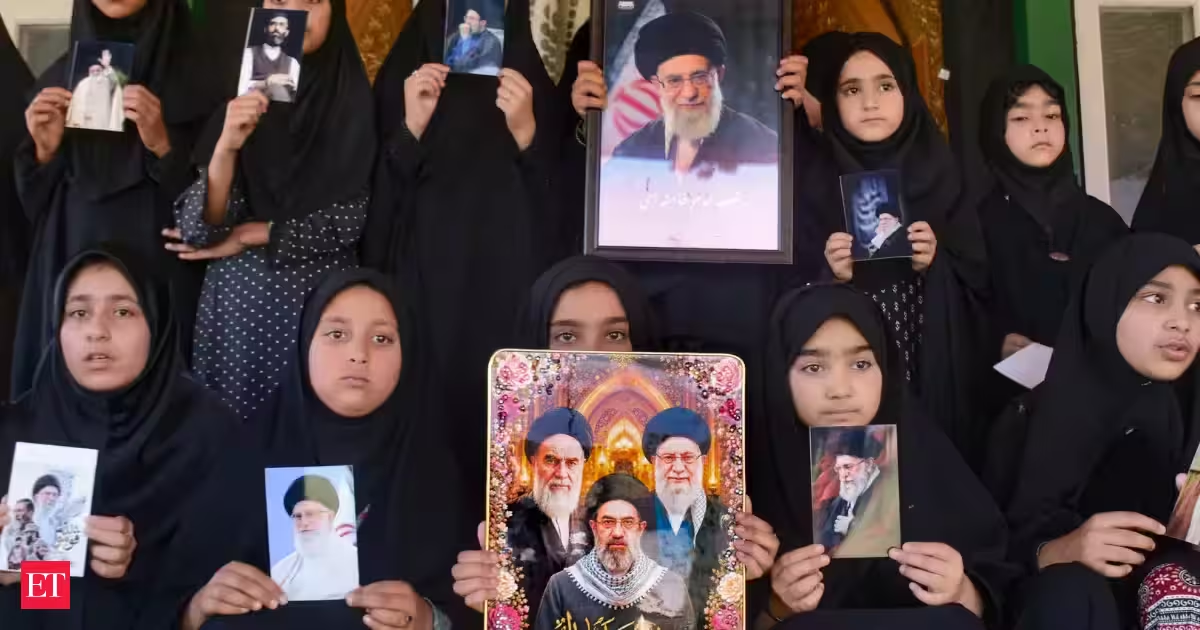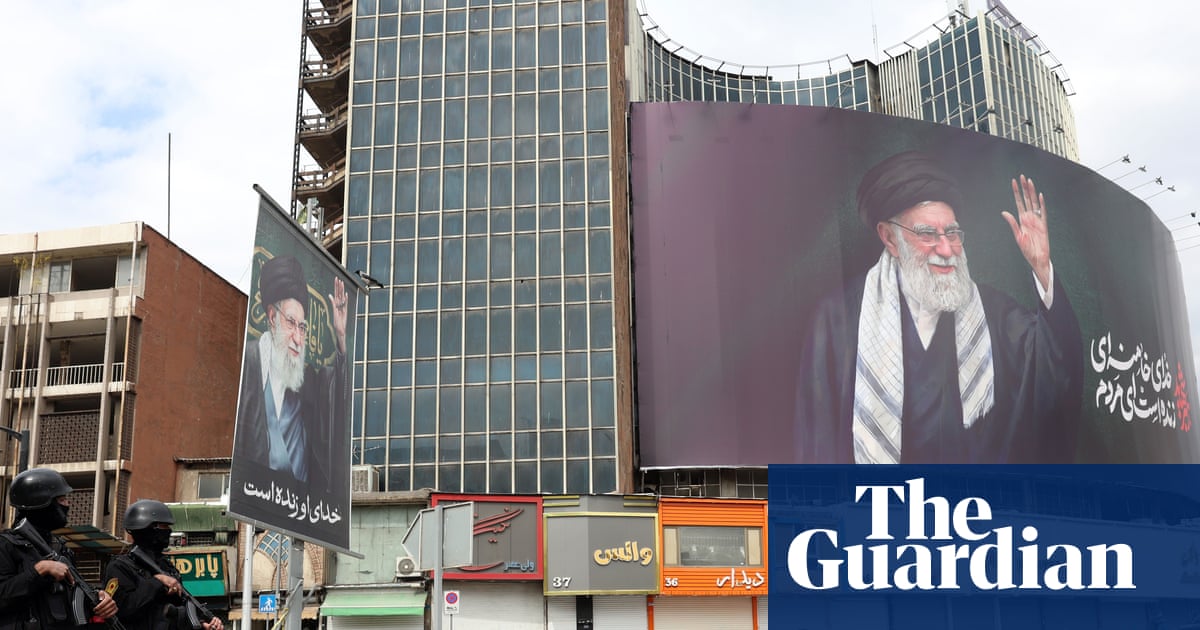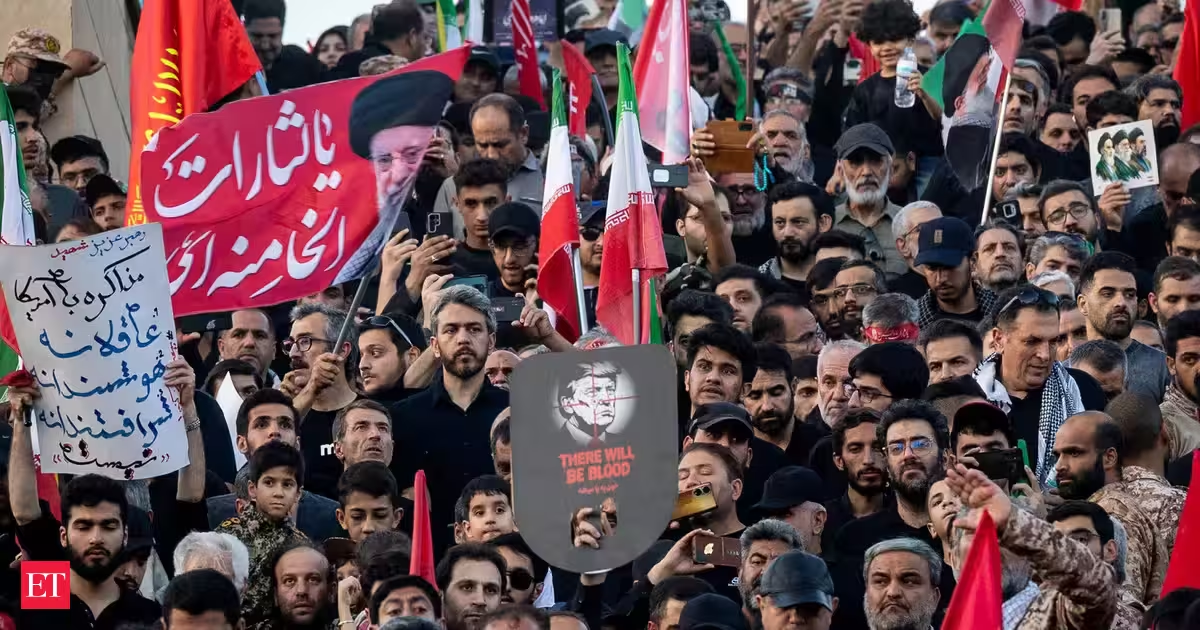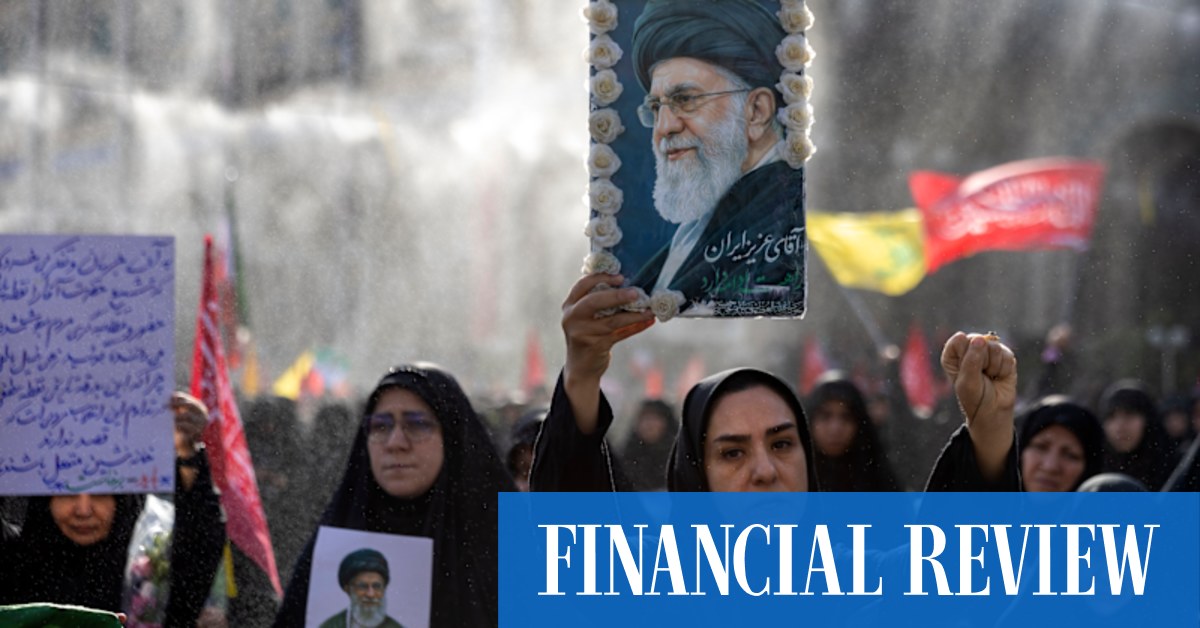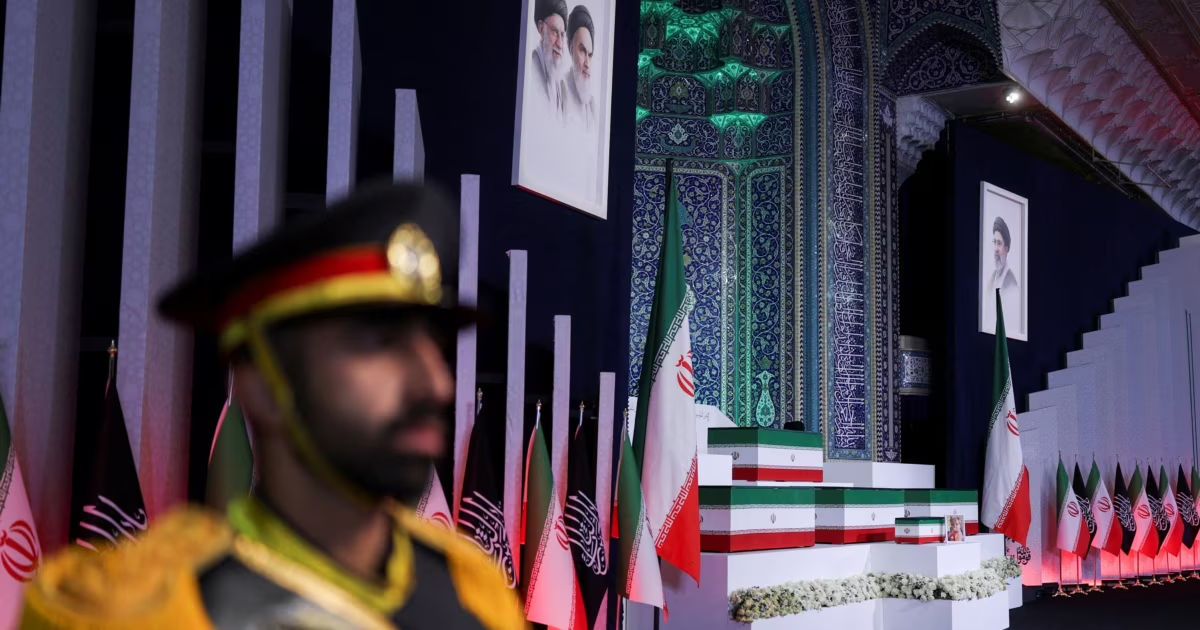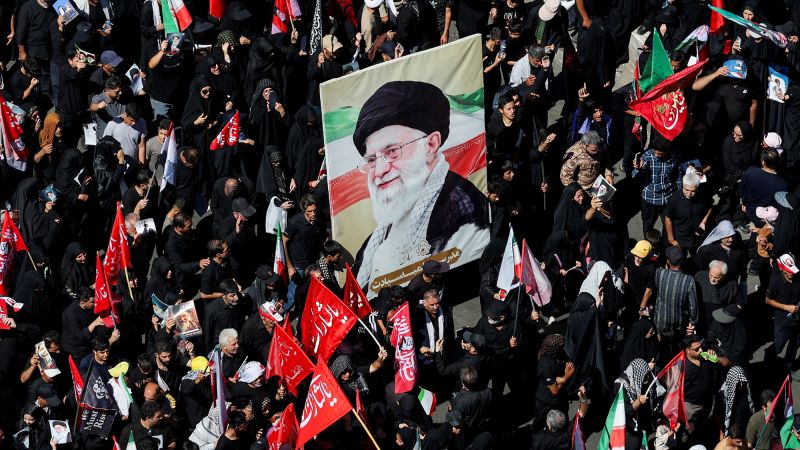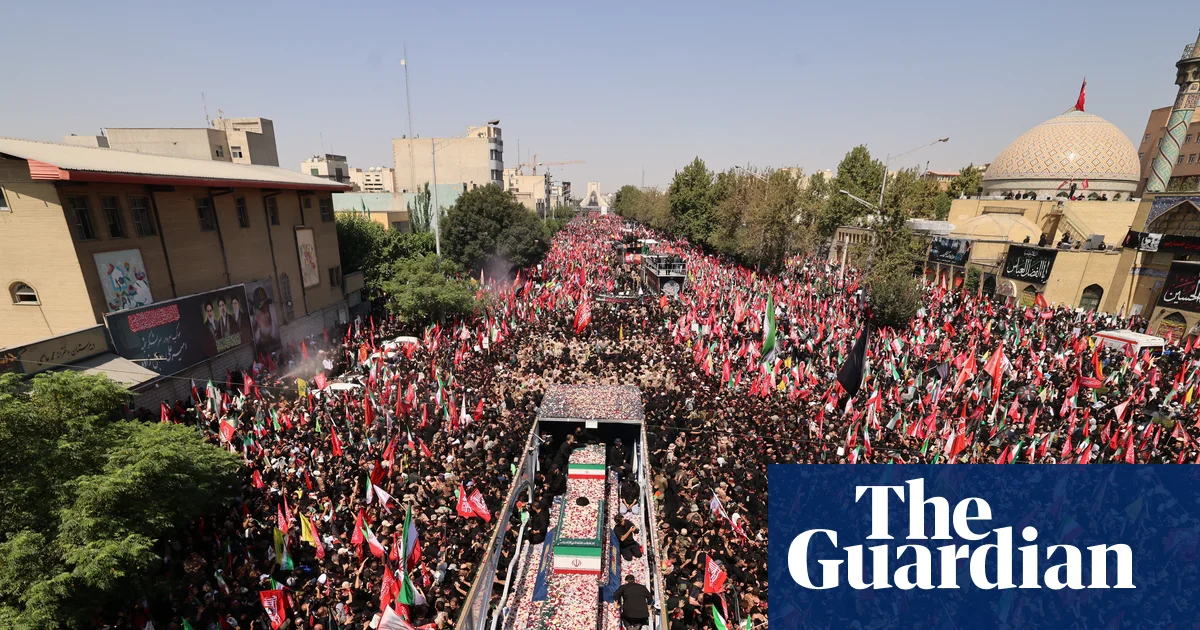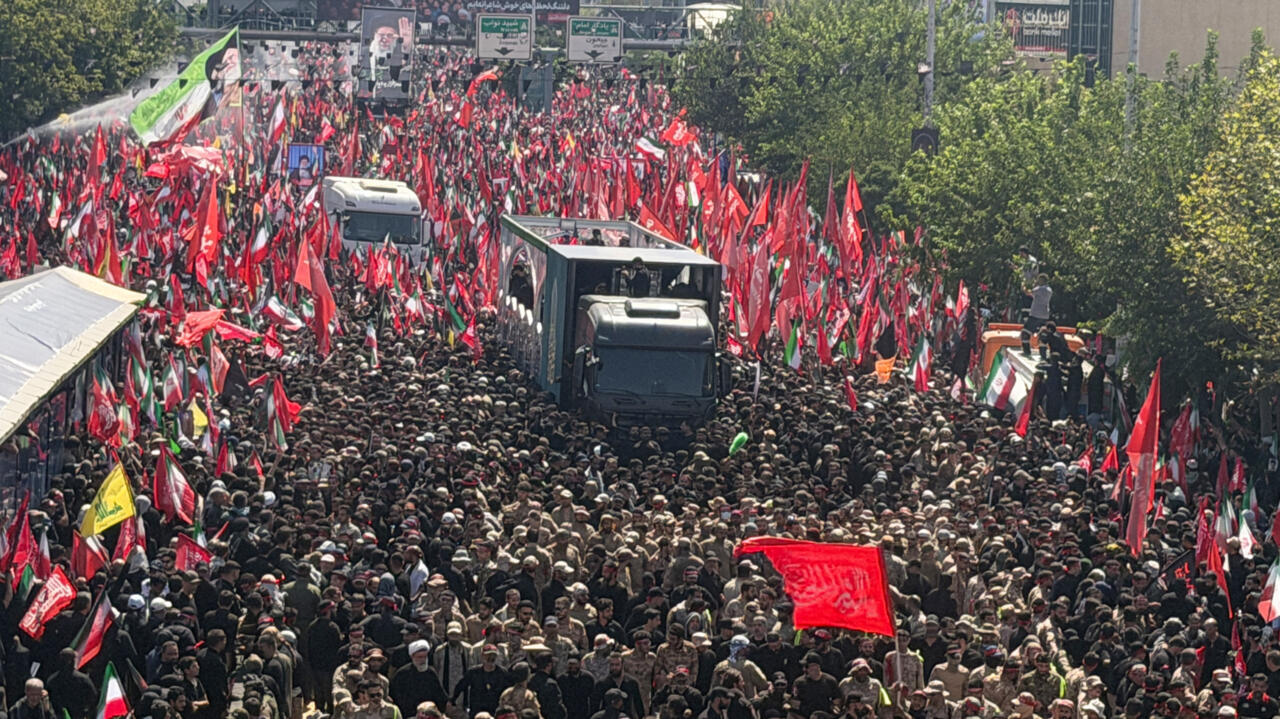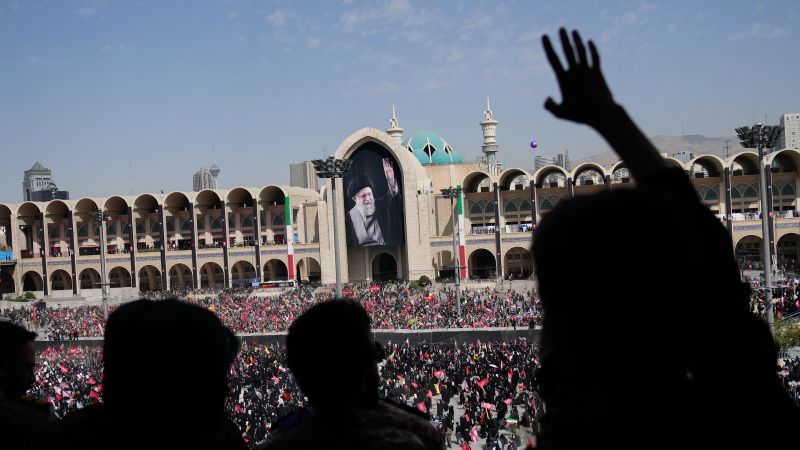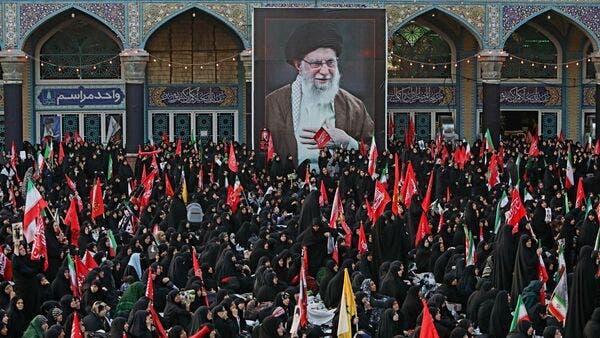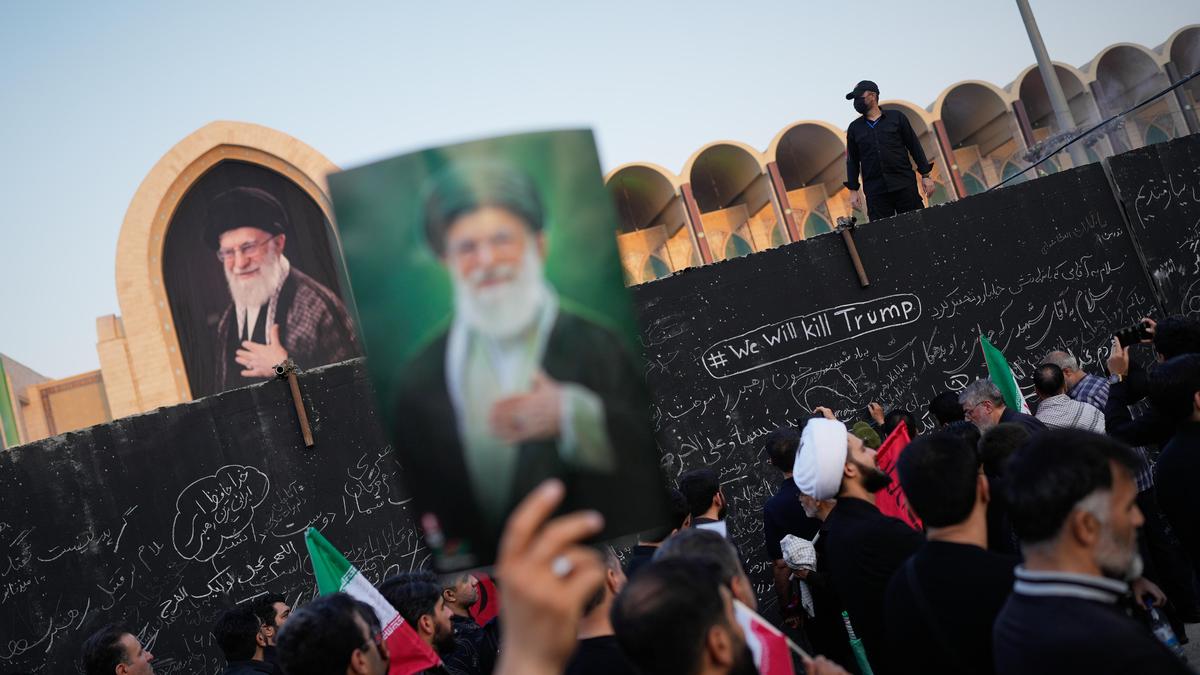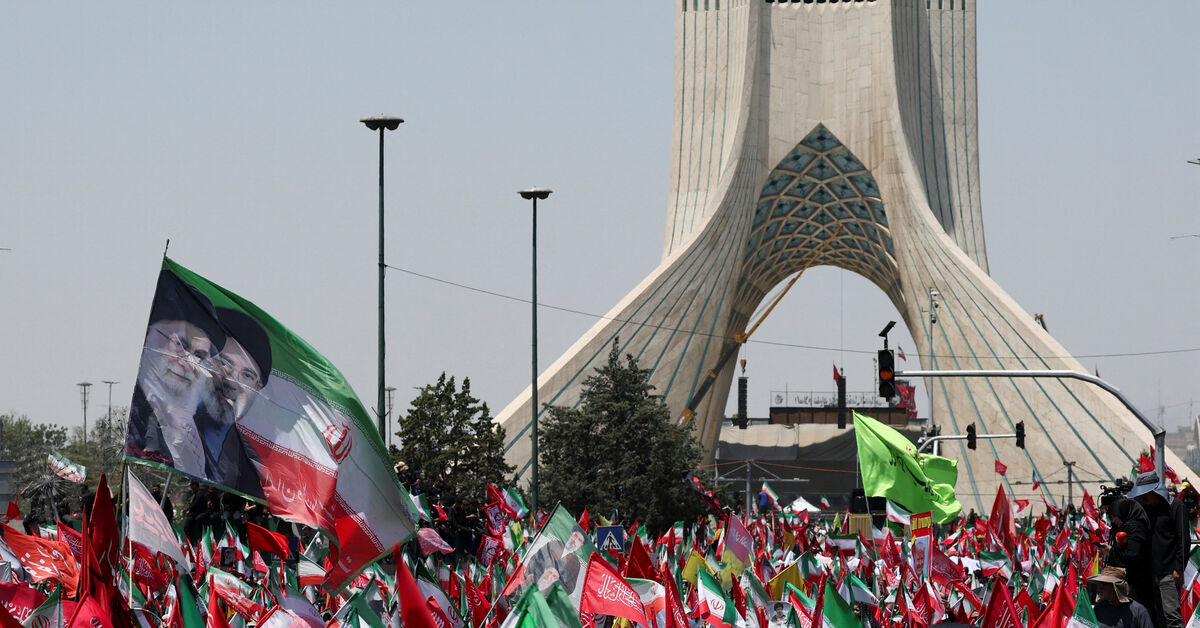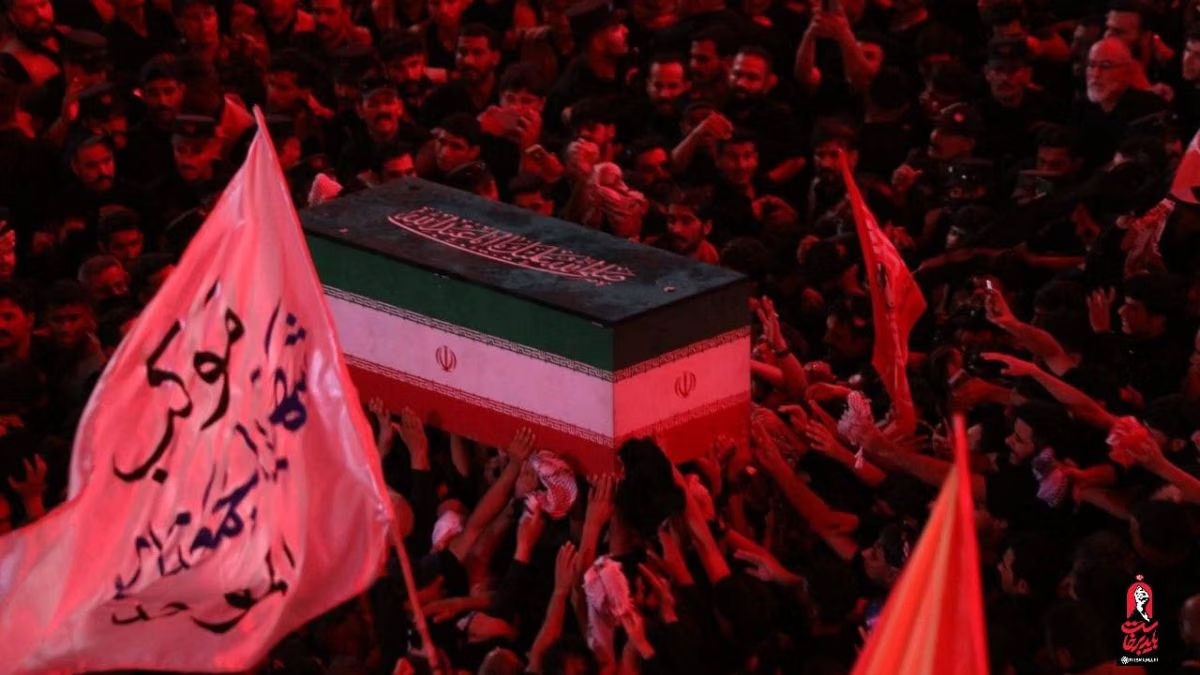
Iran observed days of public mourning for former supreme leader Ali Khamenei, a man seen by many as the face of resistance against Western imperialism. Yet, he was also the leader of a regime that carried out brutal crackdowns on dissent, imprisoning and executing thousands. Like many powerful figures in history, his legacy will be debated for a long time.
Watching millions gather for his funeral did not surprise me. The men who inherited his revolution weren’t simply mourning a leader; they were also telling the world that his ideology would outlive him.History is full of such contradictions. Joseph Stalin played a decisive role in defeating Nazi Germany, yet his rule was also responsible for the deaths of millions. When he died in 1953, people still mourned him—not because his brutality had disappeared from history, but because decades of propaganda, fear, and genuine devotion had shaped his public image.
What interests me more is how little we seem to learn from history. The debate around Khamenei’s funeral quickly split into familiar ideological camps. Instead of applying the principles each side claims to uphold, many interpreted the event through existing political loyalties.In India, even the political Right appeared divided. For some, Iran mattered primarily through the prism of India’s strategic interests. Others viewed the matter almost entirely through the lens of religious identity.The Left approached the issue from a different direction. Much of its sympathy for Iran has historically been shaped by opposition to what it sees as American and Israeli intervention in the Middle East. As a result, debates about Iran become less about the realities inside the country and more about larger geopolitical alignments.The Indian Left was quick to condemn the American attack on Iran, and rightly so. Opposing military aggression is a principled position. But it opted for relative silence on Iran’s human rights record—its crackdown on dissent, its treatment of political opponents, and its oppression of women.To be fair, there are exceptions. Brinda Karat and Kavita Krishnan have spoken critically about developments in the country. But such voices are fewer. More often, the Left’s focus remained on opposing American and Israeli actions, while the authoritarian Iranian regime almost got a free pass.The relationship between the Left and Islamist movements resembles a toxic love story. They repeatedly find themselves on the same side, despite history repeatedly showing how fragile that alliance really is. We already know how the story ended in Iran. Leftists and Islamists stood together against the Shah, only for the Islamic Republic to later imprison, persecute, and execute many of its former allies. Nevertheless, the relationship seems determined to ignore its own history.