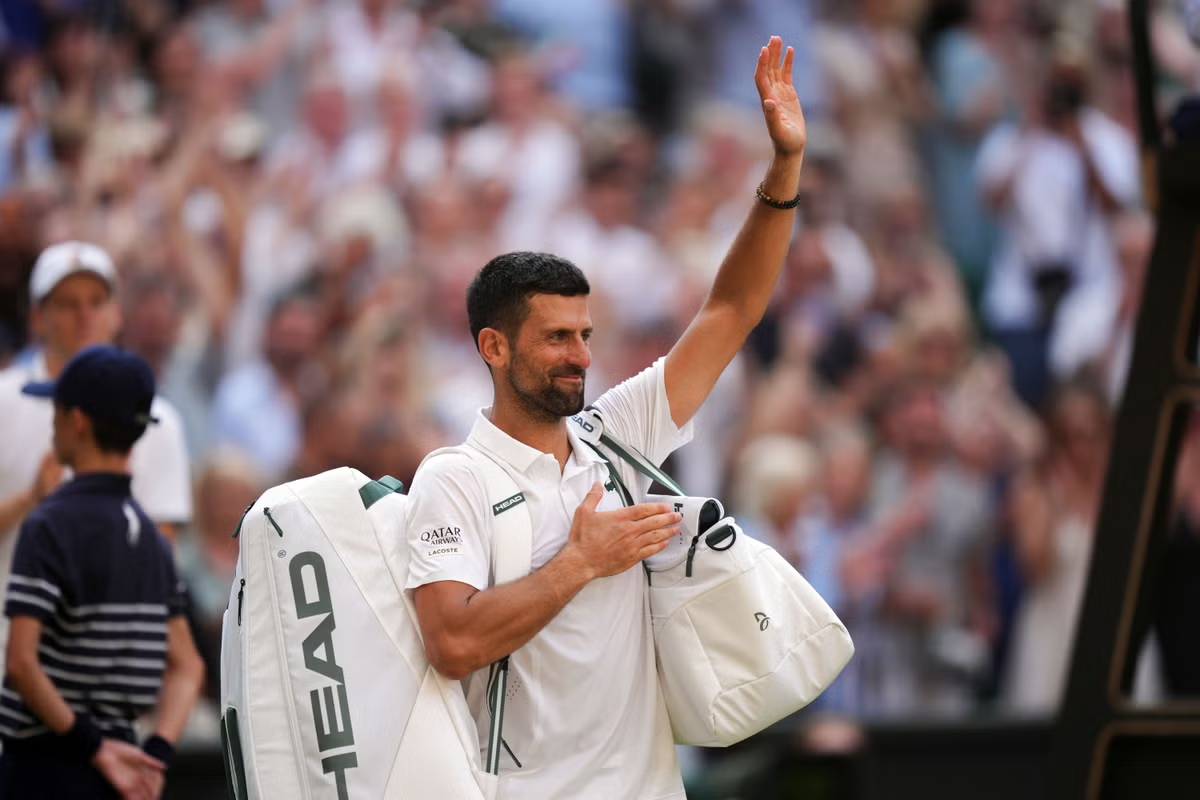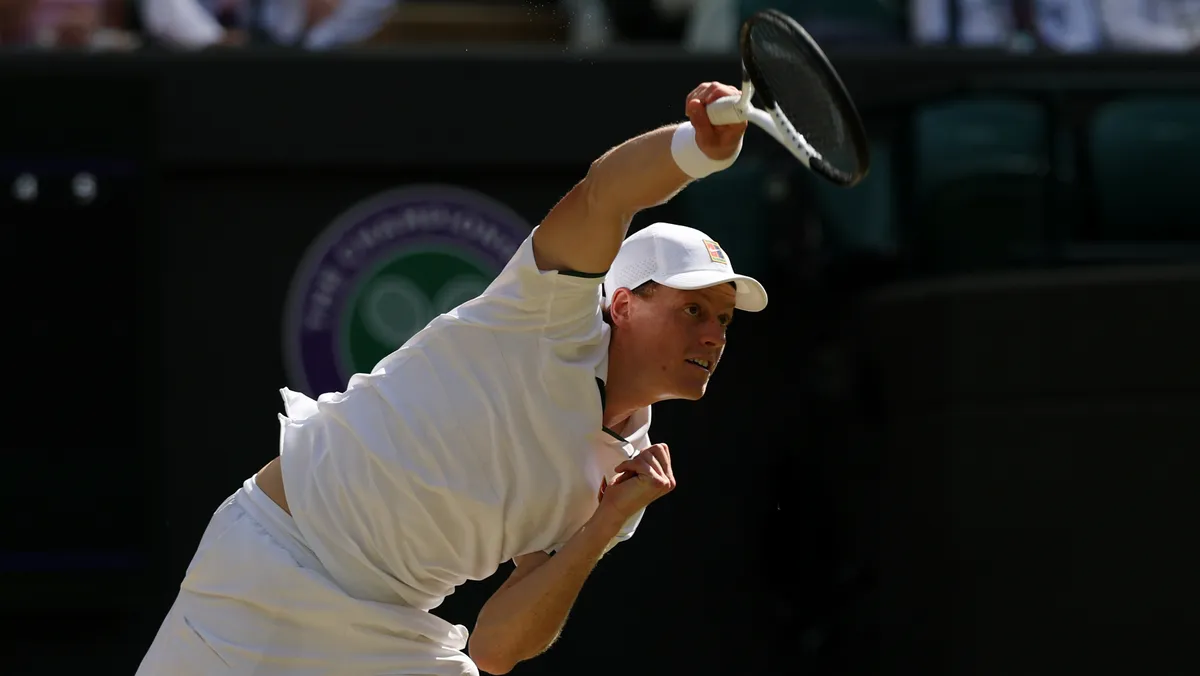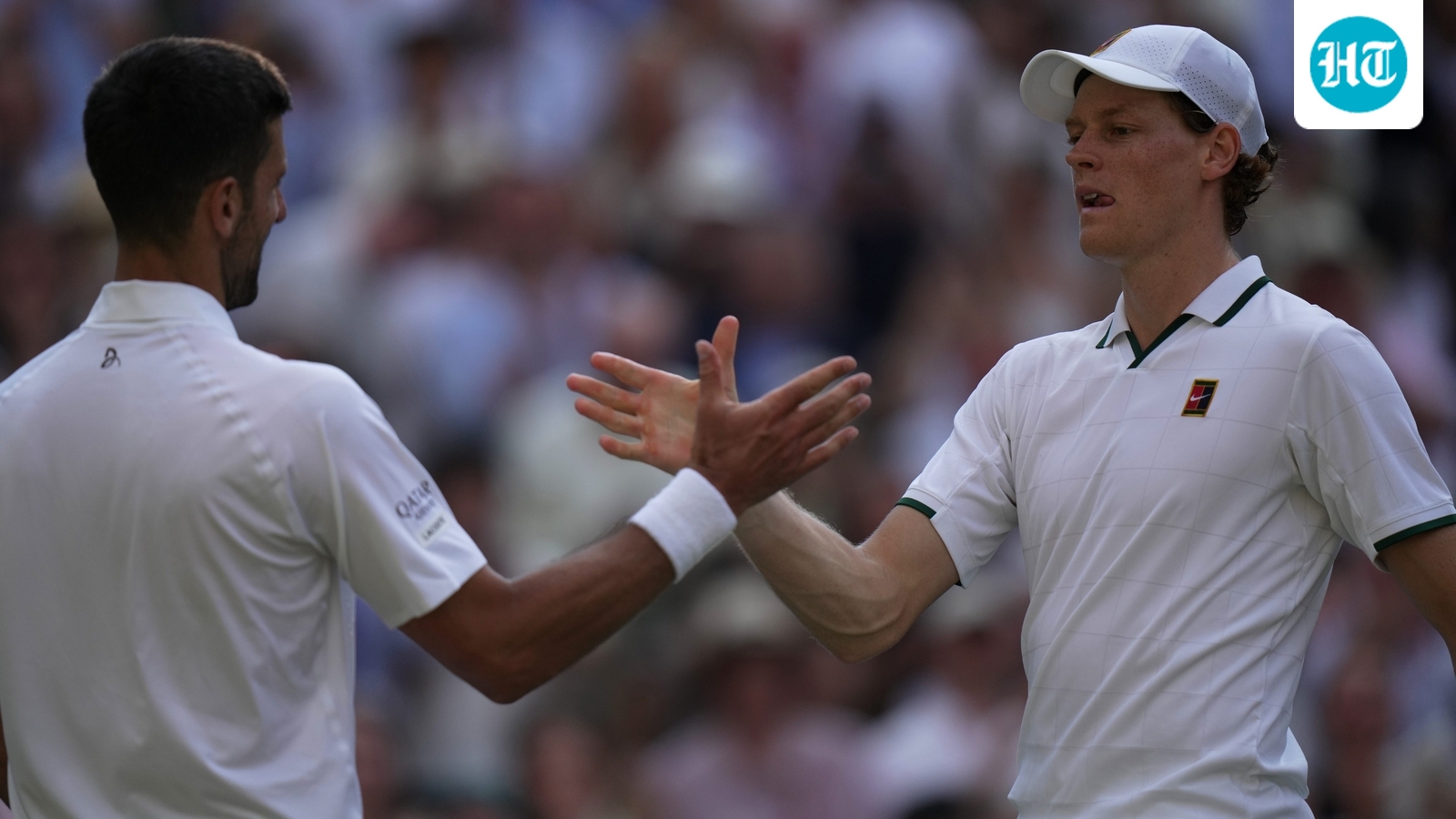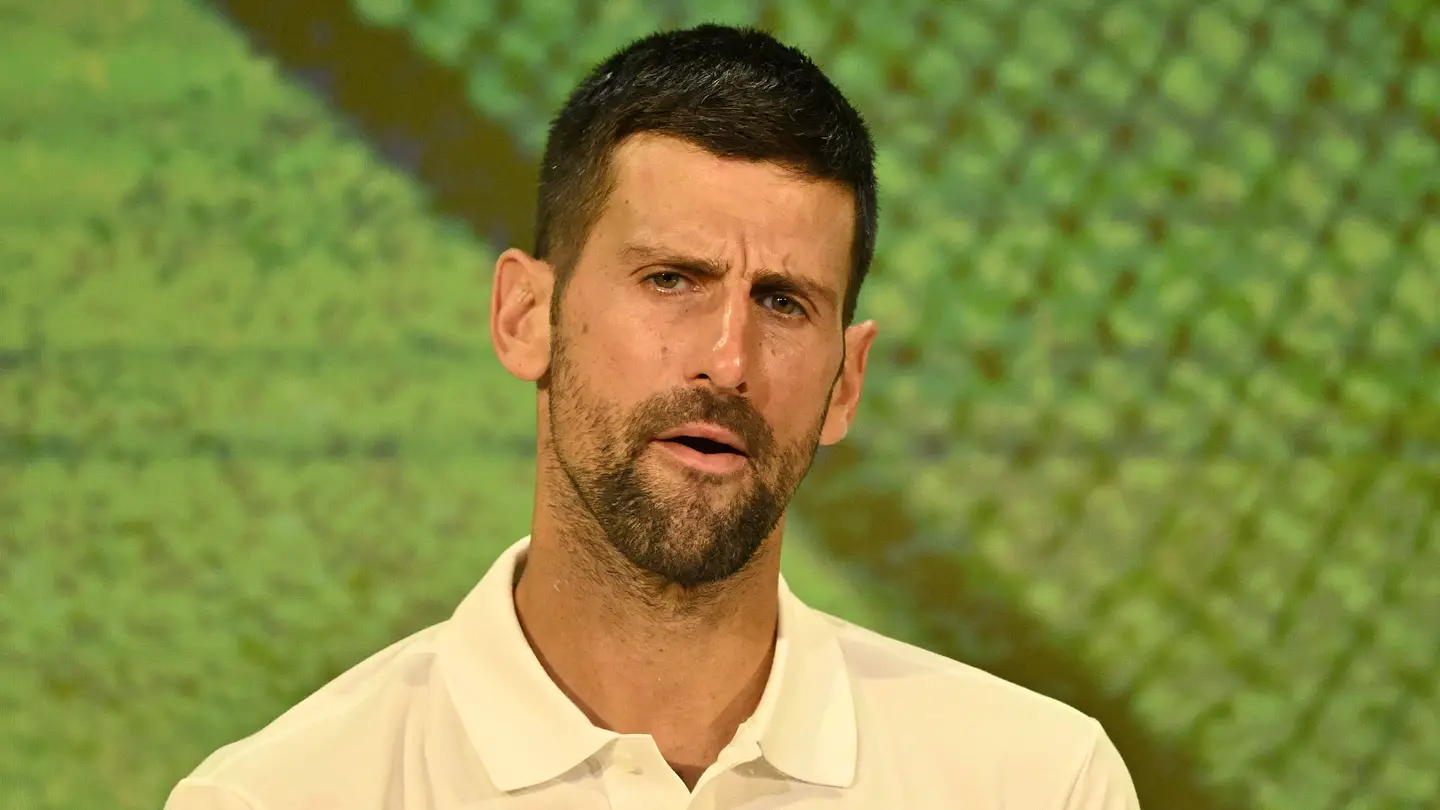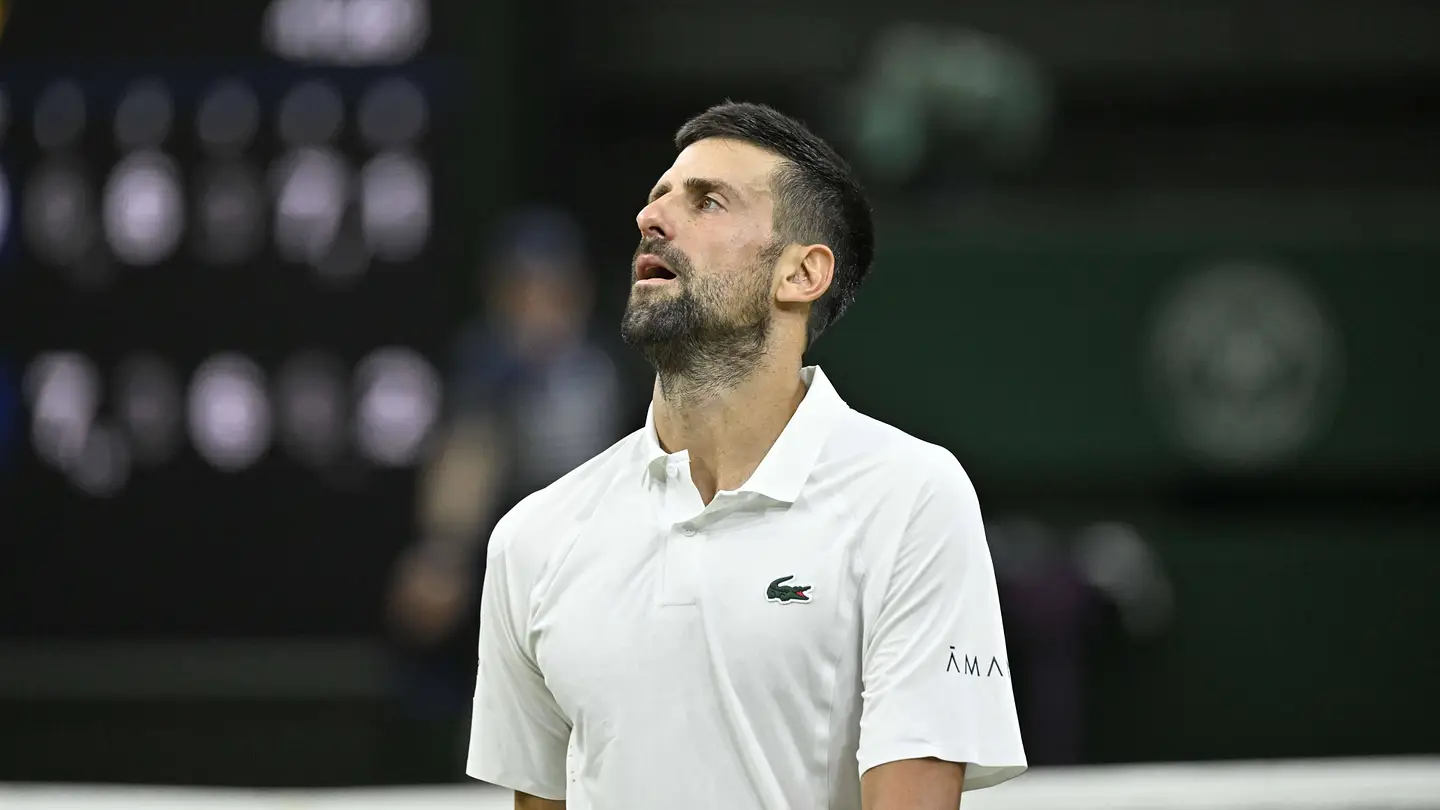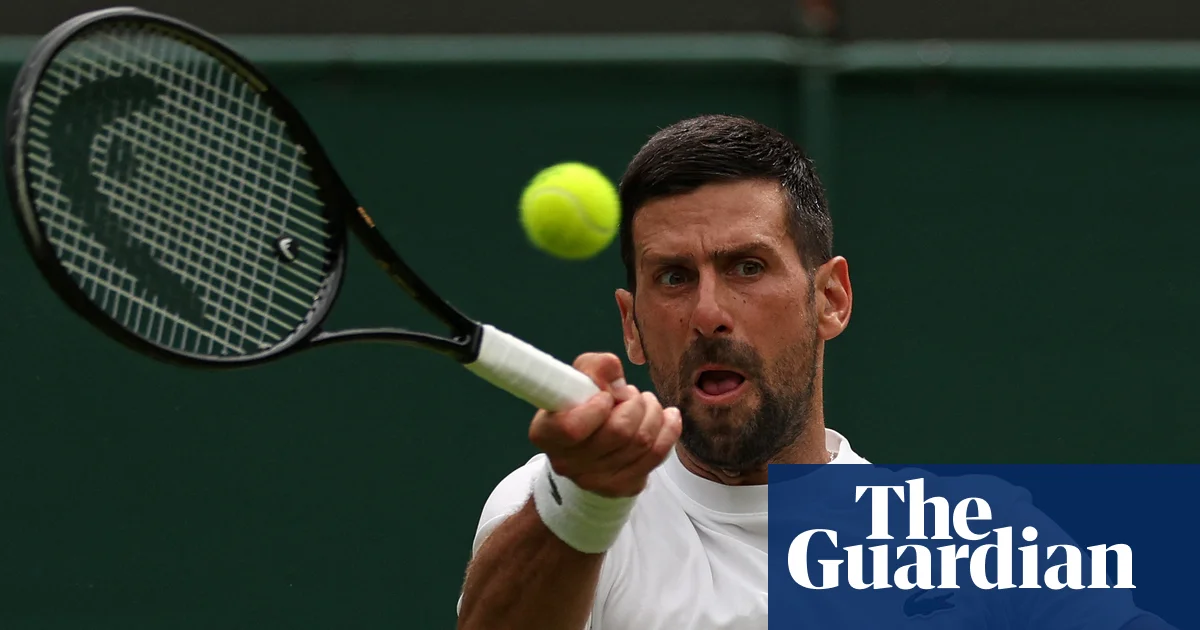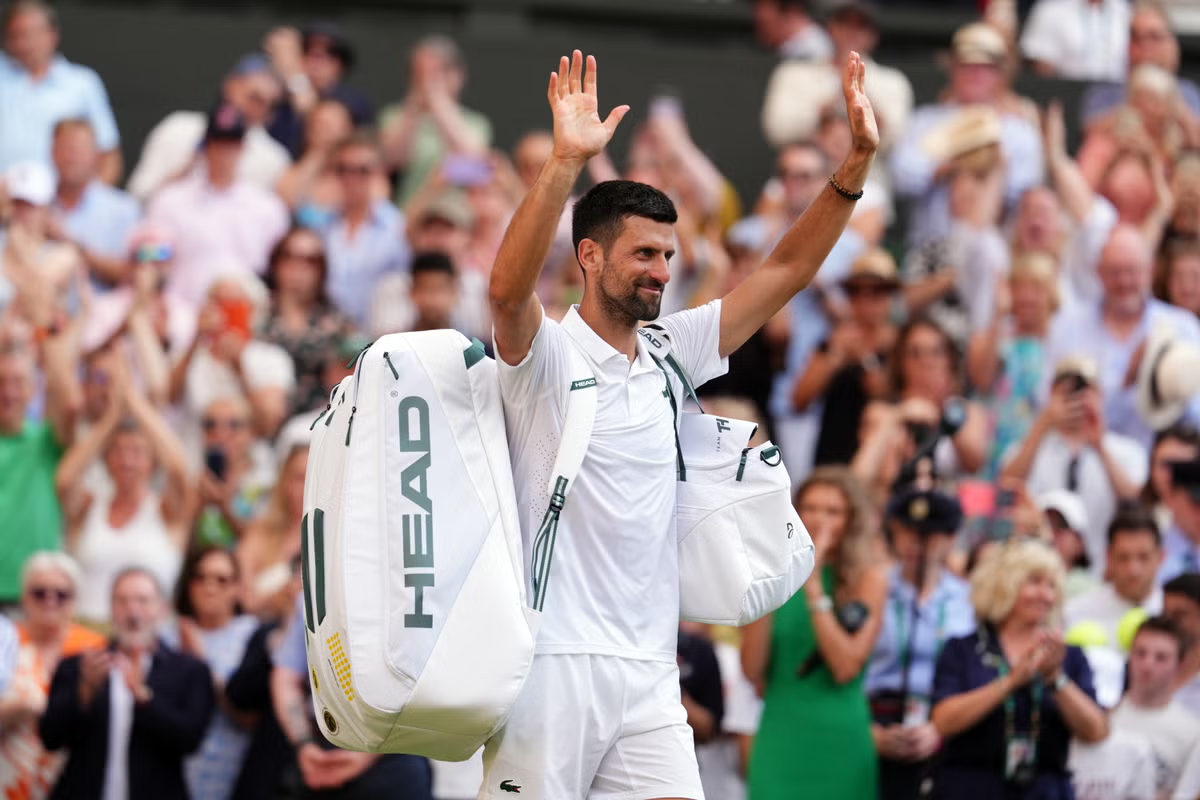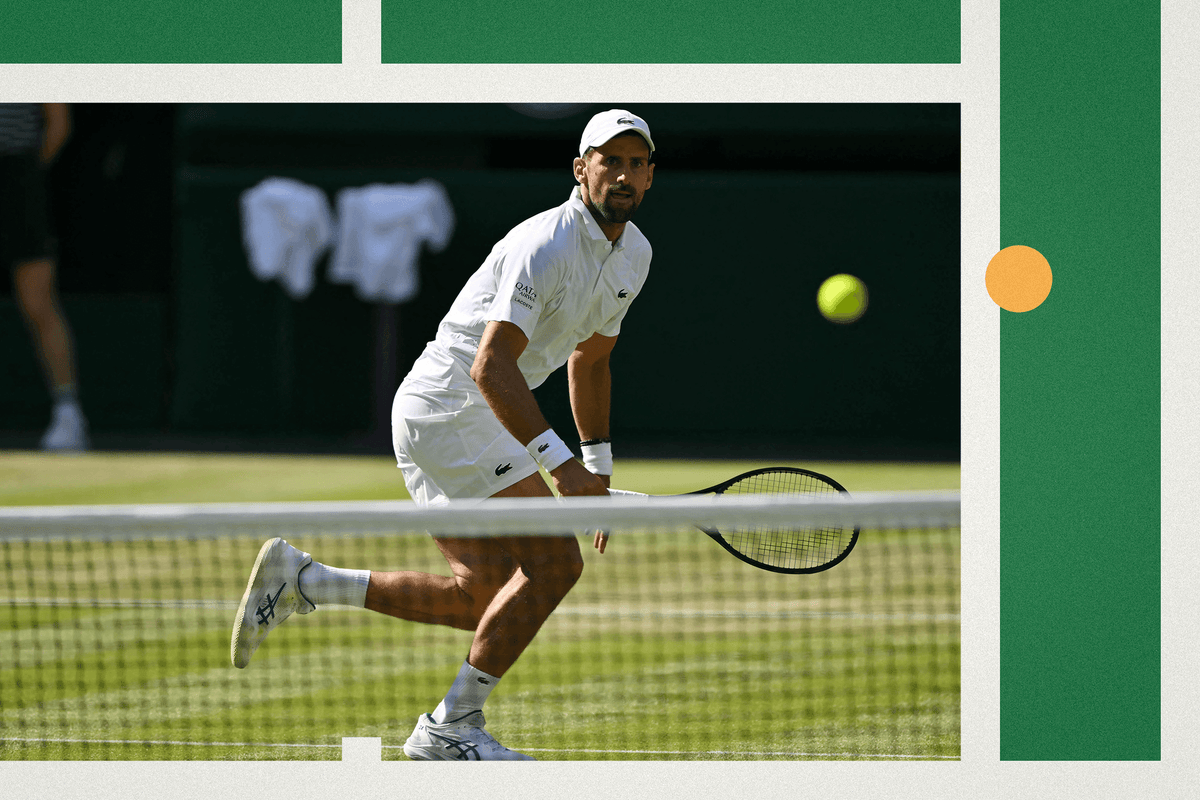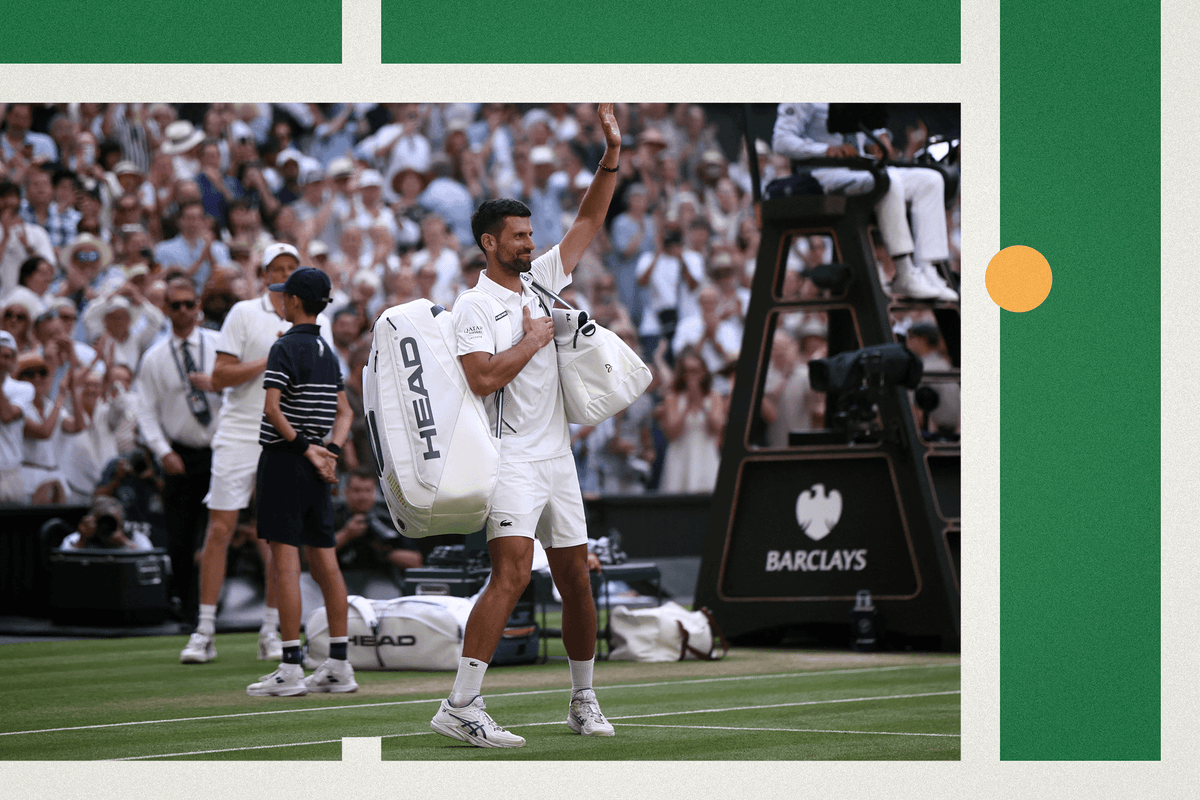
Follow The Athletic’s Wimbledon coverageWelcome to the Wimbledon briefing, where The Athletic will explain the stories behind the stories on each day of the tournament.On Day 12, a purgatorial state for a legend of the sport, a surprise semifinalist bringing a club together and three upsets escaped.Where does Novak Djokovic go from here?6-4, 6-4, 6-4 is a complicated tennis scoreline. At first glance, it suggests a close but even match, whether one dominated by serving or by a seesawing trade of breaks that one player just about manages to end.But 6-4, 6-4, 6-4 can also hide a certain one-sidedness behind its symmetry, because if the player who gets 6 games does so much more easily than the player who gets 4 in each set, then the apparent closeness can disappear.That’s about what happened in Jannik Sinner’s defeat of Novak Djokovic in the Wimbledon semifinals. They played 30 games, 15 apiece on serve. Sinner won 15/15; Djokovic 12/15.But Sinner, the 24-year-old Wimbledon champion, created 13 break points in those 15 games. Djokovic created one. Sinner got taken to deuce just twice, both in the same game; Djokovic went there five times. It was close, but it also sort of wasn’t.Messi and Djokovic: Two 39 year olds still owning their sportsLukas WeeseThe problem for Djokovic is that the data from this match doesn’t tell him much that he doesn’t already know. At 39, he is a 24-time Grand Slam champion. He has done everything in tennis. His peak, when he can access it, remains as high as anybody’s. He matched Sinner serve for serve on first serves Friday, cracked backhands down the line and forehands crosscourt and made his rival, the world No. 1, work for the win.But on second serves, the quiet part of points on which close matches between top players often turn, Sinner was dominant. He won 61 percent of points on his own second serve, and then went and won 66 percent of them on Djokovic’s for good measure. Both men had an outstanding first serve and first strike, but Djokovic needed to lean on his far more than Sinner did.The peak is there. It’s just that accessing it without some troughs is getting harder, and the meat of tennis matches is getting more wearing.“I was just half a step late basically in any shot, so … It’s as simple as that. He was just a level or more better than I was. I was just not sharp enough, not reactive enough, not balanced enough to play him,” Djokovic said in his news conference.But what is the greatest male player of all time supposed to do when he is making Grand Slam semifinals at a rate that only Sinner and Carlos Alcaraz, the two masters of the sport the past two years, can match? And when he can look across the draw, the side he could have landed on instead of Sinner’s, and see a wild card and No. 114 in the semifinals? Why not continue? Why not compete?“This year, out of three Slams, I reached one final and one semifinal. I guess for 99 percent of the players, that would be a very good Grand Slam result. For me, it’s good but not good enough, because I’m blessed and cursed to be used to something of a highest degree in terms of results and achievements,” he said.
Wimbledon men’s semifinals recap: Novak Djokovic’s next move at the Grand Slams
Djokovic's 6-4, 6-4, 6-4 loss to Jannik Sinner both revealed something and told him little he did not already know.
1,467 words~7 min read