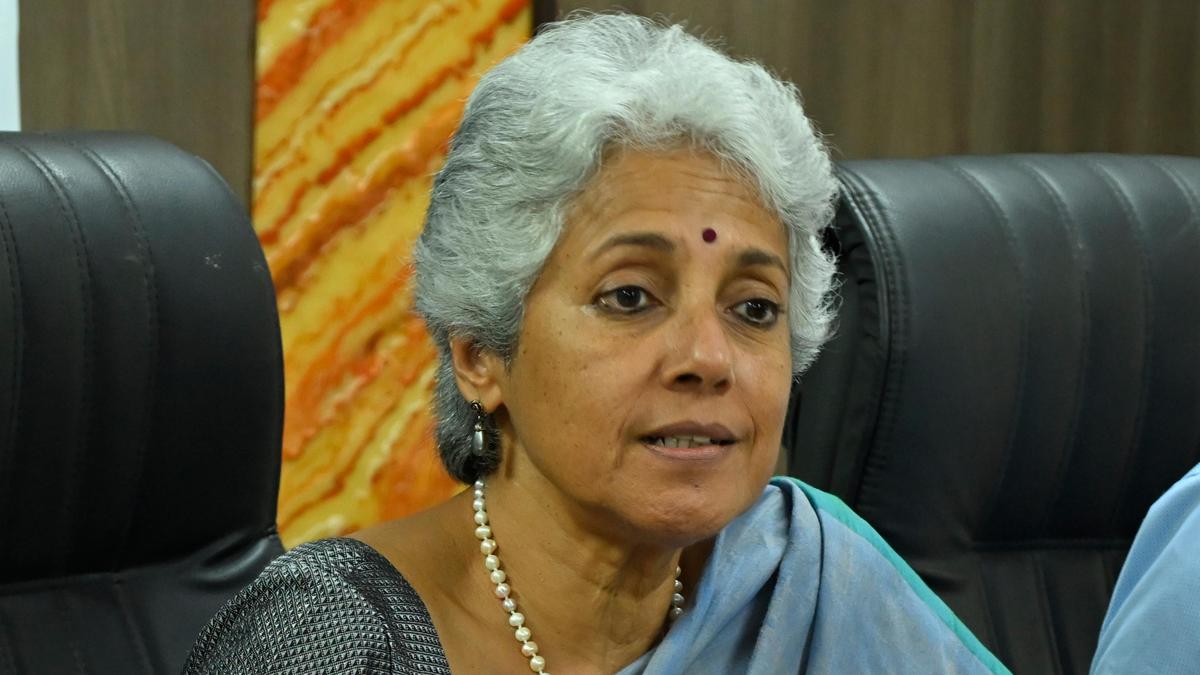
National Research Foundation (NRF) board member Professor Glenda Gray has been inducted as a Fellow of the world’s oldest and one of its most prestigious academies of sciences – the UK’s Royal Society. This was founded in 1660 and its list of Fellows and foreign (that is, non-British and non-Commonwealth) members included virtually all, if not all, of the great scientists of the past 366 years. Gray, who could now put the letters FRS after her name, was elected to the Society last year, but formally joined it this week, when she (and other new Fellows) signed the Charter Book during the Admissions Day ceremony.
Gray is ranked as an A-rated scientist by the NRF. Her background is as a medical doctor and paediatrician, and she has become an internationally distinguished clinician-scientist. Her research into HIV was groundbreaking and helped prevent the transmission of HIV-1 from mothers to infants. Her work also led to the development of HIV prevention for women by means of vaccinology and antiretroviral prophylaxis. She has also undertaken research into Covid-19 vaccines, and helped confirm the safety and effectiveness of Covid-19 vaccines in South Africa.
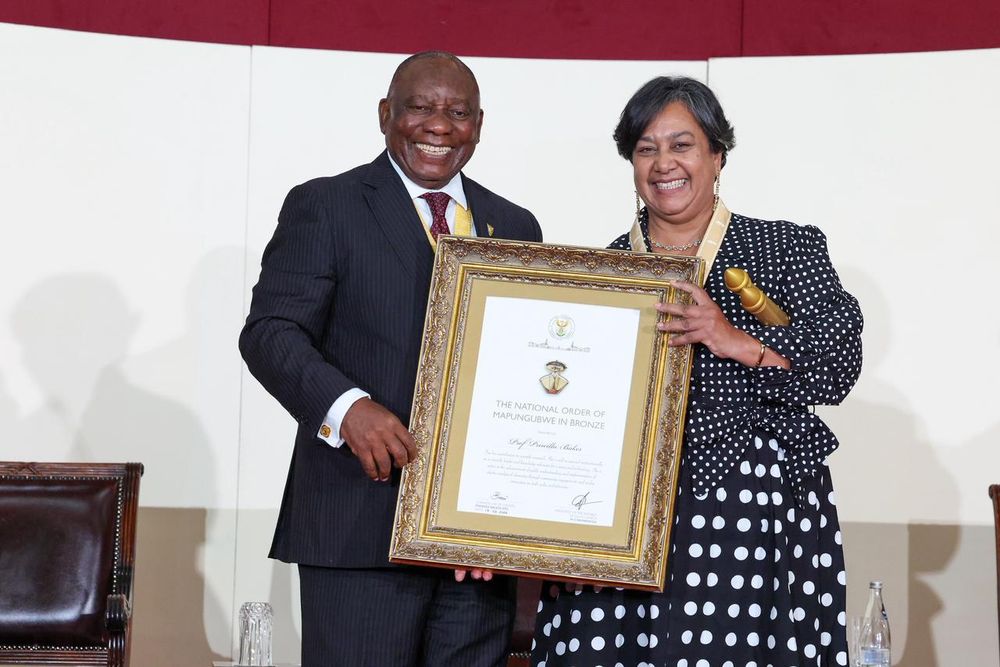
In recognition of her pioneering work regarding the prevention of paediatric HIV, Gray has been awarded the Order of Mapungubwe and the Nelson Mandela Health and Human Rights Award. In acknowledgement of her research into HIV, she has also been featured as one of Time magazine’s 100 Most Influential People in the World and of Forbes magazine’s Top 50 Women in Africa. She has been awarded honorary doctorates of science by Stellenbosch University and by Canada’s Simon Fraser University, and an honorary doctorate of laws by Rhodes University.