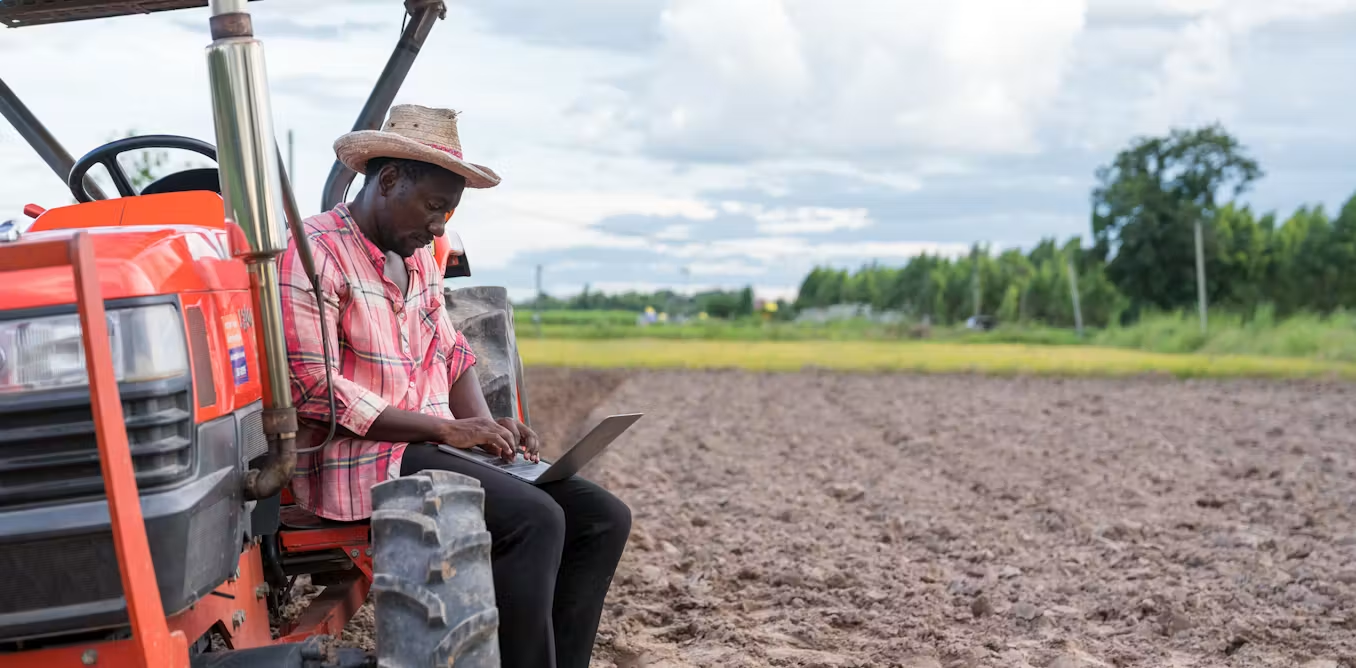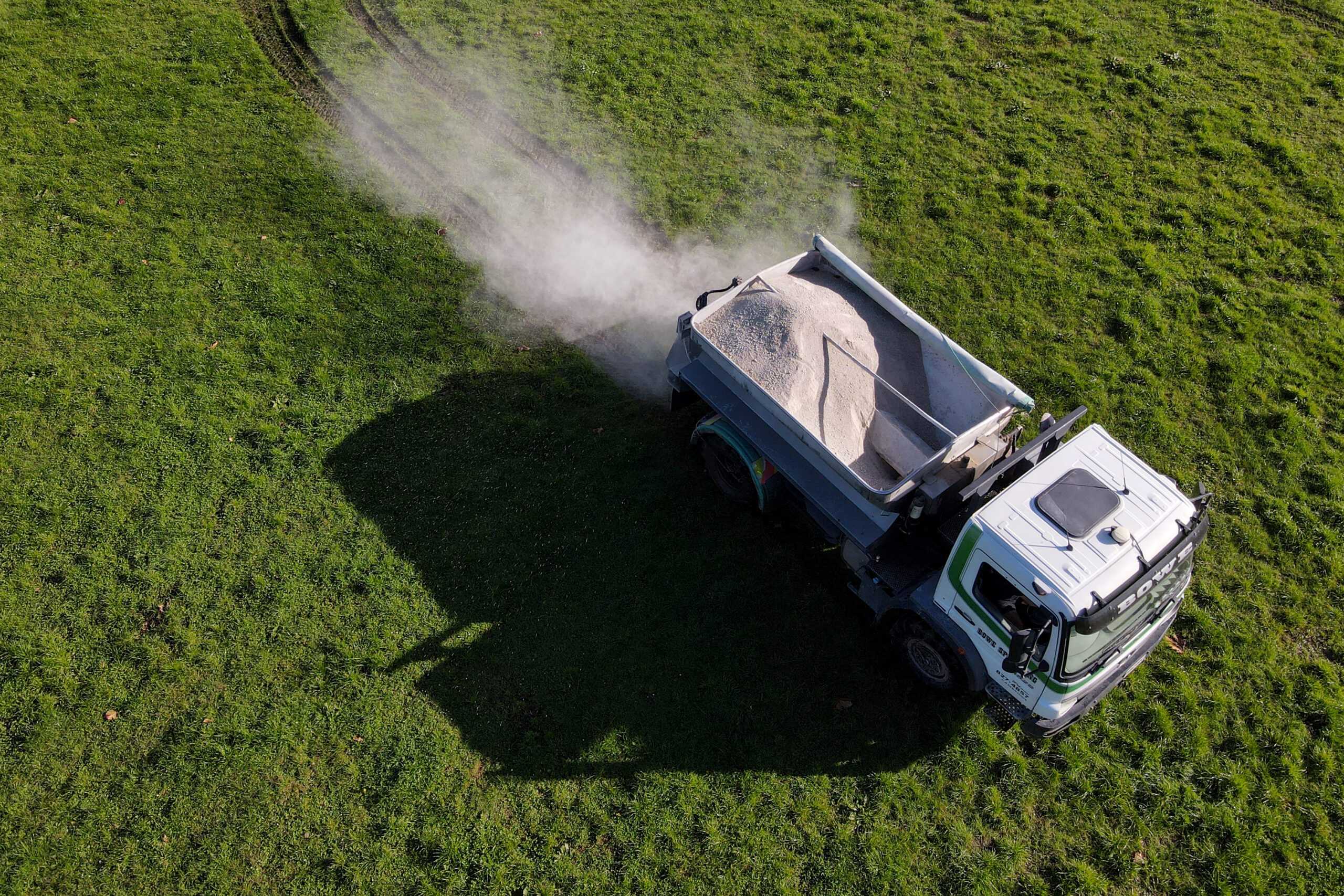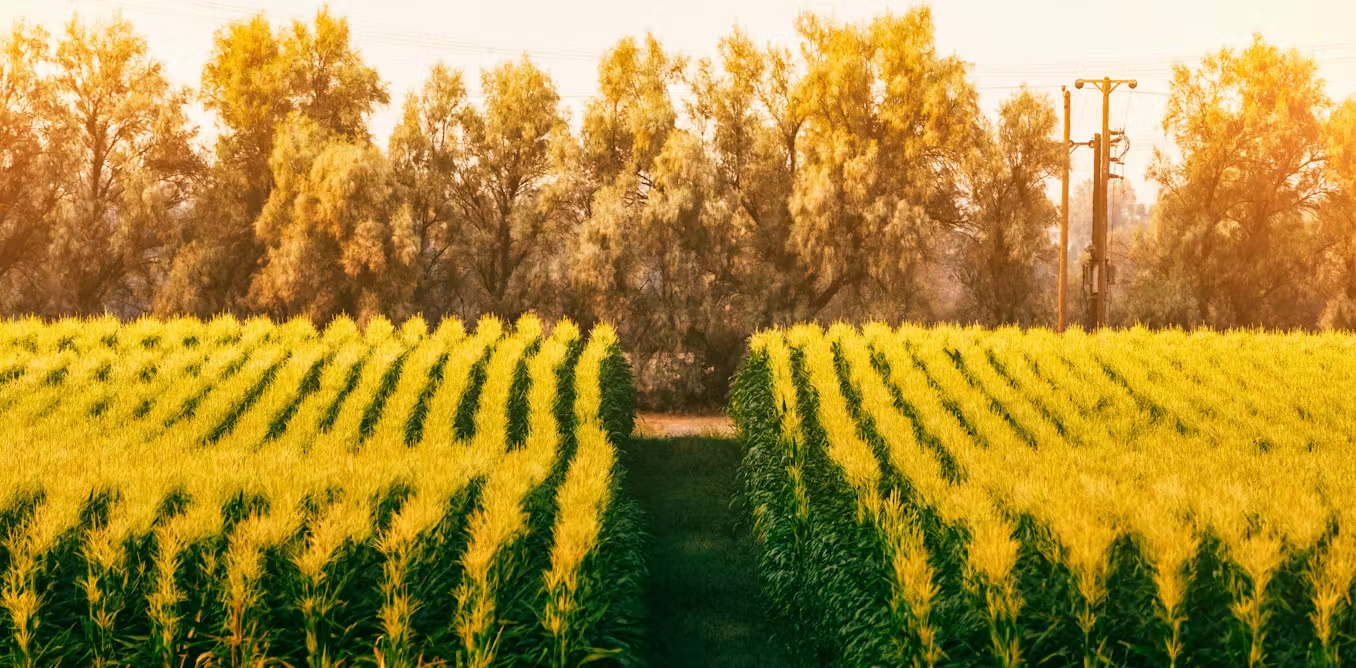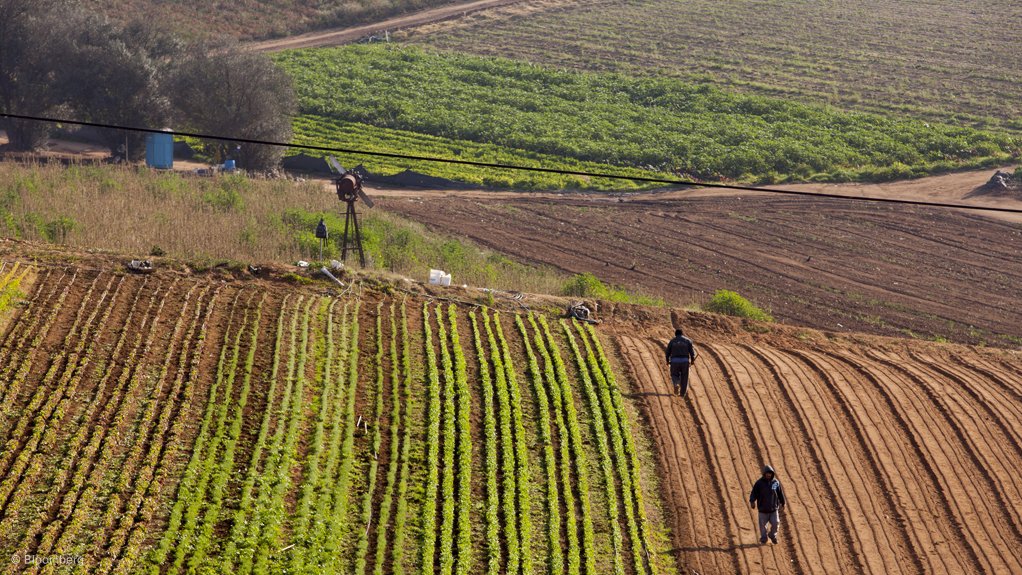
Sub-Saharan Africa remains one of the world’s most important future sources of agriculture supply growth, with the region holding about 60% of the world’s uncultivated arable land.
According to research agency BMI, sub-Saharan Africa has robust acreage potential, with an estimated expansion potential of about 200-million hectares; however, substantial productivity gaps remain within existing farmland – yields are often well below global averages for key crops such as rice and other grains.
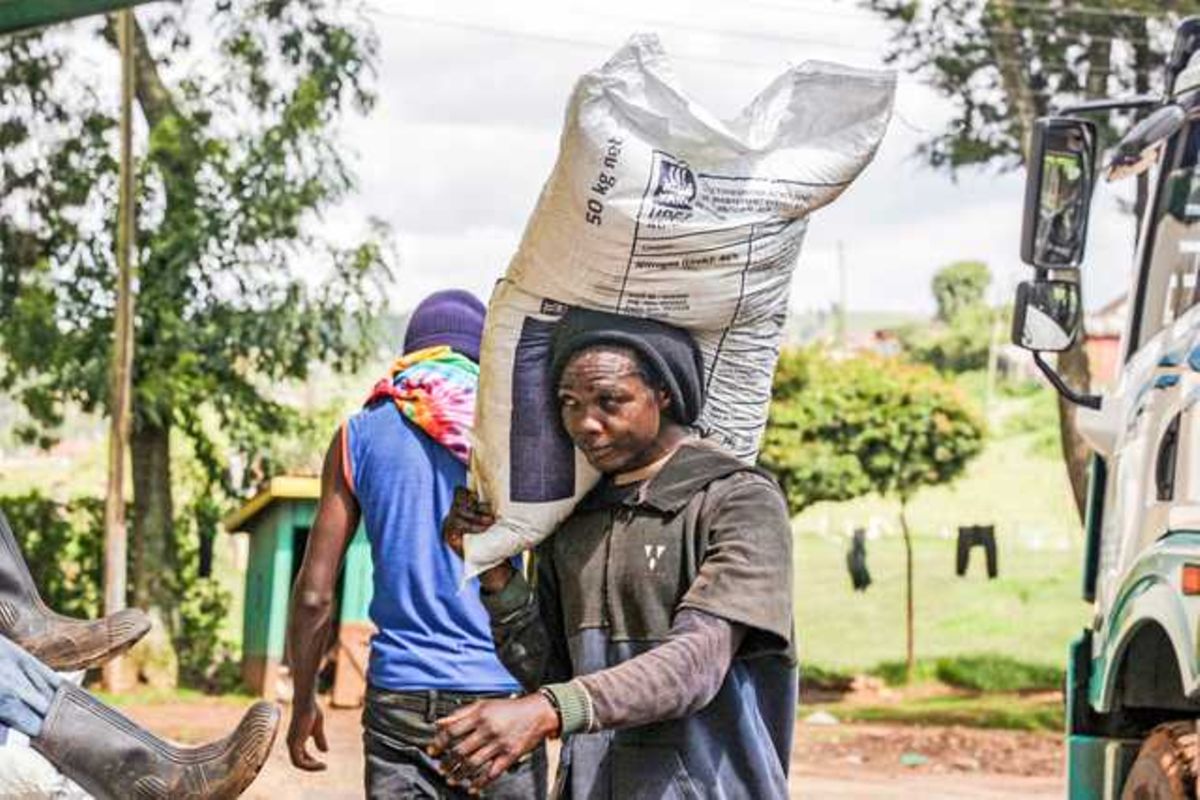
Other factors hampering growth in sub-Saharan African agriculture include minimal irrigation coverage, low fertiliser use and rain-fed agriculture, in addition to the global climate risk that will disproportionately impact this region.
BMI commodities analyst Bin Hui Ong says improved farming practices, input use and infrastructure can translate into meaningful production gains in sub-Saharan Africa. “Securing land tenure, expanding access to finance, building logistics and irrigation infrastructure and strengthening institutional frameworks are crucial,” she adds.
Ong emphasises that sub-Saharan Africa’s underutilised land is an increasingly important consideration for global supply. “The region’s long-term importance to global agriculture supply is difficult to ignore but growing output in the region is a multi-decade proposition,” she states.