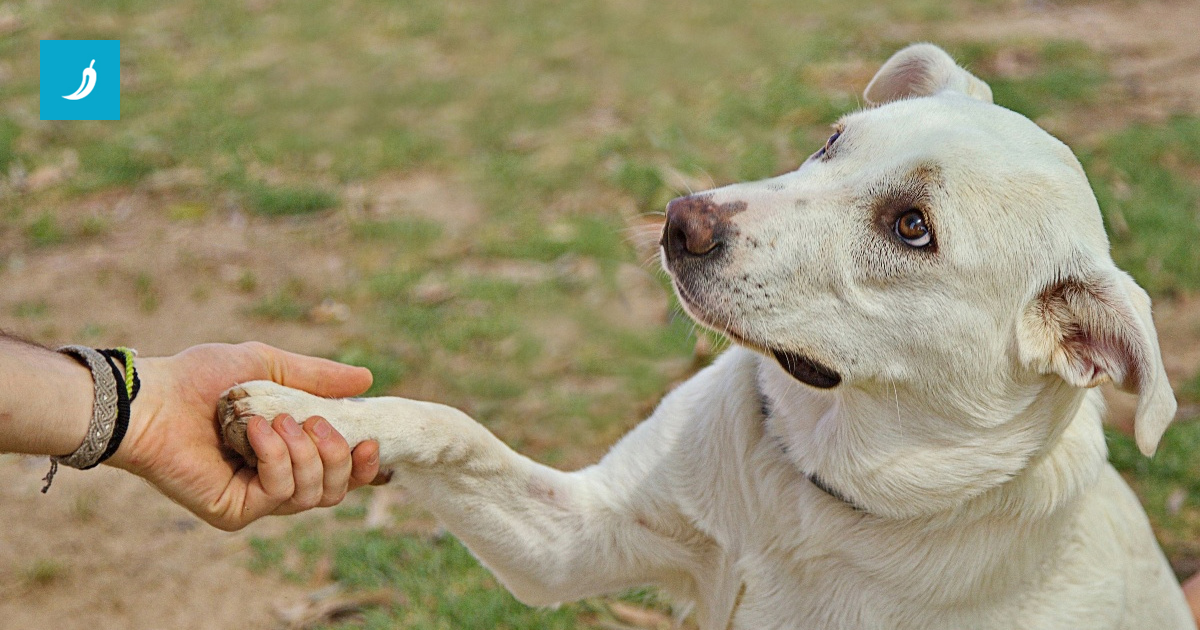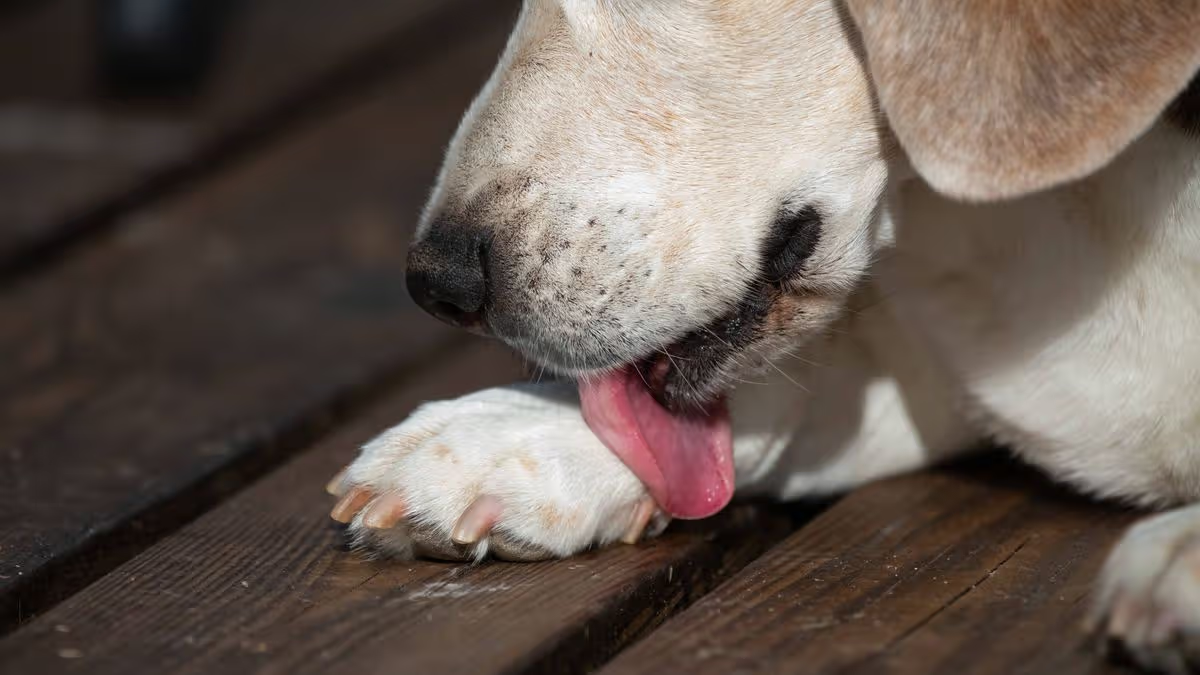
A dog’s paws can be surprisingly revealing when it comes their well-being.For veterinarians, they’re often one of the first check-in points during a health assessment, since paws touch every surface and can offer early clues to issues like environmental or food allergies, skin infections or pain elsewhere in the body. However, pet owners often overlook them on a daily basis.According to Dr. Tom Vega, founder and chief medical officer of the mobile vet service Concierge Companions Vet Med and ambassador at Roo, a digital platform for veterinarians, healthy paw pads should be resilient, smooth and free of significant injuries. Their color should also align with a dog’s natural pigmentation, whether that’s black, pink, brown or a mix. “They should be thick enough to provide cushioning and protection without appearing swollen or overgrown,” he said.The same goes for a dog’s nails. Dr. Kathryn Dench, chief scientific adviser at Paw Origins, a pet products company, said healthy nails should be smooth, firm and evenly shaped, without splitting, crumbling, flaking or deep grooves. Nail color can range from clear or white to brown or black, depending on the dog’s natural pigmentation. “The growth pattern should be fairly even across the paws, though the dewclaws often grow faster because they don’t make contact with the ground,” she explained.As a general guideline, Dench said a dog’s nails shouldn’t be so long that they click on hard floors or cause the toes to spread. “Long nails can change how a dog bears weight through the paw, a bit like walking in shoes that tip the toes upward all day,” she noted. Jacob Wackerhausen via Getty ImagesA dog's breed and activity level are just some of the factors that contribute to paw — and overall — health.The Clues Your Dog’s Paws Reveal About Their Overall HealthAccording to Dench, uneven nail wear is one clue worth noticing. “For example, if one paw has much shorter or more scuffed nails, that may suggest the dog is dragging that foot or altering their gait because of pain, weakness, arthritis or a neurological issue,” she explained.The fur and skin around the paws can be just as telling. When checking between the toes, look for redness, dampness, matting, hair loss, swelling, greasy skin or scabs.”“Red-brown staining, especially in lighter-coated dogs, often signals frequent licking or chewing,” Dench said. “That licking may be linked to allergies, irritation, pain, yeast infection, bacterial infection or a foreign body such as a grass seed.”Smell can also offer clues. “A musty or yeasty odor between the toes is a common clue that the skin barrier is inflamed and microorganisms are overgrowing,” Dench added.Temperature is another often-overlooked detail. “Paw pads that feel warmer than normal may indicate inflammation, infection, allergic reactions or recent exposure to hot surfaces,” Vega explained. “Paw pads that feel unusually cold may sometimes reflect reduced circulation or other underlying health concerns.”Vega notes that temperature changes alone aren’t diagnostic, but they can be an early warning sign, especially when paired with other symptoms.Because paws are a dog’s direct link to the world, environmental conditions can have a real impact on their health. “In winter, ice, cold ground, grit and de-icing salts can dry, crack or irritate the pads,” Dench said. “In summer, hot pavement can burn paw pads quickly.” Seasonal allergies can also show up through the paws, with spring and fall being common flare-up periods for dogs sensitive to pollens, grasses, molds or damp leaves. Dench said wet weather can add another challenge, softening the skin between the toes and creating a warm, damp environment where yeast and bacteria can thrive. A simple habit can help reduce risk: wiping and drying paws after walks. “For allergy-prone dogs, it can reduce the amount of environmental irritants sitting on the skin,” Dench said. lechatnoir via Getty ImagesExcessive licking and nail chewing could indicate a problem with your pup's paws.Some Dogs Are More At Risk For Paw-Related Health Issues Than OthersThere are several factors that play a role in paw health.“Long-coated breeds are more prone to matting between the toes,” Dench said. “Flat-faced breeds, spaniels, retrievers, terriers and many bully-type breeds are commonly affected by allergic skin disease.” She added that dogs with compact feet or deep skin folds may be more prone to moisture buildup and infection. Age matters, too. Puppies often pick up minor cuts or foreign bodies as they explore at ground level. “Senior dogs are more likely to have arthritis, muscle loss or neurological changes that affect how they place their paws,” according to Dench, who noted that signs like uneven nail wear or slipping may reflect pain or mobility issues rather than a paw problem itself. Activity level is another key factor. Active dogs, such as hikers, beachgoers or working dogs, may develop pad abrasions, torn nails, grass seeds or interdigital cysts, while less active dogs can be prone to overgrown nails due to limited natural wear, according to Dench.The First Warning Sign Of A Paw Problem And How To CheckSometimes a dog’s behavior can be the first clue that something’s off, even before anything looks unusual on their paws. “Excessive licking at the paws is one of the most overlooked early signs of paw concerns, along with reluctance, or even aggression, to have the paws examined,” said Dr. Rebecca Greenstein, veterinary medical adviser for Rover, a pet sitting app.A weekly paw check is a simple defense tactic, helping you spot anything unusual like ticks, slivers, scrapes or lumps. “I’d be looking more frequently after activities like hiking, swimming, walking on ice or snow or hot asphalt, or returning from any unfamiliar places or uneven surfaces, or if your dog has a history of skin issues,” Greenstein said.Vega added that paw checks are easiest when they’re folded into everyday routines, like cuddle time, wiping paws after walks or during nail trims.Keeping nails at a healthy length is another easy way to support paw health. “When claws are long and overgrown, they’re exceptionally likely to get caught on things and tear, causing nail fractures and painful exposure of the delicate underlying soft tissues,” Greenstein explained.Prevention also plays a role. “During periods of extreme heat or cold, consider limiting exposure to harsh surfaces, using protective booties when appropriate, and applying a veterinarian-approved paw balm to help maintain moisture,” Vega suggested.Knowing when to involve a vet can make all the difference in keeping a small paw issue from turning into a bigger one. “A dog should see a vet promptly if they’re limping, holding up a paw, crying, bleeding or suddenly refusing to walk,” Dench said. “Owners should also book a visit if there’s swelling, discharge, a bad smell, a broken or torn nail, a visible wound, a lump between the toes or anything embedded in the paw.” She also pointed out that if paw licking lasts more than a day or two, keeps coming back or starts interfering with sleep, it’s worth getting it checked out. “Paw problems can look minor from the outside while being very uncomfortable for the dog,” Dench said. “I’d rather see a mild paw issue early than a dog who has licked the skin raw and developed a secondary infection.”
Vets Wish More Dog Owners Paid Attention To This Simple — But Important — Health Check
If you aren't scanning this area on your pet regularly, it's time to start.
1,191 words~5 min read