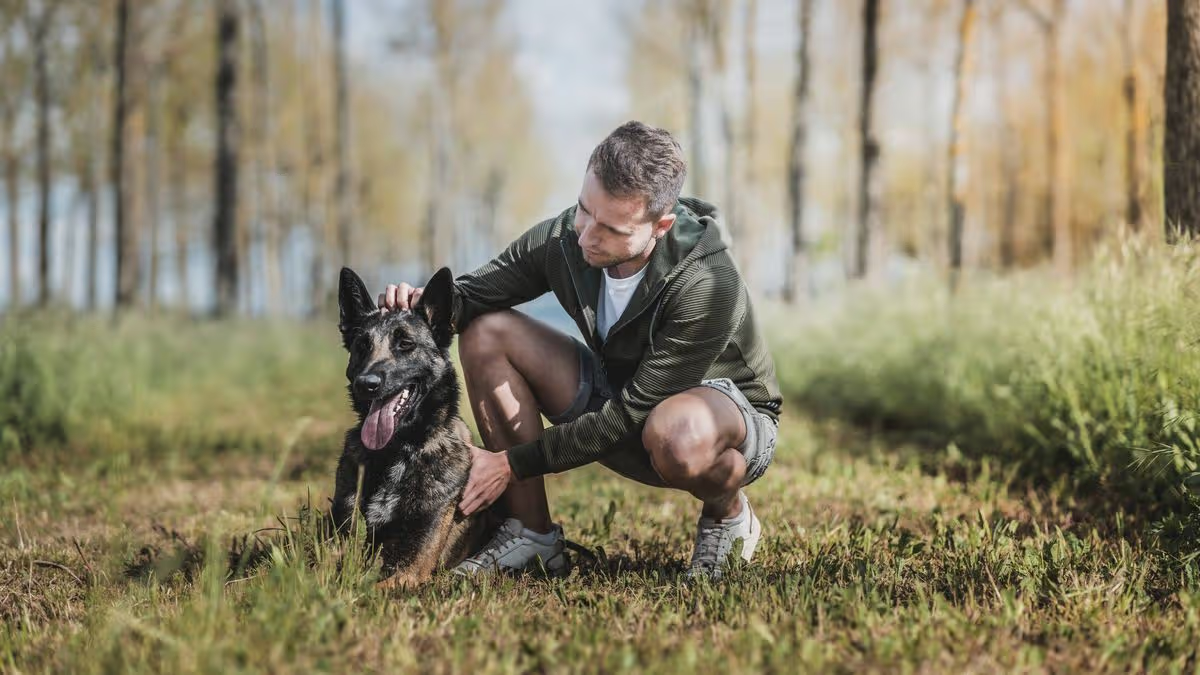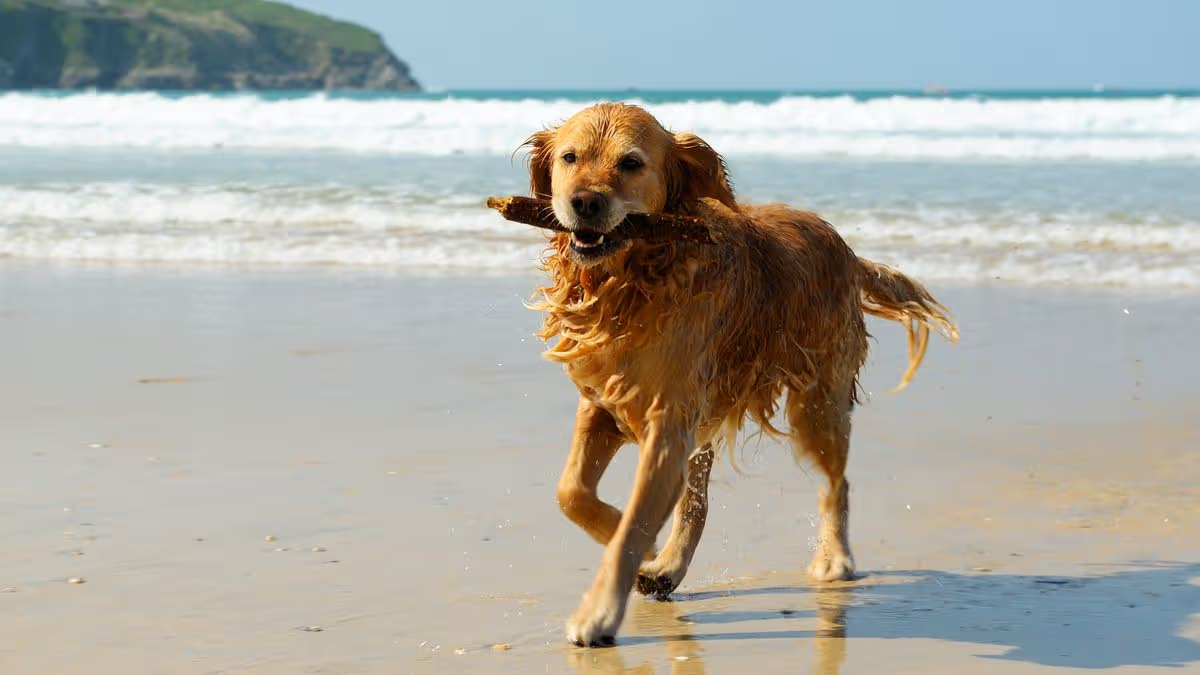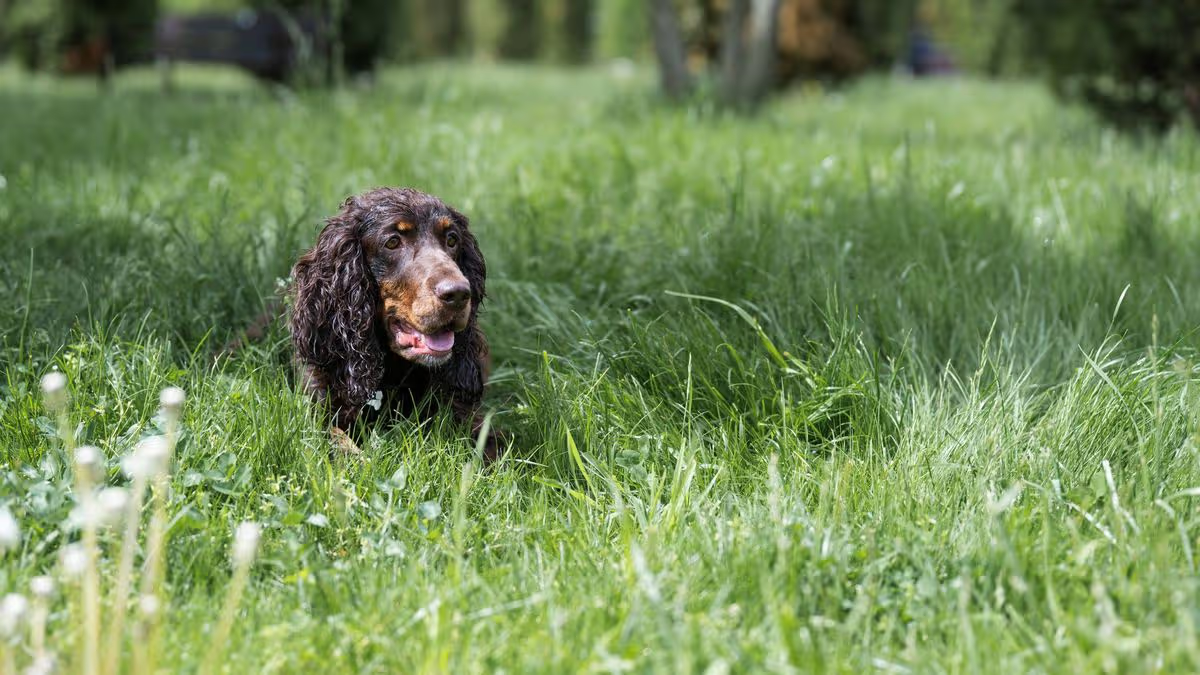
The peak summer parasite season is starting08:19, 24 May 2026Milder conditions and extended walks can spark a dramatic spring surge in fleas, ticks and worms, with a vet warning that numerous dog owners fail to recognise the symptoms until infestations have already established themselves.Dr Sean McCormack, head vet at dog food subscription brand Tails.com, has outlined the most significant parasite threats dog owners encounter during summer, the warning indicators many people overlook and the straightforward measures that can help safeguard dogs throughout peak parasite season.Examine for ticks straight after every walkDr McCormack said: "Ticks are something many owners still underestimate, especially during warmer months when dogs are spending more time in long grass, woodland and parks. The problem is that ticks don't just irritate; they can also carry infections which may affect both pets and humans. Because they attach so quietly, owners often don't realise their dog has picked one up until much later."One of the best habits owners can build during summer is doing a quick full-body check after walks, especially if their dog has been through grass or dense vegetation. Catching ticks early makes a huge difference."Don't presume fleas are solely an outdoor concernDr McCormack said: "Warmer summer conditions create the perfect environment for fleas to multiply and once they're inside the home, they can quickly spread through soft furnishings. One flea can turn into a much larger infestation because eggs don't just stay on the animal; they fall into carpets, bedding and furniture, where they continue developing unnoticed."A lot of dogs won't immediately show dramatic symptoms, particularly in the early stages. That's why prevention and regular checks are so important during warmer months."Be alert to subtle worm warning signsDr McCormack said: "During spring and summer, dogs naturally explore more. They're interacting with more animals, drinking from puddles or stagnant water, and spending longer outdoors, all of which can increase parasite exposure."Many owners don't realise worms aren't always obvious. Dogs can carry intestinal parasites without immediately showing severe symptoms."Subtle signs such as low energy, digestive upset, scooting, bloating or changes in appetite can sometimes point to underlying parasite issues. Routine worm prevention and regular veterinary advice are especially important during periods when dogs are socialising and exploring more frequently."Bolster resilience through daily nutritionDr McCormack explained: "A dog's immune system and overall resilience are heavily influenced by their general health. Good nutrition won't prevent parasites on its own, but it can support skin condition, energy levels and recovery if a dog does become unwell."Dogs with poor nutrition or underlying health issues may struggle more with skin irritation, inflammation or recovery from parasite-related problems."Use parasite treatments responsiblyDr McCormack advised: "Preventative treatments are important, but owners should also be mindful about using them responsibly and following veterinary advice carefully. There's growing awareness around the environmental impact some parasite medications can have, especially if products wash off into waterways after swimming or bathing."Simple habits can help reduce environmental impact too, such as avoiding allowing dogs to swim immediately after certain treatments if advised by your vet and only using medications that are genuinely needed rather than automatically doubling up on products."Article continues belowDo a quick daily summer parasite checkDr McCormack noted: "A quick two-minute check after walks can genuinely make a difference. Looking through your dog's coat, checking paws and ears, washing bedding more regularly during summer and monitoring scratching or skin changes can help owners spot problems more easily."Parasites are much easier to manage when caught early, and summer is when owners need to be most switched on because exposure increases so significantly."
Vet says 'check after every walk' with 'higher parasite risk'
The peak summer parasite season is starting
592 words~3 min read