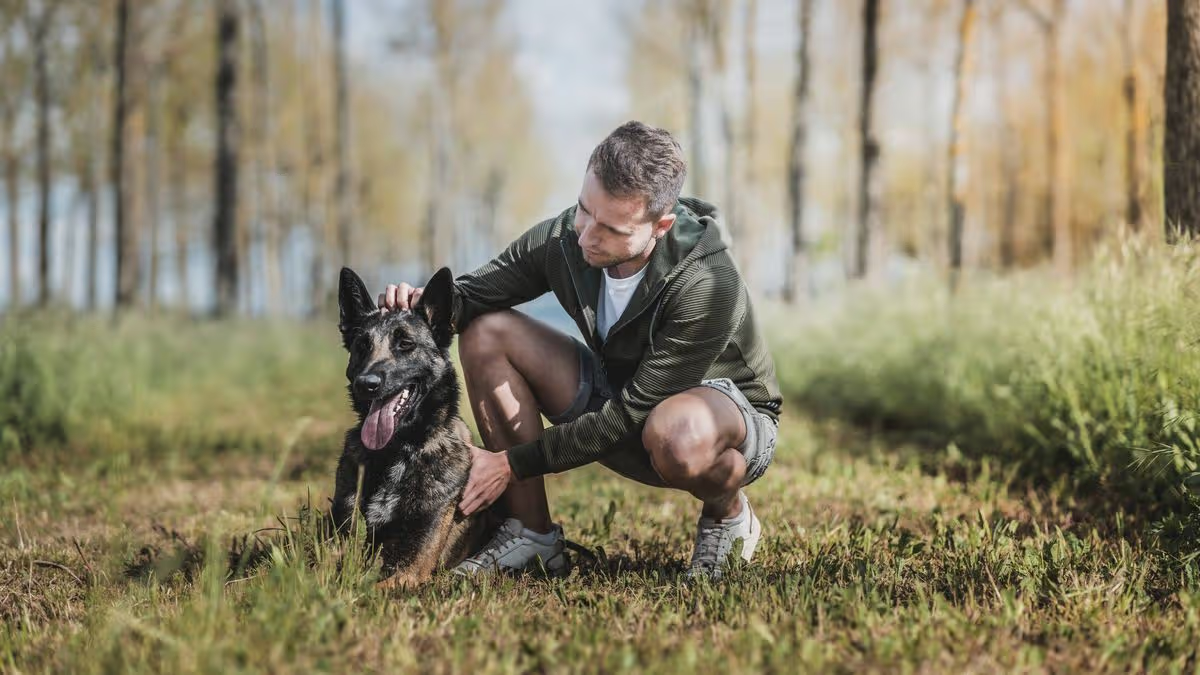
Dog owners are being warned to stay vigilant during woodland walks in June after multiple dogs were admitted to a vet hospital with adder bites12:52, 15 Jun 2026June is a lovely month to walk your dog – with long, bright days and glorious warm sunshine making parks, fields and woodland trails perfect for an afternoon stroll. That said, there are several hazards you should be aware of before heading out with your pet.You should keep in mind that June is a high-risk period for adder bites, as the snakes are often out basking during sunny spells. For that reason, extra caution is advised when venturing outdoors.Adders typically measure around 50cm-60cm in length and commonly display a dark zig-zag pattern along their back. Although they are generally timid and tend to avoid people, they may strike if they feel threatened, startled or are accidentally trodden on.It is exceptionally uncommon for an adder bite to prove fatal to a human. But unfortunately, the same can't be said for our cherished pets.Nine Mile Veterinary Hospital & MiNight Vet Wokingham issued a warning to residents in Reading after several dogs were admitted to the hospital suffering from adder bites following woodland walks.In a Facebook post, the veterinary hospital said: "If you're walking your dogs in forest areas such as Buckler's Forest, etc., please keep a close eye on your dog, we have had multiple patients admitted to our hospital due to receiving Adder Snake Bites. However, we do not know the precise location of each."This issue isn't limited to the Reading area, as adders are found throughout England, Wales and mainland Scotland. You're most likely to spot them on sunny banks, along path edges, and in bracken, heather, long grass, sand dunes and heathland.To keep your pets safe, avoid letting them dash through dense undergrowth or rummage through piles of logs or rocks.It's also worth ensuring your recall commands are well practised, as this can help bring your dog back to you swiftly should they find themselves in any danger.What do experts say about adder bites on dogs?The PDSA advises: "Adders tend to keep themselves to themselves and don't bite unless they are scared. Unfortunately, dogs tend to approach them without fear, startle them and get bitten."If your dog is bitten by an adder, their symptoms will depend on where the bite is and where the venom spreads to."If the venom stays in the tissues around the bite, it will cause pain and swelling, but if it spreads further and gets into the bloodstream, it can cause much more serious problems such as damage to the liver, kidneys, heart and nervous system."If venom is injected straight into the bloodstream, it can cause death very quickly. It can also be very serious if your dog is bitten on the face or neck because swelling can lead to breathing problems."With treatment, most dogs make a full recovery, but sadly, in some cases, adder venom can cause severe illness and even death. The quicker your dog is treated, the better their outlook. Any dog with a suspected adder bite should be seen by a vet ASAP."What to do if your dog is bitten by an adderThe PDSA advises dog owners to remain calm and keep their pets as still as possible to prevent venom from spreading throughout the body.Leave the wound untouched and refrain from applying a bandage or tourniquet. Contact your vet immediately to alert them that you are on your way to the practice.Article continues belowRather than walking your dog, carry them to your vehicle to help minimise their movement.Your vet will then be able to advise on the most appropriate course of treatment. This typically includes strong pain relief, fluid drips, anti-histamines – or, in more serious cases, anti-venom.
Vet issues alert to dog owners doing forest walks after pets hospitalised
Dog owners are being warned to stay vigilant during woodland walks in June after multiple dogs were admitted to a vet hospital with adder bites
TL;DRAI
UK veterinary hospital Nine Mile Vet warned of multiple adder bite incidents in dogs during June forest walks. Adder venom can rapidly cause organ damage and death if untreated; pet owners must seek immediate veterinary care and avoid dense undergrowth.
625 words~3 min read