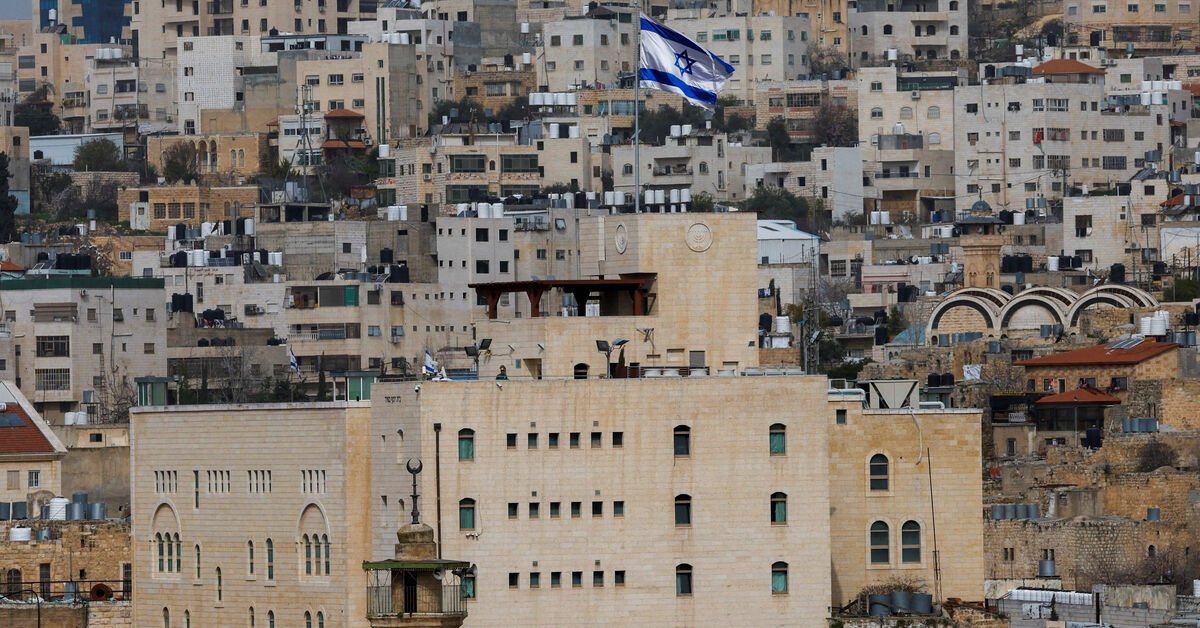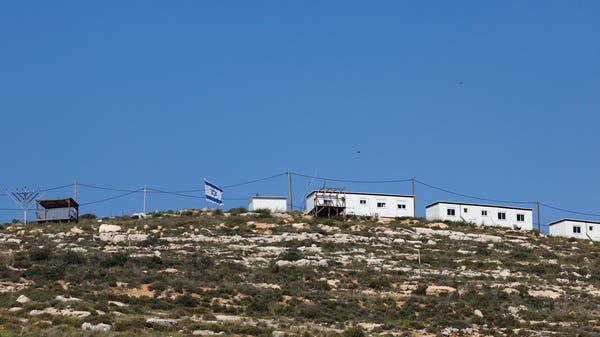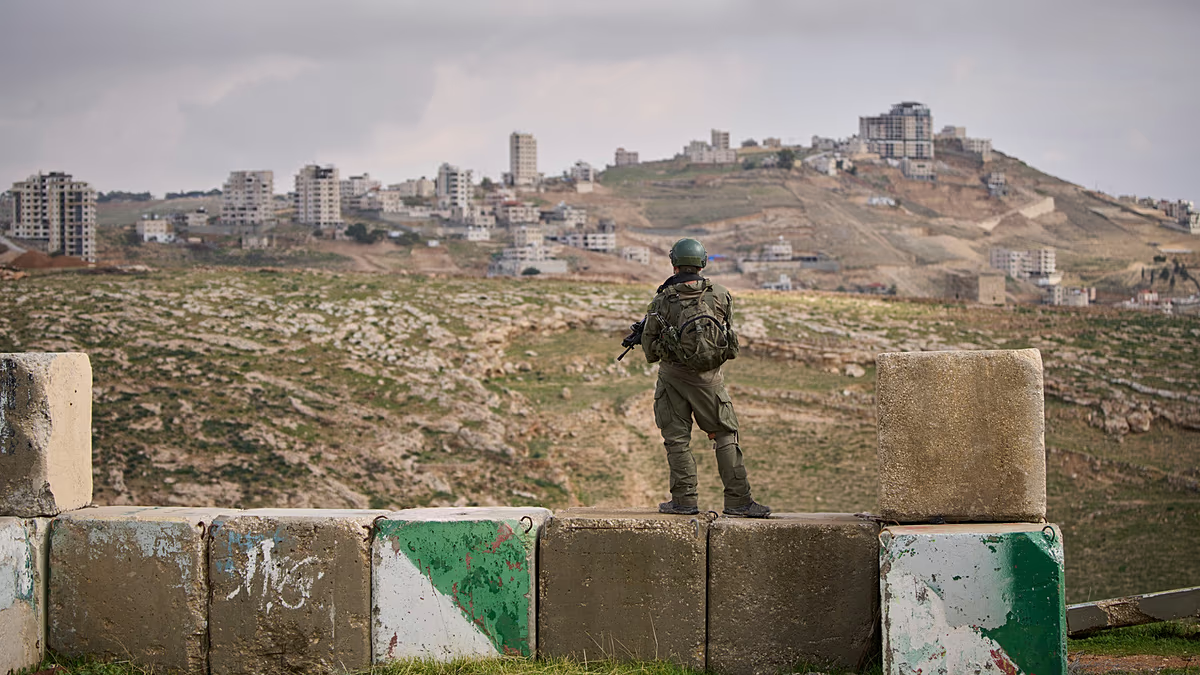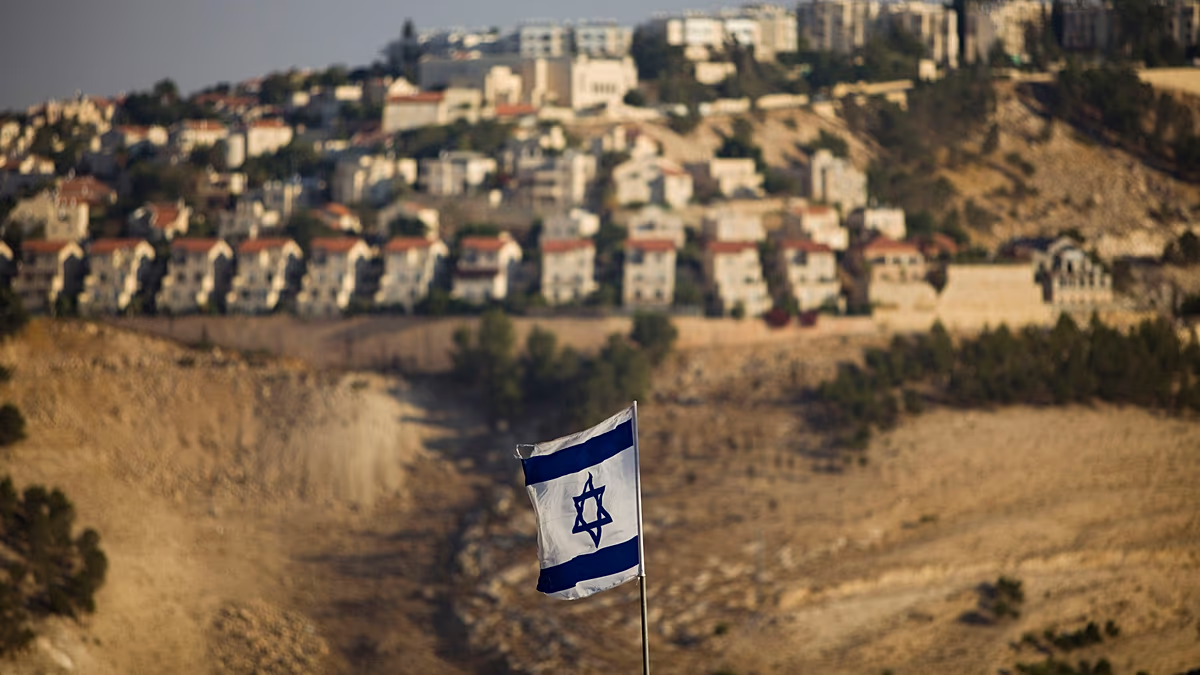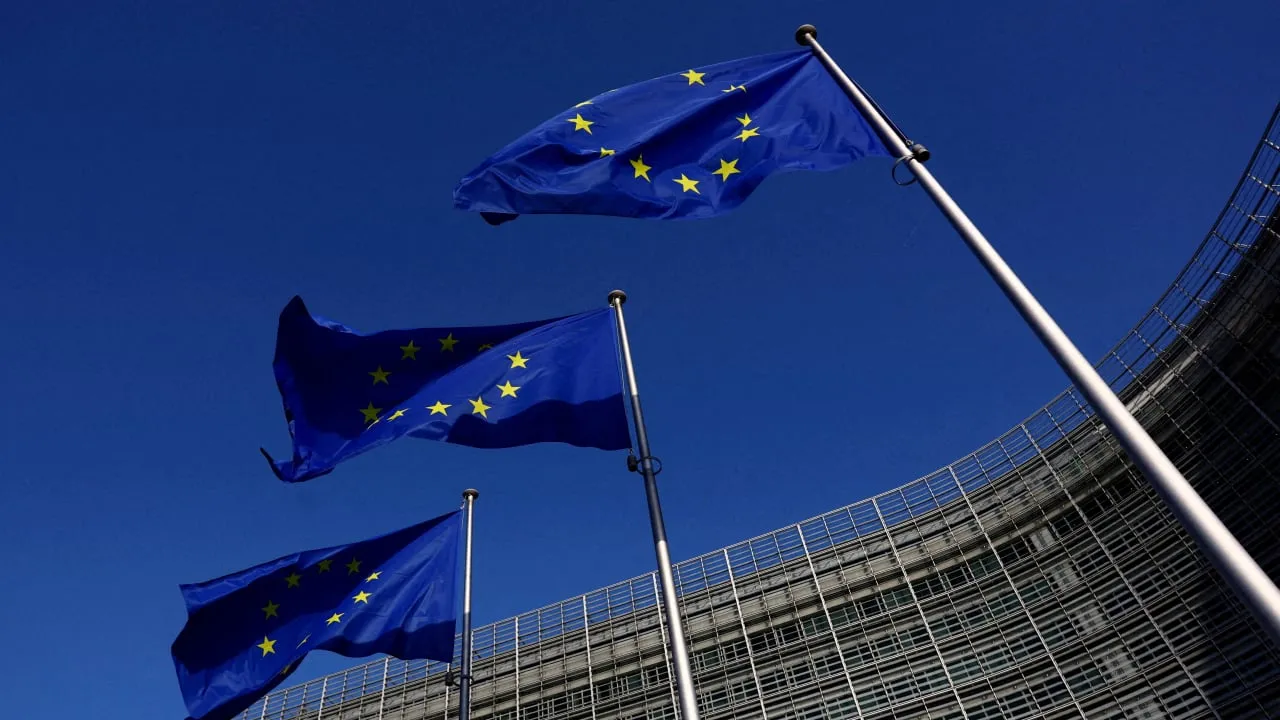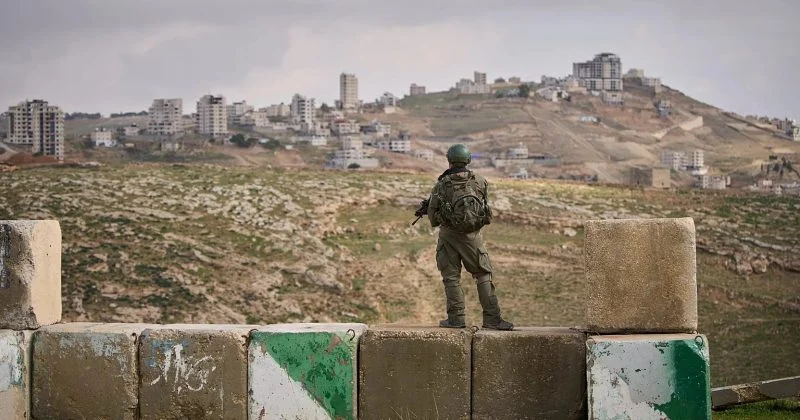
EU foreign ministers are gathering in Brussels on Monday to debate whether to impose trade restrictions on goods produced in Israeli settlements in the occupied West Bank. The meeting is exploratory, not a vote. But with roughly 20 member states pushing for action, the conversation has moved well past the hypothetical stage.
The European Commission has prepared a confidential options paper laying out three paths forward: an import licensing system, elevated tariffs designed to make settlement goods less competitive, or a full or partial import ban. None of those outcomes are expected Monday. The point is to take the temperature of the room.
What’s actually on the table
The trade itself is not enormous. EU imports from Israeli settlements clock in at an estimated €230 million annually, consisting mostly of agricultural products.
The discussion follows a 2024 International Court of Justice advisory opinion that questioned the legality of economic ties to Israeli settlements. It also builds on sanctions the EU adopted in May 2026, targeting seven individuals and entities linked to settler violence against Palestinians in the West Bank.