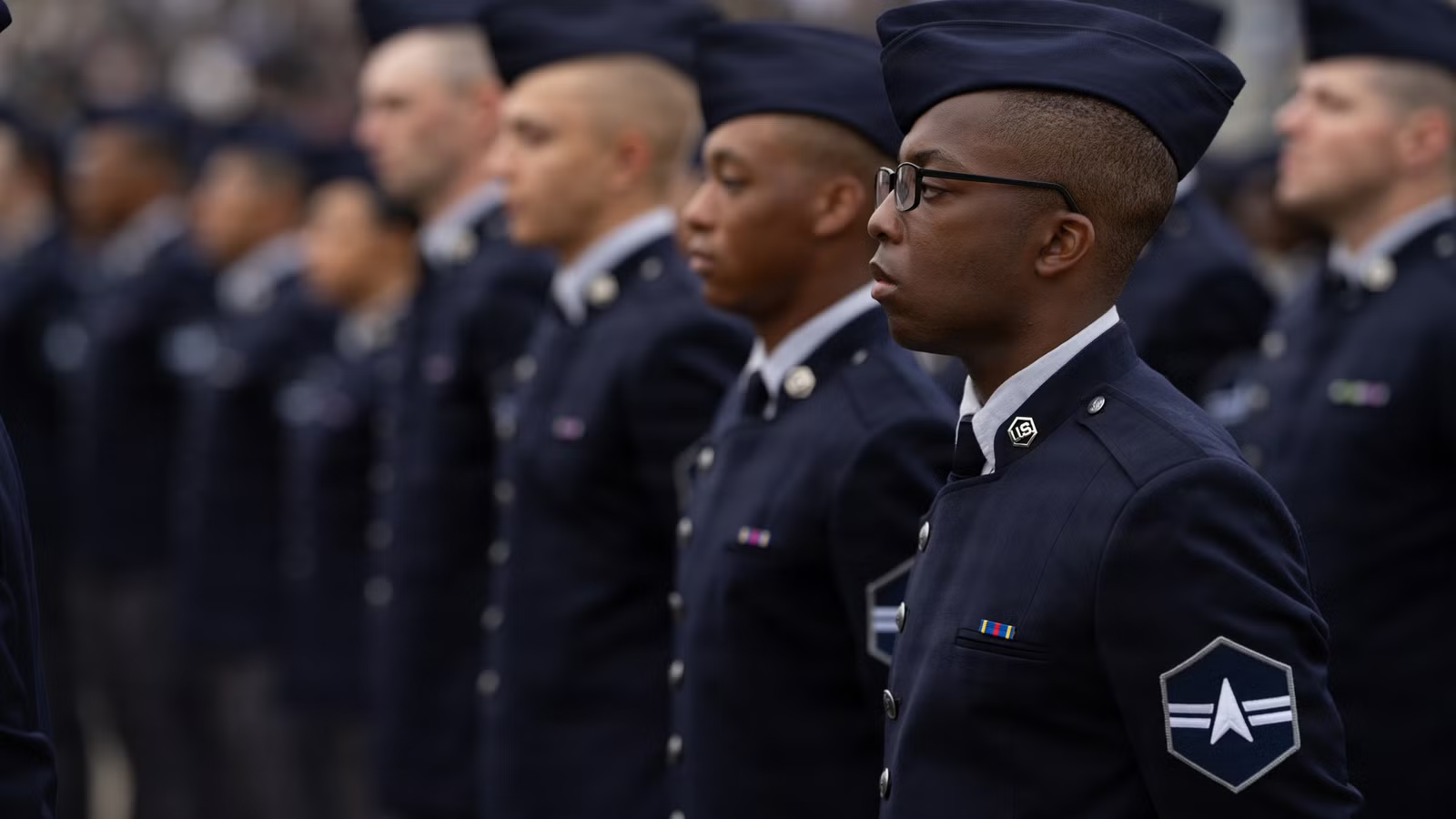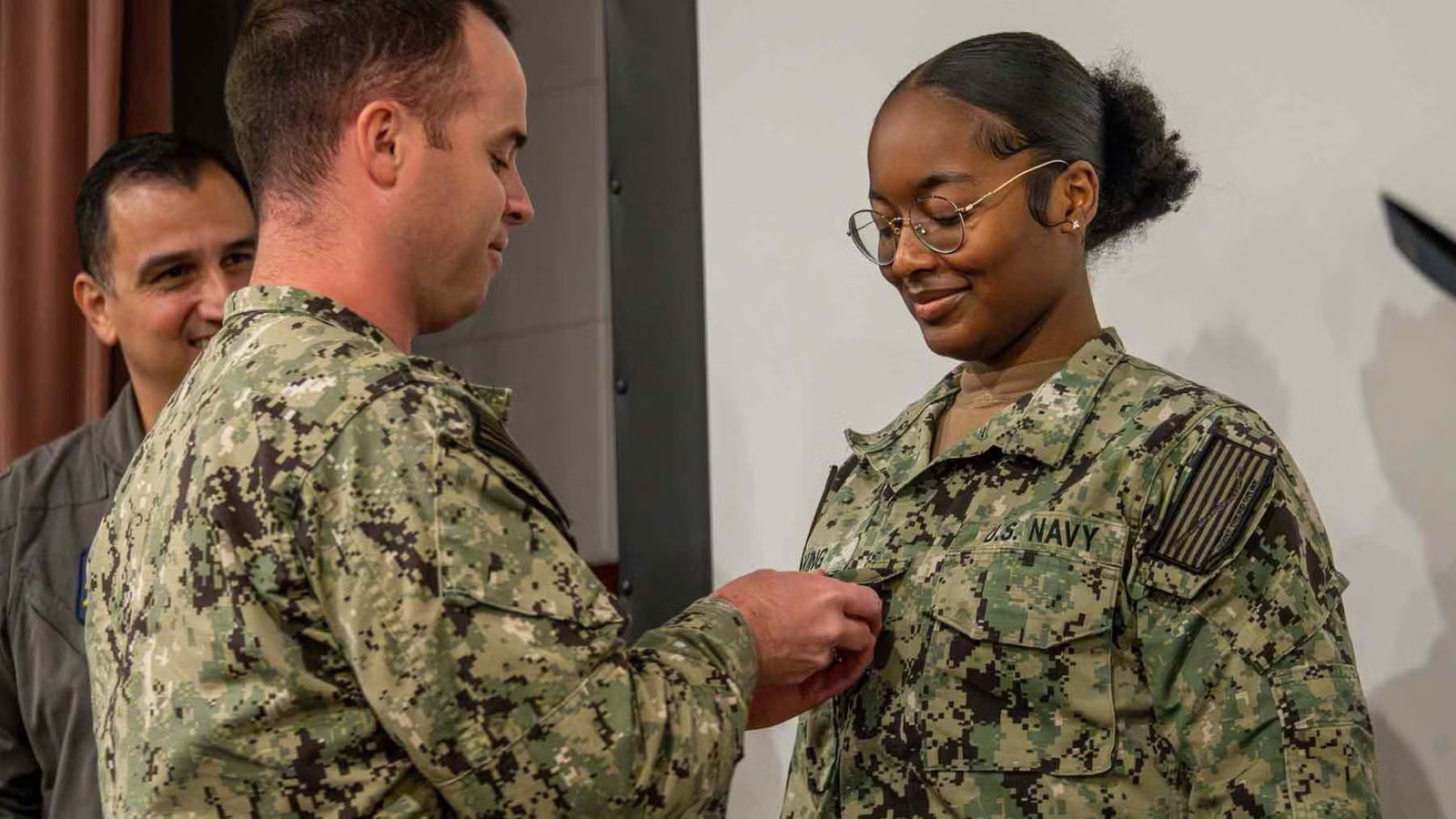
Enlisted sailors form the foundation of the U.S. Navy, carrying out the vital, day-to-day work that keeps the fleet mission-ready. They are trained in a wide variety of specialties, from engineering, aviation and medical support to intelligence, communications, logistics and administration. Enlisted Navy levels are a little different from the other U.S. military services, which organize service members according to ranks. By contrast, the Navy organizes its force according to rates, although it also follows the same E-1 to E-9 pay grade structures as the other services. A sailor’s “rating” refers to their job specialty, while their “rate” reflects both their rating and their pay grade. “The U.S. Navy's unique rank structure can be confusing,” according to Nicholas Roland, historian, Naval History and Heritage Command. “The history of Navy ranks is equally complicated and includes an assortment of ranks that no longer exist and some that have disappeared, reappeared and disappeared again.”
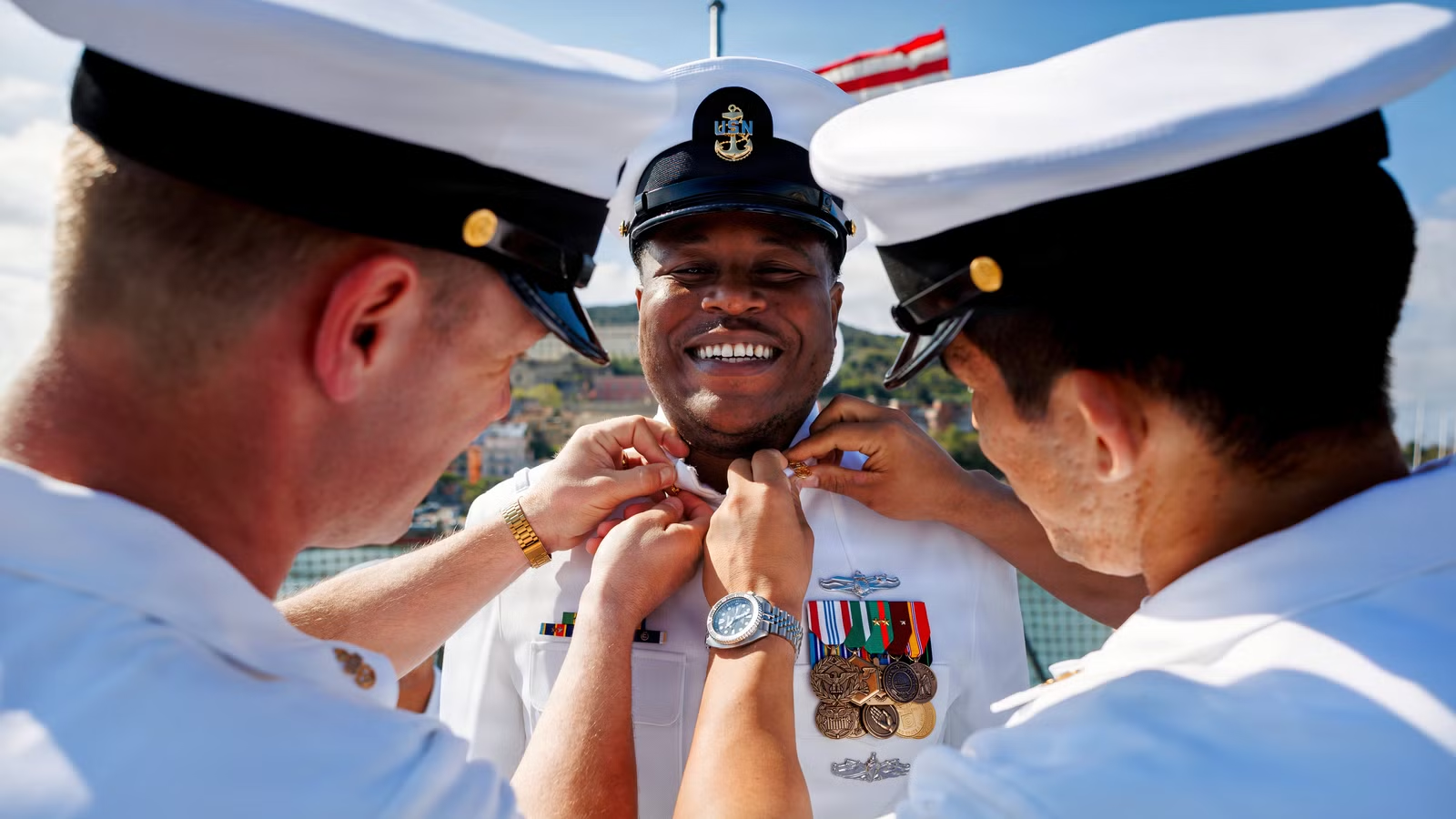
As sailors advance in rate, their responsibilities grow, along with their role in ensuring the success of the mission. Promotion from E-1 through E-3 is now automatic after set periods of time in service, and as of July 2024, sailors are also automatically advanced to petty officer third class (E-4) after 30 months of service, provided they retain their commanding officer’s endorsement and meet conduct and performance standards. Certain technical fields and Professional Apprenticeship Career Track (PACT) sailors continue to follow tailored timelines. Those who rise to become petty officers and chief petty officers take on expanded duties in leadership, mentorship and technical expertise, guiding junior sailors. Commissioned officers are the Navy’s strategic leaders and decision-makers. They command ships, squadrons and units; plan missions; and manage people and resources. Officers typically enter through Officer Candidate School (OCS), the Naval Reserve Officers’ Training Corps (NROTC) or the U.S. Naval Academy in Annapolis, Maryland. Their leadership begins at the division level and can progress to commanding entire fleets and shaping the Navy’s future at the highest levels.