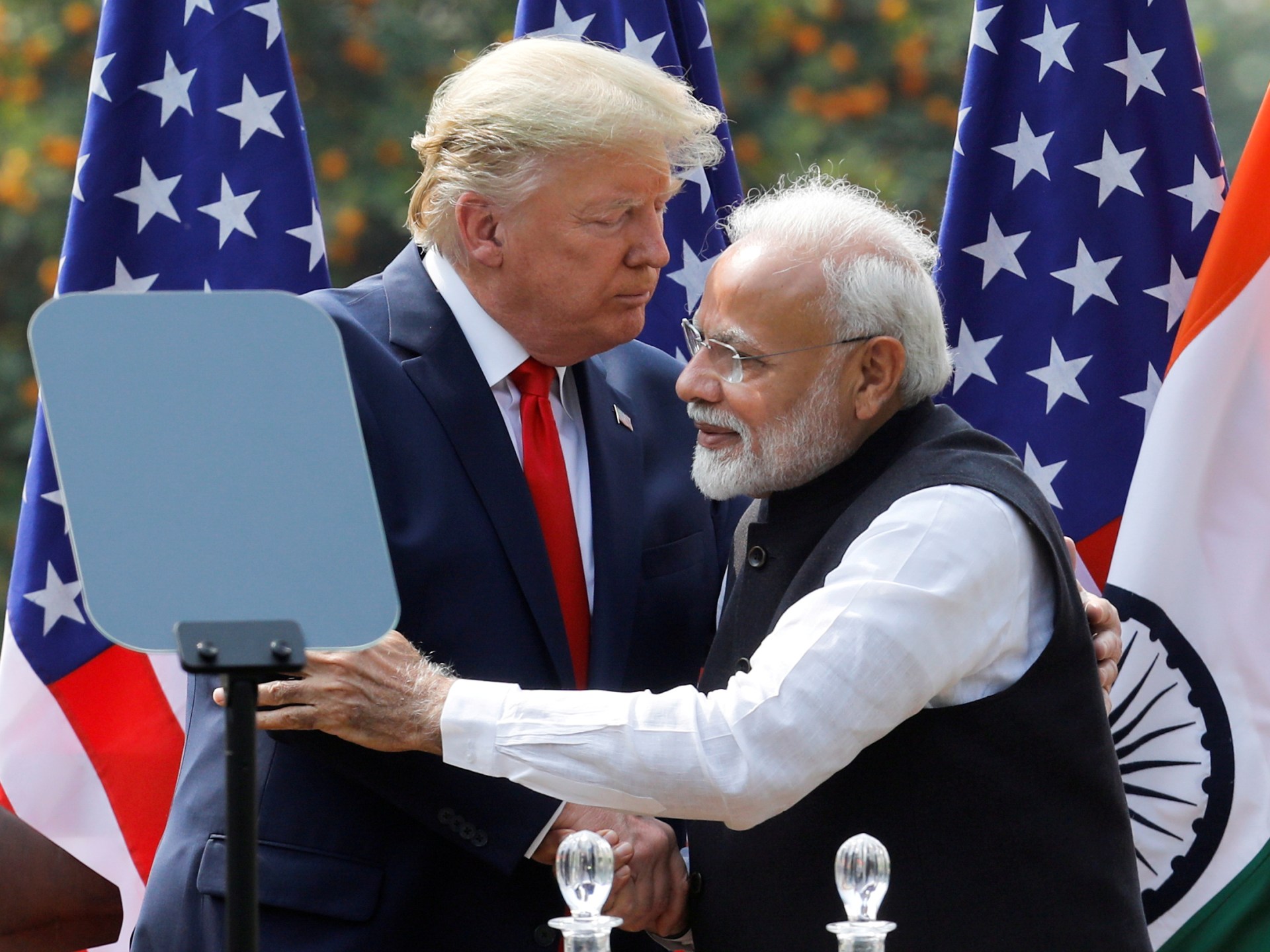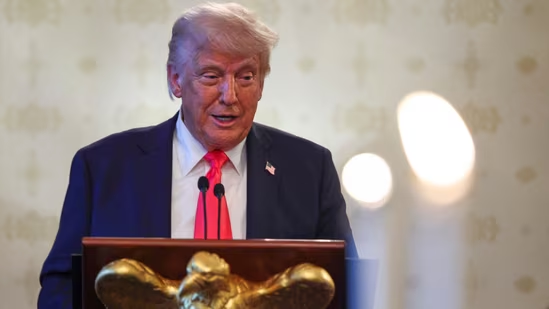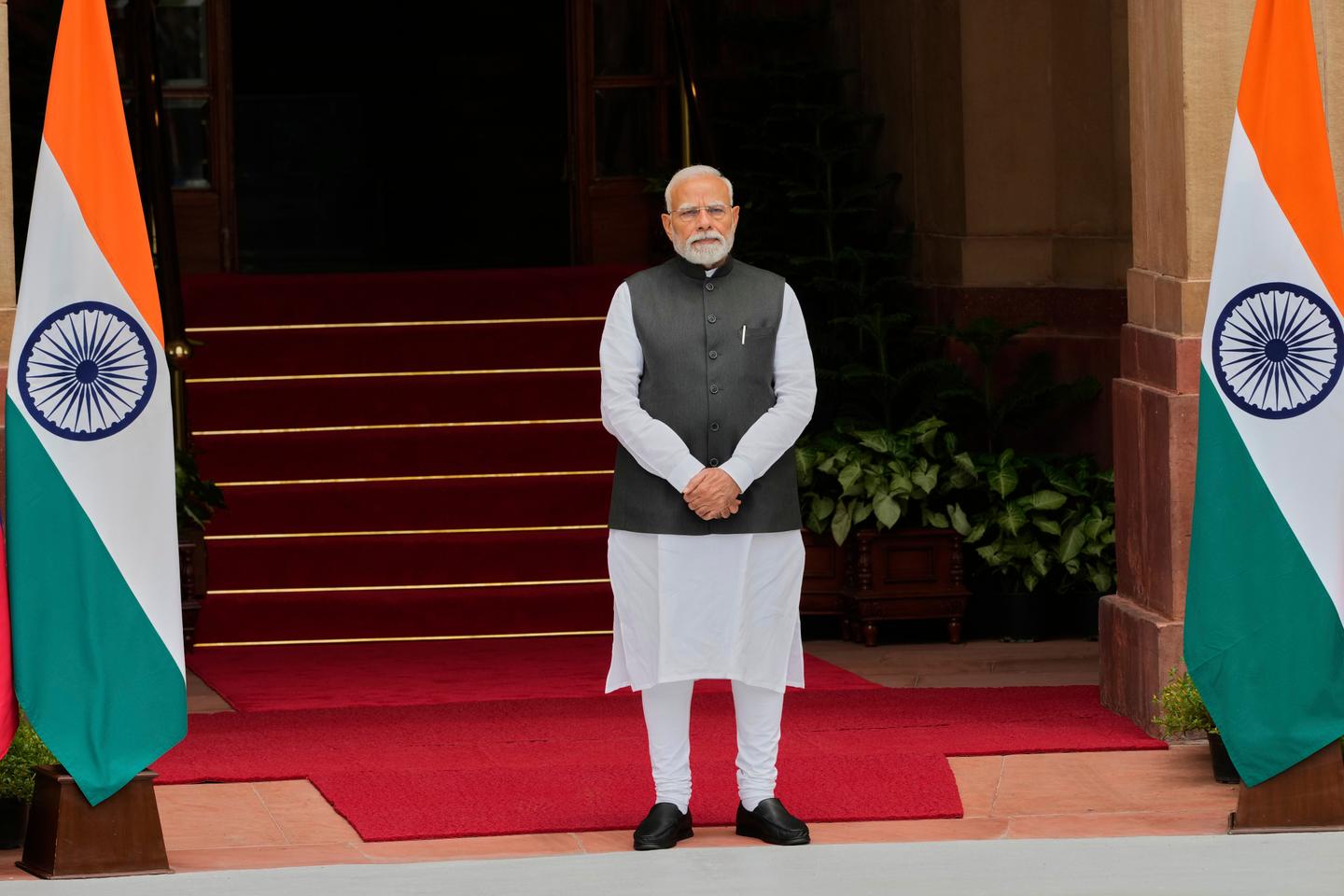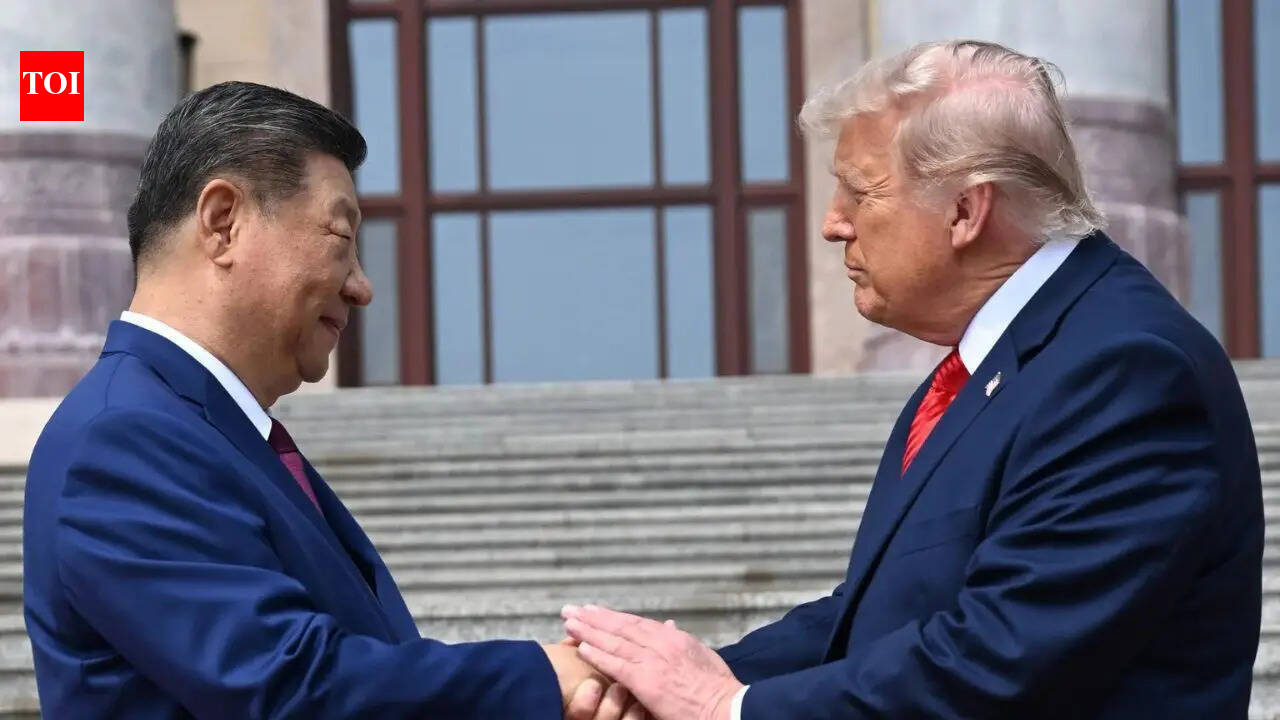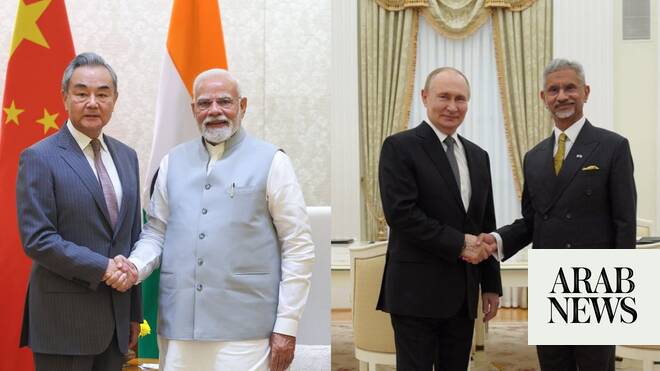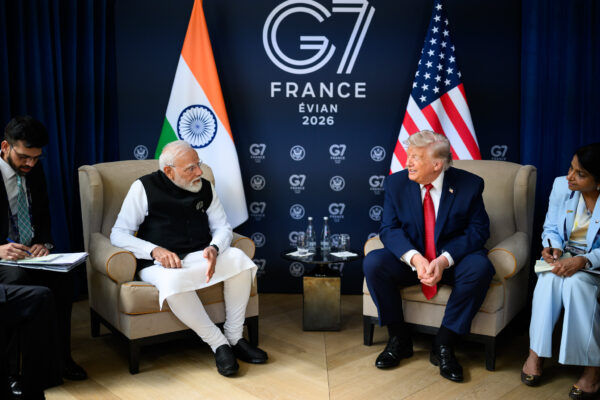
Donald Trump’s posture toward India in his second term has shocked and awed New Delhi. There was a noticeable shift even before his inauguration: he surprised Indians by extending an unusually early invitation to Chinese President Xi Jinping to attend the ceremony, while Prime Minister Narendra Modi received no comparable invitation. From then on, the warmth between Washington and New Delhi began to fade.
India’s strategic community is struggling to make sense of the rapidly transforming relationship. The key question animating New Delhi is whether this change is transient or whether it represents a fundamental rupture, triggering long-term and profound impacts not just on U.S.-India relations but also on India’s growth story.
For years, Delhi’s elite and media have celebrated the “personal chemistry” between Trump and Modi. When both leaders won elections in 2024, great expectations followed. New Delhi was sure that the strategic partnership would deepen and progress rapidly, and that Washington would indeed help India become a major global power ahead of schedule. This aspiration has been nurtured by the Indian strategic community for decades, especially since the July 2005 U.S.-India civil nuclear understanding.