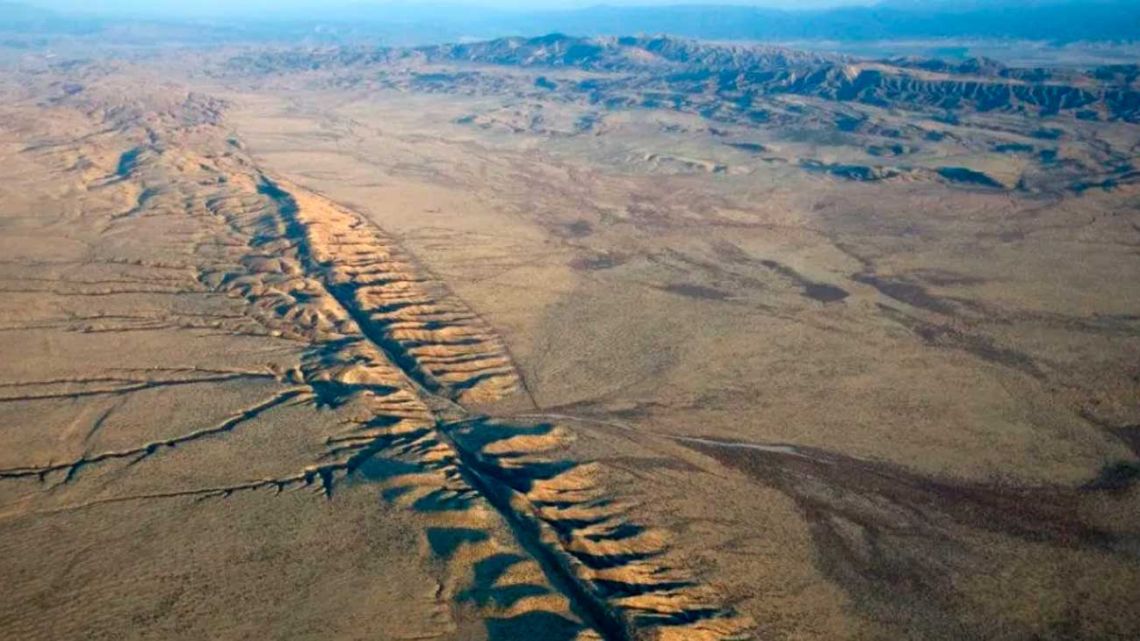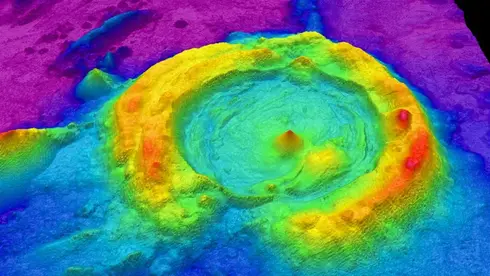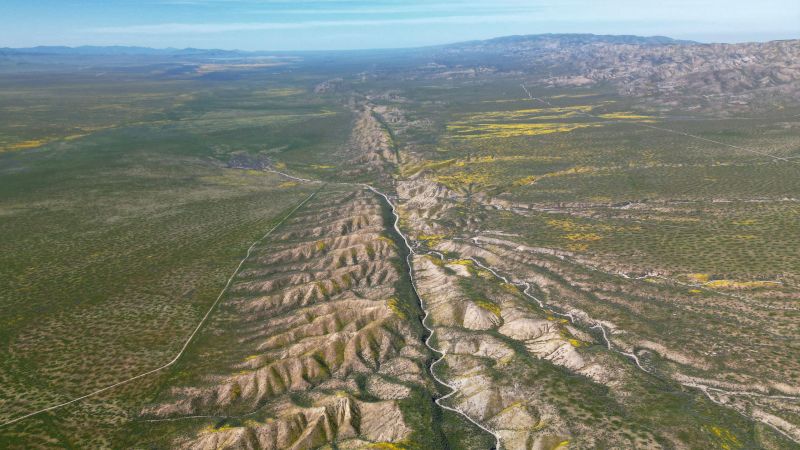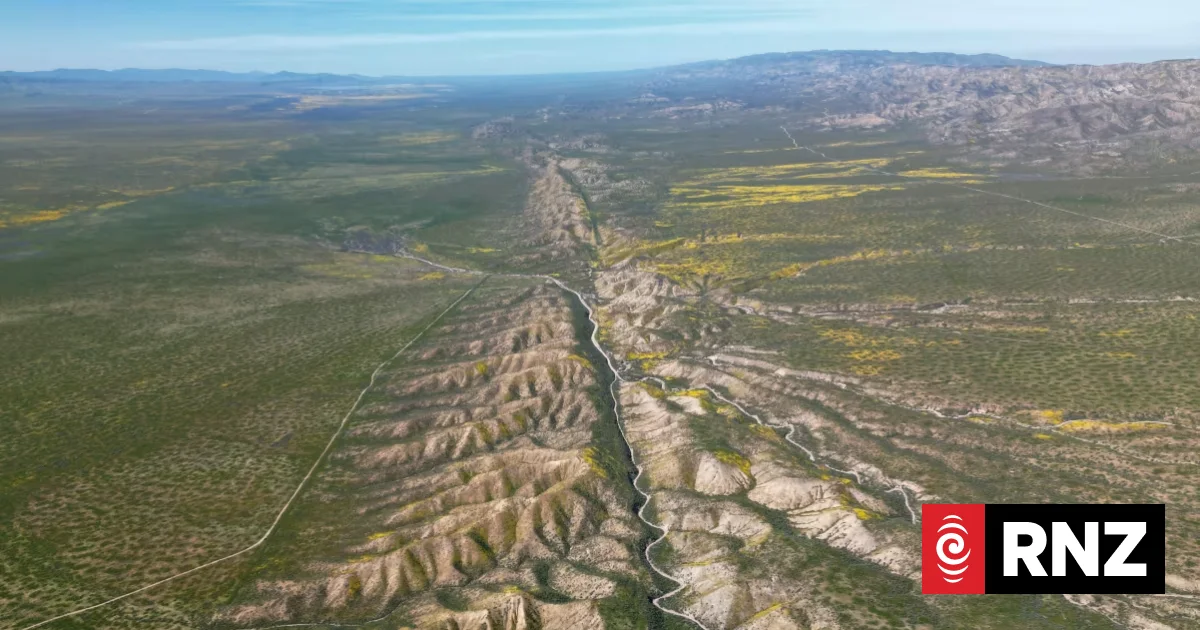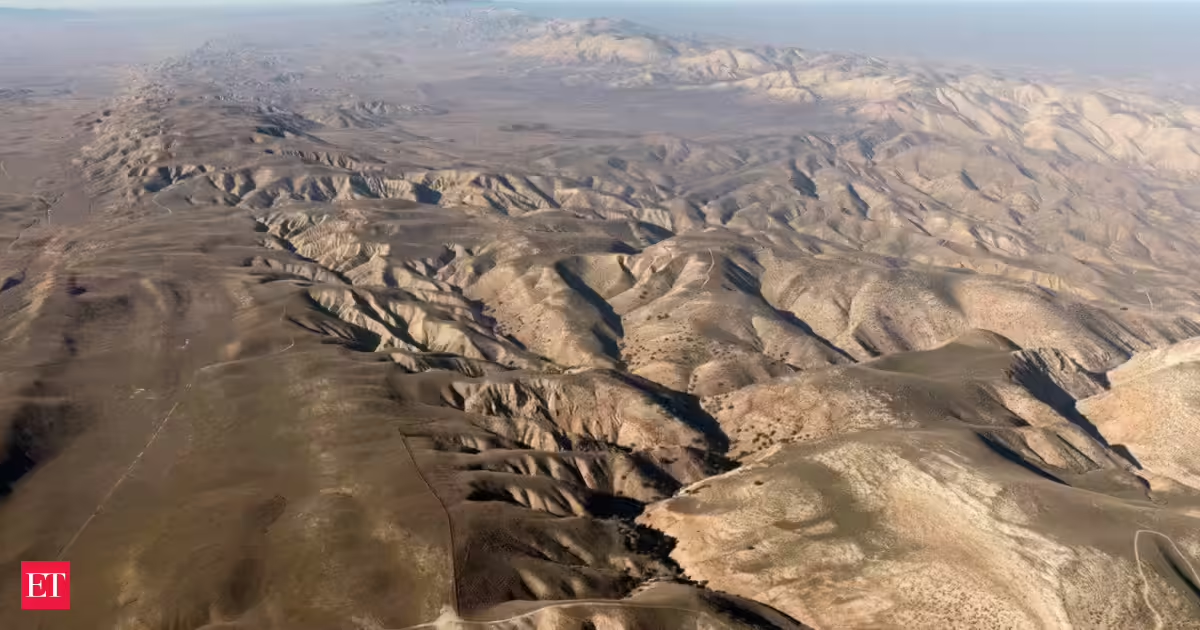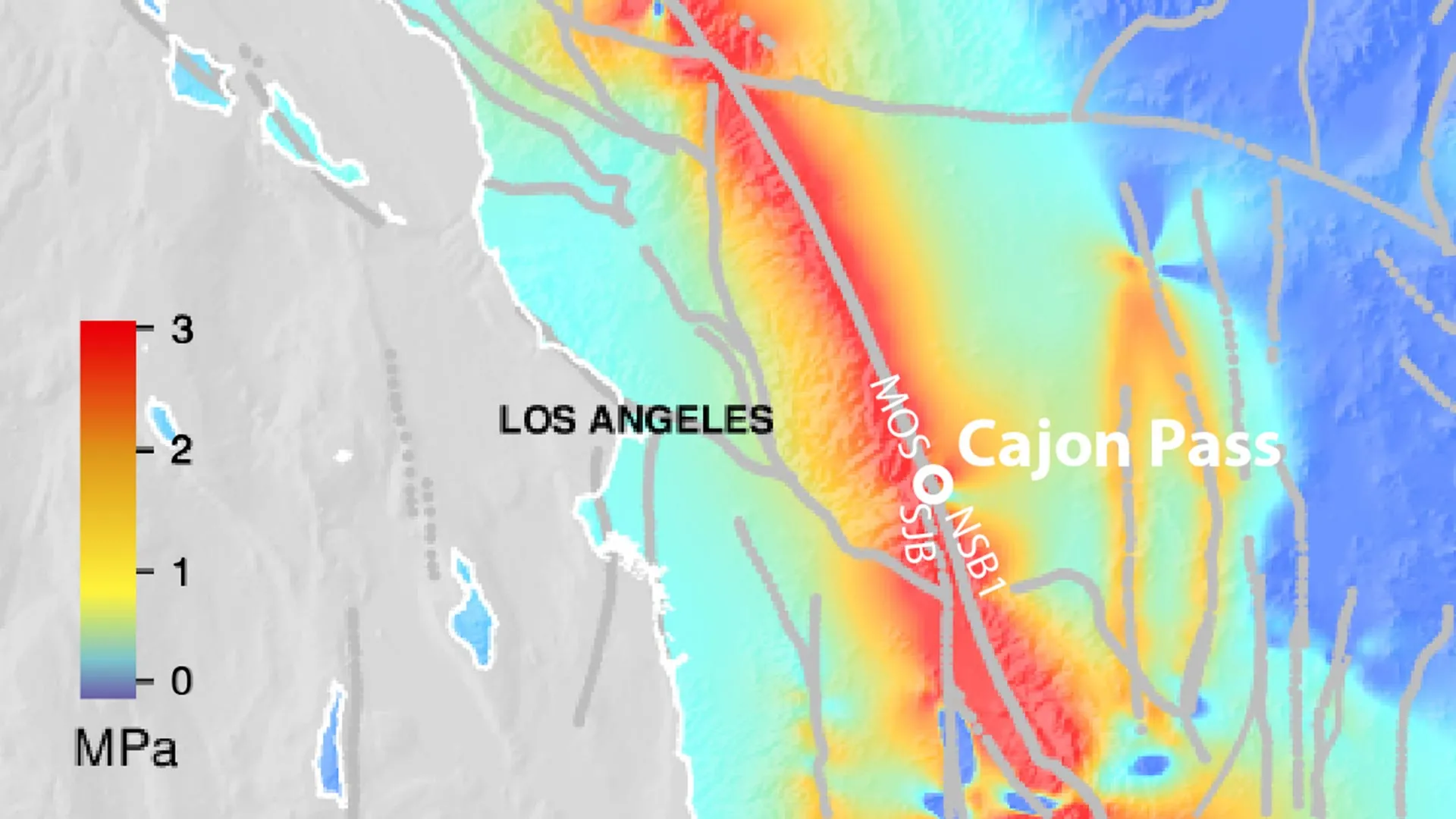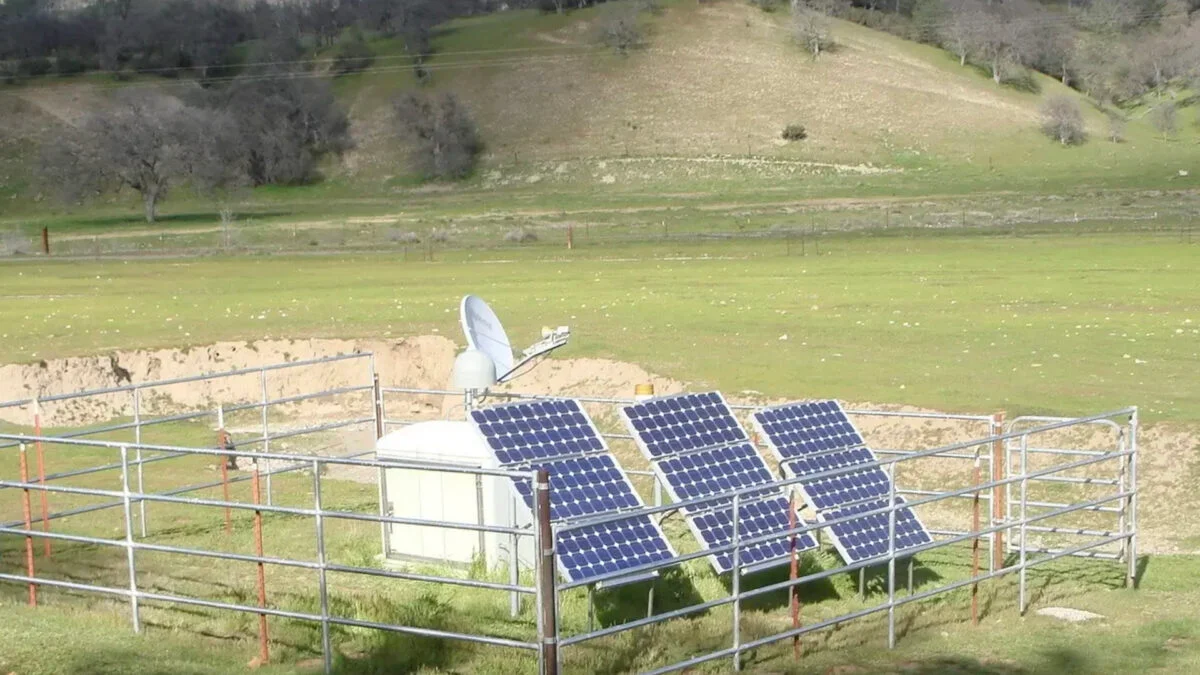
Predicting earthquakes has been an impossible dream for seismologists practically since the discipline first emerged over 150 years ago. To this day, in fact, the U.S. Geological Survey’s official FAQ states unequivocally, “No. Neither the USGS nor any other scientists have ever predicted a major earthquake […] and we do not expect to know how any time in the foreseeable future.” But don’t lose hope yet. Researchers have trained machine-learning tools on subtle tectonic strain data collected near California’s San Andreas Fault, discovering previously unknown “slow-slip events,” which they report “may influence the timing and occurrence” of low-frequency earthquakes (LFEs). Some geoscientists have already called the field’s growing understanding of these slow tectonic shifts, effectively imperceptible on Earth’s surface, nothing short of a “revolution” in earthquake science given “the fact that they can trigger catastrophic large earthquakes.” By understanding how slow slips become LFEs, in other words, the new study has brought seismologists closer to understanding the true early warning signs that could one day help predict major quakes. “We wanted to know if important slow displacement processes might be hidden in years of continuous deformation measurements,” the new study’s lead author, geophysicist & seismologist Zahra Zali, said in a statement translated via Google. “Artificial intelligence enabled us to recognize their patterns, which would otherwise have gone unnoticed.”
Scientists Used AI to Find Hidden Earthquake Signals Along the San Andreas Fault
Scientists used to think so-called “slow slip events” were “theoretically impossible.” Now these subtle tectonic shifts could be the key to predicting future earthquakes.
669 words~3 min read