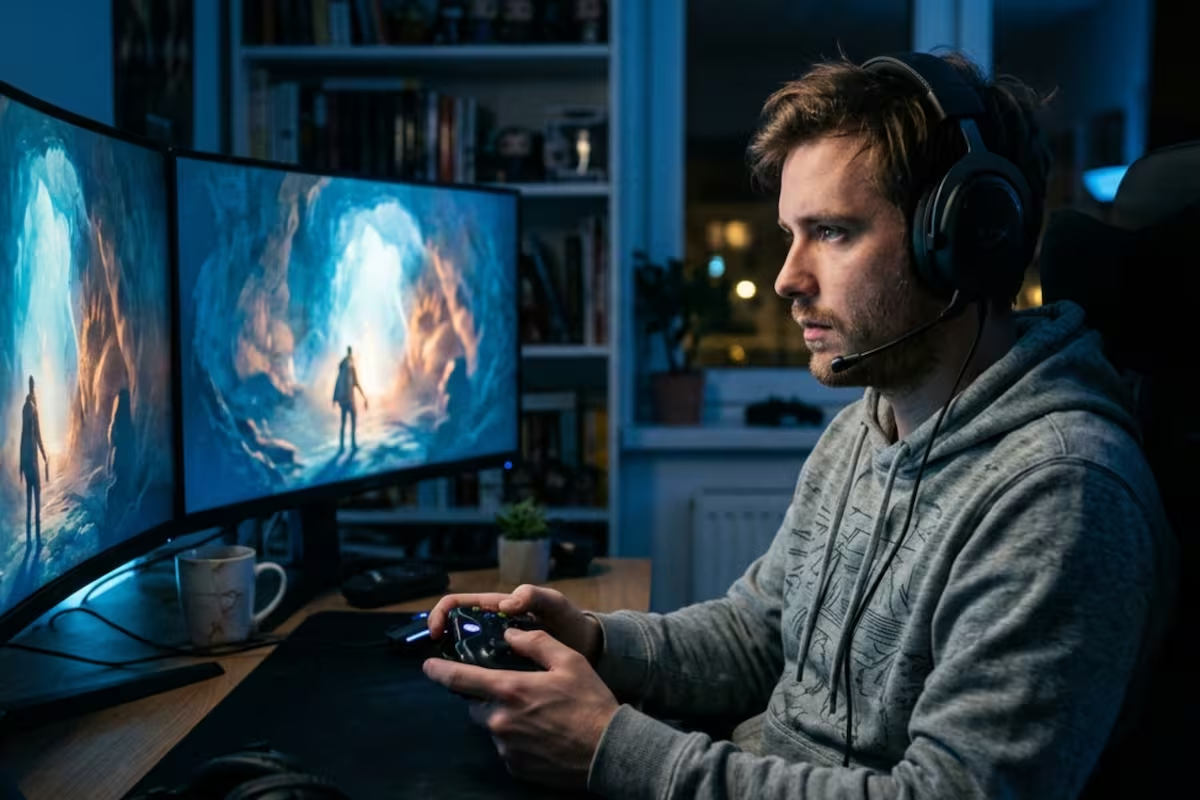
Decades ago, the myth that video games are a fast track to wasted time or impatience filled most dinner table debates. Critics insisted that gaming was little more than a distraction, and the idea that games could actually help people manage stress rarely made headlines. There’s a persistent misconception that digital play only amps up frustration, especially when progress is slow, competition fierce, or costs unclear. In reality, a growing pool of evidence and gamer experiences is painting a different picture: gaming, for many, is emerging as a surprisingly effective outlet for stress relief.
Breaking down the stress myth
Much of the old anxiety about gaming’s impact on mental health comes from misunderstandings about how people actually game today. The stereotype of tension and rage-inducing shooters or endless losses doesn’t reflect the full picture. In fact, many players are seeking experiences that help them disconnect from daily worries, focus on simple goals, and regain some control, features found in everything from cozy simulators and puzzle adventures to casual basketball matchups.
Financial stress often comes up, with critics arguing that the presence of in-game purchases or virtual currencies can create pressure rather than fun. But for many, deals like NBA 2K VC deals have become a way to manage gaming expenses instead of fuel stress. Creative buying options let players control how much they spend, set limits, and find value, which counters the myth that gaming always empties pockets or pushes unhealthy buying habits.