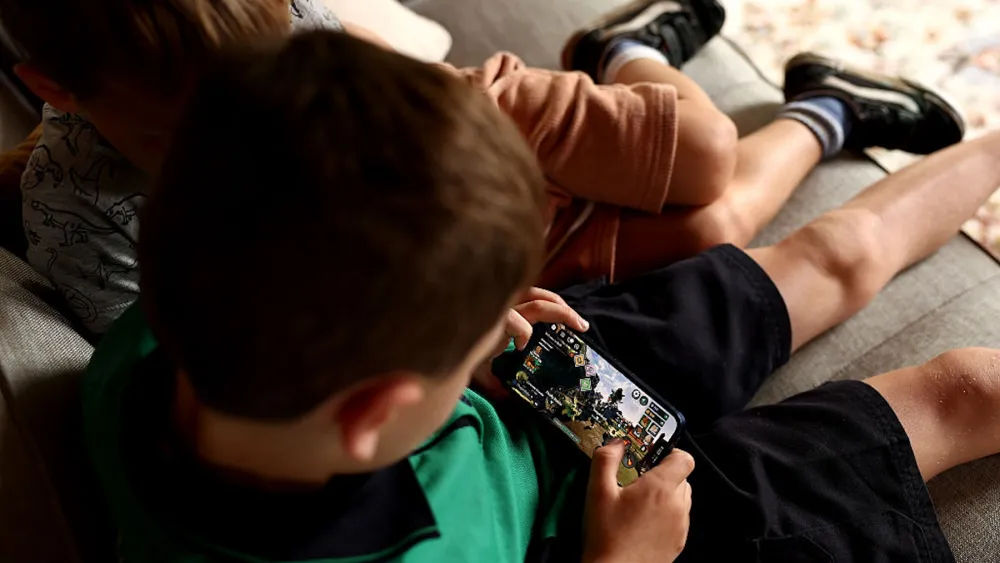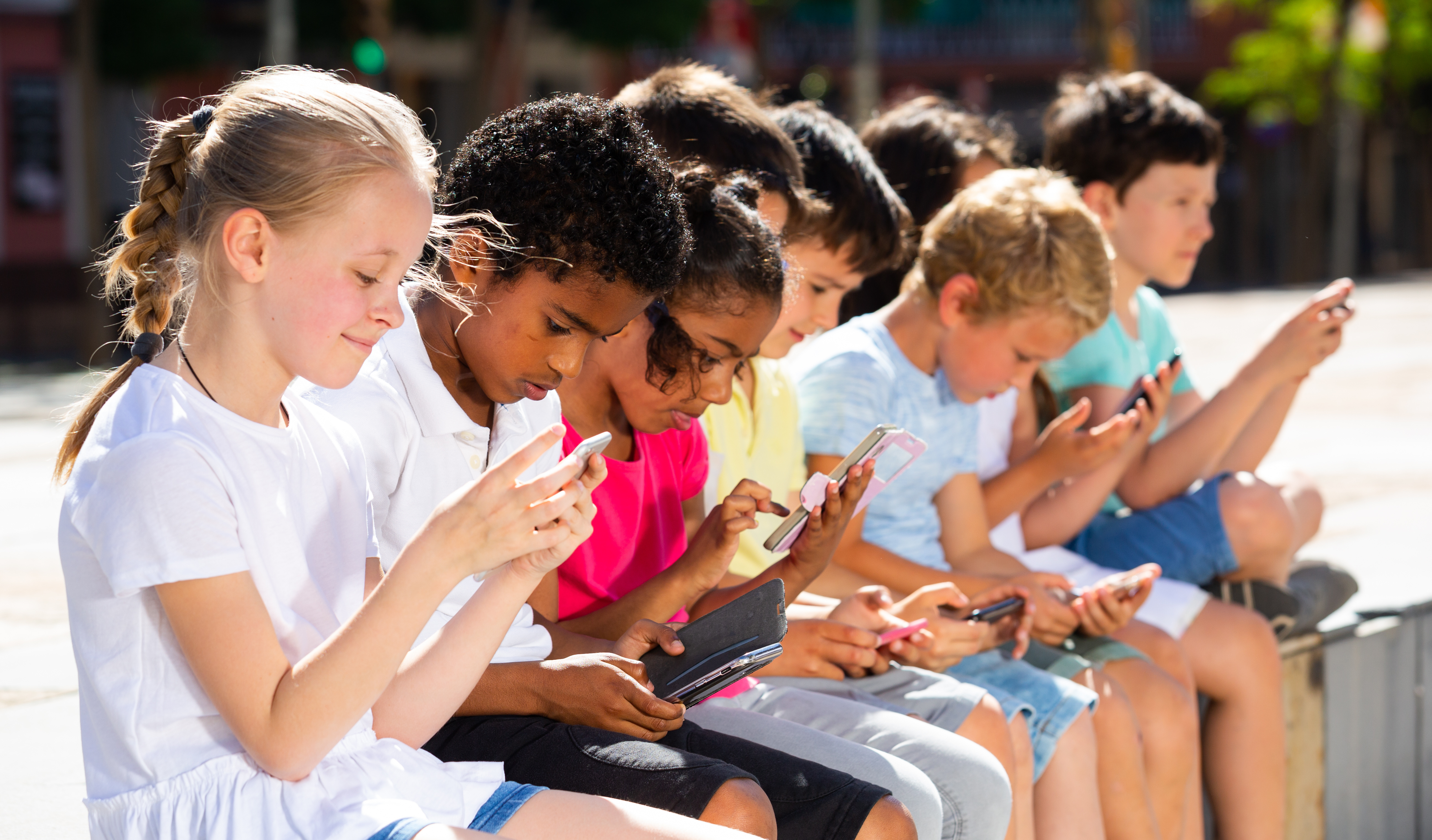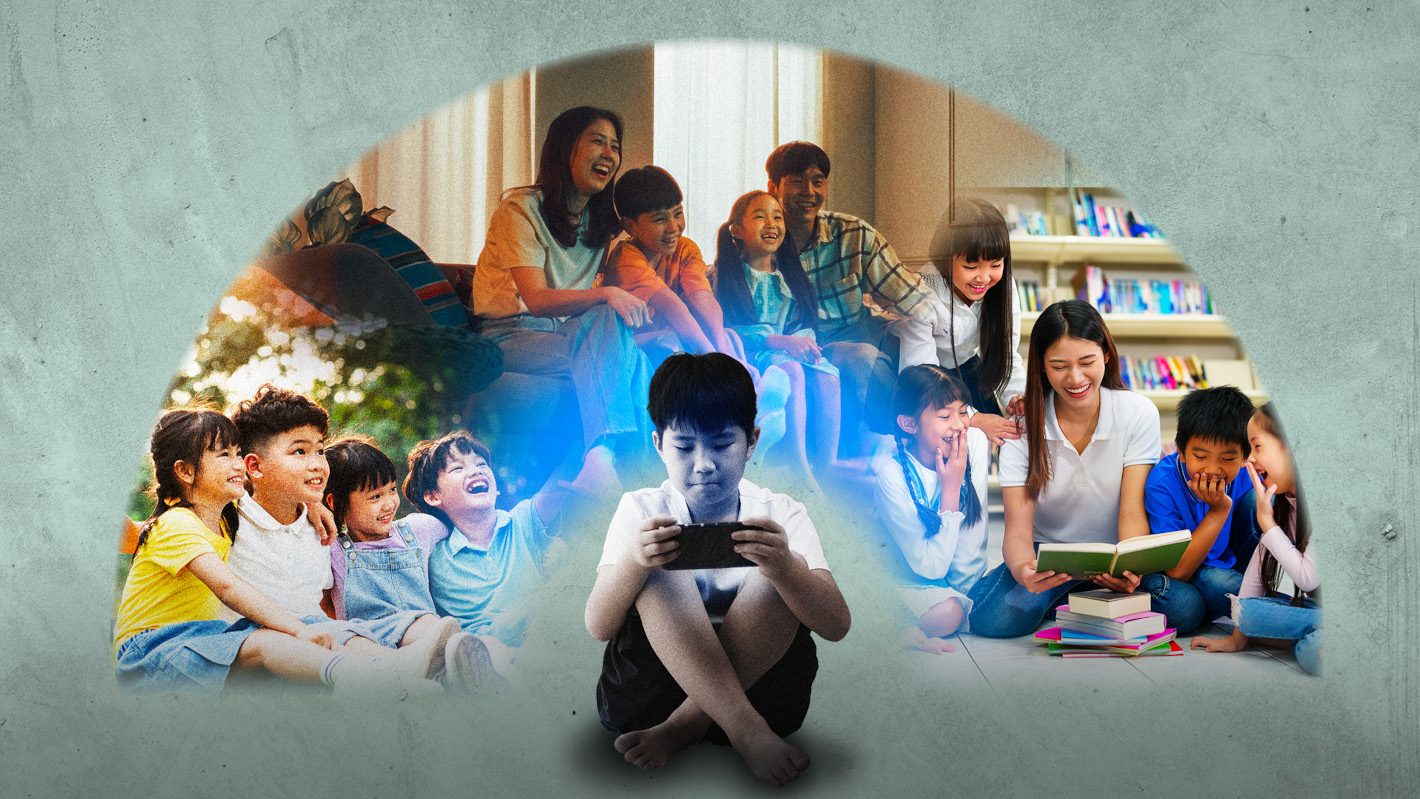
Childhood no longer exists solely in classrooms, neighborhoods, or playgrounds — it also unfolds in digital worlds, where children learn, compete, create, and build friendships.
As these virtual spaces become part of growing up, they’ve reignited debates over how games shape children’s development and whether stricter regulations are needed to protect young players.
Yet experts say framing games as either beneficial or harmful oversimplifies a much more complex reality. Rather than asking whether children should play games at all, they argue the more urgent question is how families, schools, government, and the gaming industry can work together to help children navigate an increasingly digital childhood safely and responsibly.
The Philippine gaming landscape
The notion that games automatically equate to children still exists. This, however, is no longer the case in the Philippines. According to Game Developers Association of the Philippines President Ria Lu, 80% of the country’s 60 million players are adults, while only 20% are children. Games are now enjoyed across all ages, and the industry has grown complex since then.