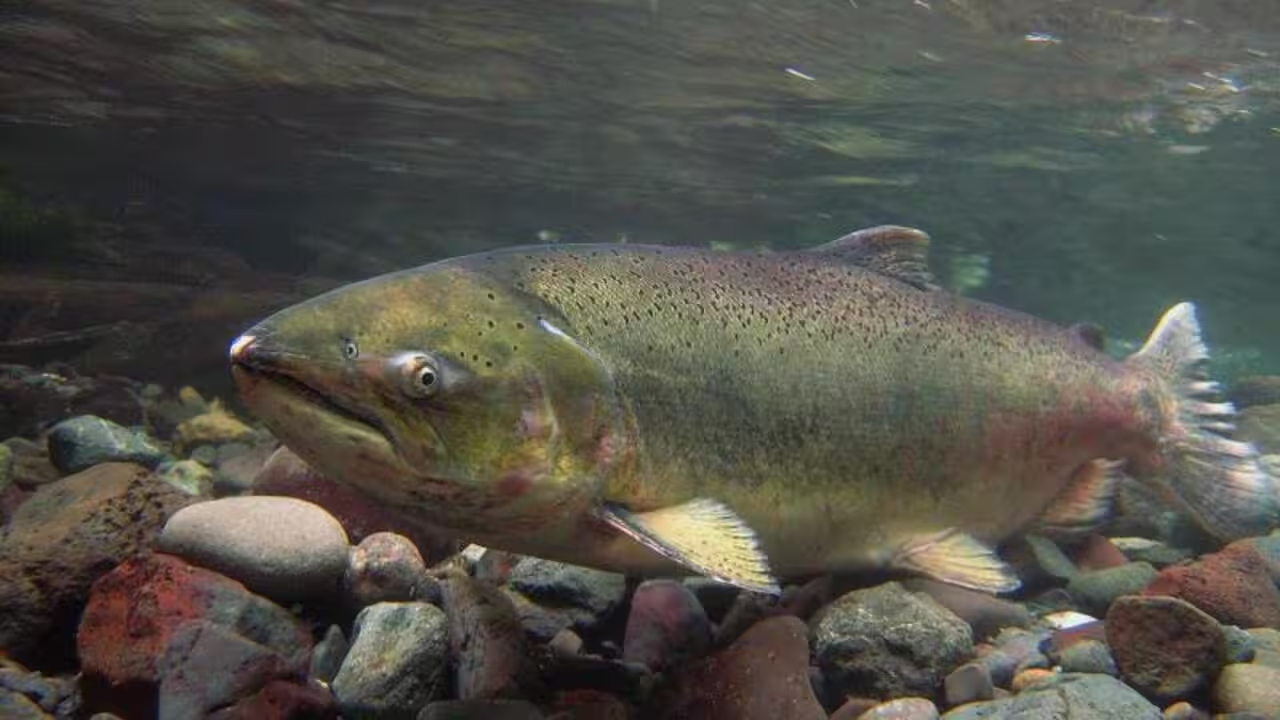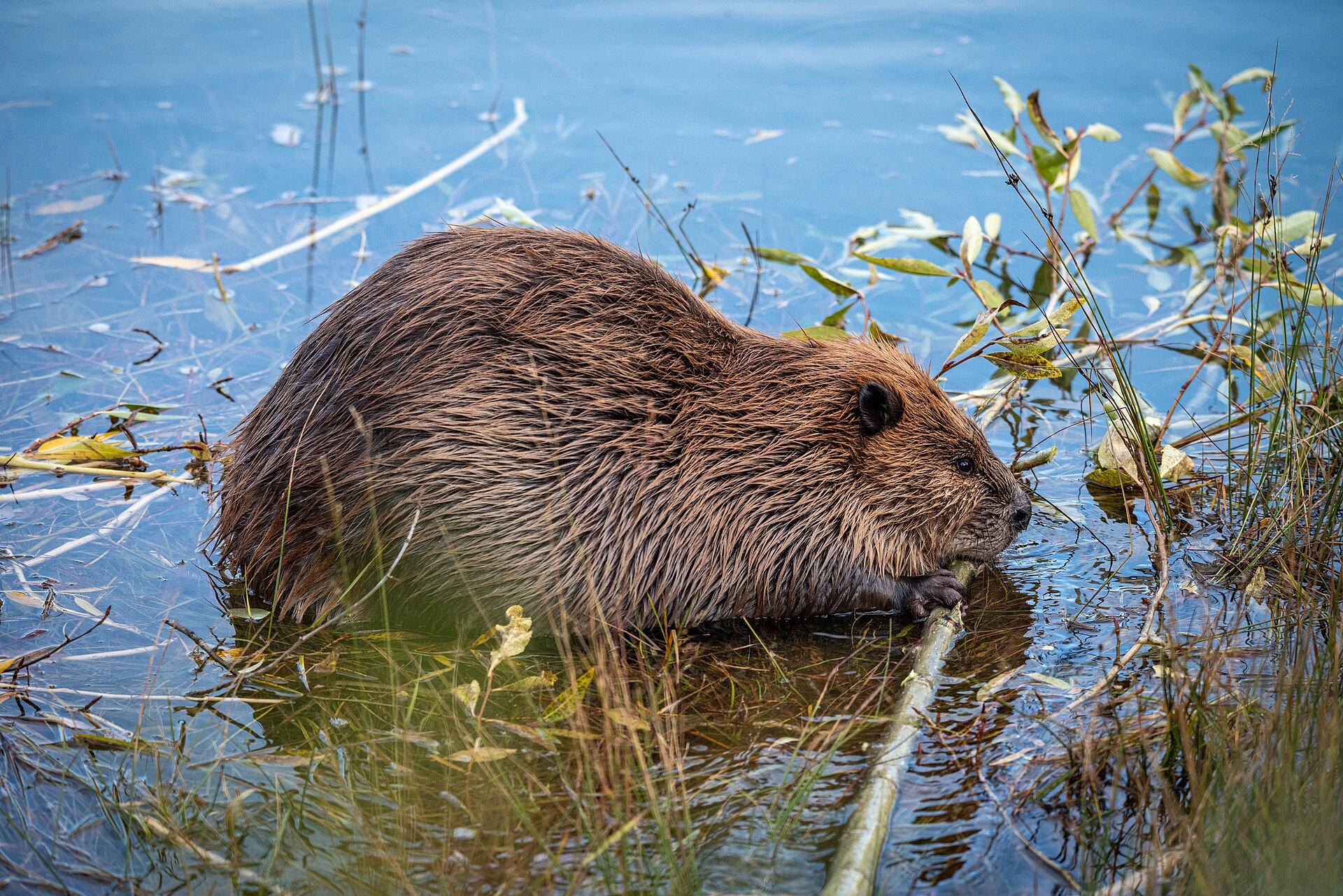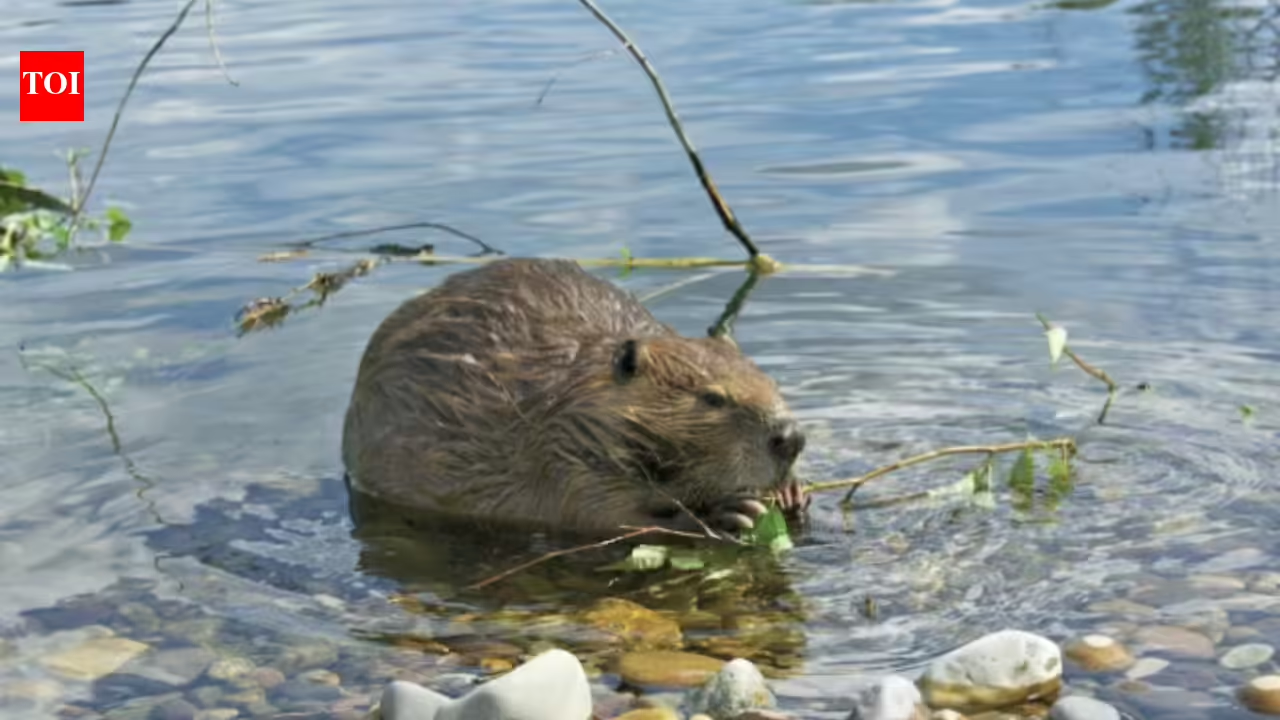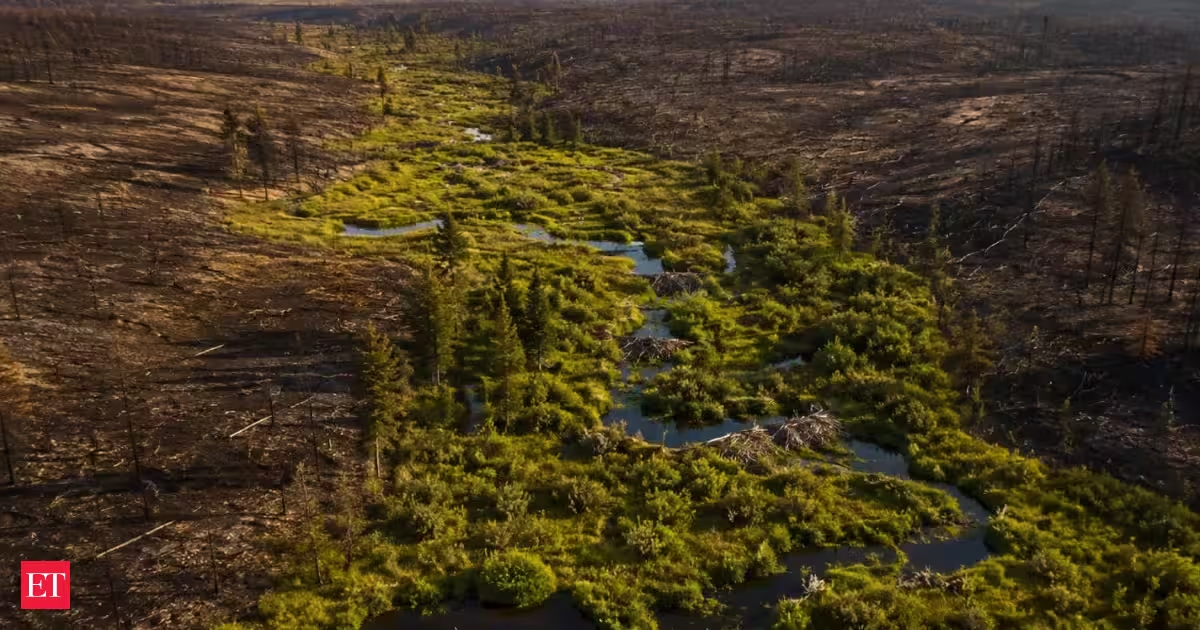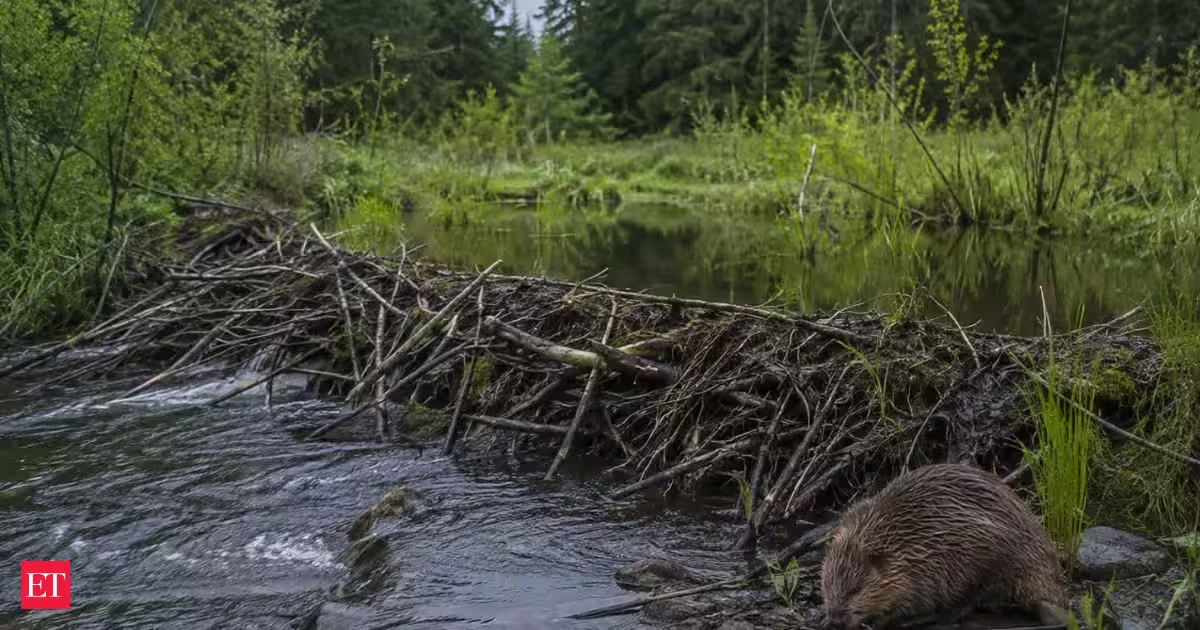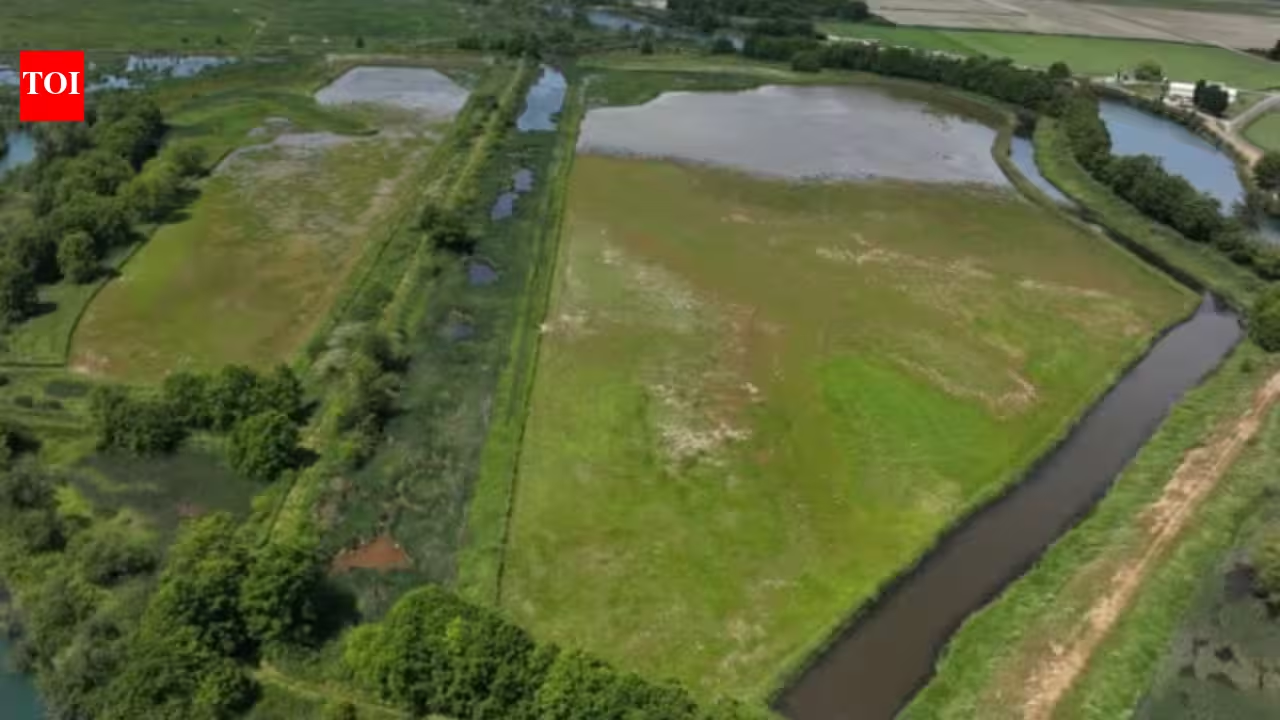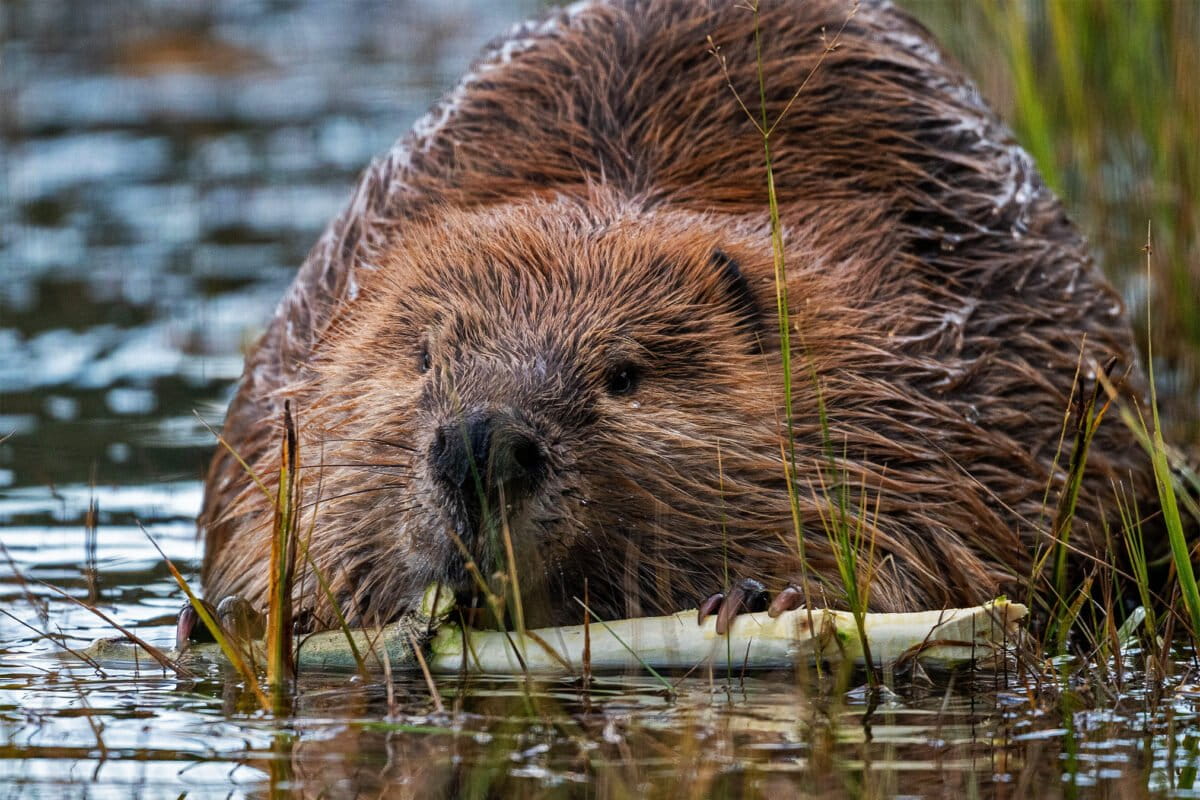
Mark Smith and his family run a campsite that backs up to the North Fork Toutle River in the U.S. state of Washington, which was swamped with sediment and runoff from the 1980 eruption of Mount St. Helens.The fine-grained volcanic sediment smothered the waterway, making it difficult for native wildlife and vegetation to become reestablished even decades after the eruption.But over the past five years, the Smith family, together with natural resource experts from the Cascade Tribe, the Cascade Forest Conservancy, the Columbia Fish Recovery Group, and the Cowlitz Indian Tribe, have reintroduced beavers to the property.By building dams and canals, the beavers have established deeper pools and wetlands along the North Fork Toutle River, allowing native trees and fish to repopulate the area.
The Smith family referred to the back part of their property as “the wasteland.”
It opens up to the North Fork Toutle River in the U.S. state of Washington, which was swamped with volcanic sediment and runoff from the 1980 eruption of Mount St. Helens.
The sediment was further backed up when the U.S. Army Corps of Engineers constructed a sediment retention structure, or SRS, in 1989, and then raised it again in 2013, less than a mile, or a kilometer and a half, downstream from the Smiths. The goal of the project was to hold back sediment that would otherwise threaten the Columbia River’s shipping routes and southwest Washington communities. But it created a backlog of volcanic material that filled the stretch of the North Fork Toutle River that ran beside the Smiths’ property and to the dam.