Last year, the CDC's vaccine panel recommended that children younger than age 4 years not receive the combined MMR and varicella vaccine, and instead receive only separate vaccines.A cross-sectional study showed that children in minority groups, those eligible for the federal Vaccines for Children program, and those vaccinated at a safety-net clinic were more likely to receive the combination vaccine.Limited access to this combination vaccine could disproportionately affect disadvantaged children by reducing vaccine options and increasing barriers to vaccine completion, researchers said.
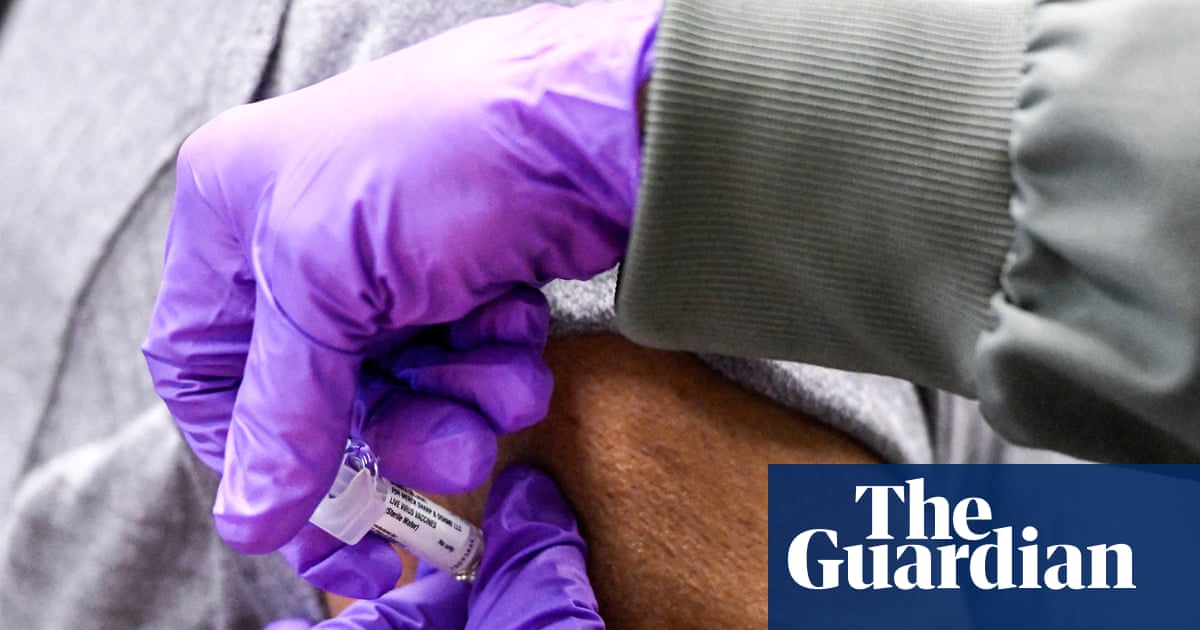
Children eligible for the Vaccines for Children (VFC) program and minority racial and ethnic groups were more likely to receive the recently shunned varicella-containing measles vaccine as their first dose of either immunization, according to a cross-sectional study in King County, Washington.
Among over 200,000 children, 14.7% received the measles, mumps, rubella, and varicella (MMRV) vaccine as their first dose, while 63.8% started with the MMR vaccine co-administered with a separate varicella vaccine, 17.8% received MMR alone, and 3.7% received the varicella-only vaccine.
Of note, significantly more children who received the MMRV vaccine were eligible for the VFC program; were ages 16 to 47 months, indicating a catch-up dose; were Hispanic, American Indian or Alaska Native, Black, Native Hawaiian or Pacific Islander, or multiracial; resided in the south region of King County; or were vaccinated at safety-net clinics (P<0.001), reported Eric Chow, MD, MPH, of Public Health-Seattle & King County, and colleagues.