Show Caption
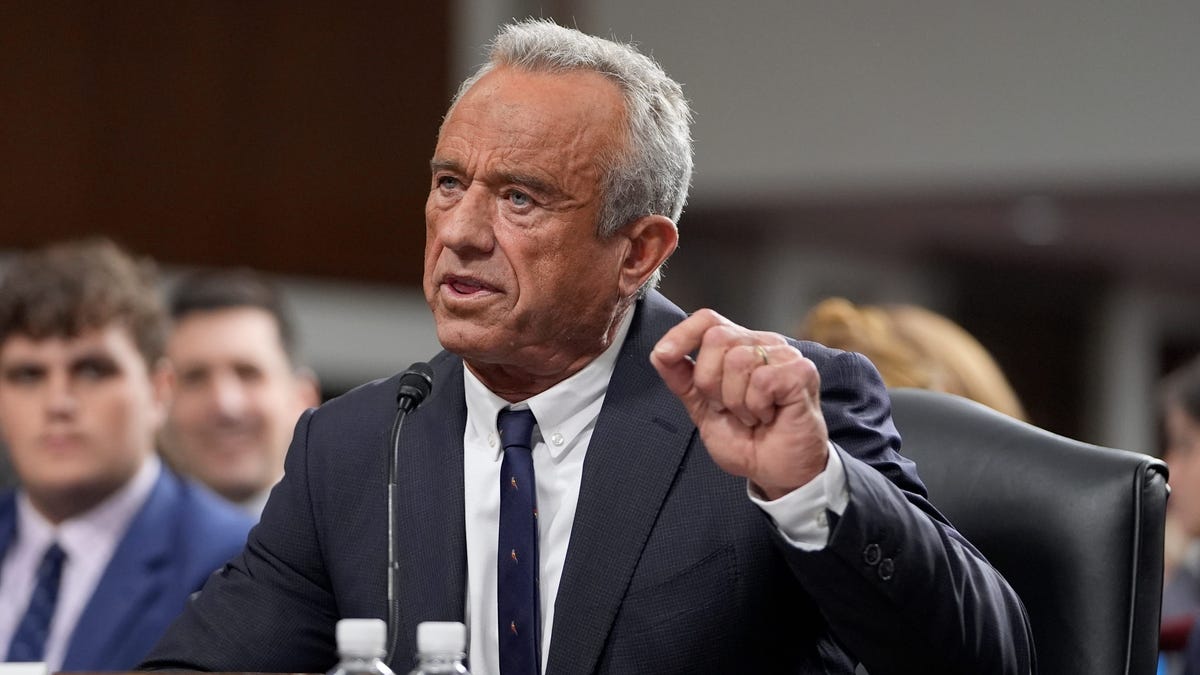
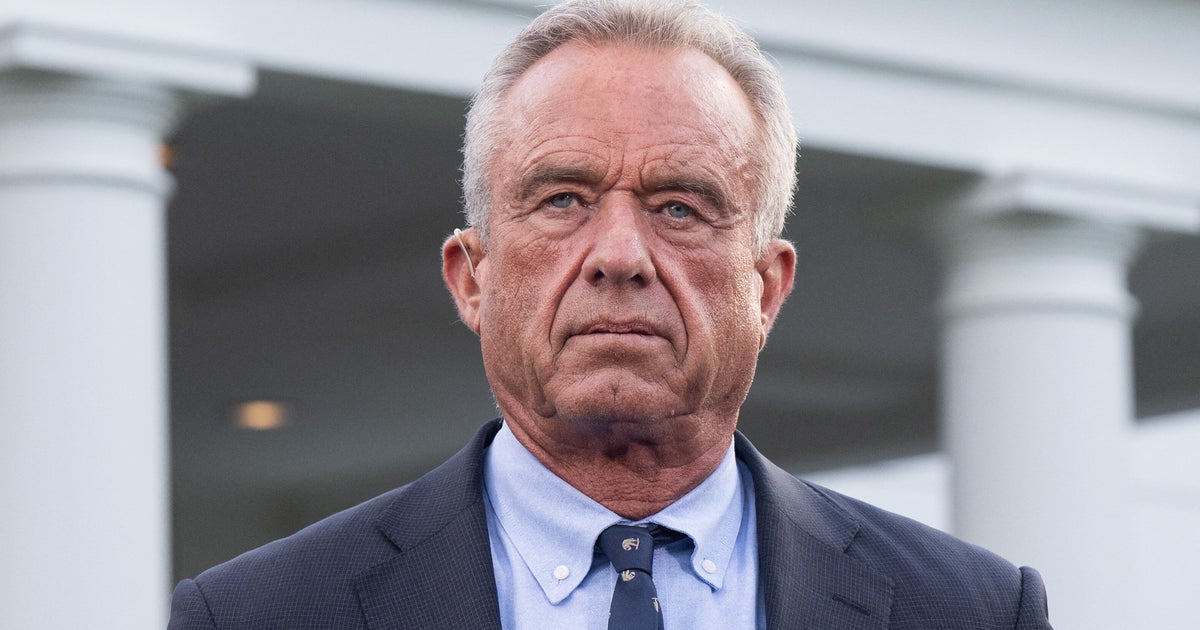
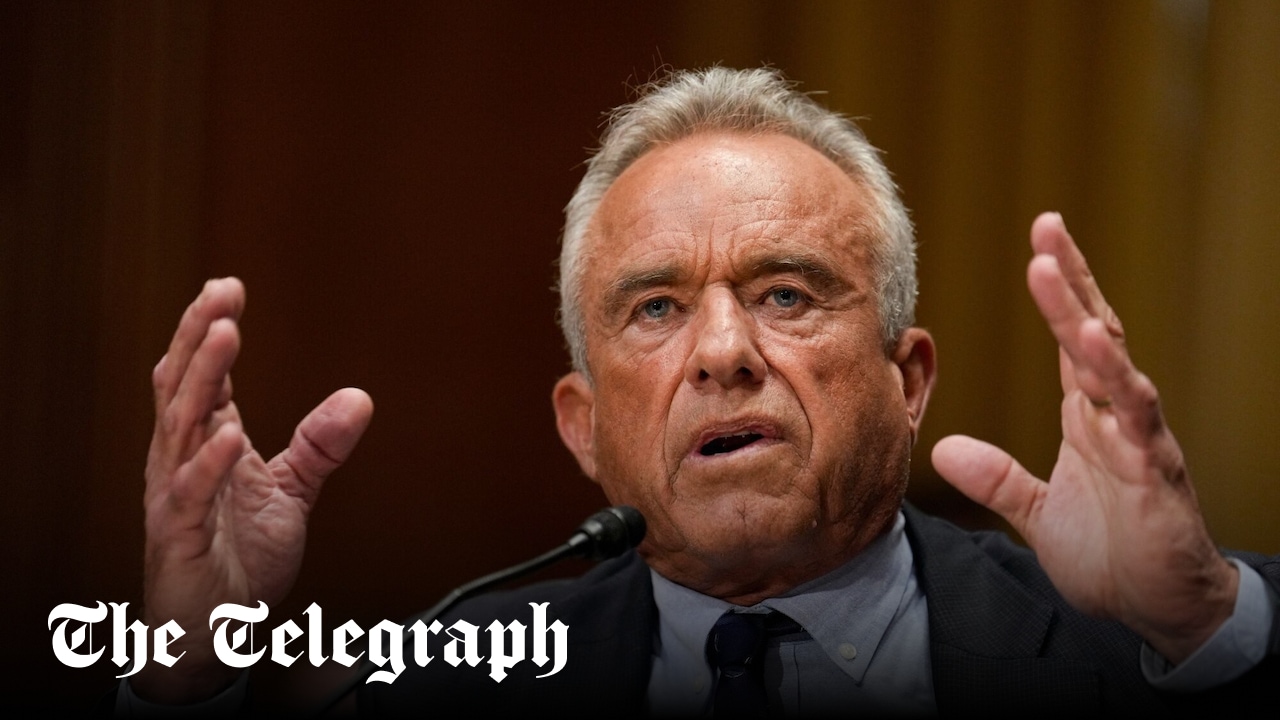
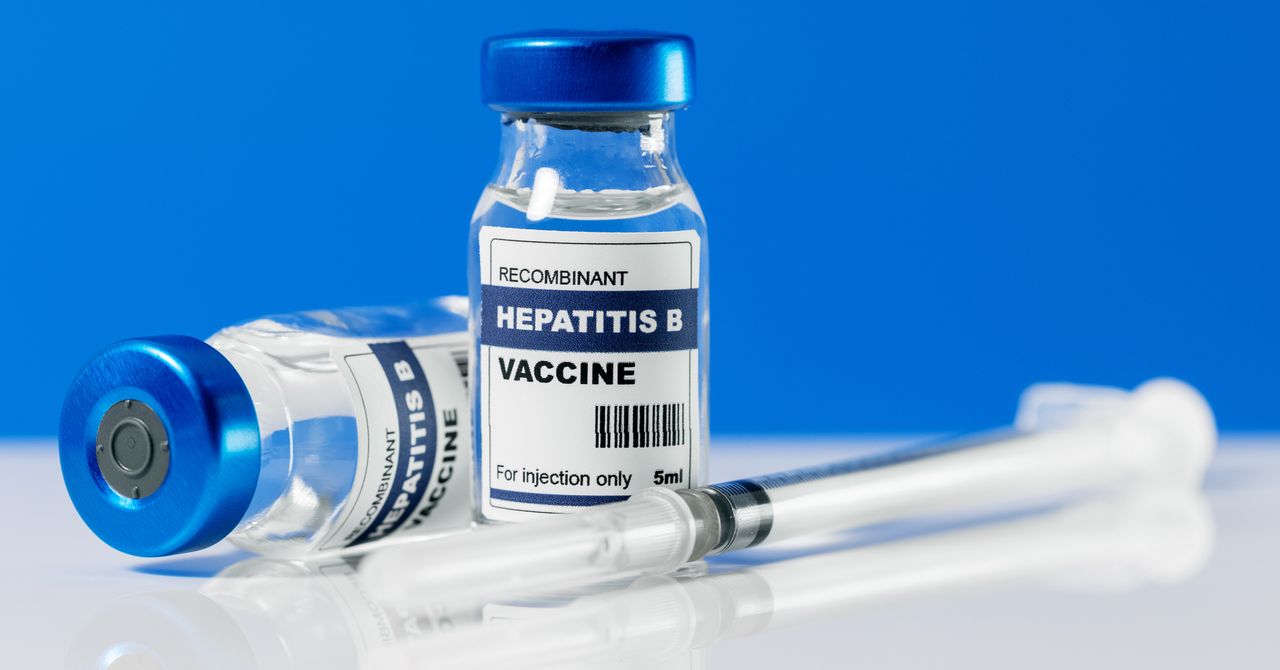
Members of a key vaccine panel have delayed a pivotal vote regarding the hepatitis B vaccine, while voting to amend recommendations to combination shots that target measles, mumps, rubella and varicella (chicken pox).After a long day reviewing on Sept. 18, the Advisory Committee on Immunization Practices decided to push the hepatitis B vote to the Sept. 19 session due to a "discrepancy" in voting language. During Friday's session, the committee is also slated to discuss and vote on COVID-19 vaccines.In the Sept. 18 meeting, the panel voted to no longer recommend the MMRV vaccine for children under 4 years old. Although this does not impact guidance for the separate MMR and varicella vaccines, health experts worry the change will sow confusion and mistrust.“We’re concerned about what’s happening at the federal level,” said Dr. David Margolius, an internist and director of Public Health for Cleveland, Ohio.Health and Human Services Secretary Robert F. Kennedy, Jr. fired all 17 original ACIP members on June 9 and appointed its new members, which included some vaccine skeptics, a few days later. He announced appointing five new members, including more COVID-19 vaccine critics, on Sept. 15.MMRV vaccinePrevious guidance recommended a two-dose vaccine schedule for measles, mumps, rubella and varicella for children, with the first dose at 12 to 15 months and the second at 4 to 6 years. Patients had the choice of receiving the dose as two separate shots − one for measles, mumps and rubella (MMR vaccine) and one for varicella − or as one combination shot (MMRV vaccine).The MMRV combination vaccine is associated with “a small increased risk” of febrile seizures after the first dose, according to the CDC. These findings led ACIP to change its guidance in 2009 to show a preference that babies receive separate MMR and varicella vaccines for their first dose, instead of the combination MMRV vaccine.The Health Secretary is grilled by Senators from both partiesAt a Senate Finance Committee hearing on September 4th, Health Secretary RFK Jr. defended his changes to vaccine policy.However, the agency continued to recommend the combination vaccine if the patient prefers it over two separate shots and for the second dose for children aged 4 to 6 years old.ACIP members voted to change guidance to no longer recommend the MMRV vaccine to children before 4 years old, indicating a stronger stance against the shot. Despite changes made to MMRV recommendations, the panel voted to continue covering the vaccines for children under 4 under the Vaccines for Children program, which provides vaccines to children whose parents or guardians may not be able to afford them.This vote does not apply to the MMR vaccine, which only targets measles, mumps and rubella. But Dr. Philip Huang, director of the Dallas County Health and Human Services, worries changes to the combination vaccine recommendations could cause confusion and impact vaccination rates, leading to more disease outbreaks, like the measles outbreak that occurred in West Texas.Health experts prefer combination formulations, like the MMRV vaccine, because they target more than one pathogen and require fewer shots. Research shows patients are more likely to complete a recommended vaccine series when there are fewer shots involved.“To not allow that more simplified schedule then would also be more difficult for us getting these in practice at the ground up," Huang said.Hepatitis B vaccineHepatitis B is a viral infection that affects the liver, according to the CDC.Most adults recover completely from the highly contagious infection. But about 90% of infants and 30% of children who are infected between ages 1 and 5 will develop a lifelong infection that can lead to severe liver damage, liver cancer or death, the agency said.The hepatitis B virus is transmitted through blood, semen or other body fluids. Most cases occur through sexual contact or through needle sharing by intravenous drug users, said Dr. Philip Huang, director of the Dallas County Health and Human Services.Current ACIP guidance recommends all infants receive the hepatitis B vaccine in three doses. The first dose is given within 24 hours of birth, the second is given one to two months after and the third dose is given between 6 and 18 months of age.ACIP members will vote on whether the first dose of the hepatitis B vaccine should not be given until a child is at least one month old, if the mother tested negative for the virus, according to proposed recommendations on the agency's website.One of the arguments against the hepatitis B vaccine birth dose is that newborns aren't at risk of infection through sexual transmission or drug use, but “they’re neglecting the mother-to-baby transmission at childbirth, which is another important thing,” he said.Most people with hepatitis B don’t experience any symptoms when they’re newly infected, Huang said. So, the birth dose is intended to prevent disease in newborns in cases where the mother is unaware she might be carrying the virus.ACIP members will also vote to recommend that pregnant women get tested for hepatitis B infection, which screening is already recommended by the CDC.“With the hepatitis B vaccine, we can effectively prevent a lifelong infection with no known cure," said Dr. Ravi Jhaveri, professor of pediatrics at Northwestern University's Feinberg School of Medicine who also heads the pediatric infectious diseases division at Ann & Robert H. Lurie Children's Hospital of Chicago."Infants are particularly vulnerable to getting the chronic form of Hepatitis B, which is precisely why we vaccinate infants at birth," he said. "This is one of two vaccines we have that prevents cancer."Adrianna Rodriguez can be reached at adrodriguez@usatoday.com.