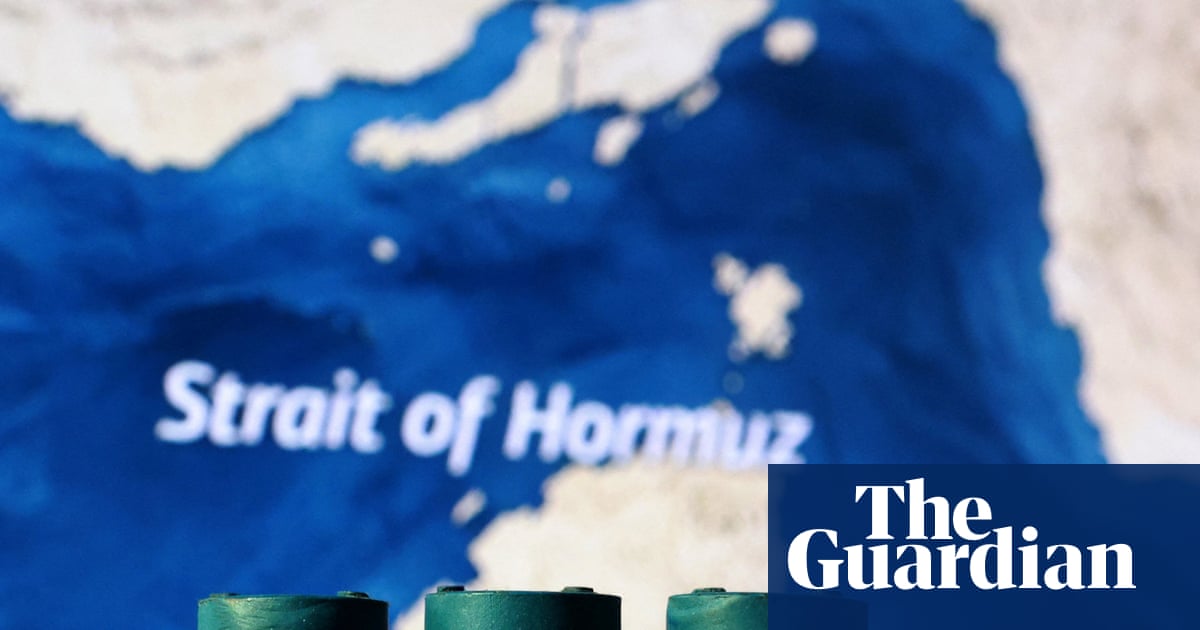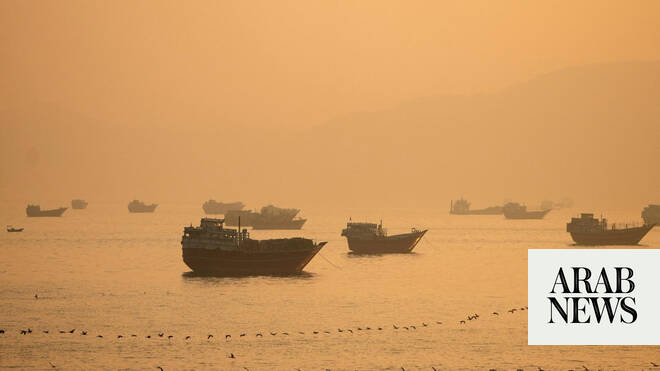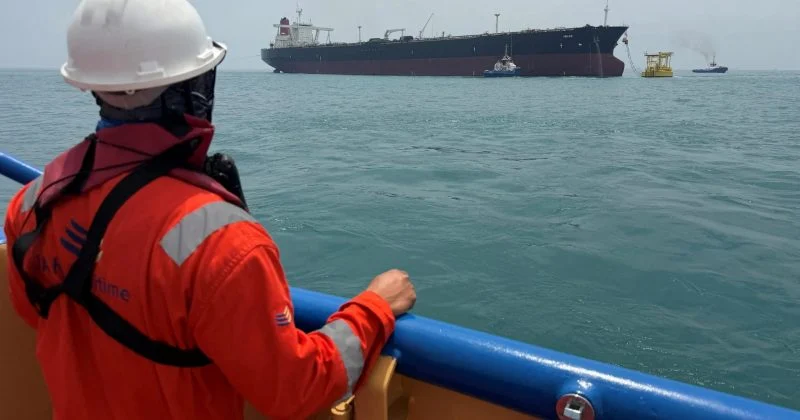
The head of the International Energy Agency (IEA) has issued a stark warning that while international fuel supplies remain secure for now, the latest attacks on tankers near the Strait of Hormuz show that Europe's dependence on imported fossil fuels continues to threaten its economy.
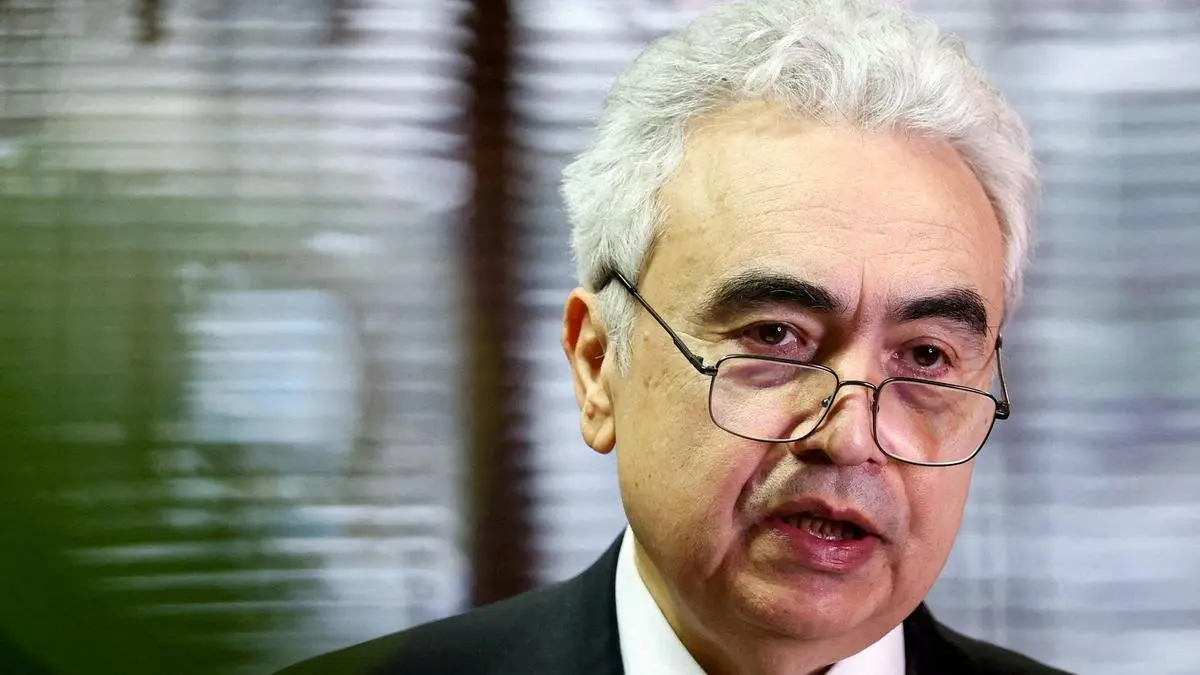
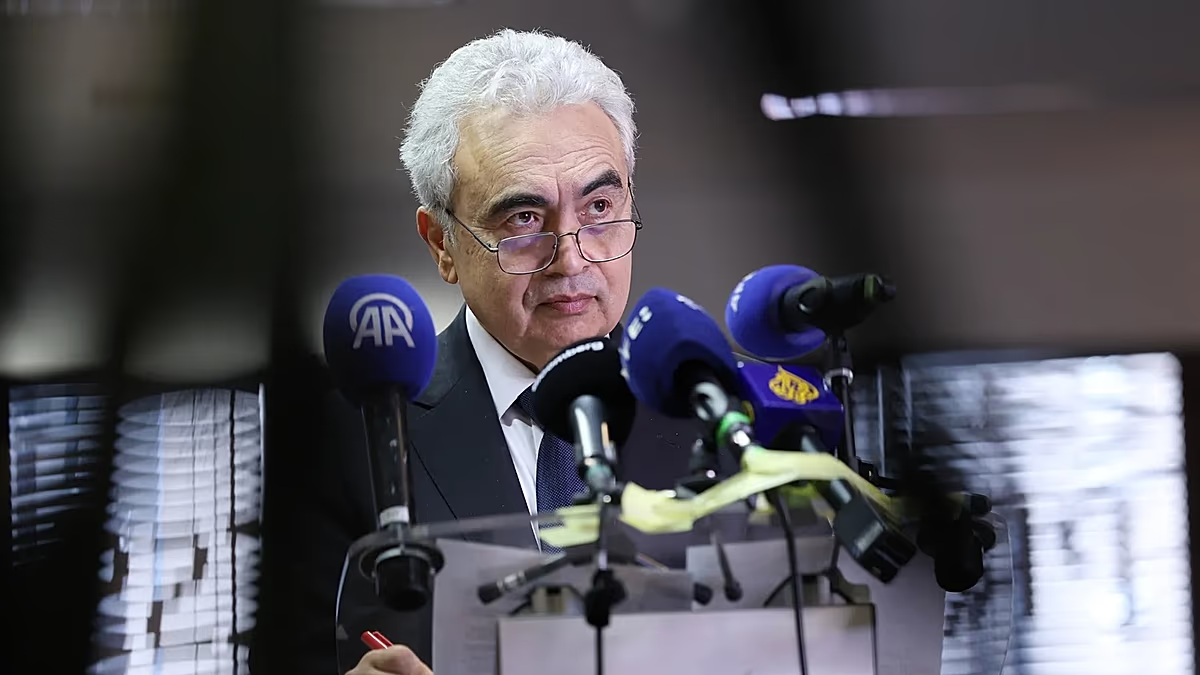
"The entire world should be prepared for the worst case, which we hope will not materialise, but we really need to be prepared for the worst case scenario," IEA chief Fatih Birol told Euronews, referring to a complete blockade of the strait, through which flows 20 percent of the world's oil and gas transit.
Birol stood by his previous warnings about jet fuel shortages, rejecting the spread of fearmongering and instead calling it a "wake-up call" for European refineries and politicians to take preventive measures quickly.
"Thanks to the outstanding work of the commissioners, the refiners and support from the United States and Nigeria, we are now able to balance out the refined products, but still, we have many challenges ahead if the Strait of Hormuz is not open fully," he added.
Besides energy, the Middle East conflict has had knock-on effects for global commodities including fertilisers, chemicals and pharmaceuticals.