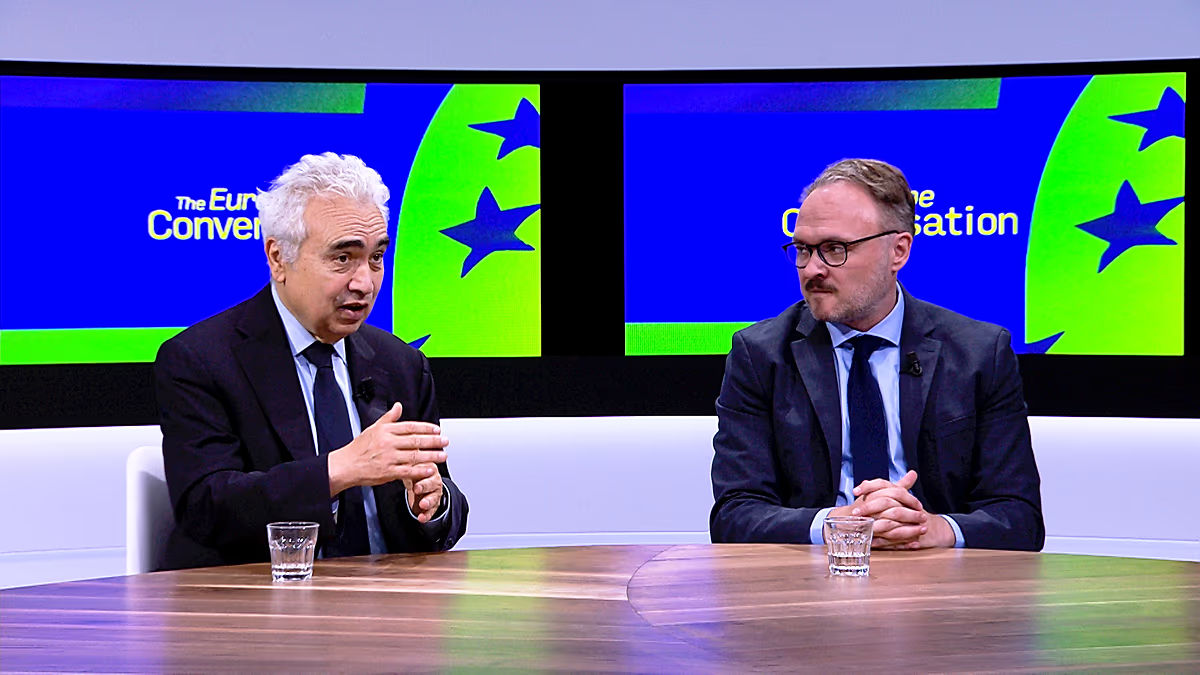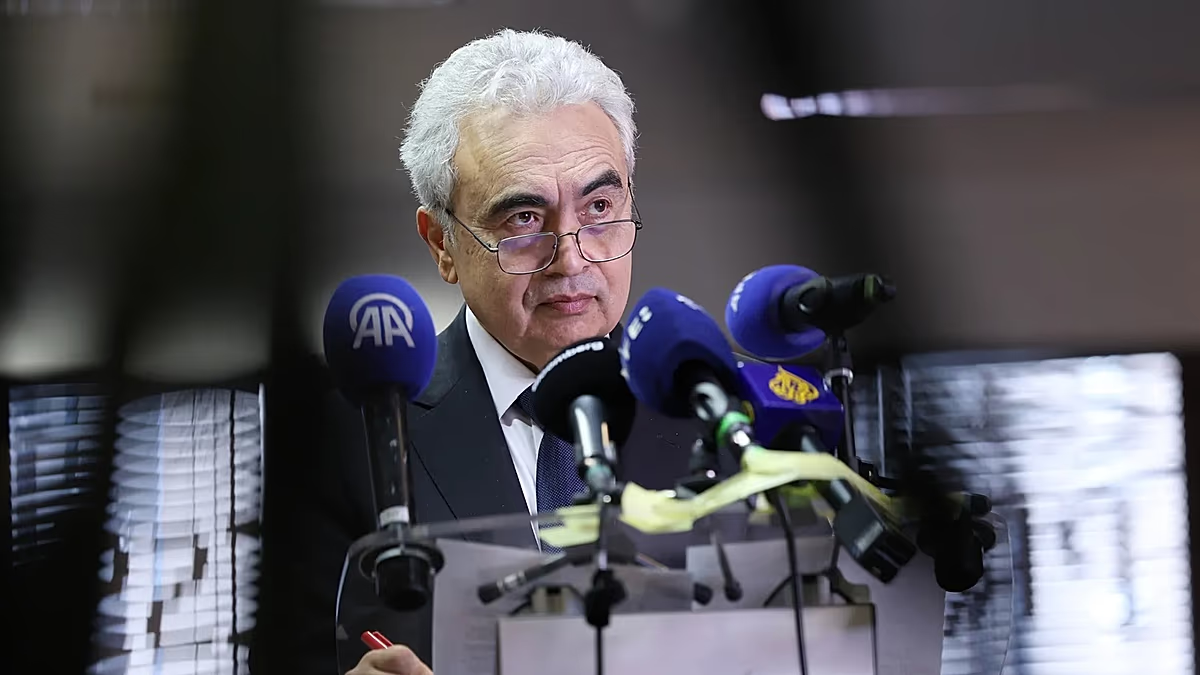
Europe is not facing an immediate fuel supply crisis despite renewed tensions in the Middle East, but the continent remains dangerously exposed to fossil fuel supply and price shocks and must rapidly electrify its economy while resisting calls to return to Russian energy, top energy leaders told Euronews.
Energy Commissioner Dan Jørgensen and International Energy Agency (IEA) chief Fatih Birol insisted that Europe should not interpret any ceasefire in the Middle East as a return to normal, warning that disruption to the Strait of Hormuz could send oil prices sharply higher and reignite inflationary pressures.
"We are in a very serious situation. I'm not telling people, companies, businesses or decision-makers not to be worried. There is, unfortunately, reason to be worry. But we can act and we will act," Jørgensen told Euronews on Friday.
Birol noted that if the critical Strait of Hormuz closes again, oil prices may go up, with "significant implications (for) the economies".
"There are so many uncertainties, but they are not related to the energy sector. It is related to politics and what is happening in the conflict over there," Birol said.