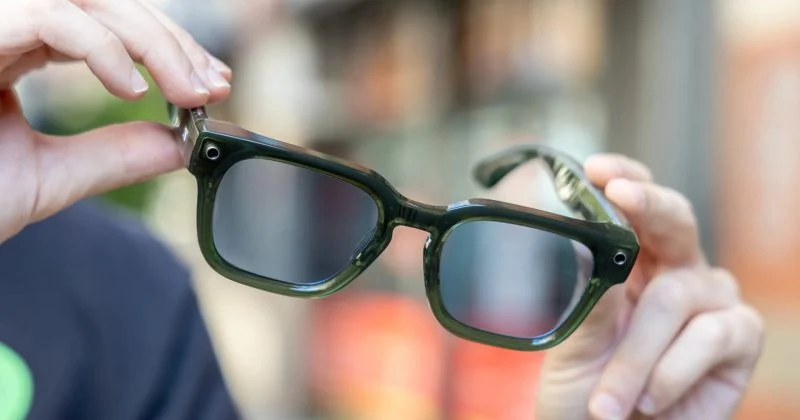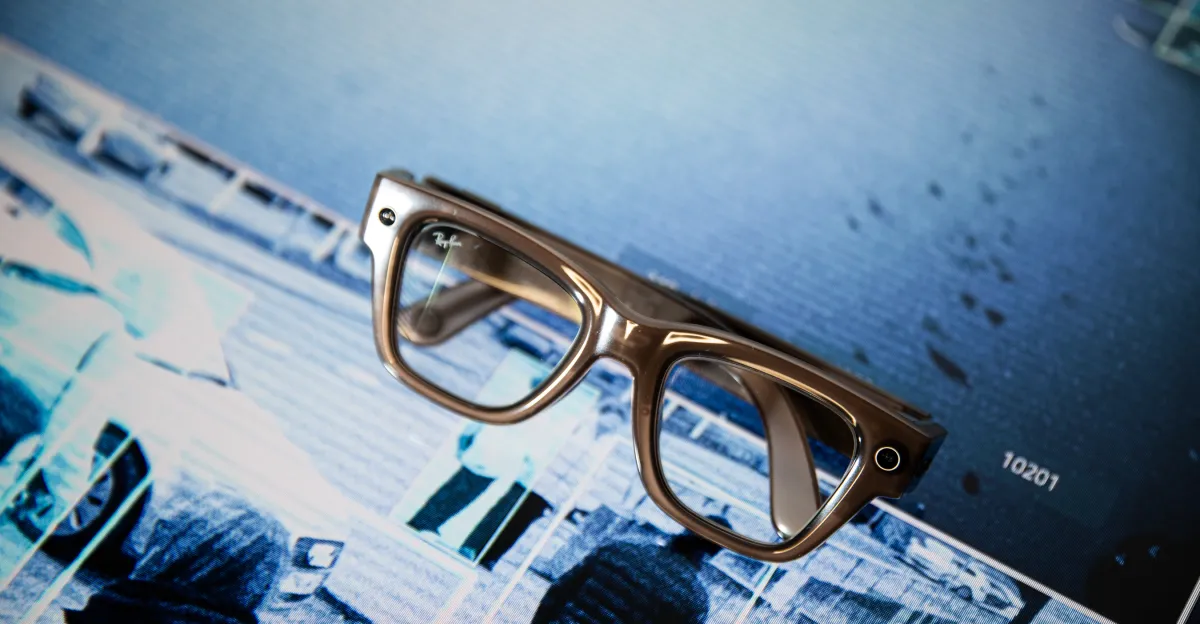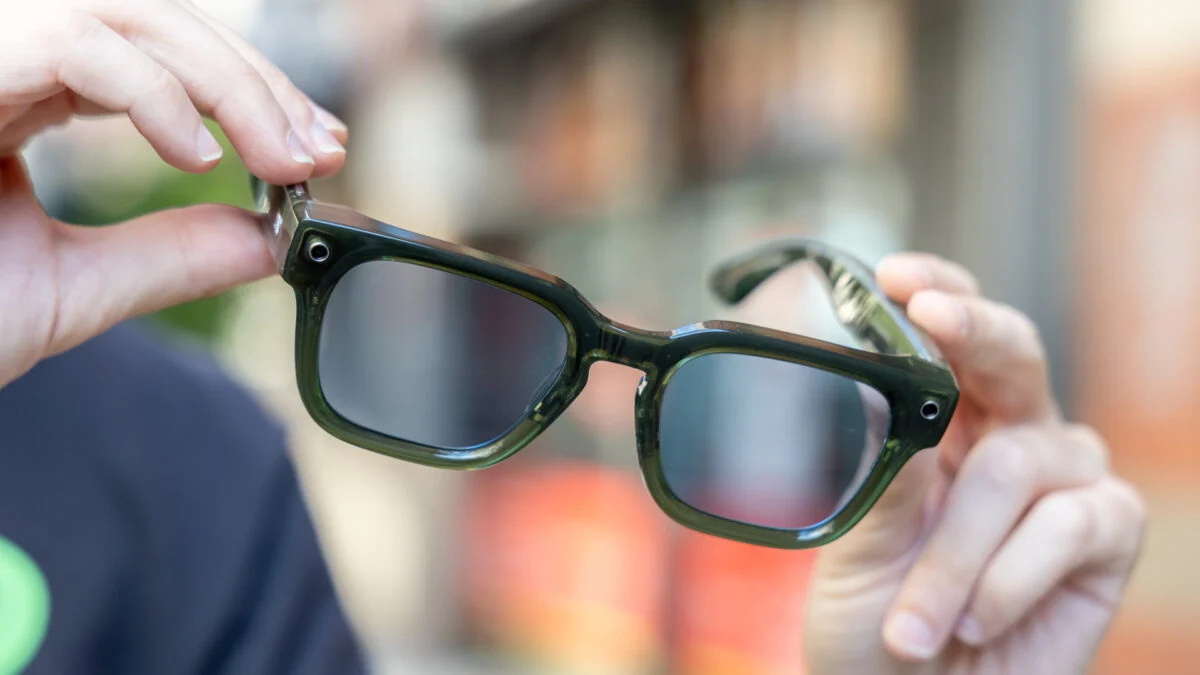
Whether Meta has made it official or not, all signs point to its smart glasses eventually colliding with facial recognition. The question, at this point, isn’t whether Meta is interested in cramming those two very complex and potentially problematic technologies together (it most likely is); it’s how exactly it will go about the unholy marriage.
In a recent interview with journalist and author Nicholas Thompson, Meta CTO Andrew Bosworth gave some insight into the company’s plans for how Meta’s smart glasses could use facial recognition. One stand-out bit has to do with the actual storing of faces. According to Bosworth, Meta envisions the feature as something that runs locally on a person’s device, meaning there would be no “central database” of faces it pulls from. “[It would be] encrypted locally to your device, somebody that you met in person with your glasses on who introduced themselves, or you said, ‘Okay, this is David, remember this person.’ Only available to you when you are wearing your glasses,” Bosworth said of its NameTag feature that was reportedly already found by Wired in a latent state inside the Meta AI app.
“This is a person you’ve met before. Here’s their name. They’re right in front of you. That’s what I’m talking about. That’s what we call the NameTag feature. And so I think people get confused because they hear ‘face recognition’ and they think, ‘Oh, there’s a central face database that everyone’s being scanned constantly into.'” If a central database of faces is where your head went immediately when you saw “Meta” and “facial recognition” in the same sentence, you couldn’t be blamed. Meta has actually done just that in the past when it was found to have collected and stored the faces of 1 billion people through Facebook. That massive and unethical biometric database was deleted after lawsuits from the states of Texas and Illinois.