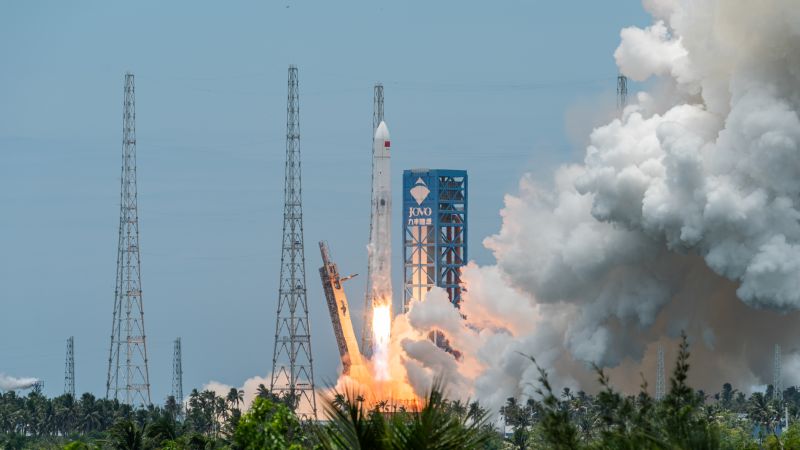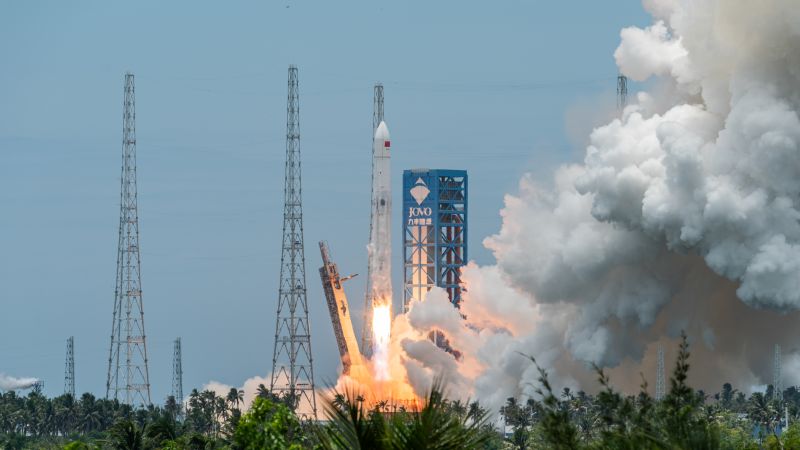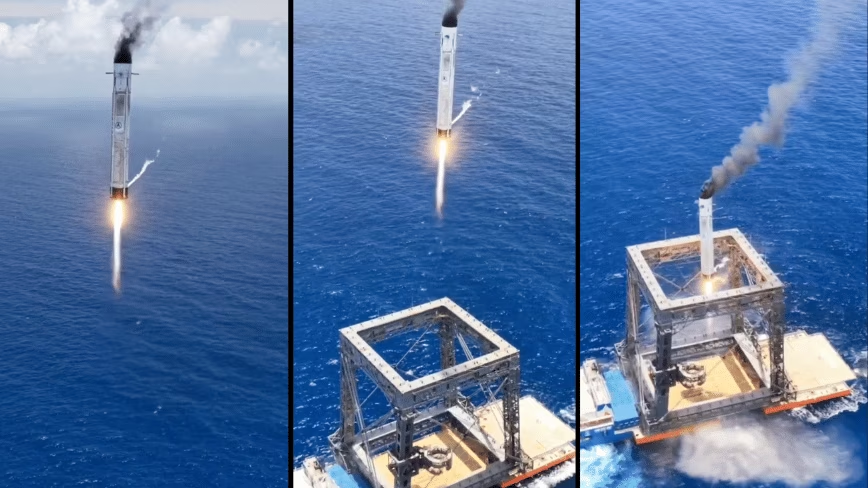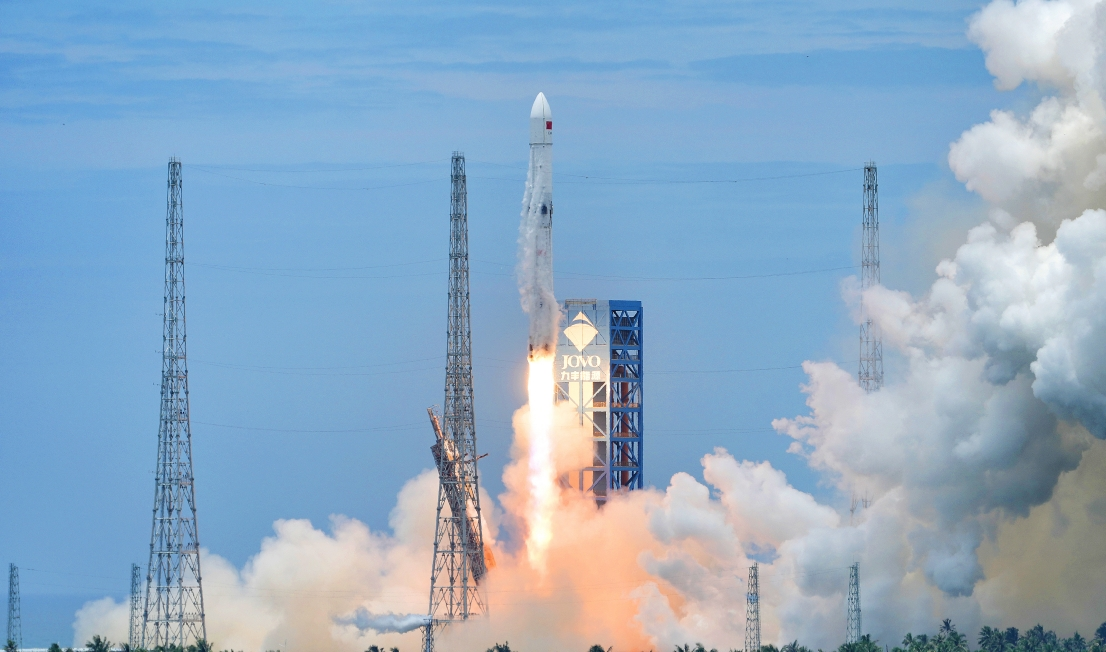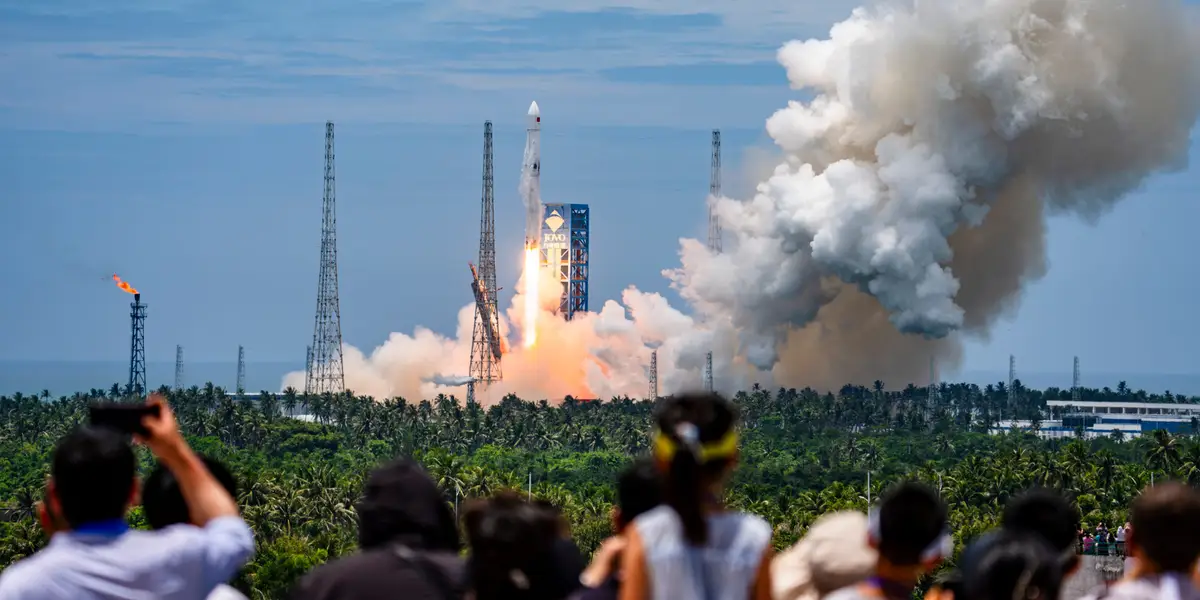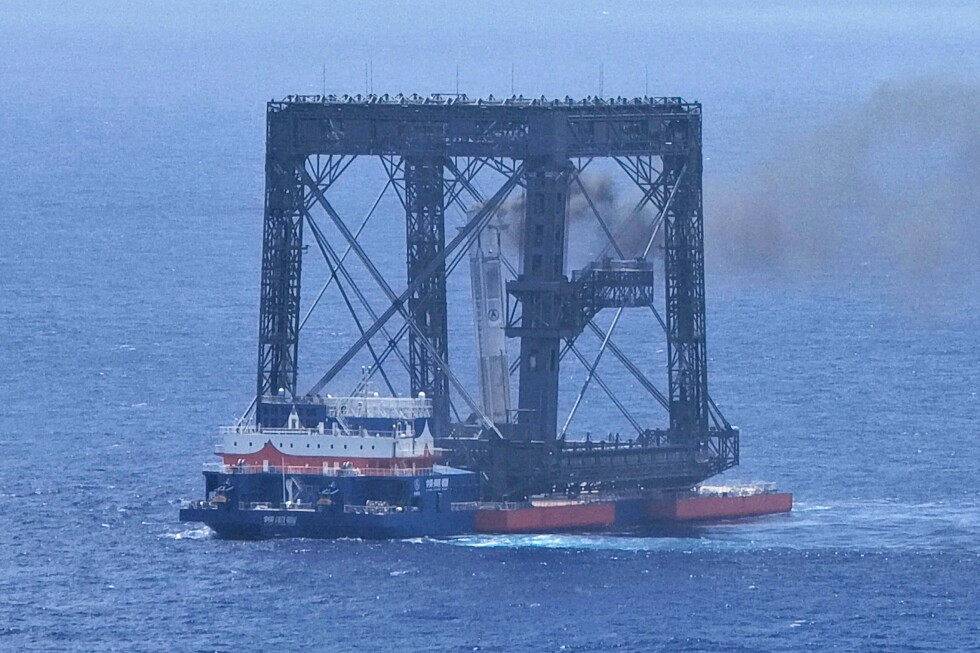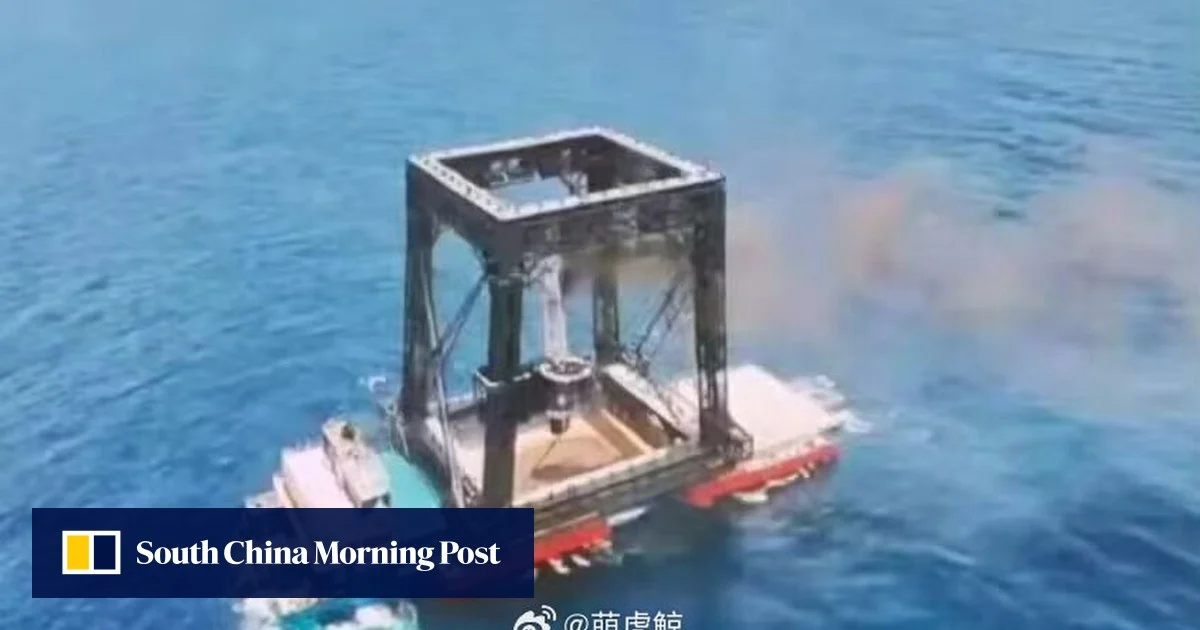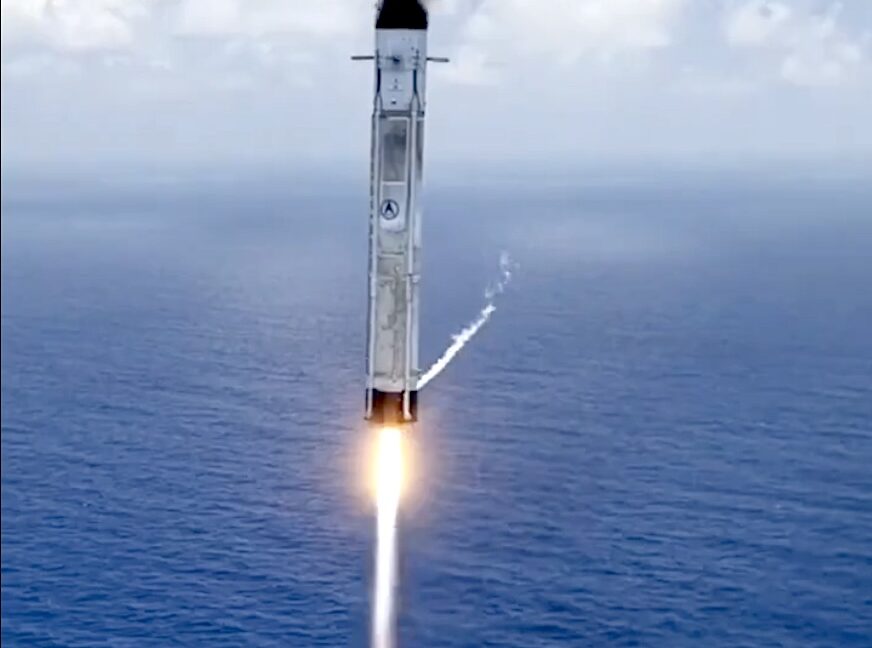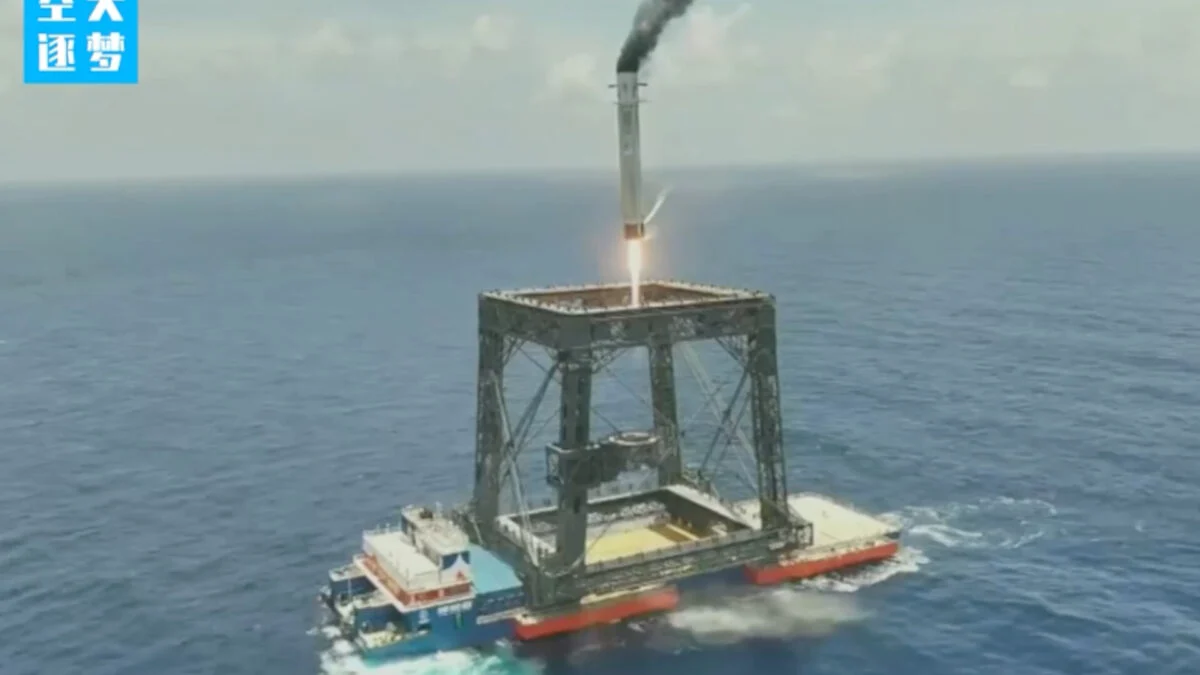
Earlier today, a Chinese rocket’s first stage slowly descended toward a floating platform and was gently caught by a cross-grid of wires at sea. The booster catch marks a huge accomplishment for the nation’s space program, allowing it to compete with U.S. industry giants like SpaceX. The Long March 10B rocket launched for its maiden flight on Friday, July 10, from the Hainan Commercial Space Launch Site in southern China. Around six minutes after stage separation, the rocket’s booster began its descent back to Earth in a vertical position and was recovered with a net-like system, China Aerospace and Technology Corporation (CASC) confirmed. The mission marked China’s first recovery of a rocket’s first stage, becoming the second country to achieve the major feat of rocket reusability.
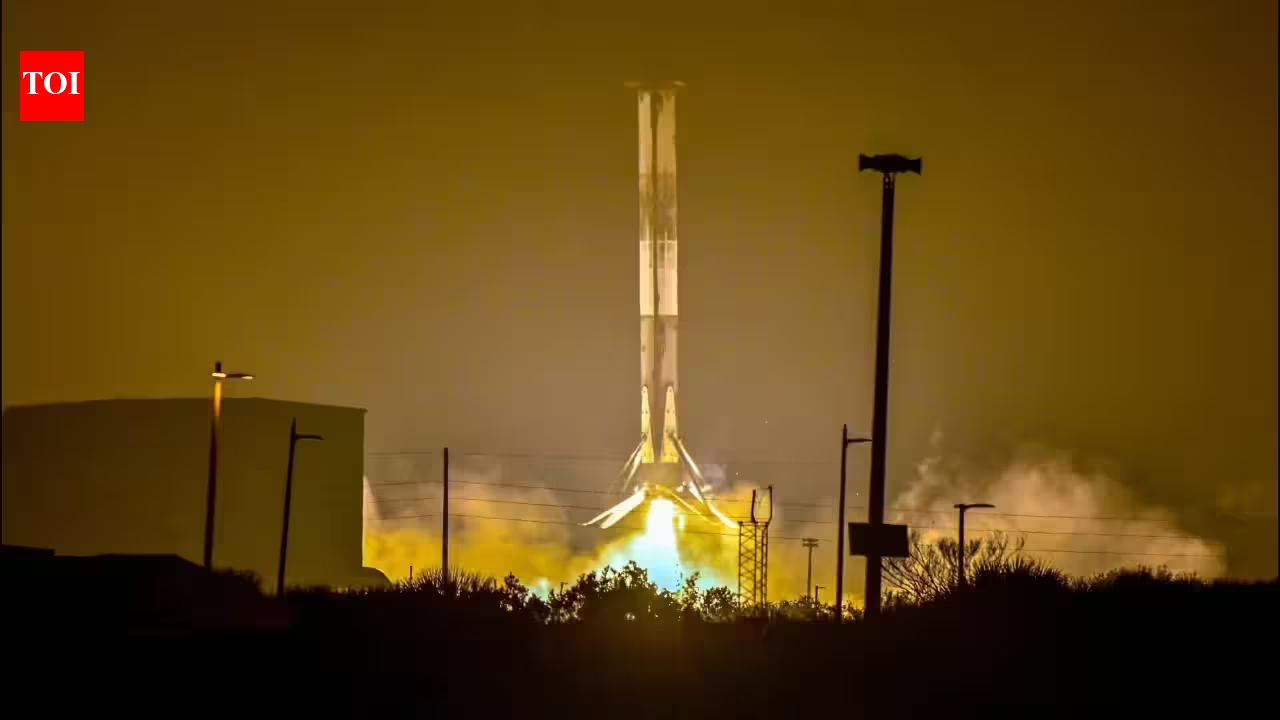
Good catch Long March 10B stands at 207 feet (63 meters) tall and can carry around 16 tons of payload to low Earth orbit. For its first flight, the rocket placed an unnamed satellite in orbit, according to CASC. The rocket’s first stage is designed to be reusable. But unlike SpaceX’s Falcon 9 rocket, which uses retractable legs for a vertical touchdown, the Long March 10B was captured by a flexible net system with hydraulic damping. For its capture, the rocket uses landing hooks to catch the net mounted on a recovery vessel.