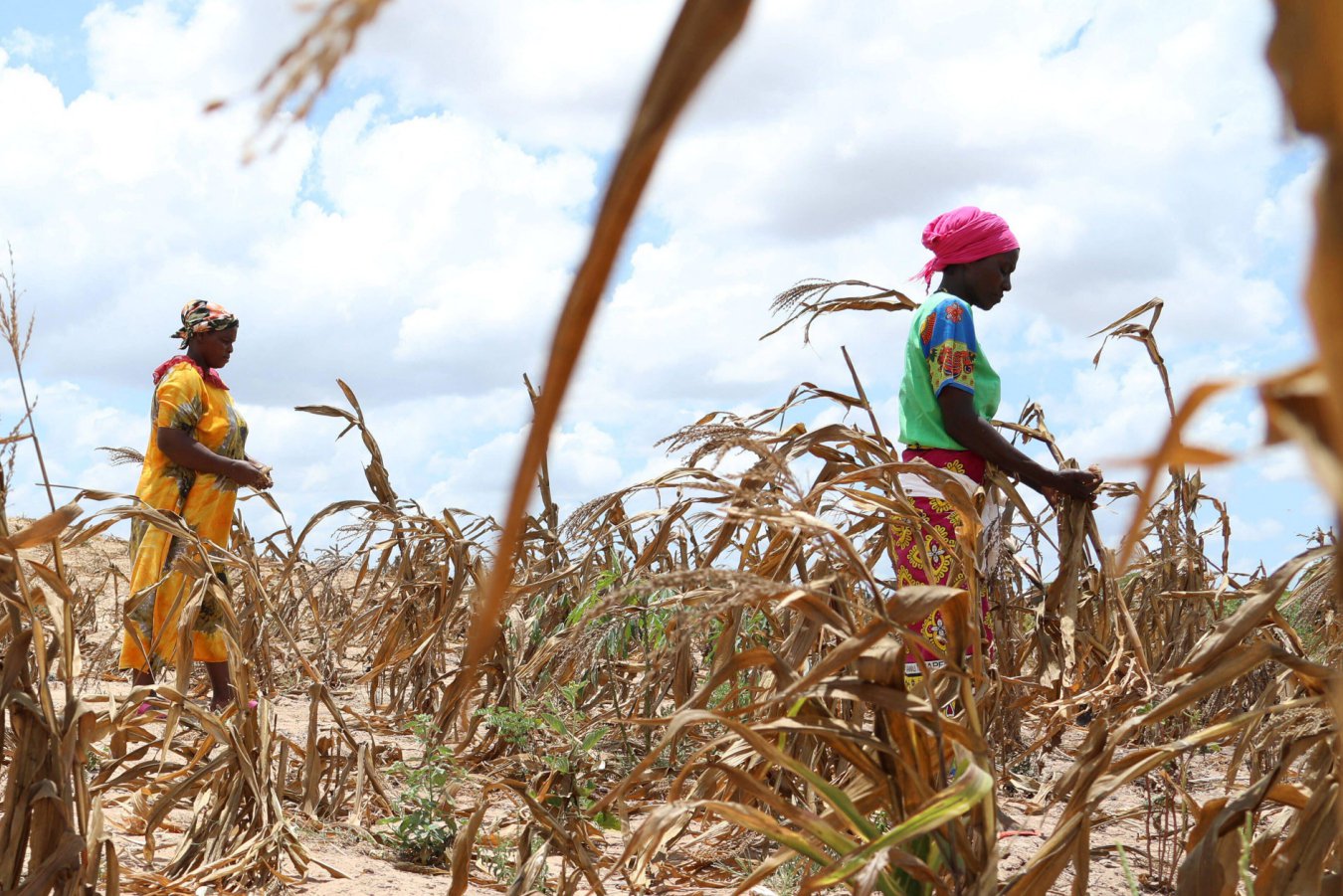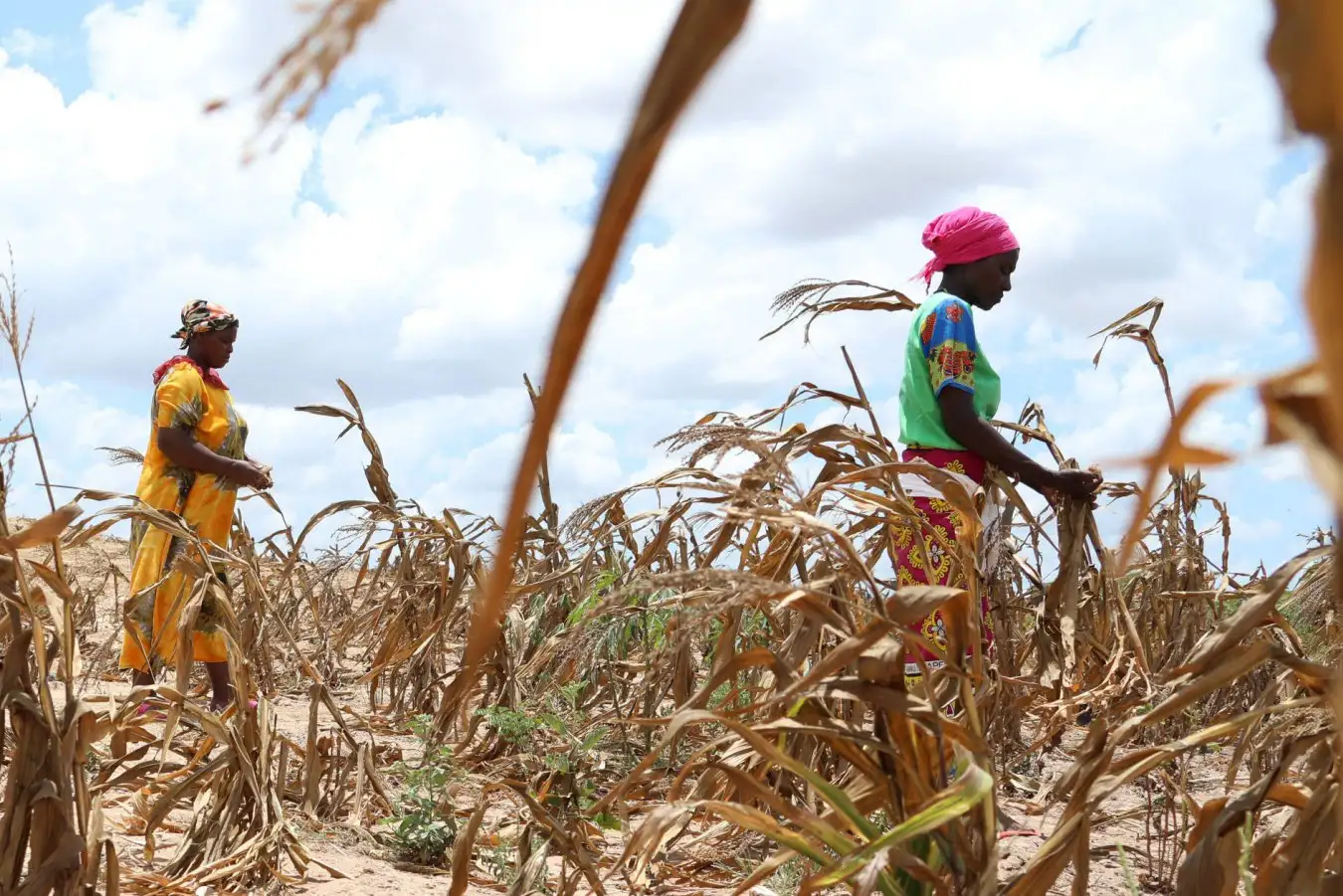
The economies of countries where many people work in farming will be hit the hardestImago/Alamy
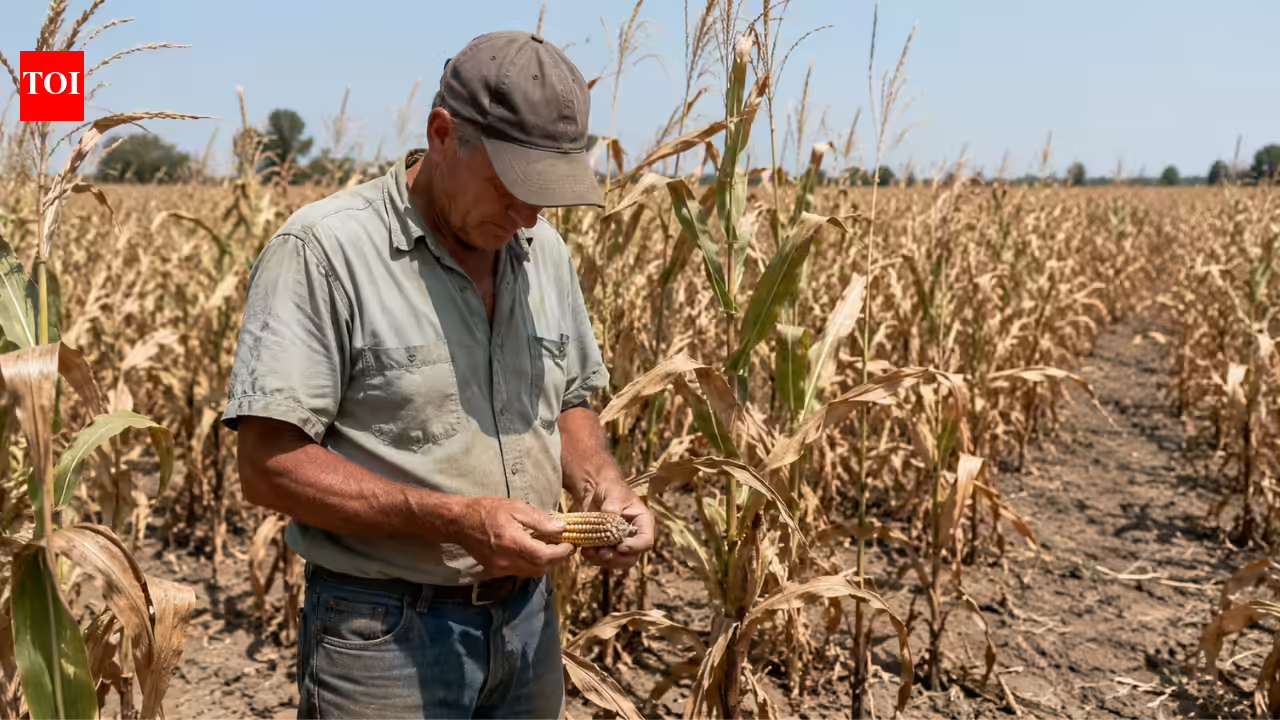
Global warming-fuelled heat and drought is already hitting yields of maize, wheat and soybeans to the tune of $20 billion a year, a study has estimated. This could rise eightfold, to more than $160 billion by 2100, unless we slash emissions.
While the financial losses will be greatest for big producers such as the US, the impacts will be felt most in the lowest-income countries, where the majority of the population works in farming, says Yi Ling Hwong at the International Institute for Applied Systems Analysis (IIASA) in Austria. “If you look at the least-developed countries in Africa, the impact is much bigger.” This could lead to social unrest and increased migration, she warns.
There is great uncertainty about these kinds of projections, not least because so much depends on how farmers respond and adapt to a continually changing climate, for instance, by switching to different crops or adopting irrigation where it is possible. In fact, the whole point of this study is to raise awareness and encourage adaptation, to help ensure these projections turn out to be overestimates, says team member Kai Kornhuber, also at IIASA. “This is the entire mission of climate scientists: we make these cases for people to react, so our projections turn out to be wrong.”