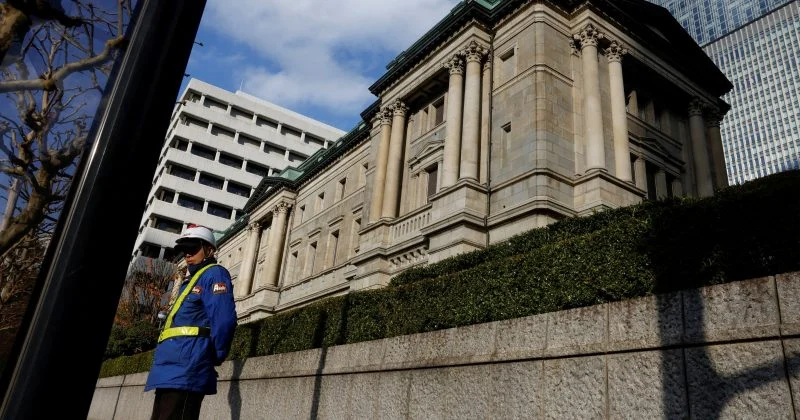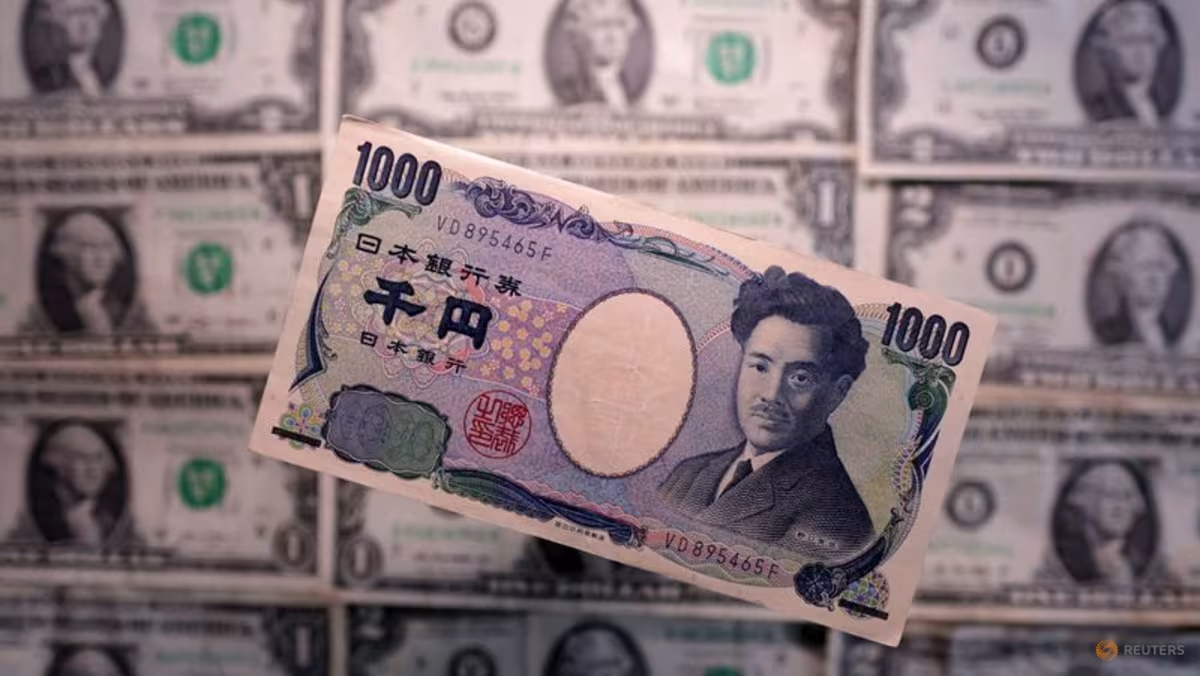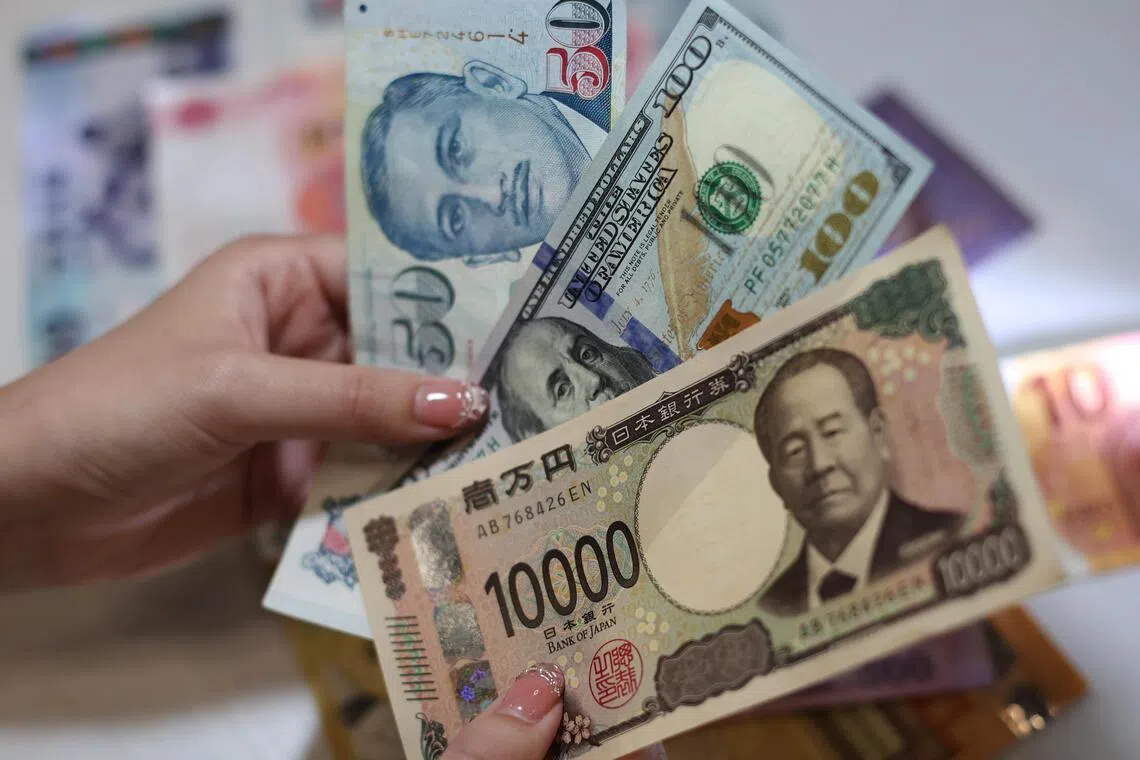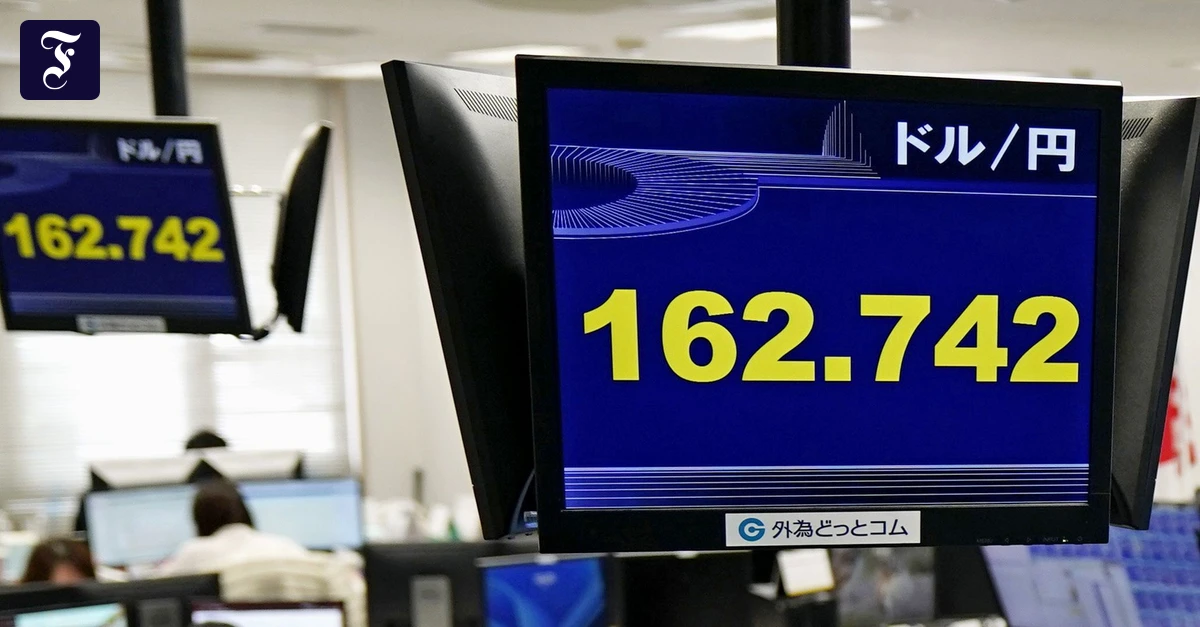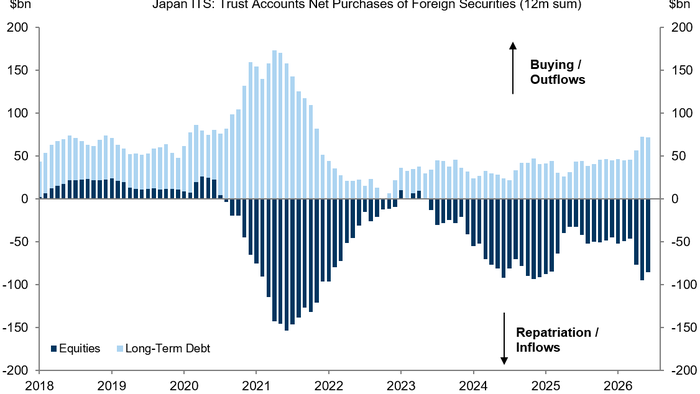
After a relentless collapse in the yen to a 40 year lows, the trajectory was finally dented overnight when Japan’s finance minister called for the nation’s massive pension funds to increase investments in domestic assets, boosting the yen from near four-decade lows and spurring a rally in bonds.“One priority is to encourage households, as well as pension funds including the GPIF, to increase their investment in Japanese financial assets. We intend to pursue policies that support that objective,” Finance Minister Satsuki Katayama said Friday, referring to the Government Pension Investment Fund. It’s one of the world’s largest pensions with ¥293.6 trillion ($1.81 trillion) in assets.The remarks in response to a question at a regular press briefing about government investment plans caught markets off guard, leading to a jump in the yen and a drop in bond yields. Both assets had been under considerable stress this week.According to Bloomberg, Katayama’s comments on the GPIF were prepared in advance, citing a person familiar with the matter said. It’s unclear if they were intended to be form of verbal intervention, although they certainly impacted the yen more than the recent BoJ rate hike or ongoing currency jawboning.Japan's giant GPIF pension fund is overseen by the labor ministry, not finance, and any changes to its investment strategy would have to go through an established process that would take time to implement. If any changes to allocations were to occur, the implications could spread beyond Japan. The nation is the largest foreign holder of US Treasuries with a $1.2 trillion stockpile, and almost $5 trillion of the country’s capital is deployed overseas. Ironically, over the past decade, the big push domestically was for the GPIF to invest more abroad, especially in US equities, at a time when Japanese stocks languished for year after year. However, with the Nikkei now significantly outperforming the S&P, it is hardly a surprise that local authorities are pushing for another reallocation, this time from abroad back to home.Katayama’s comments were in response to a question on how the government’s plan to increase investment in strategic areas, such as artificial intelligence, would benefit its people. Prime Minister Sanae Takaichi unveiled a plan last month for ¥370 trillion to be invested in the economy over the course of 14 years, with more than a quarter of it earmarked for AI and chips alone.“We want to ensure that the public can directly benefit from Japan’s economic growth,” Katayama said.The Takaichi administration is a well-known proponent of accommodative monetary policy. An early draft of its economic policy guidelines released last month fanned market worries that the government is trying to exert influence over the BOJ, prompting several revisions to tame concerns. Katayama also said on Friday that monetary policy should be handled by the BOJ.The call to reallocate investments signals the government’s intention to channel more household and institutional savings into domestic assets as the nation enters a new phase of economic growth accompanied by positive interest rates. Japanese equities have performed strongly this year, with the Nikkei 225 recently climbing above the 70,000 mark for the first time.While it’s not clear how seriously the government is considering the issue, a reallocation of funds toward domestic investment would be a boost for the yen near 40-year lows. Besides rate-differentials with the US that have weighed on the currency, the yen has also been under pressure from capital outflows and concerns about the Bank of Japan’s independence. In immediate response to the comments, the yen strengthened to as firm as 161.29 per dollar before paring some gains. Bonds rallied, with yields across the curve declining about 10 basis points.GPIF’s potential changes “cannot be ignored” given the size of its assets under management, said Yugo Tsuboi, chief strategist at Daiwa Securities. Katayama’s comments “could help sustain a ‘triple rally’ of bonds, the yen and stocks in the Japanese market.”
"GPIF To The Rescue?" Yen Jumps After Japan Urges Pension Funds To Invest More At Home
"Any meaningful reallocation back towards domestic assets should be a source of support for the Yen, in addition to any rise in recession risk or more aggressive BoJ hikes"
1,113 words~5 min read