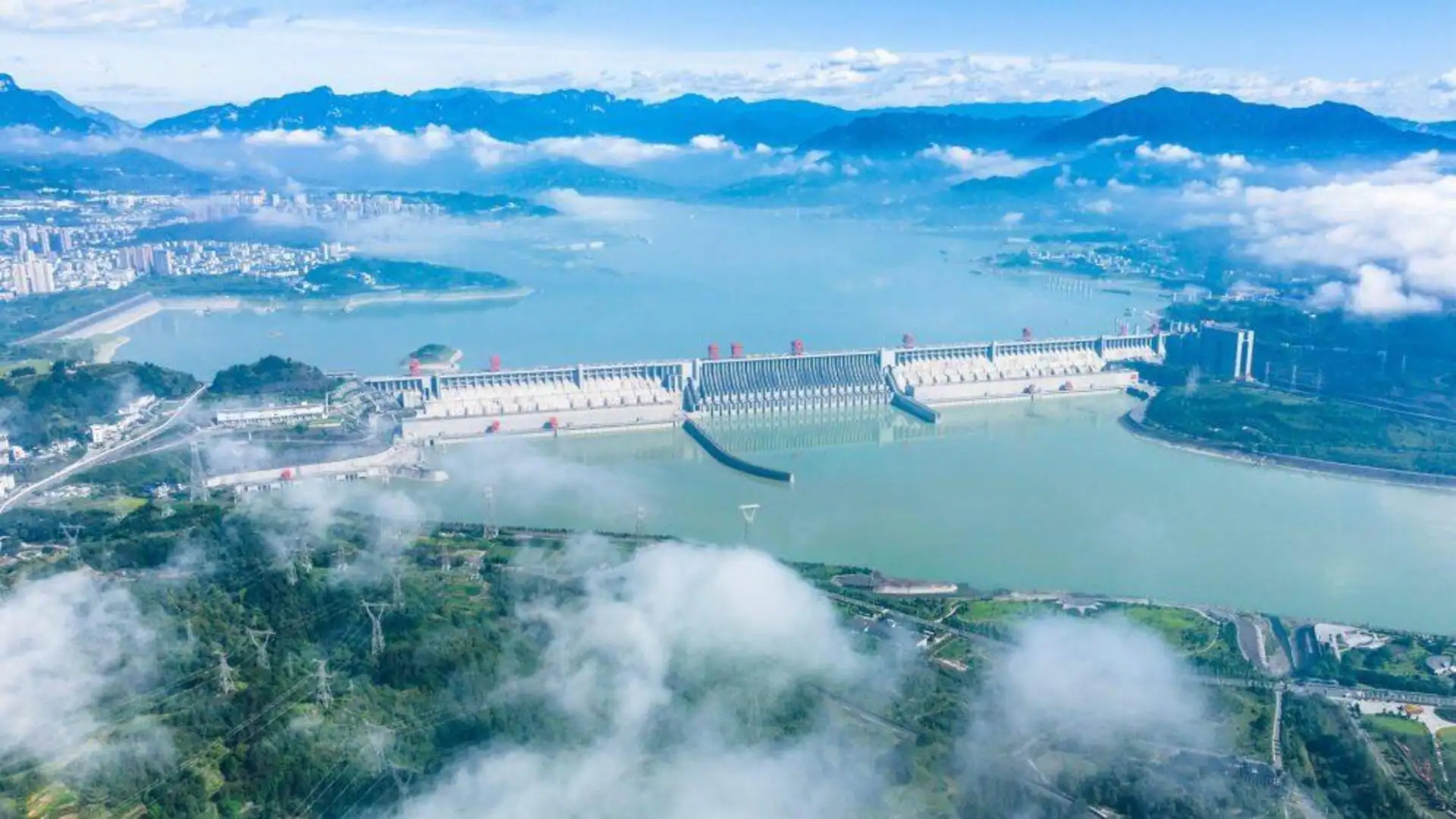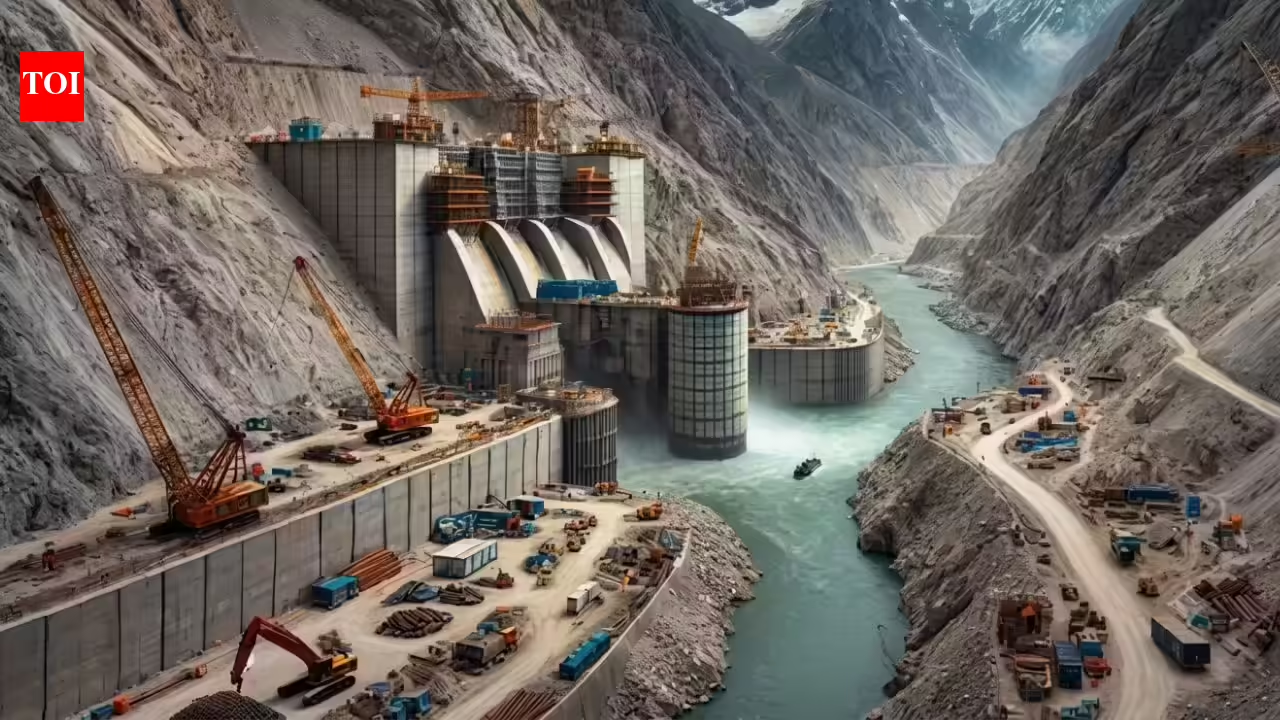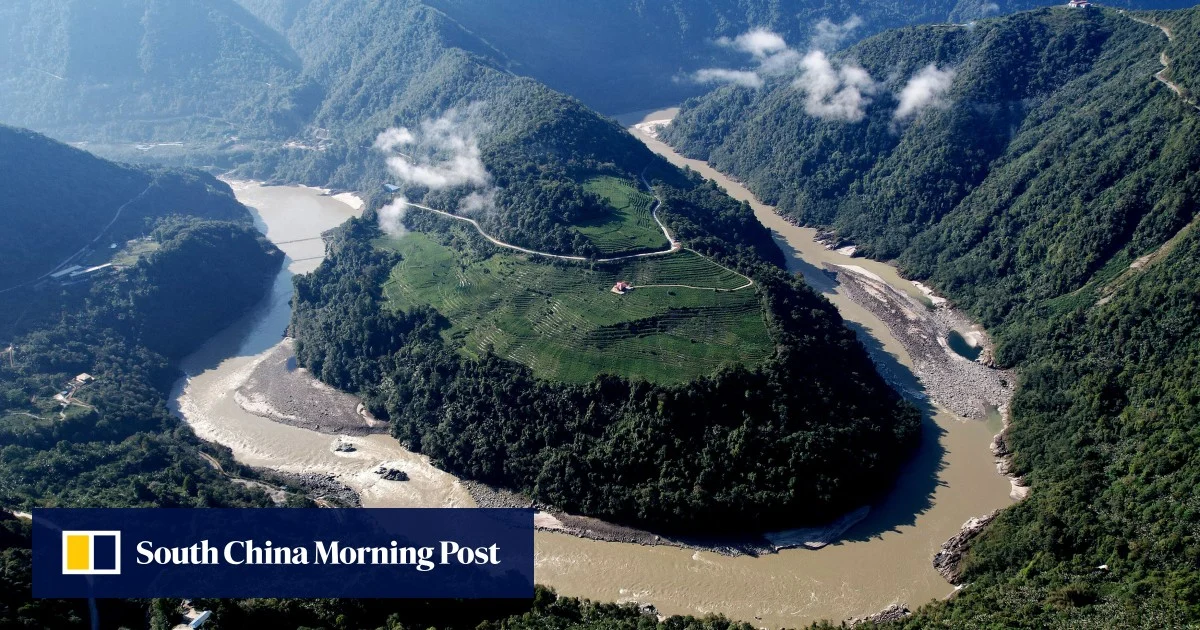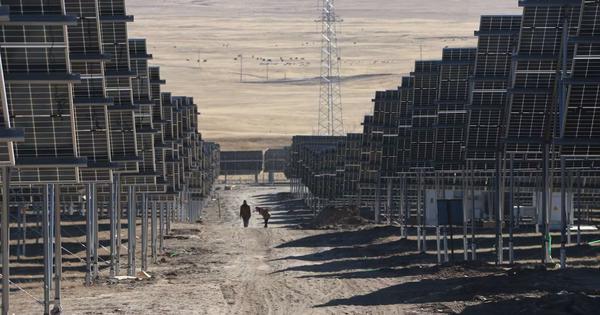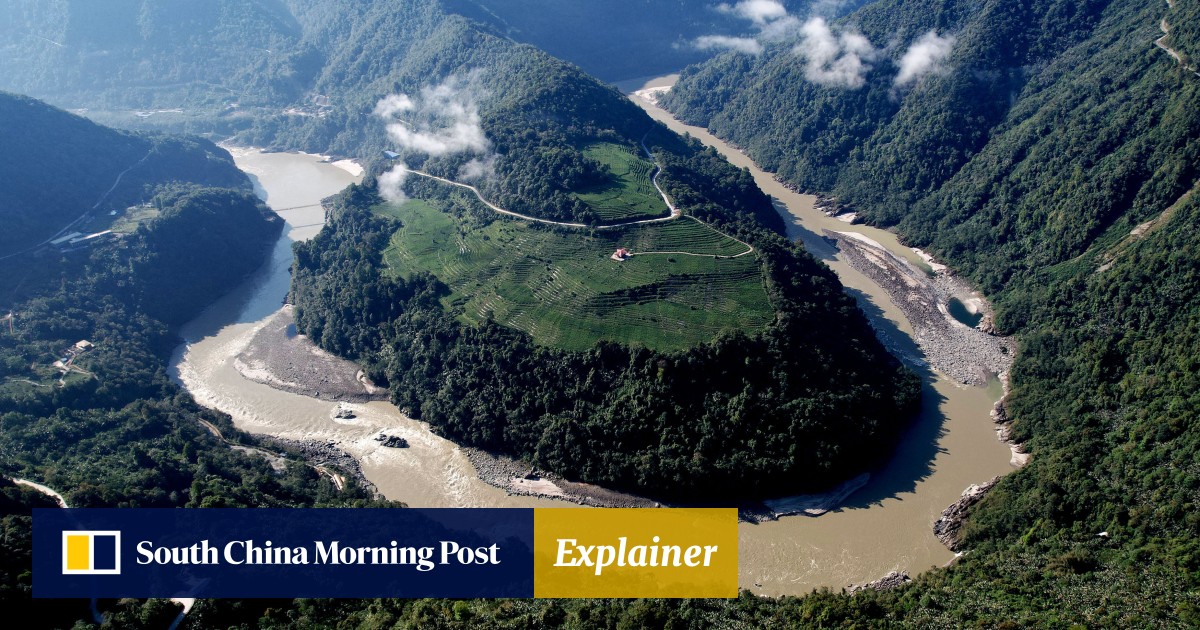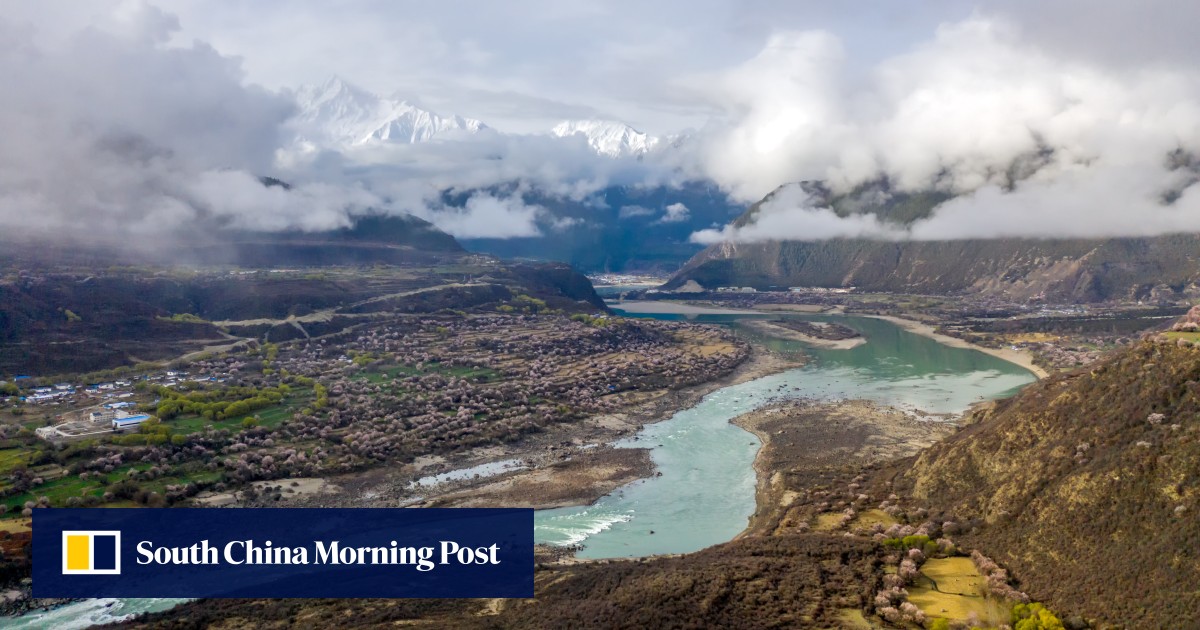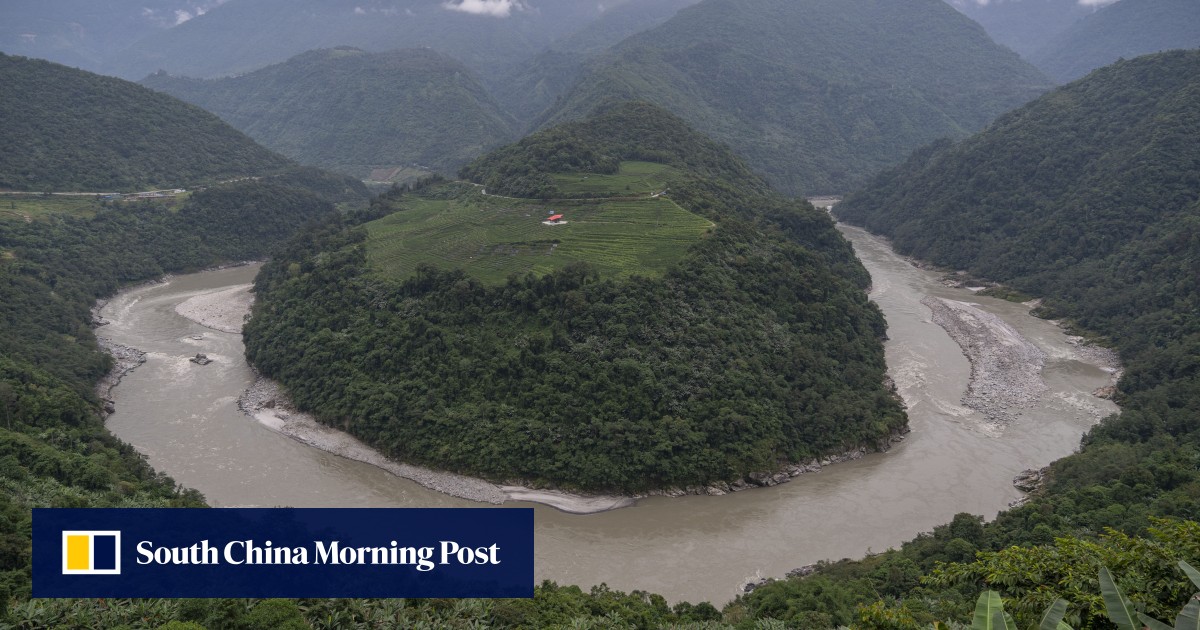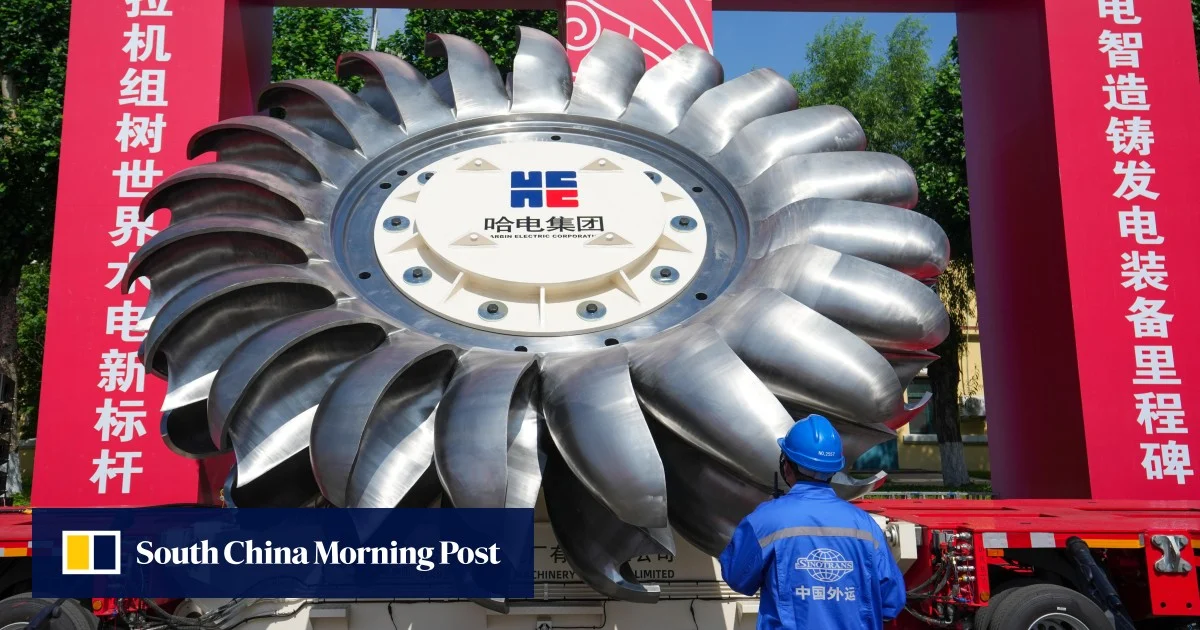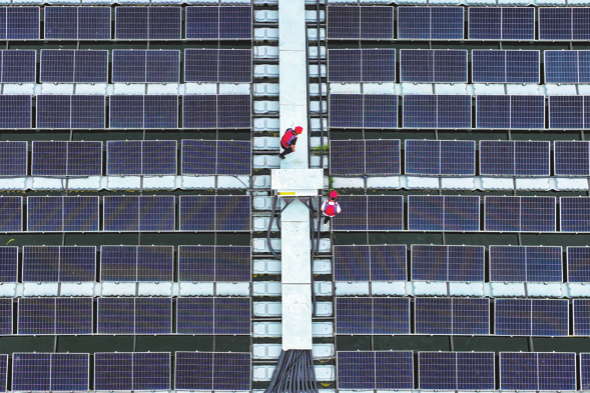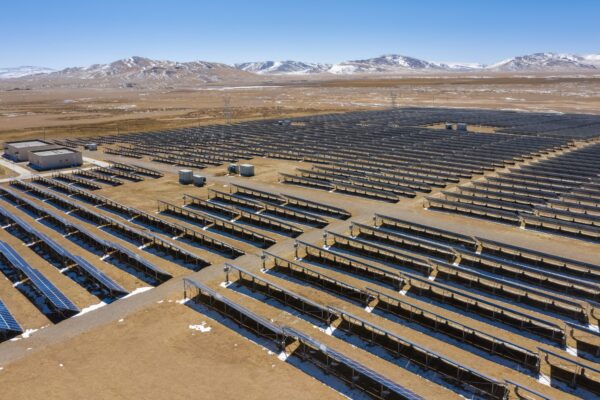
Amid the global shift to renewable energy, China leads the world in manufacturing and processing capacity. It is building major green infrastructure in Tibet, including large solar projects and the planned Metok (Motuo) mega-dam on the Yarlung Tsangpo. Many batteries used in clean technologies also depend on materials produced in the region. Tibet therefore stands at the forefront of China’s green energy development across wind, solar, and hydropower.
Recently, a newly identified chromite deposit was discovered in the Dongqiao region near Amdo Town in Amdo County, Nagchu Prefecture, adding over 1.1 million tons of associated chromite ore resources. The Luobusha mining area in Chusum County, Lhokha Prefecture, holds another 738,300 metric tons of chromite resources. China has also identified a new source of high purity quartz in Tingkye County, Shigatse City, aiming to reduce reliance on imports of this critical material used in solar panels and semiconductors, according to the South China Morning Post on June 8. These developments reflect China’s accelerating exploration of strategic minerals in Tibet.
Critical minerals, which are increasingly becoming strategic resources, are abundant in Tibet. Tibet plays an important role in China’s copper supply chain and generates significant economic benefits. Some of the largest mines under Chinese state control are located there, including the Yulong Copper Mine, which contains copper, molybdenum, iron, and gold. In 2024, Yulong’s copper production was approximately 159,100 metric tons. From January to September 2025, it produced 125,000 metric tons of copper. Its industrial output value reached 11.6 billion yuan in 2025, making it the first enterprise in Chamdo and the second in the Tibet Autonomous Region to exceed 10 billion yuan in output value.