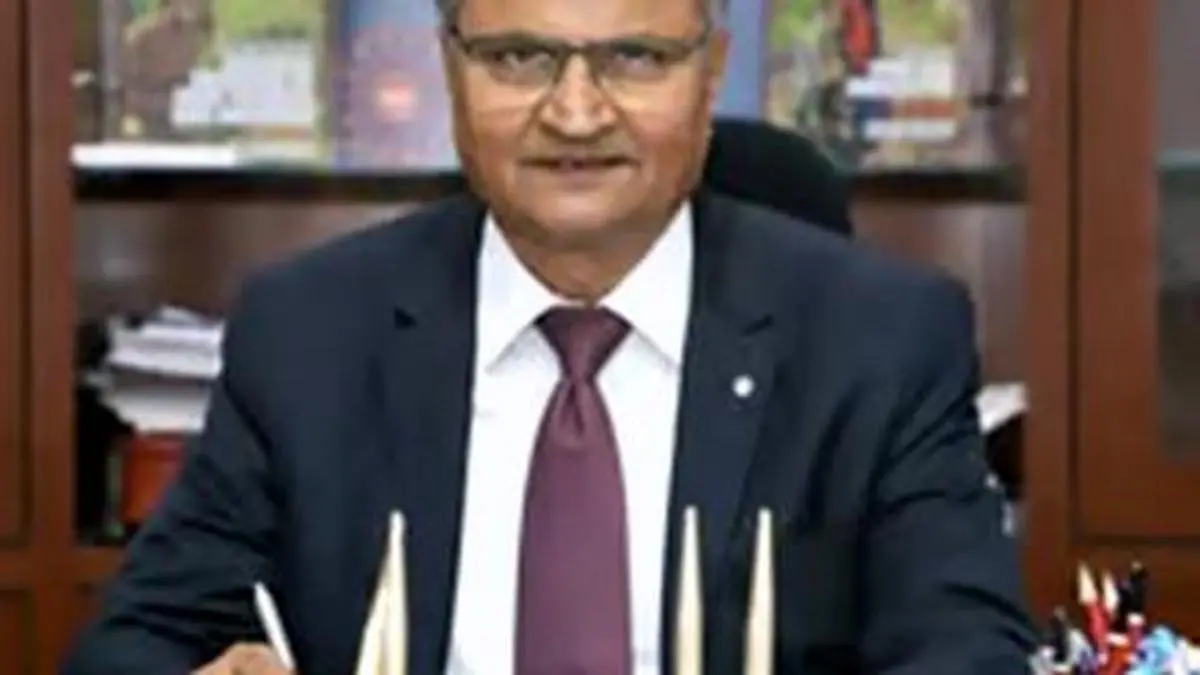
The Indian government should opt for need-based procurement of wheat and rice, but ensure minimum support price (MSP) for farmers through price differential payment (DP), former NITI Aayog member Ramesh Chand has said.“The government should come up with an alternative procurement policy by allowing the private sector to buy more grains, but at the same time ensure MSP to farmers through DP,” he said in his guest of honour address at the Wheat Products Promotion Society (WPPS) CEO’s conclave “Redefining Wheat Value Chains for a New India”.Procurement of wheat and rice should be limited to meeting demand for the public distribution system (PDS) and welfare schemes run by the government, he said.Value addition hitStating that value-addition helps in the country’s economic growth, he said the procurement of foodgrains under MSP was affecting value-addition. “The private sector is the biggest contributor to value-addition and economic growth,” the former NITI Aayog member said.Stating that a state like Uttar Pradesh was doing a higher value addition to wheat than Punjab or Haryana, which depended on MSP procurement by the government, Chand said that in the case of paddy, the government incurs a total cost of ₹42 per kg. “But it ends up selling rice for ethanol at a price lower than ₹24/kg.DBT paymentThe DP payment can be made through direct benefit transfer (DBT), which is picking up. “Despite procurement of wheat and rice by the Government, malnutrition in the country is above 10 per cent,” said Chand, who is also an agricultural economist. The agriculture sector has grown 10 per cent in the past few years despite facing such challenges,” he said. The MSP procurement does not encourage higher production growth, as seen in the case of rice and wheat. “They have witnessed only 2.5 per cent growth in recent years. Production of horticultural crops has increased by 3.5 per cent, that of dairy by 4.5 per cent, and corn has witnessed a 9 per cent growth,” said Chand.Agri export complexManoj Kumar Singh, CEO, UP State Transformation Commission, in his address, said an agriculture commodity export complex was coming up near the Jewar airport in Noida on 50 acres.“The complex will have testing and treatment facilities for all commodities so that farmers can get more value for their products through exports,” he said. Calling for more value addition to cereals to ensure better returns to farmers, Singh said Uttar Pradesh will increase wheat processing to 60 per cent, raising its value to ₹40,000-70,000 crore from the current ₹30,000 crore. “It will create 2.5 lakh additional employment,” he said.Mandi fees exemptionIn his welcome address, Deepak Kumar Bajaj, President of UP Roller Flour Millers Association (UPRFMA), sought an exemption from mandi fees for wheat procurement by the industry. It was costing the government additional money of ₹350 a quintal in procurement.Ajay Goyal, WPPS President, said artificial intelligence is changing the rules of the game, and the industry should adapt to the changes around it. The 2-day conclave, hosted by WPPS along with UPRFMA, discussed various issues such as climate, price risk, policy, procurement, trade, storage supply chain, food security and milling technologies. (The writer was in Varanasi at the invitation of WPPS)Published on July 10, 2026
India should opt for need-based grain purchases, allow private sector to buy more: Ramesh Chand
Ramesh Chand advocates for need-based grain procurement and private sector involvement while ensuring MSP for farmers through direct payments.
531 words~2 min read