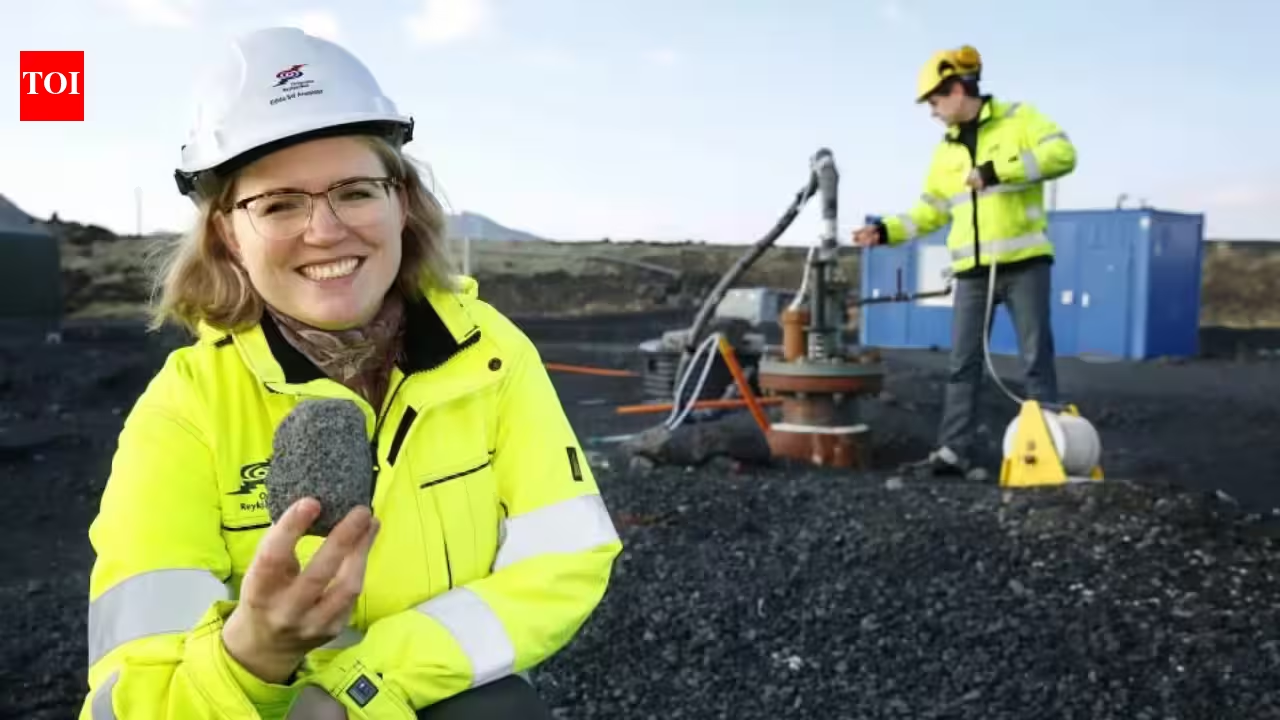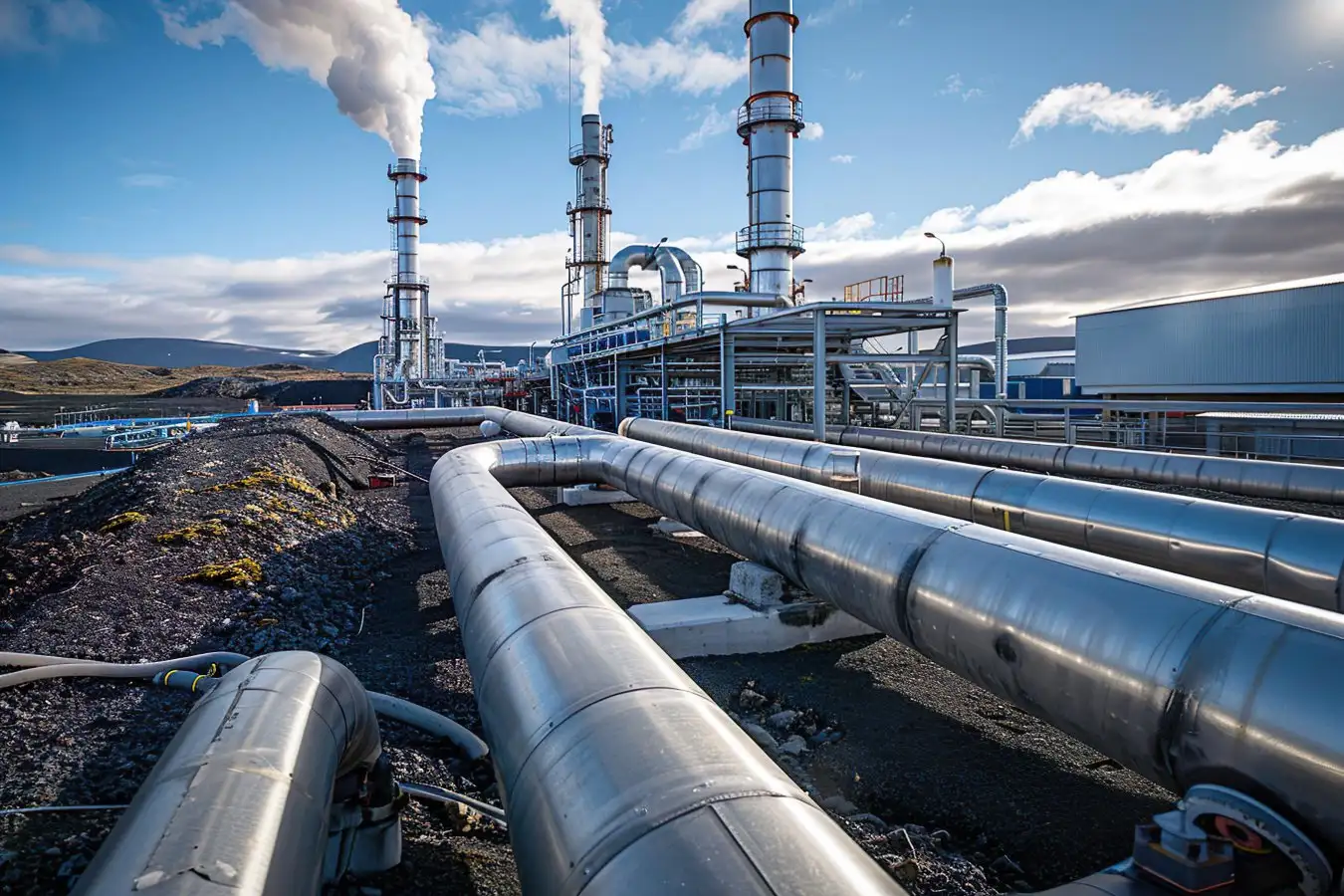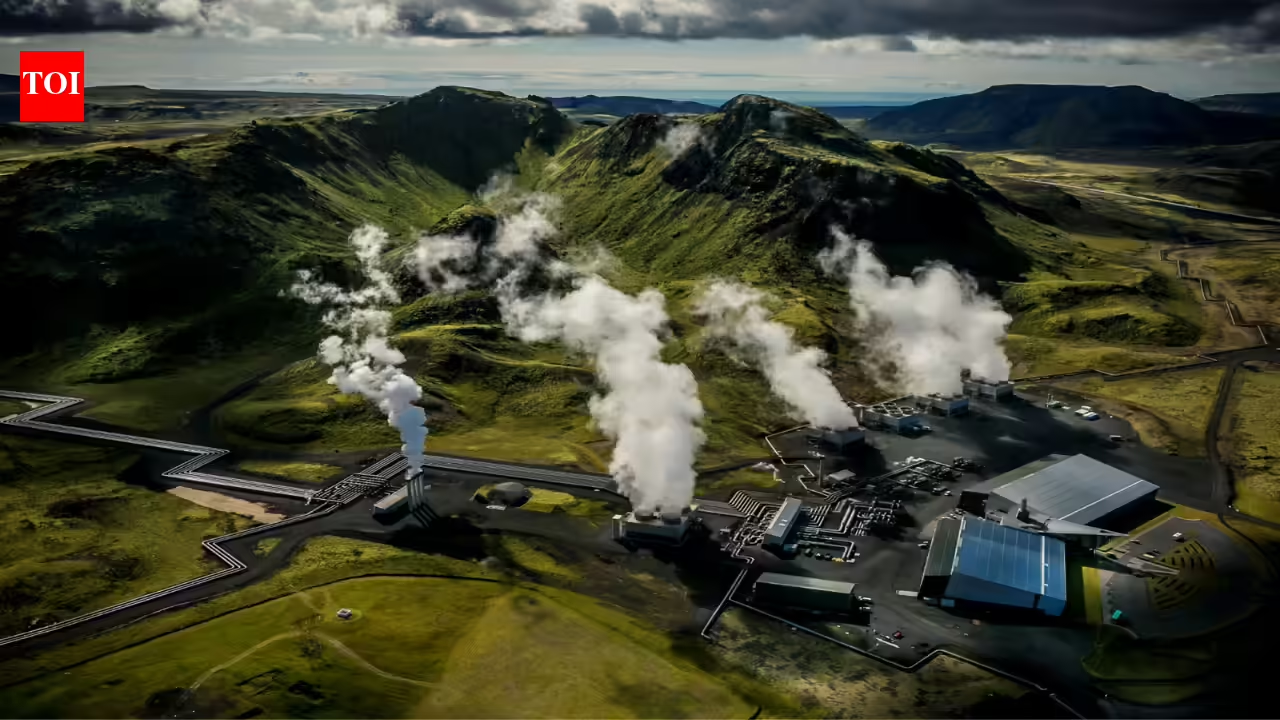
The Hellisheiði Geothermal Power Plant is the site of the original Carbfix project, which injected approximately 200 tons of CO2 into the subsurface and fixed it as stable carbonate minerals | Wikimedia CommonsFor decades, scientists have searched for ways to keep carbon dioxide (CO₂) out of the atmosphere after it is produced. Cutting emissions remains the most effective way to slow climate change, but some industries, including cement, steel, and geothermal energy, continue to release large amounts of CO₂ that are difficult to eliminate completely. Rather than storing that carbon gas in underground reservoirs where it must be monitored for leaks, researchers in Iceland have been testing a different approach: turning it into solid rock. Since 2012, the Carbfix project has injected captured CO₂ deep into volcanic basalt formations, where natural chemical reactions transform the gas into stable minerals. According to the journal Frontiers for Young Minds, this process mimics a geological reaction that normally takes thousands of years but accelerates it so the carbon becomes stone within just a few years under the right conditions.Image of calcite formed in basalt due to CO2-charged water-rock interaction at the Carbfix site | Wikimedia CommonsHow volcanic rock locks carbon away foreverThe process begins by capturing carbon dioxide before it enters the atmosphere. Instead of compressing the gas alone, Carbfix dissolves it in water, creating a carbonated solution similar to sparkling water. This mixture is then injected more than 2,000 feet underground into porous basalt, a volcanic rock rich in calcium, magnesium, and iron. Once underground, the dissolved CO₂ reacts with these minerals to form stable carbonate rocks. Unlike conventional underground carbon storage, where CO₂ remains as a compressed gas, mineralized carbon cannot leak back into the atmosphere because it has become part of the rock itself. More than 95% of the injected carbon dioxide mineralizes in less than two years, demonstrating that permanent geological storage can occur far faster than scientists once believed.Turning a natural process into a climate solutionThe technology works by dissolving captured carbon dioxide in water before injecting it deep underground into porous basalt rock. There, the CO₂ reacts with naturally occurring minerals such as calcium, magnesium and iron, forming stable carbonate minerals that lock the carbon away permanently. Instead of remaining as compressed gas that could potentially leak over time, the carbon becomes solid stone within a matter of years. Scientists say this approach mimics a natural geological process but accelerates it dramatically, offering one possible long-term solution for storing emissions that are difficult to eliminate.The Hellisheiði Geothermal Power Plant is the site of the original Carbfix project, which injected approximately 200 tons of CO2 into the subsurface and fixed it as stable carbonate minerals | Wikimedia CommonsFrom geothermal emissions to removing carbon from the airThe technology was first demonstrated at Iceland’s Hellisheiði geothermal power plant, where naturally occurring CO₂ released during electricity generation is captured and injected underground instead of being emitted into the atmosphere. Since then, the approach has expanded beyond industrial emissions. In partnership with Swiss company Climeworks, Carbfix now stores carbon captured directly from ambient air, combining direct air capture with permanent underground mineralization. Researchers believe this could become an important tool for removing historic carbon emissions alongside reducing new ones. However, experts stress that carbon removal cannot replace cutting fossil fuel use and should instead complement broader climate strategies. According to the Intergovernmental Panel on Climate Change (IPCC), achieving global climate targets will require both rapid emissions reductions and large-scale carbon dioxide removal to offset emissions that are difficult to eliminate entirely.
Since 2012, Iceland has been pumping captured carbon dioxide into volcanic rock so it permanently turns into stone instead of escaping back into the atmosphere
For decades, scientists have searched for ways to keep carbon dioxide (CO₂) out of the atmosphere after it is produced. Cutting emissions remains the most effective way to slow climate change, but some industries, including cement, steel, and geothermal energy, continue to release large amounts of CO₂ that are difficult to eliminate completely.
589 words~3 min read