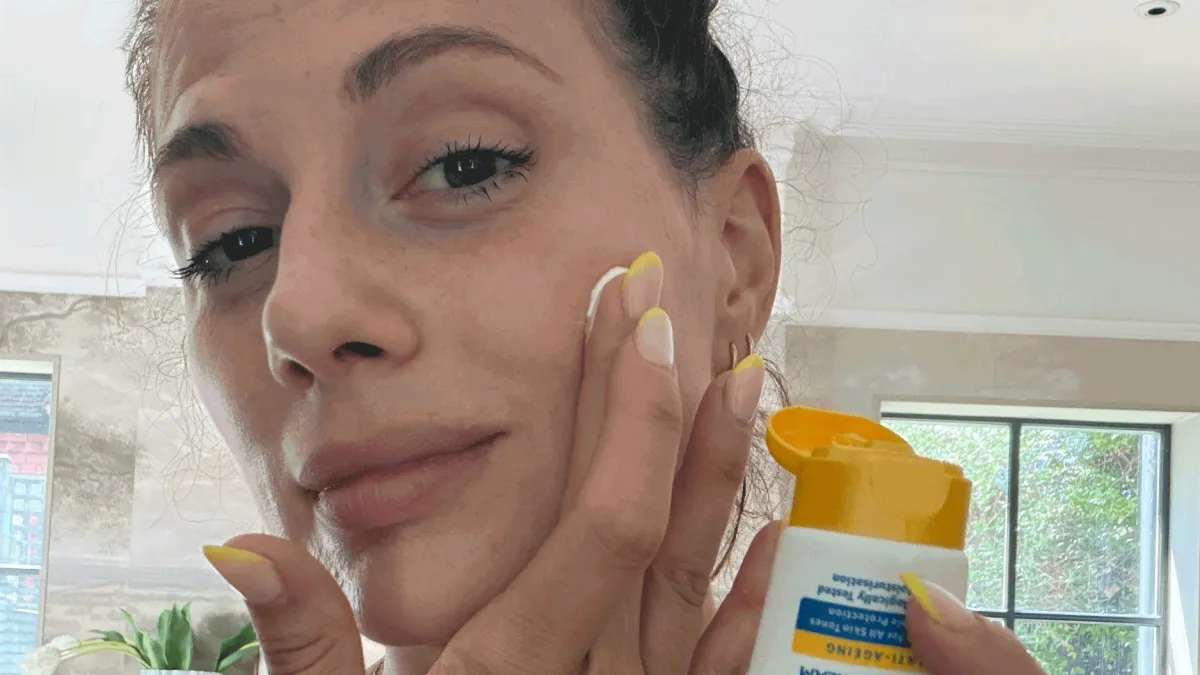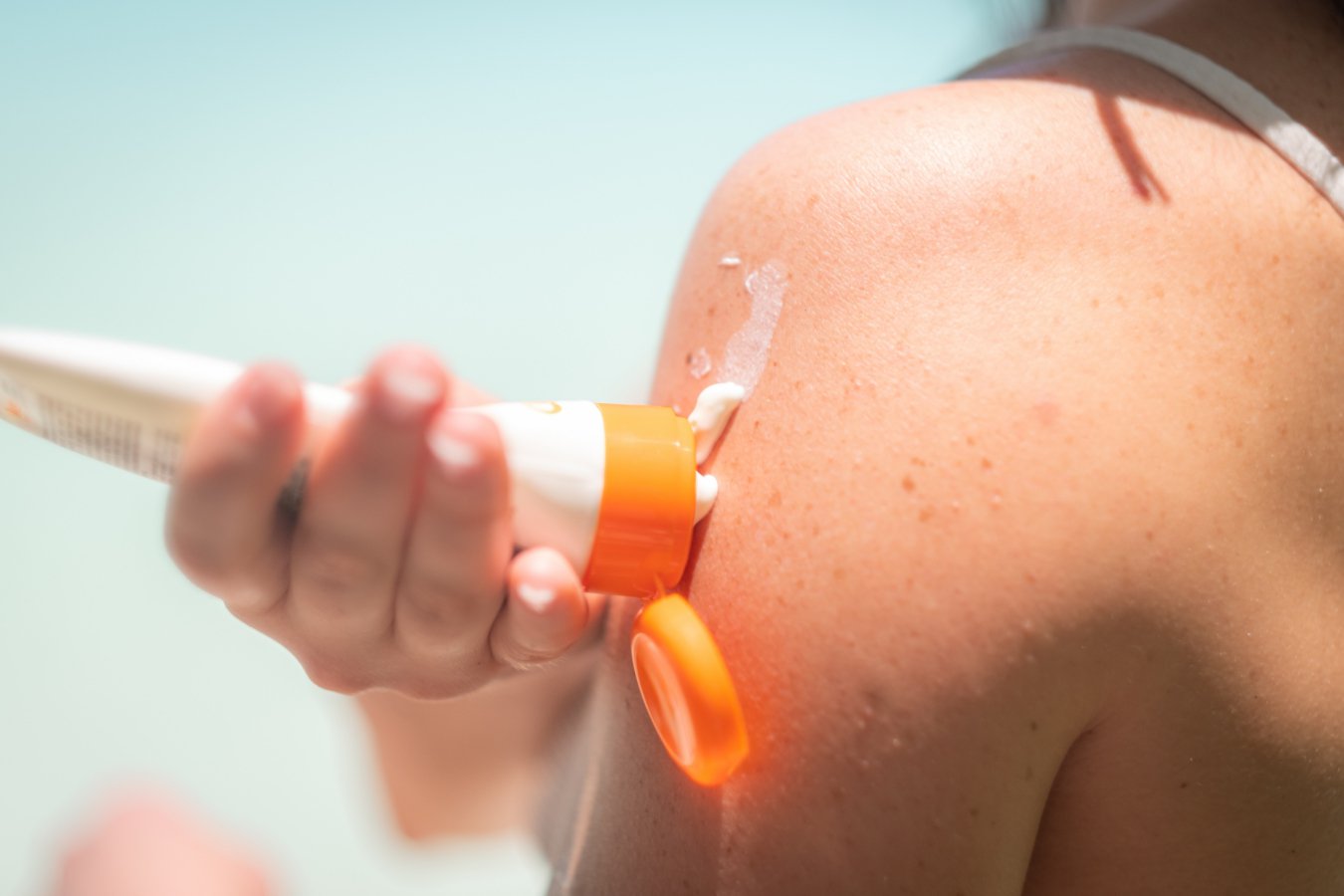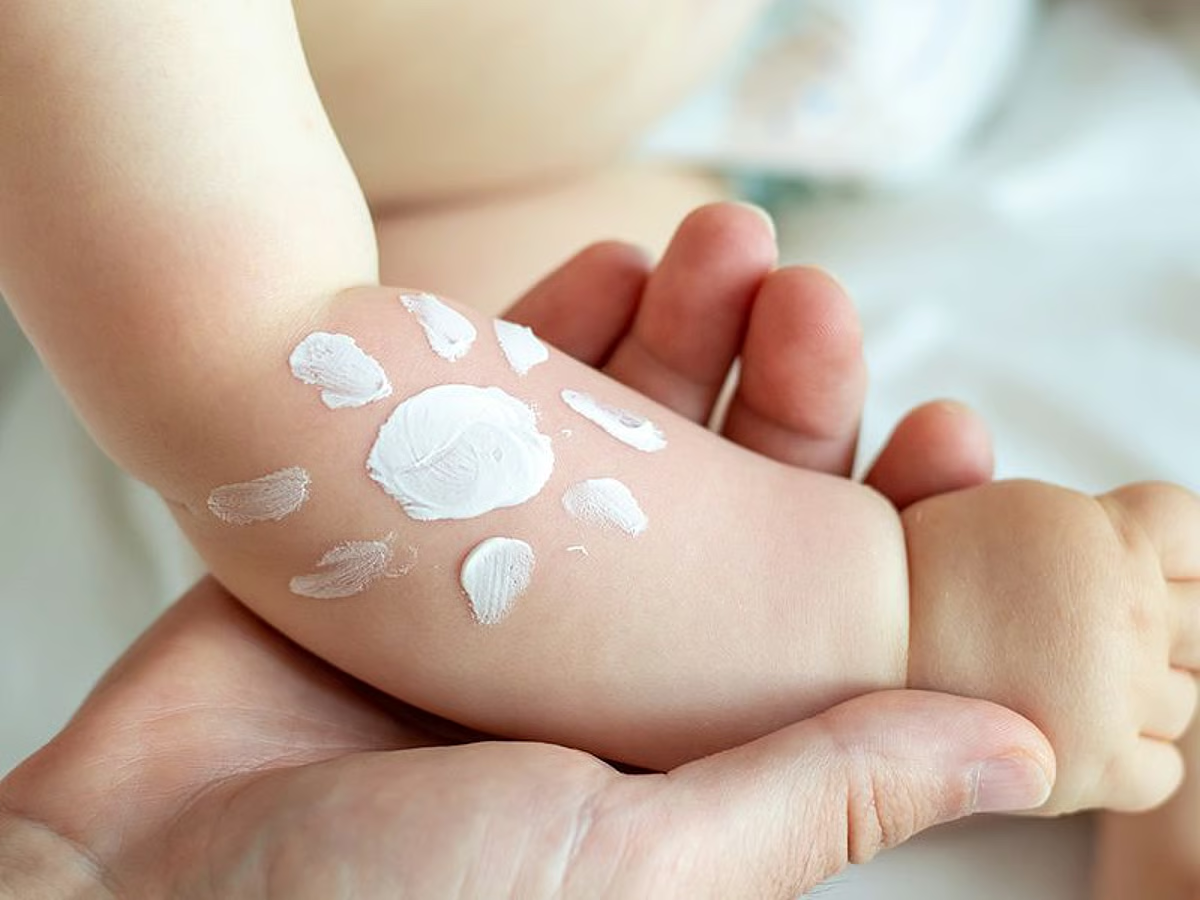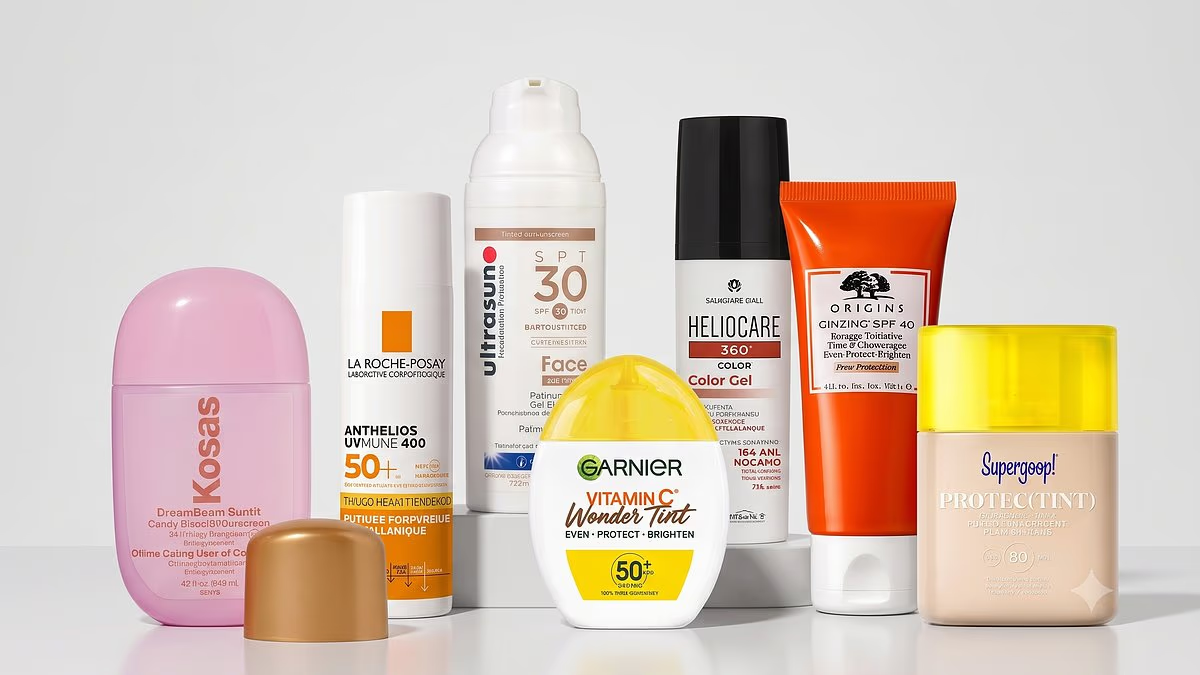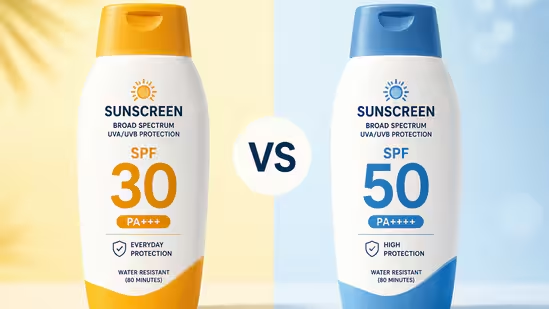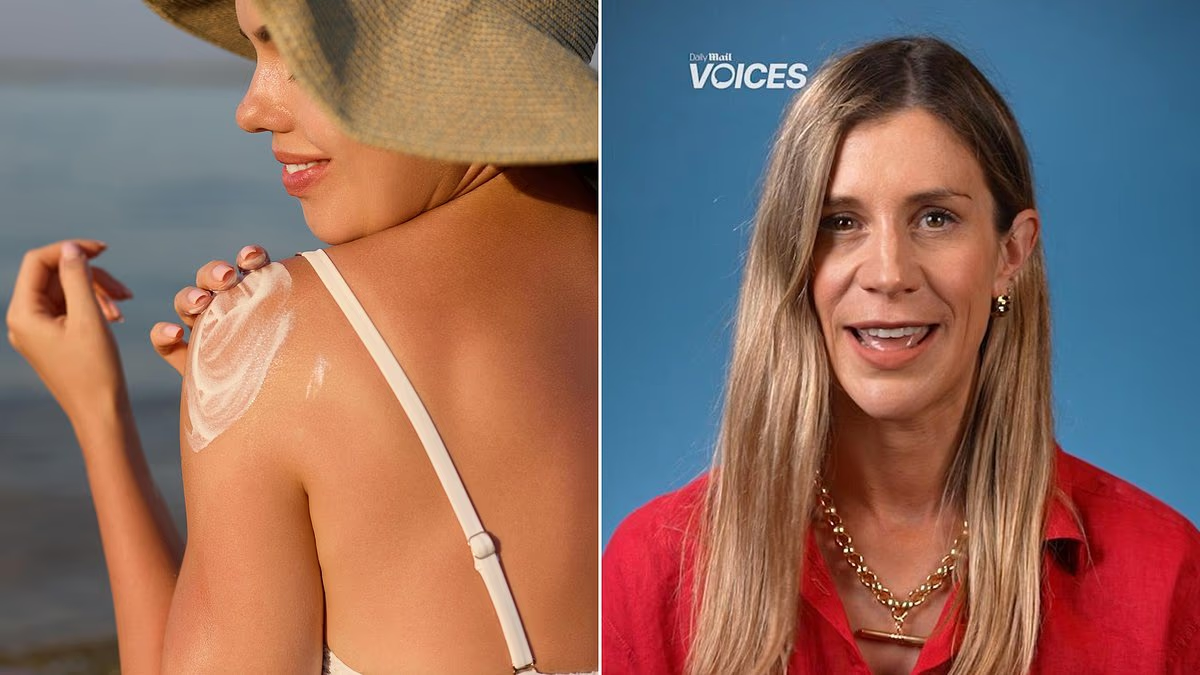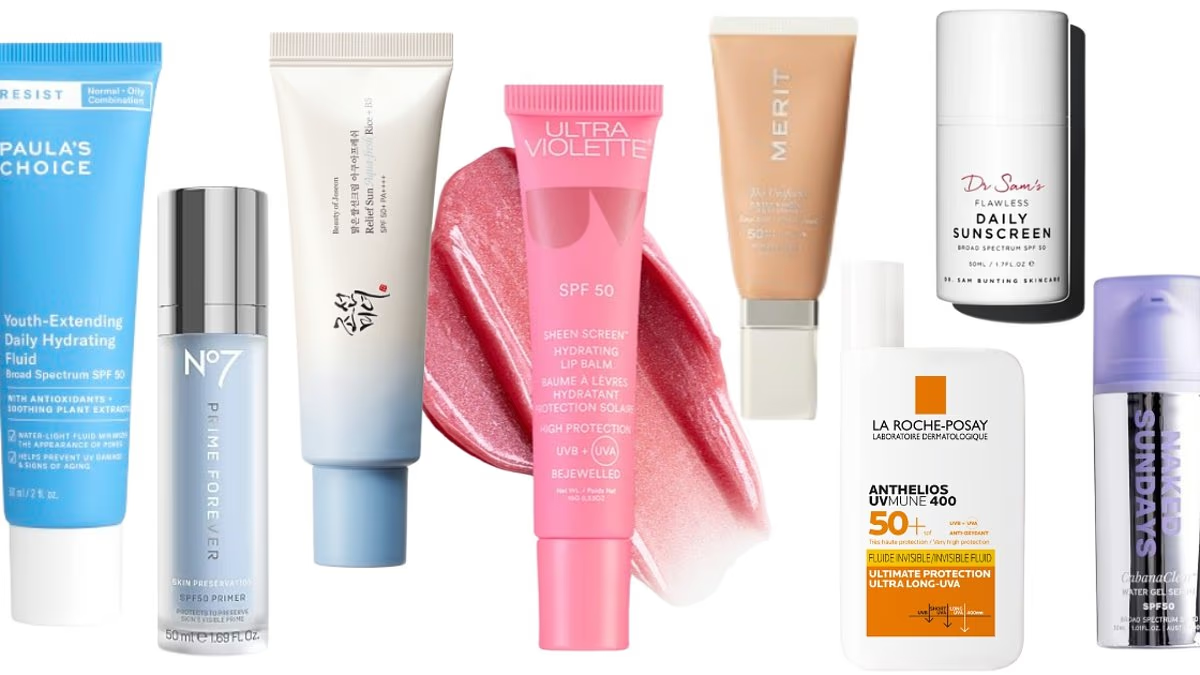
Daily Mail journalists select and curate the products that feature on our site. If you make a purchase via links on this page we will earn commission - learn moreSPF is one of the most effective ways to protect your skin – but only if you're using it properly. The temptation is to think that any sunscreen is better than none, but this weekend it's important to match your SPF to both your skin type and your plans.'If you're fair and you're going to be outdoors all day, then you're probably going to need to start with an SPF 50. But if you're just popping into the garden for half an hour or doing a bit of gardening, an SPF 15 may be perfectly adequate,' explains skincare scientist Clare O'Connor.What matters is getting the choice right from the outset. If an SPF 15 is too low for your skin type, it doesn't matter how many times you reapply it – you're still likely to burn.One of the biggest misconceptions around sunscreen is that SPF measures total sun protection. It doesn't. The SPF number only tells you about protection against sunburn, not how much UVA protection the product has.UVA rays penetrate deeper into the skin and are associated with long-term damage, including premature ageing. O'Connor recommends looking for the UVA symbol inside a circle or a product with a high UVA rating.How much sunscreen do you need to apply? The amount of sunscreen needed to achieve the protection advertised on the bottle is far more than most people use.For the face, O'Connor recommends the now widely adopted two-finger rule: squeeze sunscreen along the length of your index and middle fingers.'This gives you roughly the amount you need for your face. The sunscreen only works if you create an even film on the skin.'For the body, think bigger: around a two-pound-coin-sized blob for each limb or roughly a shot glass full to cover the entire body.Even the best sunscreen gradually disappears throughout the day.'According to our latest research, the ears (15.7%), scalp (15.1%) and back of the neck (12.7%) are the three areas people are most likely to forget when applying sunscreen, but they're also some of the most exposed parts of the body. 'The back of the neck in particular is constantly rubbing against clothing, and we also tend to sweat more around the hairline and neck in hot weather, meaning sunscreen can wear away more quickly in these places.'It's vital to reapply every two hours, so if you're out and about in the sunshine for six, that means reapplying at least twice.What's the best way to apply sunscreen without ruining make-up? Of course, you can perfectly apply SPF 50 in the morning, but once your make-up is on, the thought of ruining your hard work may put you off reapplying. Rather than rubbing lotion over your foundation, O'Connor recommends using a makeup sponge or brush.'Dab the sunscreen on rather than smearing it. It takes a little more time, but you can reapply without disturbing your makeup too much.'The goal, she says, is simply to recreate that even protective layer.Because at the end of the day, even the highest SPF only works if it's still on your skin.Can sunscreen go off? A tube of sunscreen abandoned on a dashboard may not be doing you any favours.'Sunscreen can split if it's left in a hot car,' says O'Connor. 'Temperatures can become incredibly high because of the greenhouse effect.'Beach bags are less of a concern, as sunscreens are tested to withstand changes in temperature. But if a product has separated into an oily liquid or looks curdled, it's time to replace it. If it still looks creamy and smells normal, O'Connor says it should be still effective to use.Should you opt for a mineral or chemical formula? The rise of mineral sunscreens has led many consumers to believe they're somehow more natural or gentler. O'Connor says that's largely a myth.'People talk about chemical versus non-chemical sunscreens, but they're all chemicals. Mineral sunscreens aren't more natural, and they're not necessarily less irritating.'Mineral formulas can work well for people with conditions such as rosacea, but they are more likely to leave a white cast, particularly at higher SPFs.'In terms of the "mineral vs chemical debate" - the best sunscreen is whichever one you enjoy using, as you're most likely to apply properly and reapply.'Are sprays and sticks as good as lotions? Every sunscreen, whether it's a lotion, spray, stick or gel, is tested in exactly the same way. The problem is often how people use them.'Sprays are effective, but people can misuse them. Often they'll spritz the mist, walk through it and think they're protected,' says O'Connor. 'But you need to get the equivalent layer of SPF that you'd apply with a lotion, which means rubbing it into skin.'Sticks, on the other hand, can be particularly useful around the nose, lips and eyelids because they create a thick layer that stays in place.The popularity of SPF top-up sprays has exploded in recent years, particularly among women who don't want to disturb their makeup. But O'Connor is sceptical that they provide enough protection on their own.'I wouldn't personally recommend a top-up spray unless you've already got a really good base layer of sunscreen underneath. Most people simply aren't applying enough of those fine mists to achieve the protection on the label.' BEST ALL-ROUNDER BEST UNDER MAKE-UP No7 Prime Forever SPFNo7 launched their Prime Forever range this year and of all the products I tested, the SPF was my favourite. It sits seamlessly under make-up and leaves a subtle glow. If you prefer a matte finish you may want a light dust of powder to take the edge off. £24.95 ShopBEST SPF MAKE-UP HYBRID Merit The Uniform SPF make-up has been around for a while, but it usually only contained SPF 15 or 30. Merit's tinted SPF gives you coverage and factor 50 protection in one. It melts into skin leaving a natural finish, and is available in 20 shades. £34 ShopBEST FOR BLEMISH PRONE SKIN Dr Sam's Flawless Daily SunscreenDr Sam's cleanser is one of my favourite skincare products and this SPF is a close second. Designed with more sensitive complexions in mind, this lightweight sunscreen is non-comedogenic - so it won't clog pores or upset acne prone skin. £31 Shop BEST FOR DRY SKIN Beauty of Joseon Relief Sun Aqua-FreshThis deeply hydrating Korean sunscreen delivers impressive sun protection alongside a hit of moisture, perfect for those with drier faces. Enriched with rice extract and vitamin B5, it leaves skin looking dewy, plump and perfectly nourished. £15.50 ShopBEST FOR OILY SKIN Paula's Choice Hydrating Fluid SPF 50Despite its hydrating name, this ultra-light fluid is great for oilier complexions thanks to its weightless, shine-free finish. It absorbs quickly and layers effortlessly under make-up without feeling greasy. £31.20 Shop BEST FOR LIPS Ultra Violette Sheen Screen Lips are one of the most overlooked areas when it comes to sun protection. But usually an SPF lip product means a boring, Aloe vera scented balm. Ultra Violette has changed the game with their SPF lip formulas. My favourite is Bejewelled, a shiny pink that keeps lips protected, soft and beautifully shiny. £17 Shop BEST FOR INVISIBLE FINISH Naked Sundays Cabana ClearThis innovative gel-serum texture melts into skin with absolutely no white cast. The barely-there finish feels more like skincare than sunscreen. £22.50 ShopPS...best fake tan for achieving a sun-kissed glow ByTerry Tea To Tan Bronzer If you're in emergency need of a faux glow ByTerry's newest addition to its Tea to Tan range is your best friend. It delivers a wash of radiant bronze that can be built up or washed off at the end of the day. £42 Shop James Read Golden Nights These overnight drops by James Read are my fake tan secret. Simply mix with your moisturiser before bed and wake up with a perfectly even, glowing complexion. £39 Shop
Expert reveals common sunscreen mistakes - plus 8 best to buy now
SPF is one of the most effective ways to protect your skin - but only if you're using it properly.
1,323 words~6 min read