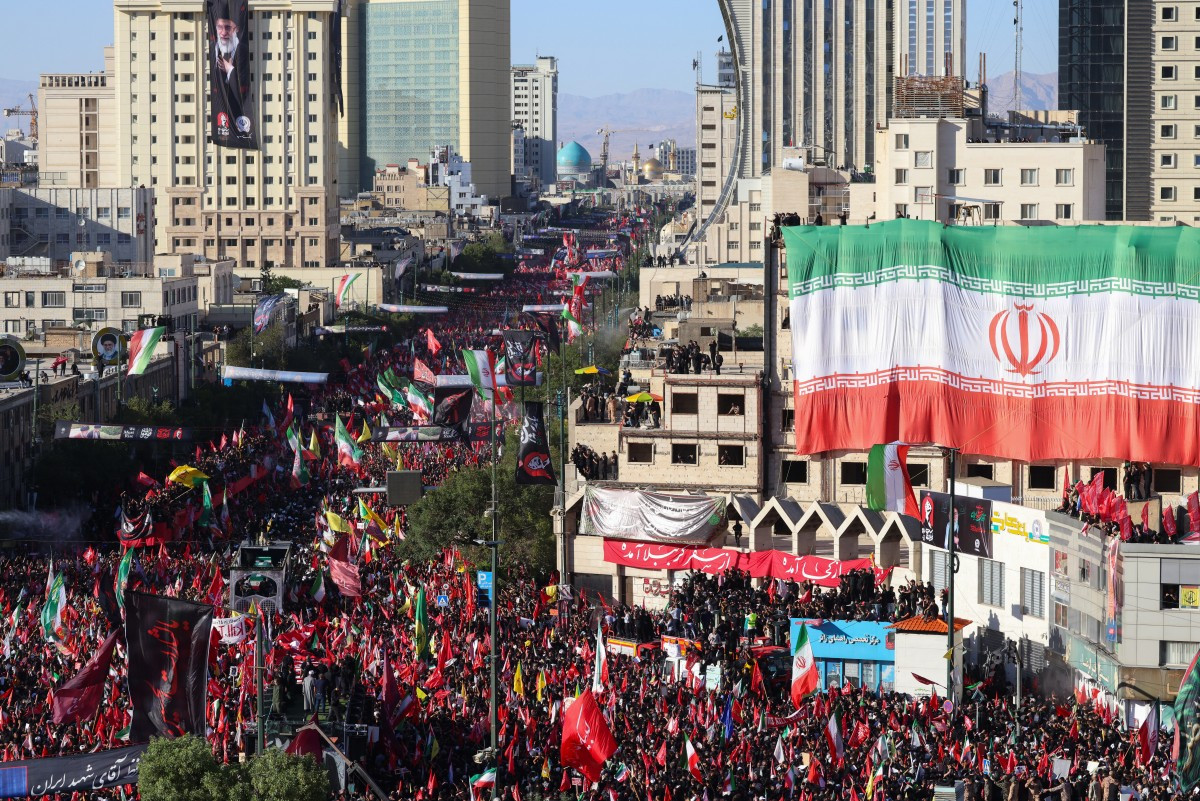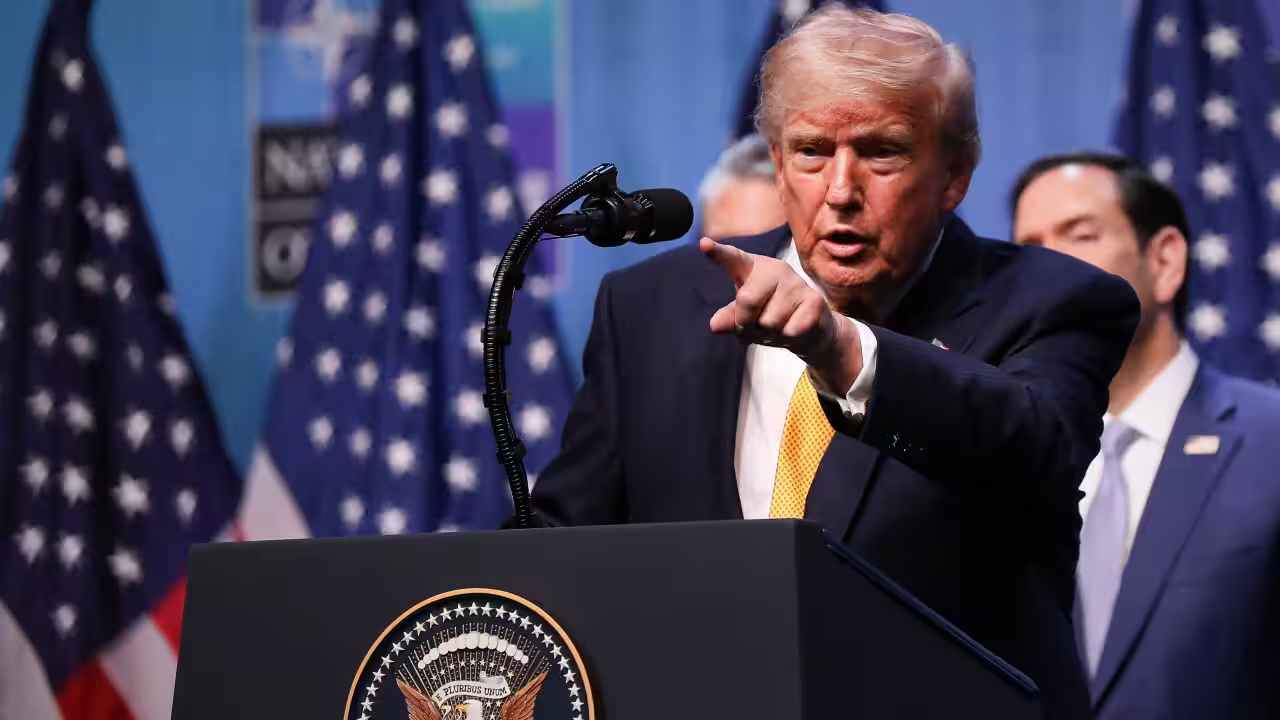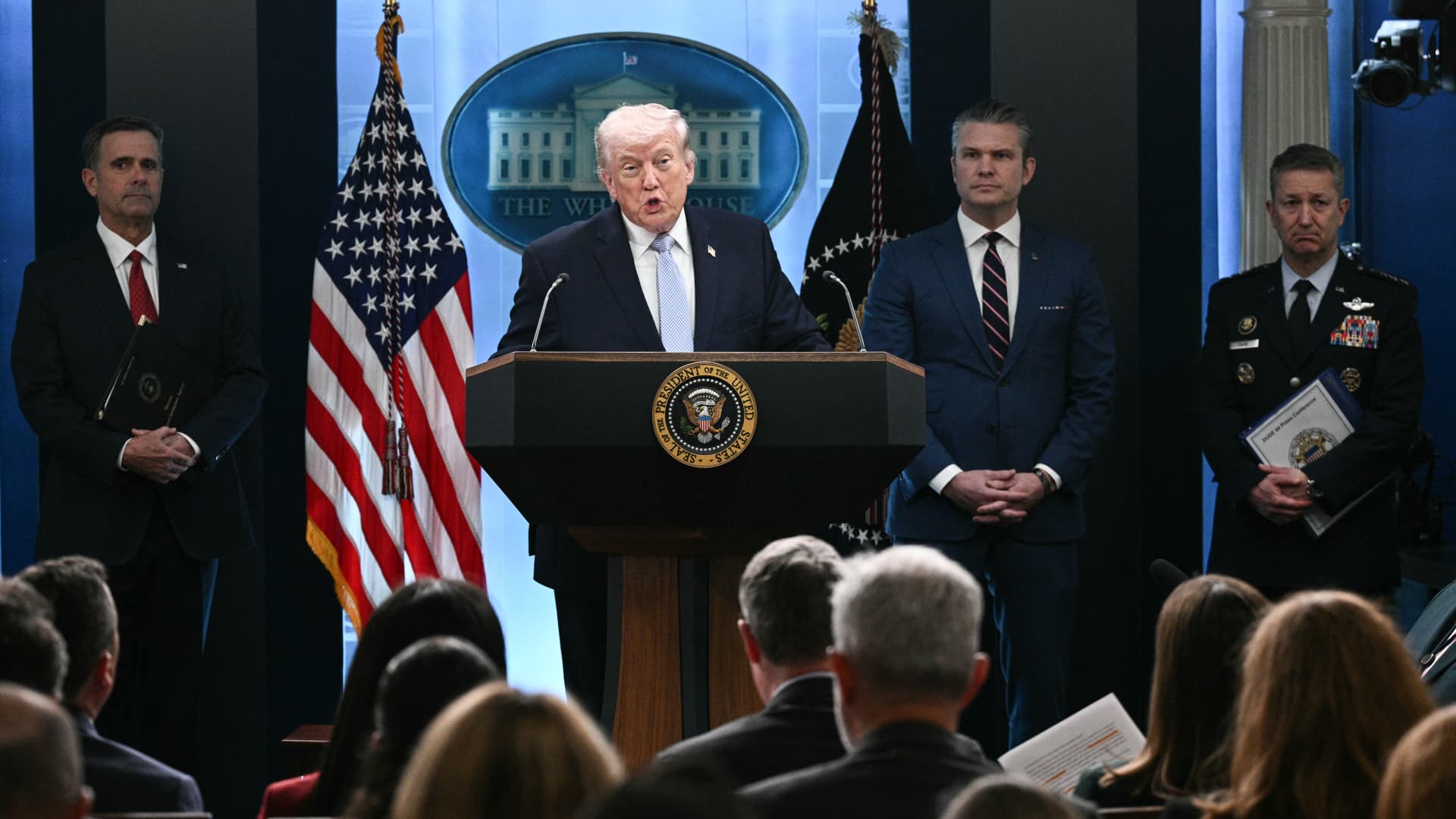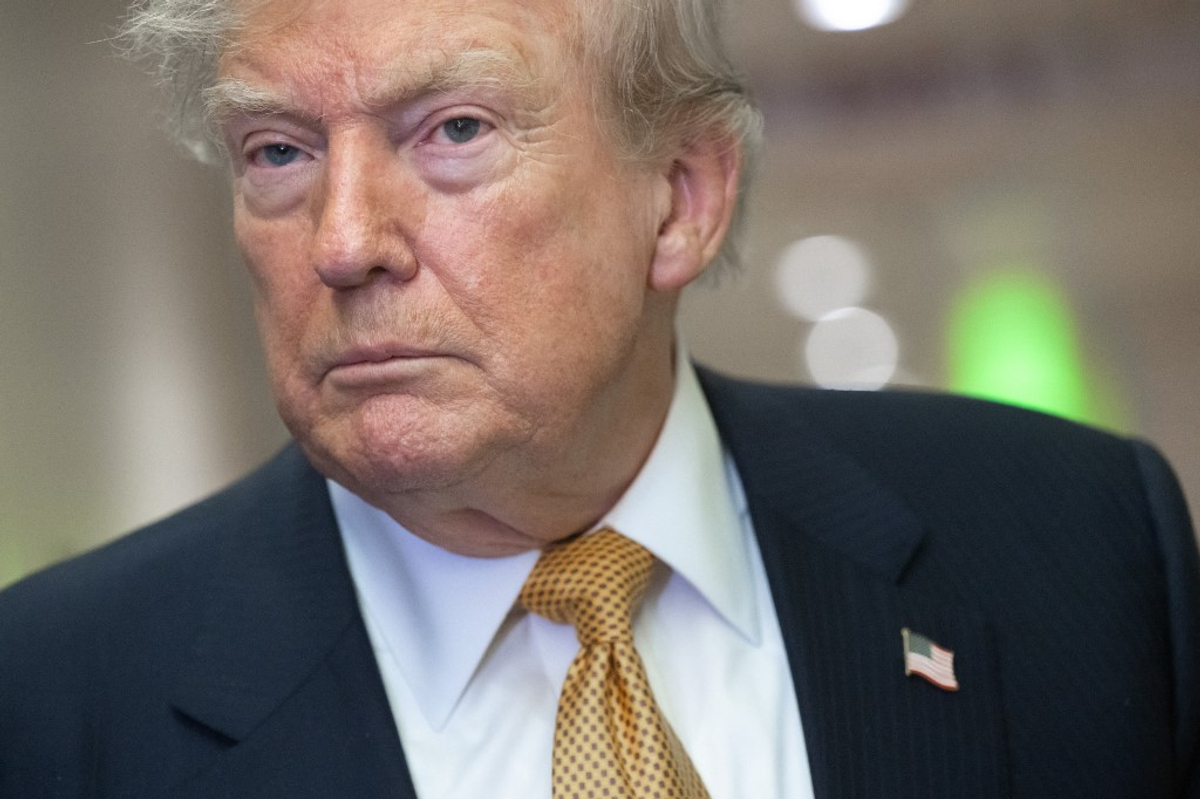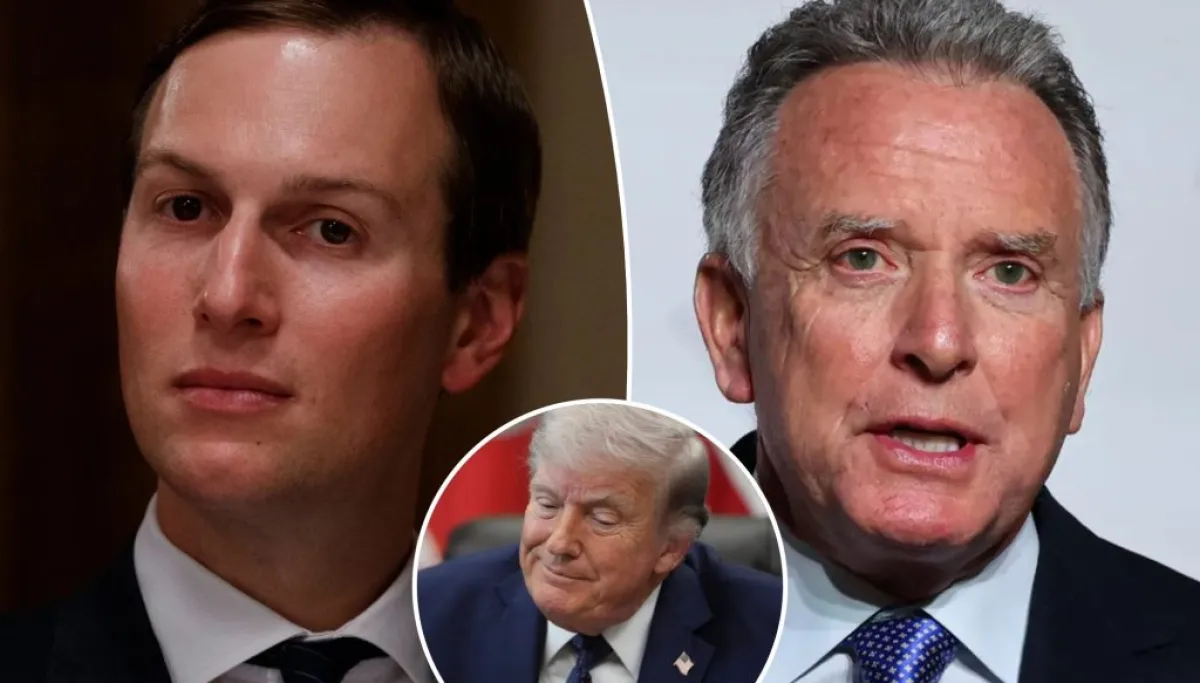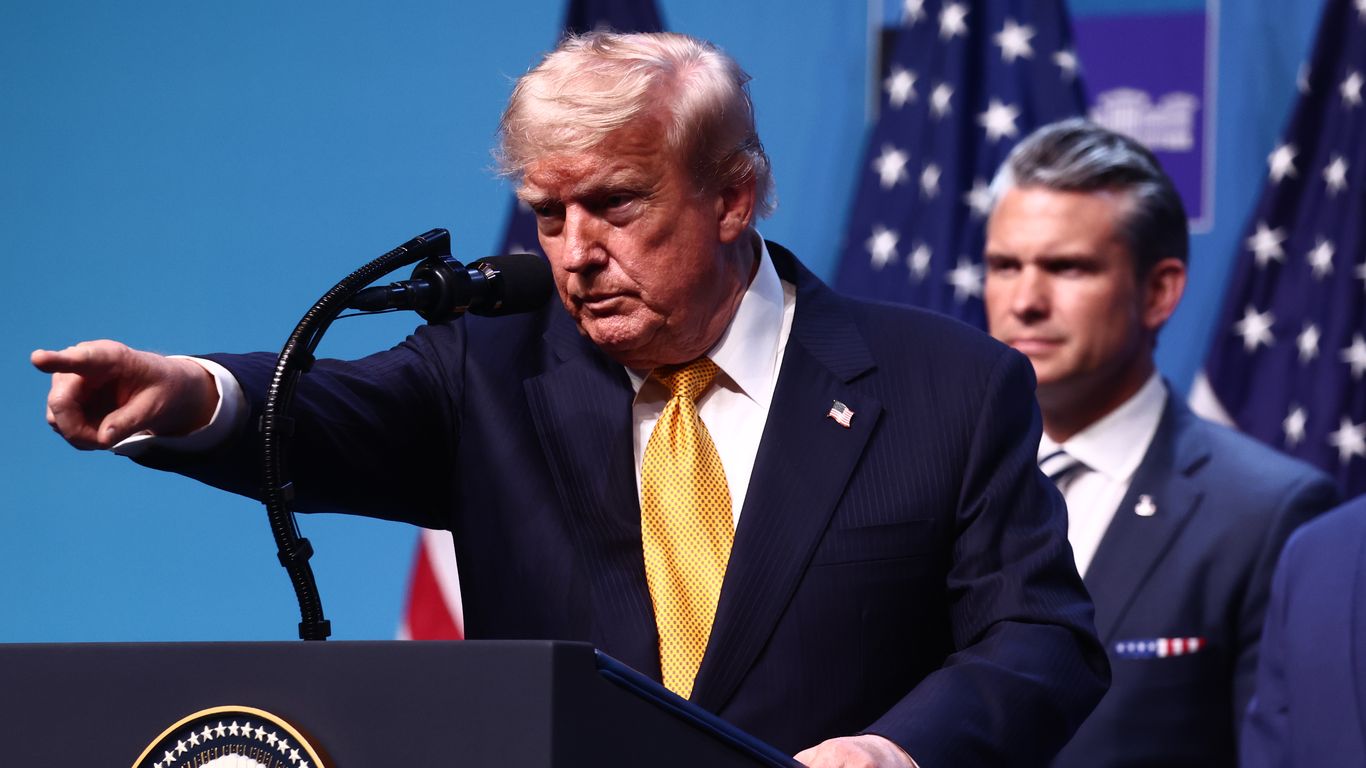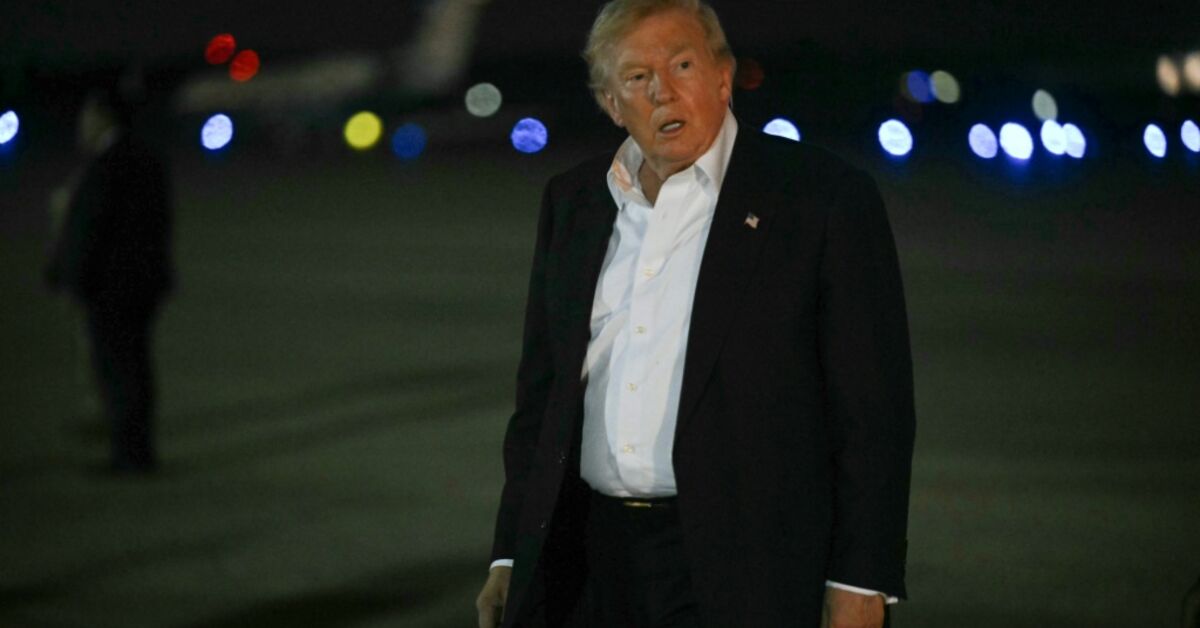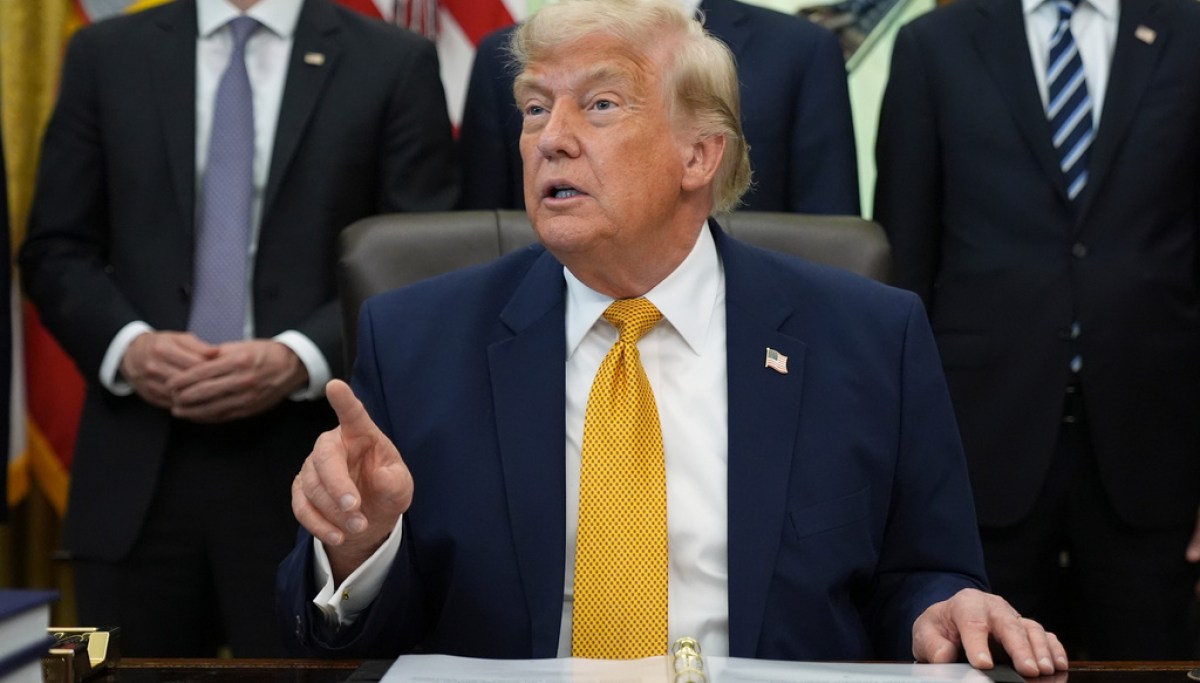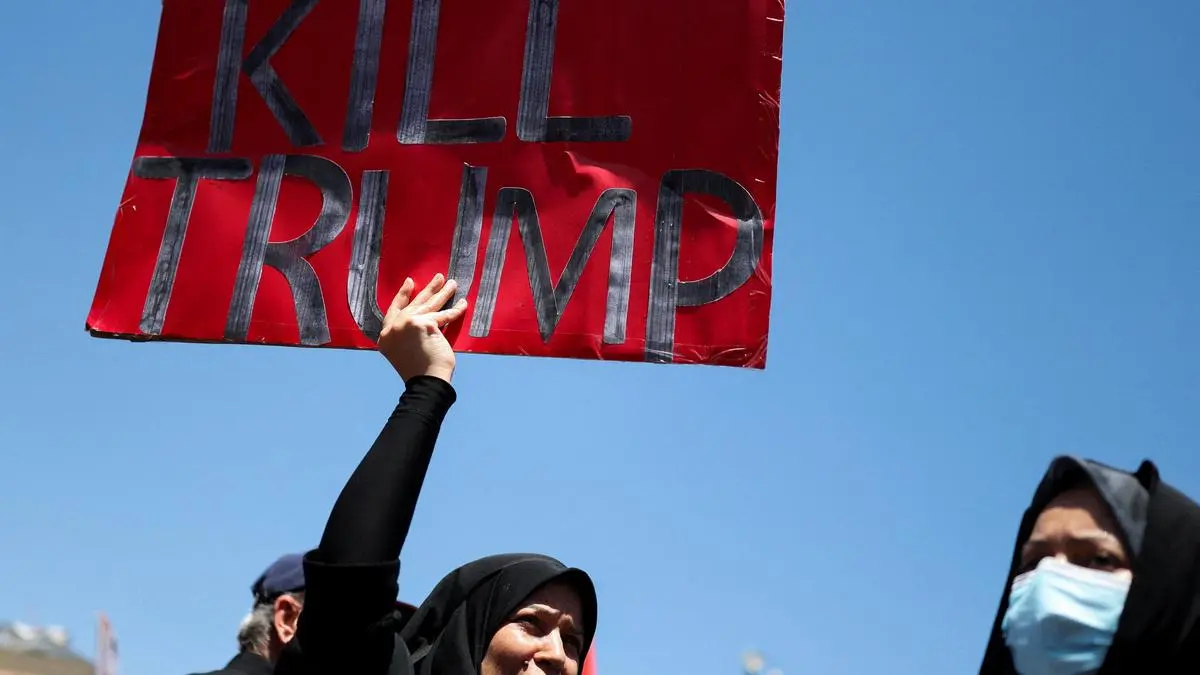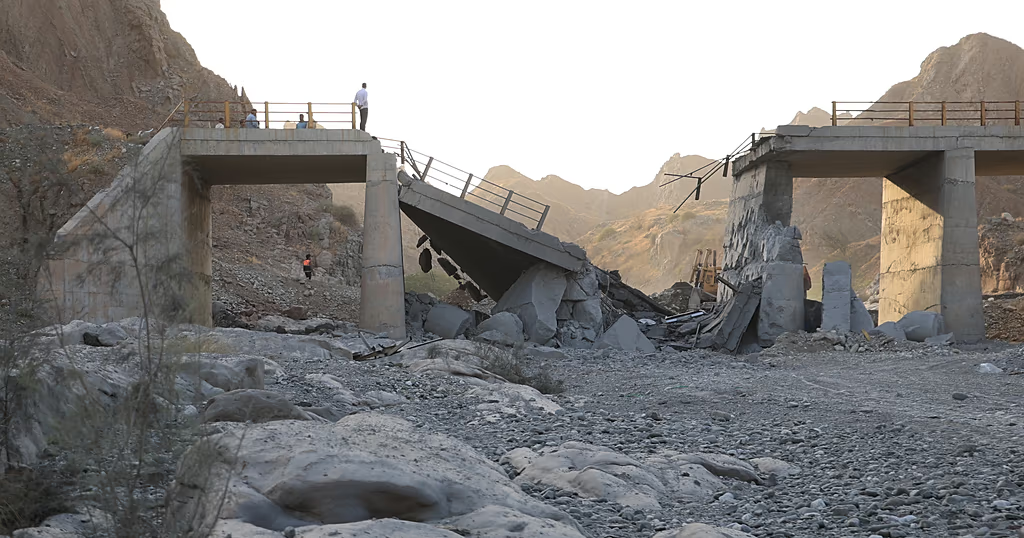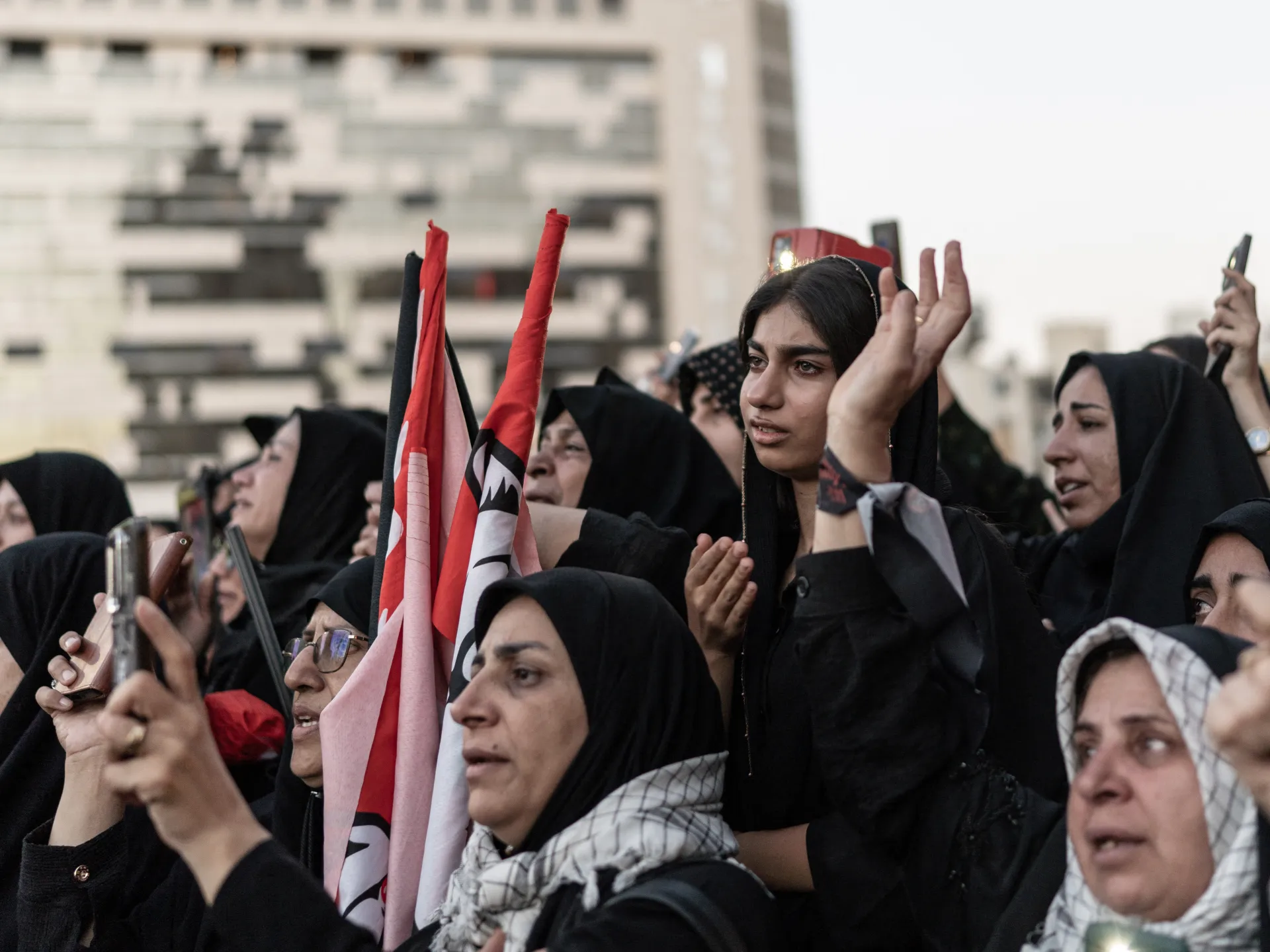
A United States official has told Al Jazeera that despite two days of launching attacks on Iran this week, Washington remains committed to negotiations with Tehran and that technical talks for a lasting peace deal will continue.From Tuesday night to Thursday this week, the US and Iran traded attacks in a major escalation of hostilities since a memorandum of understanding (MoU), which triggered a 60-day negotiation period, was signed on June 17.The US initially launched attacks on 85 targets in Iran on Tuesday night and Wednesday morning after commercial ships in the Strait of Hormuz were attacked by the Islamic Revolutionary Guard Corps (IRGC), apparently for not sticking to a route through the strait approved by Iran.Iran retaliated with attacks on US military assets and infrastructure in Gulf states on Wednesday, triggering more US attacks on 90 Iranian targets on Wednesday night and again on Thursday on Iran’s southern coastal and eastern provinces – including on civilian infrastructure, Iran claimed – further eroding the three-week-old ceasefire pact.(Al Jazeera)On Wednesday, US President Donald Trump told reporters at the NATO summit in Ankara, Turkiye, that he thought the MoU was “over”, triggering fears the ceasefire was off. However, he added that while he would allow peace talks to continue for now, he believed they were a “waste of time”. In an angry tirade, he referred to the Iranian leadership as “scum”.Trump appeared to backtrack from this stance somewhat on Thursday, when he told journalists on board the presidential plane, Air Force One, that returning to a full-scale war was not the aim. While it remained on the table, he said, Tehran “wants to make a deal”.However, early Friday, Iranian media reported multiple explosions across southern Iran, including in Bushehr, where one of the country’s nuclear plants is located, along with Konarak, Choghadak and Bandar Abbas.The US denied any involvement in causing those explosions and, later on Friday morning, it appeared that the guns had finally fallen silent as mediating nations were attempting to get diplomacy back on track. A US official told Al Jazeera that Washington remains committed to negotiations.While neither side has officially called off talks or declared the MoU at an end, each has accused the other of violating it.So what do we know about whether talks will continue and, if they do, when will that happen?What talks have happened so far?The US and Iran signed their MoU on June 17, agreeing to stick to a ceasefire on all fronts, including Lebanon, for 60 days to allow for a lasting peace deal to be negotiated. In the MoU, Iran agreed to allow free passage for shipping through the Strait of Hormuz for that period, while the US agreed to lift sanctions on Iranian oil as well as its naval blockade of Iranian ports.Talks were then set to begin in Switzerland to agree details about the future of the Strait of Hormuz, Iran’s frozen assets, long-term sanctions relief and Tehran’s nuclear programme, among other issues. However, these were delayed as Israel continued to bombard southern Lebanon, where it has occupied about one-fifth of the country.Some direct talks did take place in Switzerland, but since early this month the two sides have engaged in indirect “technical” talks in the Qatari capital Doha. These were paused for the ongoing weeklong funeral processions of former Iranian Supreme Leader Ali Khamenei, who was killed in the first US-Israeli strikes on Tehran on February 28.Trump had also promised US attacks would not resume during the funeral proceedings.When were the talks due to resume?Talks had been expected to resume following the state funeral events in Iran, around July 11. However, since the US has struck Iran this week – for the third time while peace talks were ongoing and also during the state funeral proceedings – it is unclear if or when this will happen.Iranian state media reported early on Friday that the late Supreme Leader Ayatollah Ali Khamenei had been buried in his birthplace of Mashhad at the Shrine of Imam Reza, a vast religious complex with a large golden dome and flanking gilded minarets at the heart of the city. That event marked the conclusion of his funeral.Iran has previously stated that the US’s habit of launching attacks as talks are ongoing – as it did during the Israel-Iran war last year, and on February 28 this year – caused Tehran not to trust the US leadership.How likely is it that talks will resume at all?On Wednesday, Trump threw the prospect of talks continuing into serious doubt when he said that he thought the MoU with Iran was “over” and described Iranian leaders as “sick people” after Iran and the US exchanged military attacks.Trump described the US attacks as justified following Iran’s strikes on ships in the Strait of Hormuz – an act he said broke the terms of the MoU.However, Trump’s own messaging was mixed.On the one hand, Trump said: “I think it’s over. I don’t want to deal with them any more; they’re scum.”On the other hand, Trump said US negotiators would be allowed to continue talks with their Iranian counterparts.“Frankly, I don’t want to waste my time with them. Now, I’ll let our wonderful negotiators keep talking if they want, but I don’t see it,” Trump said.Now, a US official has told Al Jazeera that the US negotiating team is committed to continuing talks with Iran.Iran has indicated it is not willing to negotiate while US attacks are ongoing.The country’s political leaders condemned the new wave of attacks this week and denounced the US strikes as a “war crime”. They accused Washington of violating the MoU, which stipulates a ceasefire on all fronts.Tehran has also launched a formal complaint against the US with the United Nations Security Council and the UN Secretary-General.In a Thursday post on X, Parliament Speaker Muhammad Ghalibaf, a key negotiator in the ongoing talks, accused Washington of “bullying” tactics.“America still hasn’t learned that bullying and breaking promises are no longer cost-free. Let me put it plainly: if you strike, you’ll get hit,” Ghalibaf wrote.What was agreed in the MoU?
US-Iran war: Will peace talks resume, and when?
While Trump said the MoU with Iran is 'over', US officials have reaffirmed Washington's commitment to continue talks.
2,175 words~10 min read