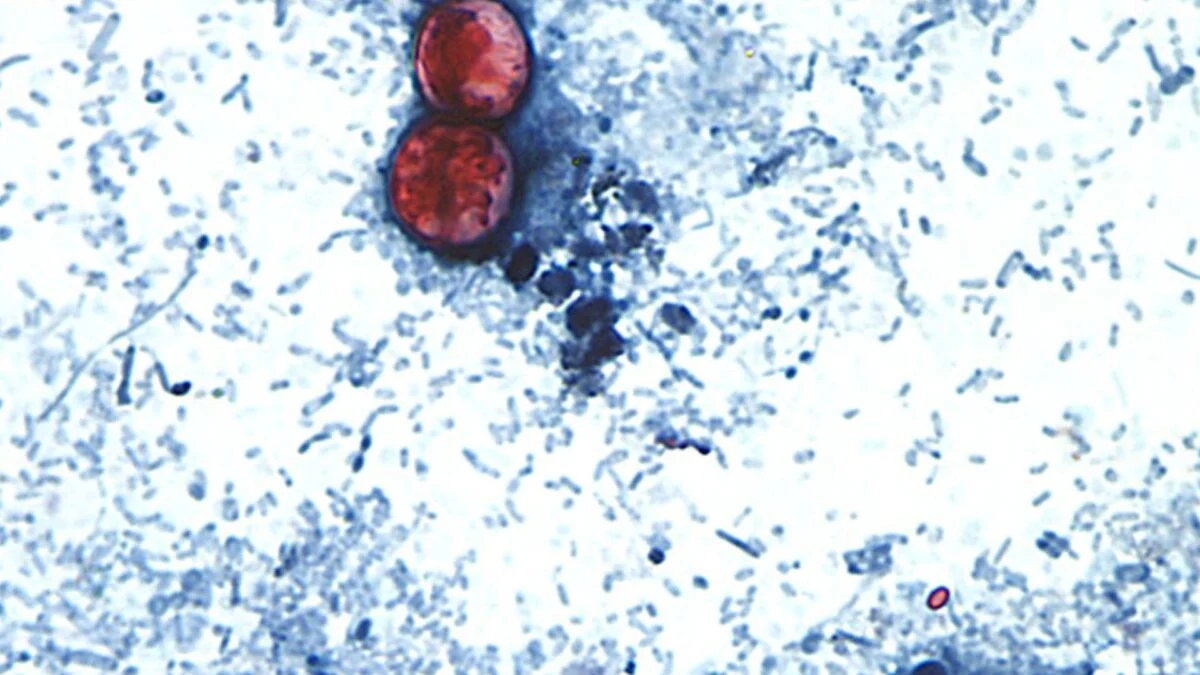
Skip to Content Subscribe Our Offers My Account Manage My Subscriptions FAQ Newsletters Canada Canadian True Crime Canadian Politics Health World Israel & Middle East Financial Post NP Comment Longreads Puzzmo Diversions Comics NP News Quiz New York Times Crossword Horoscopes Life Eating & Drinking Style Sponsored Play for Ontario Travel Travel Canada Travel USA Travel International Cruises Travel Essentials Culture Books Celebrity Movies Music Theatre Television Business Essentials Advice Lives Told Tails Told Shopping Buy Canadian Home Living Outdoor Living Kitchen & Dining Tech Style & Beauty Personal Care Entertainment & Hobbies Gift Guide Travel Guide Amazon Prime Day Deals Savings National Post Store More Sports Hockey Baseball Basketball Football Soccer Golf Tennis Driving Vehicle Research Reviews News Gear Guide Obituaries Place an Obituary Place an In Memoriam Classifieds Place an Ad Celebrations Working Business Ads Archives Healthing Epaper Manage Print Subscription Profile Settings My Subscriptions Saved Articles My Offers Newsletters Customer Service FAQ Newsletters Canada World Financial Post NP Comment Longreads Puzzmo Diversions Life Shopping Epaper Manage Print Subscription HomeNewsWorldWhat to know about the parasitic outbreak giving 'explosive' diarrhea to people on Canada's doorstepThere are over 1,200 cases of the nasty stomach bug in Michigan and more throughout the U.S., but the Public Health Agency of Canada says it is 'is not currently investigating' any outbreaks north of the borderLast updated 31 minutes ago You can save this article by registering for free here. Or sign-in if you have an account.Michigan, Ohio and several other U.S. states are experiencing an uptick in a stomach illness that can result in 'explosive' diarrhea. Photo by Ake Ngiamsanguan /Getty ImagesA microscopic parasite that procreates in your stomach and can cause ‘explosive’ watery diarrhea has resulted in an outbreak affecting over 1,000 people in the U.S., most of them in the border state of Michigan.Enjoy the latest local, national and international news.Exclusive articles by Conrad Black, Barbara Kay and others. Plus, special edition NP Platformed and First Reading newsletters and virtual events.Unlimited online access to National Post.National Post ePaper, an electronic replica of the print edition to view on any device, share and comment on.Daily puzzles including the New York Times Crossword.Support local journalism.Enjoy the latest local, national and international news.Exclusive articles by Conrad Black, Barbara Kay and others. Plus, special edition NP Platformed and First Reading newsletters and virtual events.Unlimited online access to National Post.National Post ePaper, an electronic replica of the print edition to view on any device, share and comment on.Daily puzzles including the New York Times Crossword.Support local journalism.Create an account or sign in to continue with your reading experience.Access articles from across Canada with one account.Share your thoughts and join the conversation in the comments.Enjoy additional articles per month.Get email updates from your favourite authors.Create an account or sign in to continue with your reading experience.Access articles from across Canada with one accountShare your thoughts and join the conversation in the commentsEnjoy additional articles per monthGet email updates from your favourite authorsSign In or Create an AccountorHealth officials throughout the U.S. are investigating to identify the sources of a surge in cyclosporiasis cases, an infection caused by Cyclospora cayetanensis. While very rarely fatal, symptoms of the foodborne gastrointestinal illness can last several weeks.The Public Health Agency of Canada, in an email to National Post, said the parasite isn’t commonly found on food and water in Canada, though Canadian cases of cyclosporiasis do increase in the spring and summer as people eat more imported fresh fruit and vegetables.Get a dash of perspective along with the trending news of the day in a very readable format.By signing up you consent to receive the above newsletter from Postmedia Network Inc.A welcome email is on its way. If you don't see it, please check your junk folder.The next issue of NP Posted will soon be in your inbox.We encountered an issue signing you up. Please try againThat said, PHAC “is not currently investigating any Cyclospora outbreaks in Canada.”Here’s what to know about the situation south of the border.It’s not uncommon for cases of cyclosporiasis to arise in the spring and summer months, according to the U.S. Centre for Disease Control, but its officials and those from the Food and Drug Administration said they are seeing more than normal across several states.As of Thursday morning, the Michigan Department of Health and Human Services is reporting 1,251 cases, up from up from 992 the day prior and and 572 on Saturday.Historically, the state has averaged 40 to 50 cases annually.Across state lines in Ohio on Wednesday, the Department of Health confirmed 177 cases as of July 2, resulting in 28 people hospitalized.The CDC said hundreds of cases are spread across 15 other states, but its website doesn’t show any data collected after June 16. As reported by CNN, clusters have been identified in Illinois, New York State (and city), Pennsylvania, Texas, Alabama, Kentucky, Tennessee, Virginia, and West Virginia.As of Thursday, the CDC, FDA and the individual states are still trying to identify the source and determine whether they are all connected.“CDC has no evidence of a single, multistate Cyclospora outbreak linking cases happening right now and being reported in the press,” the organization wrote in an email to NBC News.It also confirmed that reported cases didn’t include anyone who travelled to a country where cyclosporiasis is endemic.Investigations into cyclosporiasis outbreaks are often challenging to solve because the parasite can’t be detected by most of the routine stool tests, meaning it often gets missed. Moreover, given its incubation time in the gut, patients often have a hard time remembering what they ate and when. Furthermore, because produce from multiple places is frequently mixed during packaging and distribution, tracing contamination back to a single source can take months.People can become infected after consuming food or water contaminated with the single-celled parasite, most commonly via fresh produce that has been exposed to human fecal contamination during growing, harvesting or processing.It’s most often found on lettuce and leafy greens — especially in pre-bagged salads — as well as raspberries and blackberries, but also shows up on cilantro, basil, snow peas and green onions. Raspberries and blackberries are sometimes carriers of the Cyclospora cayetanensis parasite. Photo by Chepko /Getty Images/iStockphotoOnce spores on food or in water are ingested, they split into male and female forms which then reproduce. Their offspring then make a home in the intestines, where the infection begins and exits the body during the diarrhea phase.Once out of the body and into the wastewater, warmer weather at this time of year helps them grow and proliferate, eventually ending up on more food.Unlike a lot of stomach bugs, cyclospora doesn’t tend to spread from person to person because the parasite needs a week or two in the environment before it becomes infectious.In addition to persistent diarrhea, symptoms also include cramps and bloating, nausea, loss of appetite, weight loss, fatigue, low-grade fever and, in some patients, vomiting. They usually begin about a week after infection and sometimes come and go.Anyone can be infected, but those most at risk include older adults, young children, people with weakened immune systems and those with underlying health conditions.“If you have a normal immune system, it will eventually go away, but it could take six weeks,” Dr. Rebecca Schein, an infectious disease expert at Michigan State University Health Care, told CNN.Although hospitalization is rare, it can occur when prolonged diarrhea leads to dehydration or other complications.Whereas the treatment for most foodborne illnesses caused by viruses is to simply wait out the sickness, cyclosporiasis can be treated with antibiotics, which can significantly shorten the time, along with rest and plenty of fluids.Schein advised anyone living close to an outbreak and experiencing symptoms for more than two days to get tested and be treated so the parasite can’t “spread into the environment.”Washing produce under running water is recommended and can reduce the chance of contamination, but experts like Dr. Brian Kaminski cautions that rinsing alone may not completely remove the Cyclospora. The vice president of medical affairs at ProMedica Health System in Ohio told NBC the parasite “clings to produce.”Officials in Michigan recommend scrubbing “firm fruits and vegetables, such as melons and cucumbers, with a clean produce brush” and cutting away any damaged or bruised areas before cooking or eating.For leafy greens, it’s suggested to go with whole heads and remove the outer layers more likely to carry the parasite.More precautions for other types of produce are available on the government’s website.Our website is the place for the latest breaking news, exclusive scoops, longreads and provocative commentary. Please bookmark nationalpost.com and sign up for our newsletters here. Join the Conversation This website uses cookies to personalize your content (including ads), and allows us to analyze our traffic. Read more about cookies here. By continuing to use our site, you agree to our Terms of Use and Privacy Policy.
What to know about the parasitic outbreak giving 'explosive' diarrhea to people on Canada's doorstep
Michigan, Ohio and several other U.S. states are experiencing an uptick in a stomach illness that can result in 'explosive' diarrhea.
1,474 words~7 min read