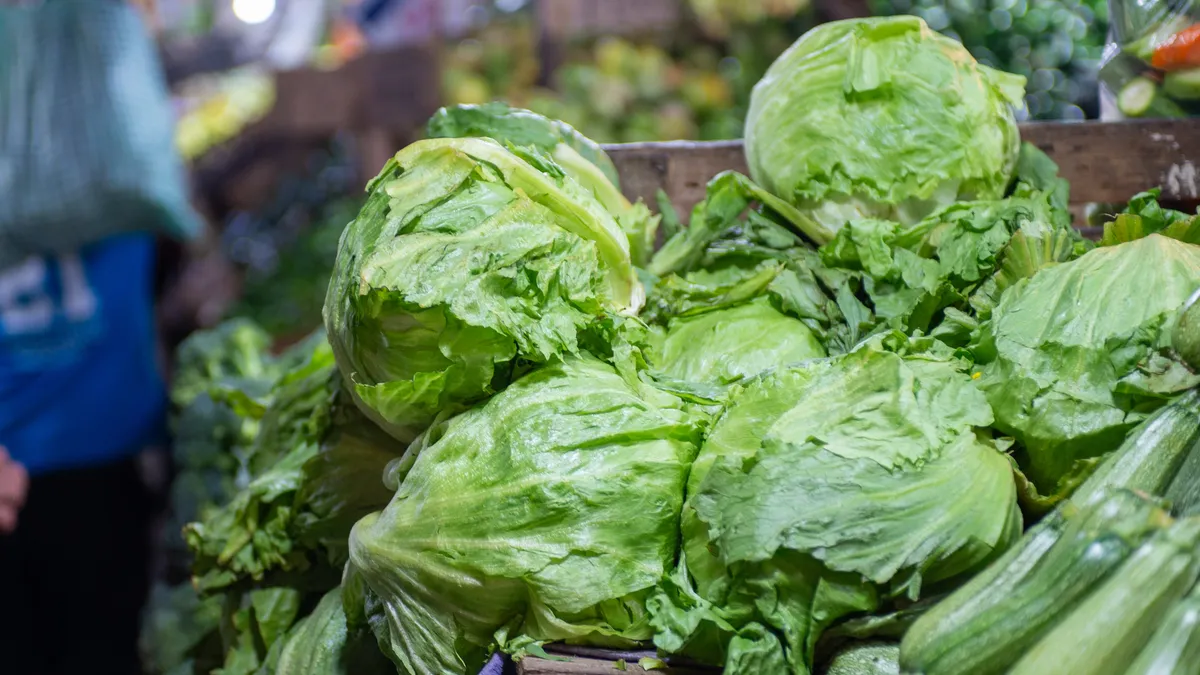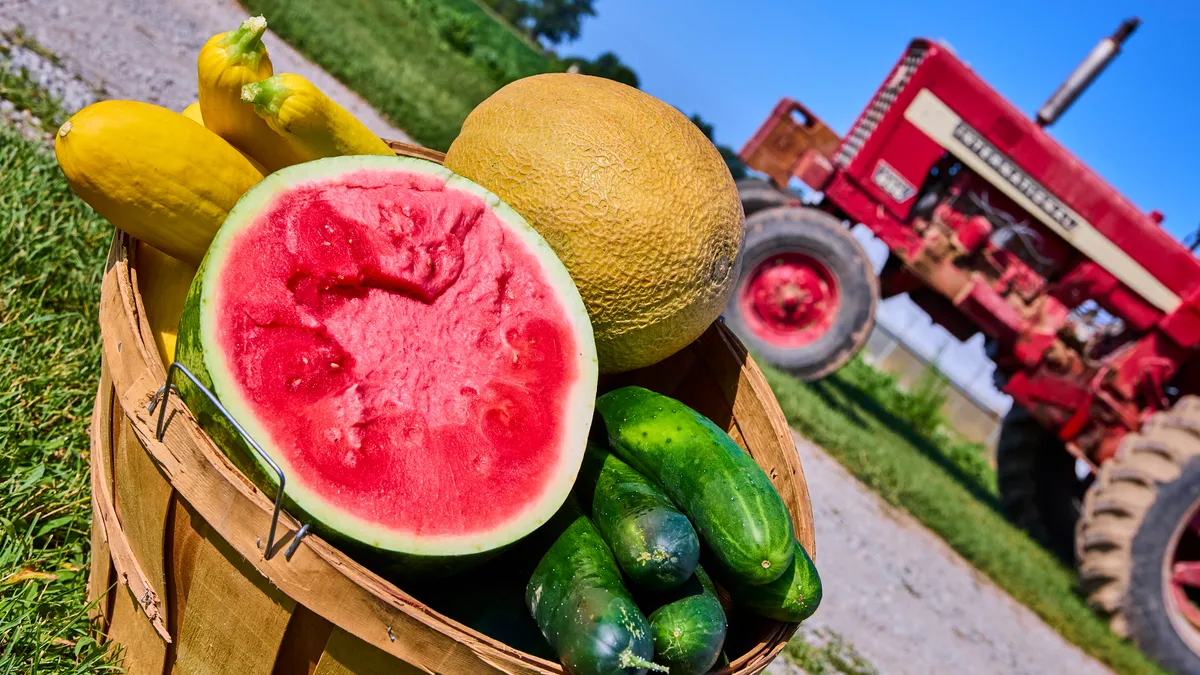
Show Caption
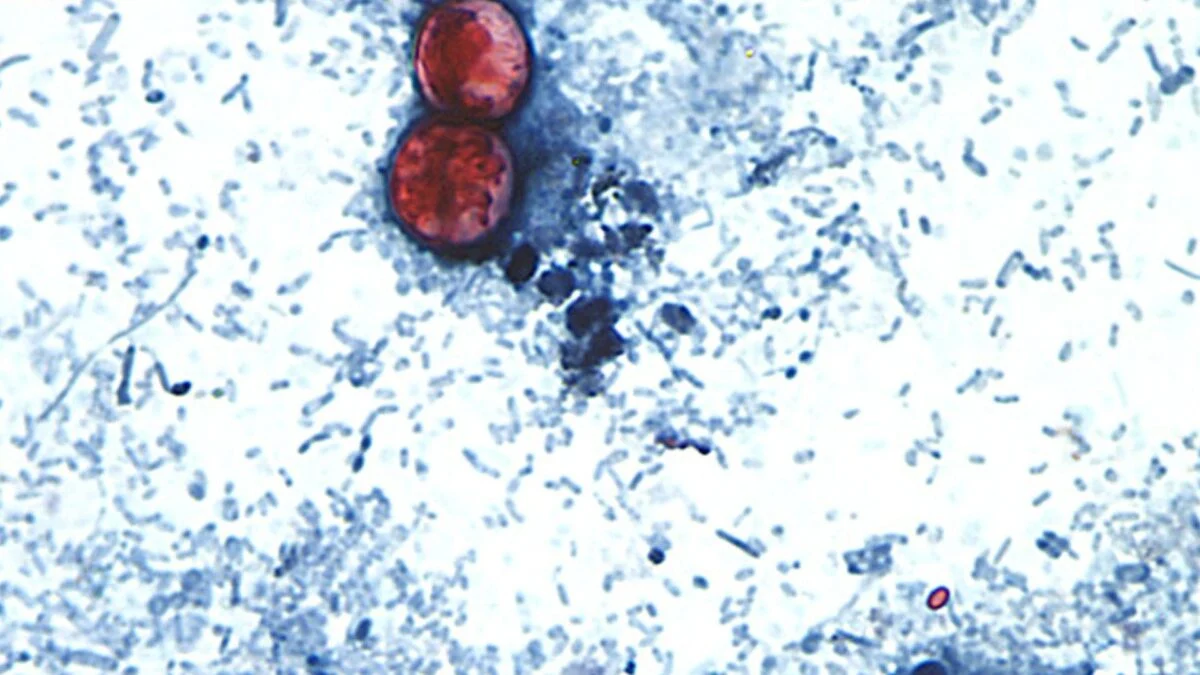
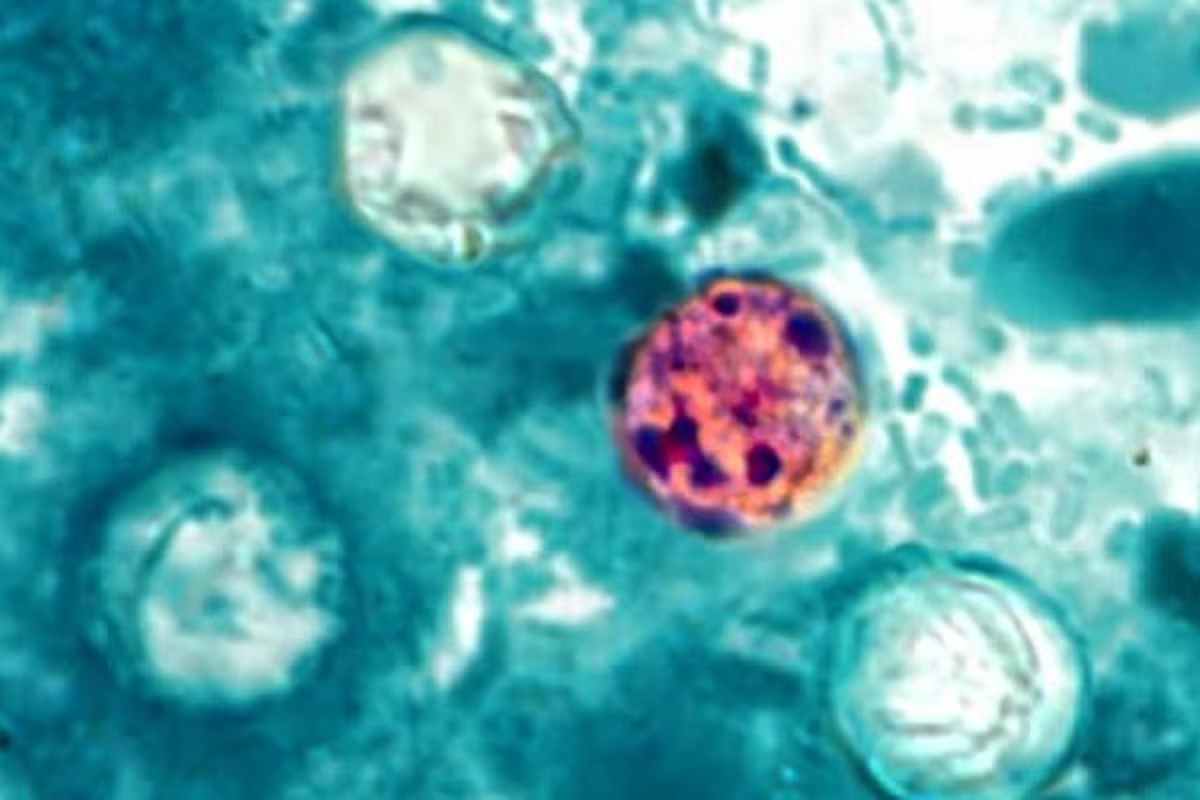
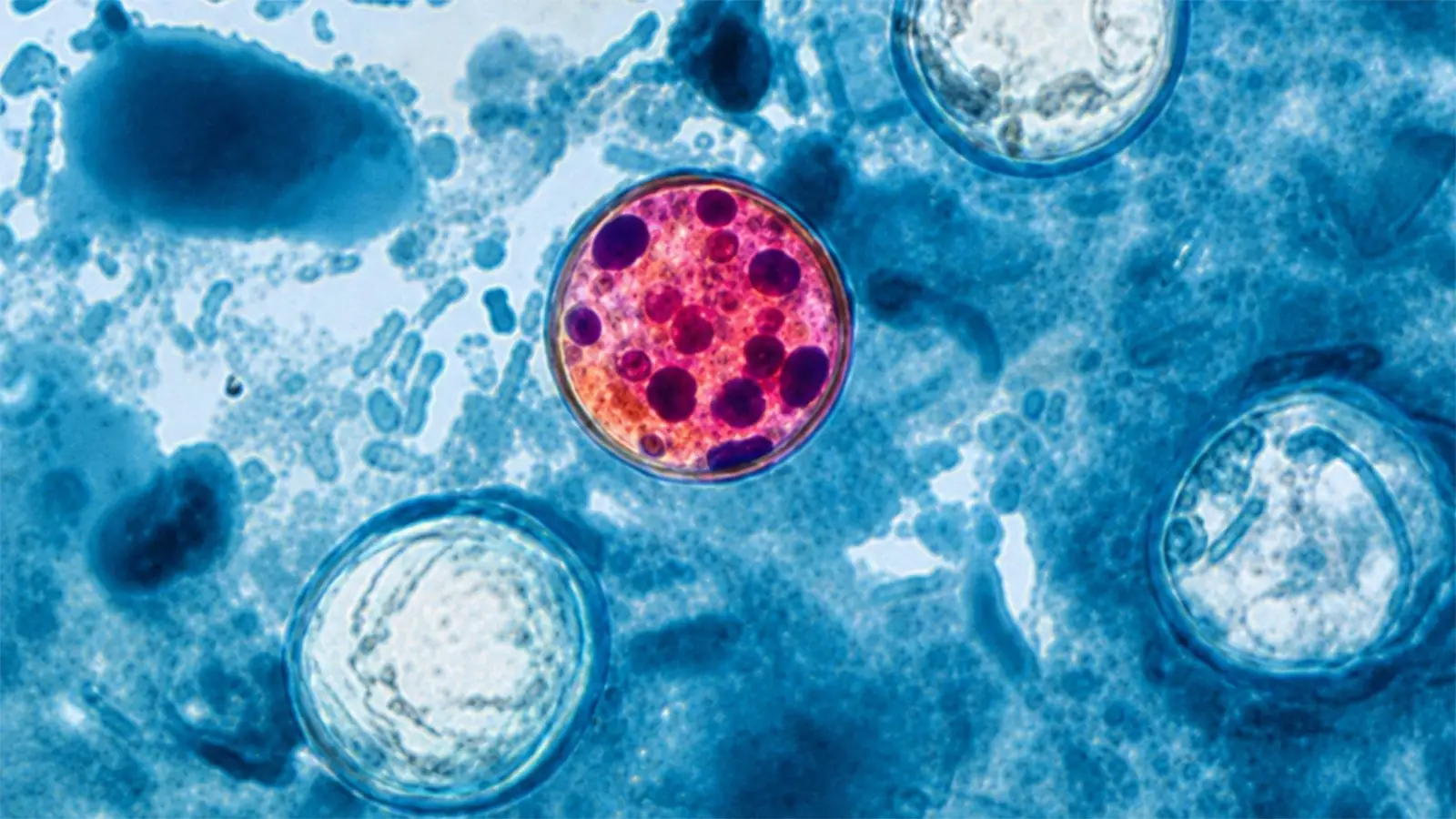
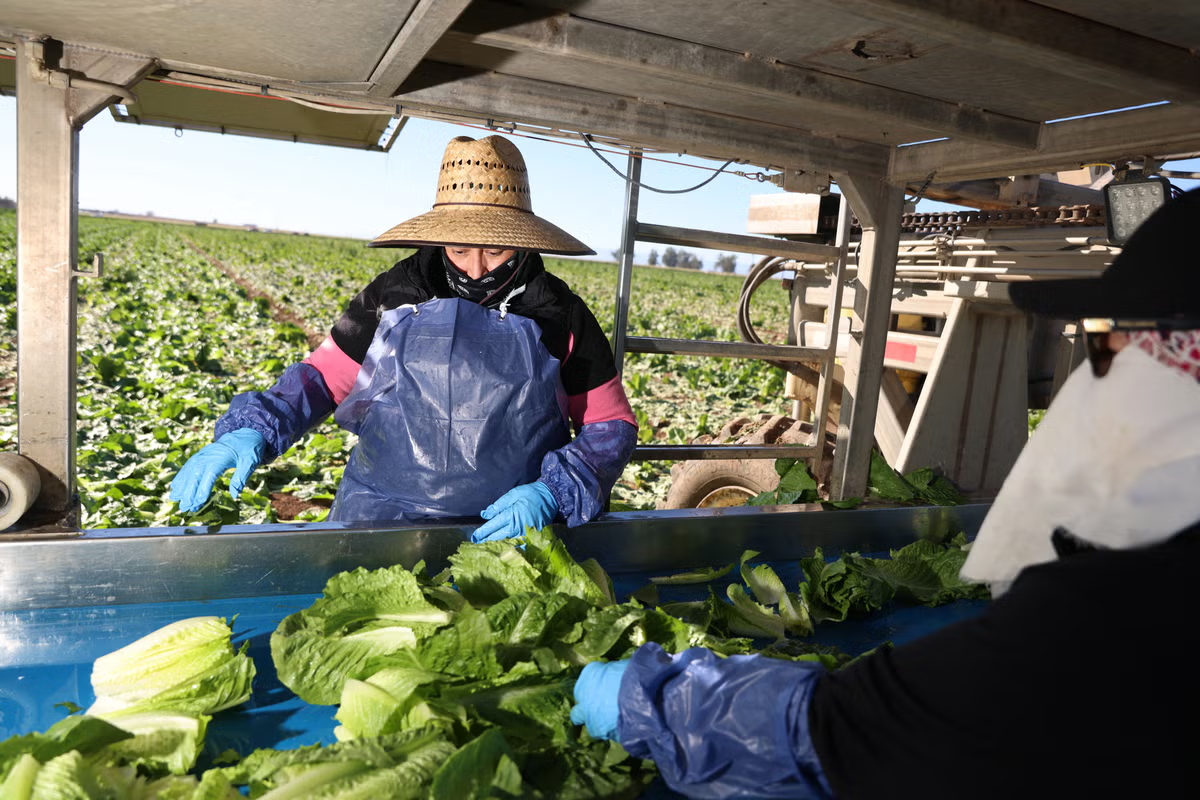
Cases of food poisoning stemming from a parasite that causes explosive diarrhea are continuing to spread across the United States, topping 700 in Michigan the week after July Fourth.Cyclosporiasis, a stomach-churning illness caused by a parasite often found on produce, has sickened hundreds across more than 18 U.S. states since May 1, according to the Centers for Disease Control and Prevention and state health data. Michigan is contending with a cluster of infections that has already more than tripled its total case count compared with 2025, while several others have reported numbers topping 100.Additional state-level reporting shows a bigger surge of cases not yet reflected on the CDC surveillance dashboard, which is updated monthly. The latest data, published June 16, has yet to catch up with the rapidly evolving spread.Currently, there is no evidence of a single, multistate outbreak linking all cases. Local and federal authorities are still working to identify a potential source of illness for illness clusters, like those in Michigan; however, many cases thus far appear to be part of a seasonal surge. The CDC considers annual cyclosporiasis surges to run from May 1 to Aug. 31.Here's what to know as cases top 1,000.Michigan tops the count with more than 700 casesBetween June 22 and Monday, July 6, Michigan recorded more than 700 cases of cyclosporiasis, 36 of which resulted in hospitalizations."At this time, no specific produce grower, supplier or type of produce has been identified as the source," Lynn Sutfin, Michigan Department of Health and Human Services spokesperson, told USA TODAY on July 7. "Anyone experiencing gastrointestinal illness, such as sudden and ongoing diarrhea, should contact their health care provider and their local health department."New York follows in secondNew York City has recorded a total of 301 cases this year as of July 7, with 273 of those happening since May 1, the health department told USA TODAY on July 7. New York City's count includes people who recently traveled internationally as well as those who may have acquired it domestically.New York State, which reports and tracks infectious diseases separately from NYC, has 120 confirmed cases since May 1, 2026. The state has had relatively high numbers of cases in previous years, topping 500-700 statewide in 2024 and 2025."While cyclosporiasis is not likely to spread directly from one person to another, and is generally not life-threatening, as many people with healthy immune systems recover without treatment, the Department encourages all New Yorkers to be aware of the best practices to prevent Cyclospora and other infections common in the summer months," spokesperson Marissa Crary told USA TODAY in a July 7 email.Ohio sees a surgeThe Ohio Department of Health reported 177 cases in 43 counties so far in 2026. Of those, 171 cases occurred in June, mostly since June 20, ODH spokesman Ken Gordon told the Columbus Dispatch, part of the USA TODAY Network, on July 2.Gordon told USA TODAY in an email on Tuesday, July 7, that updated data was not yet available and would be published each Thursday.North Carolina reports nearly 150 casesBetween May 1 and July 7, at least 145 cases of cyclosporiasis have been reported in North Carolina, the NCDHHD told USA TODAY in an email. It did not clarify if they were all domestically acquired.Illinois rounds out the top fiveIllinois had 141 reported cases of cyclosporiasis as of July 7, the public health department said, 59 of which were acquired locally and 20 of which are awaiting investigation."IDPH is seeing a higher-than-average number of reported cases of cyclosporiasis, consistent with what is being seen in several other states," spokesperson Matthew Mata told USA TODAY. "At this point, no single source or cause of this increase has been identified, and there is no evidence of a large outbreak accounting for all or most of these cases. IDPH continues to work with the CDC and other public health partners to look for trends."List of states with confirmed casesAs of Tuesday, July 7, the following states have confirmed cases of cyclosporiasis, according to the CDC and local reporting.AlaskaColoradoConnecticutFloridaGeorgiaIllinoisLouisianaMassachusettsMichiganNew JerseyNew YorkNorth CarolinaOhioPennsylvaniaTennesseeTexasVirginiaWisconsinCaution for foods that caused past outbreaksState health departments have issued guidance for avoiding the spread of cyclosporiasis, which often occurs in the summer due to contaminated, unwashed produce.Avoid consuming food or water that may be contaminated with feces. Avoid drinking or cooking with untreated water.Wash your hands with soap and water after using the bathroom and before, during and after food prep.Wash all food prep surfaces, including utensils, cutting boards and countertops, before and after use.Wash and peel vegetables before eating them; scrub produce with skins like melons and cucumbers well; and cut away damaged or bruised areas on fruits and vegetables before preparing and eating them.Refrigerate prepared fruits and vegetables as soon as possible (within two hours). Cook your food when you can; heating food to 158 degrees Fahrenheit (70 degrees Celsius) or higher kills Cyclospora.While the current groups of cases have not yet been linked to a singular outbreak or common food item, health officials advised extra caution with foods that have been behind past outbreaks. The following foods should be washed and scrubbed thoroughly with a brush or sponge.Bagged salad mixes and kits (pre-cut lettuce blends with romaine, iceberg, red cabbage, carrots)Fresh cilantro (coriander leaves)Fresh basilRaspberriesSnow peasGreen onions (scallions)