Get the latest news and updates from Dawn
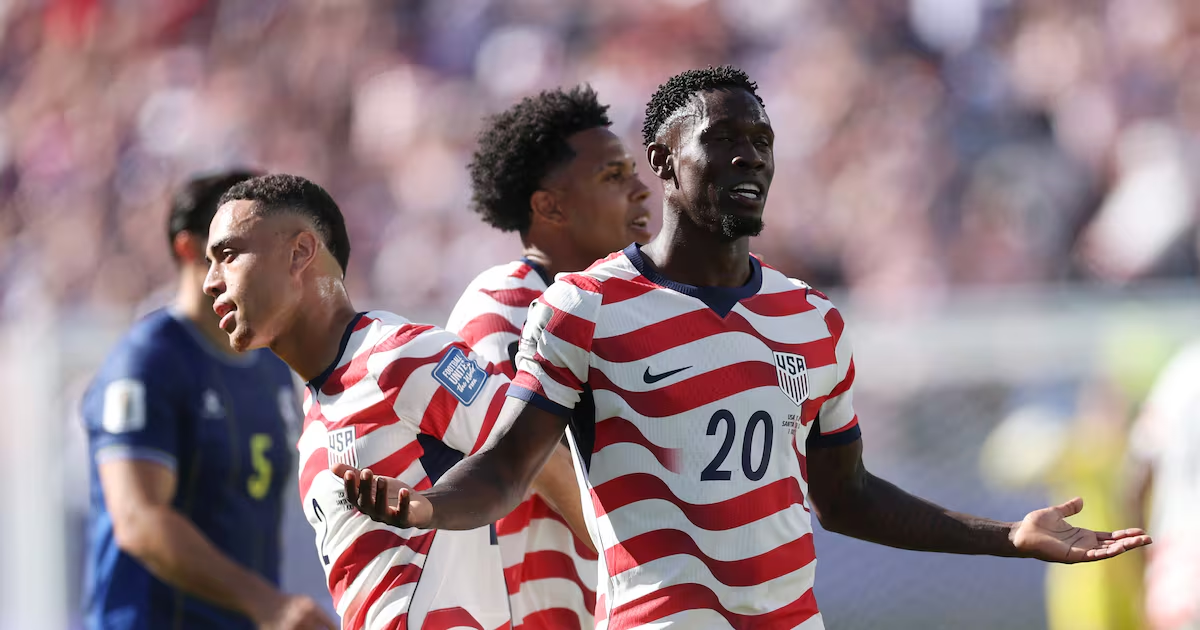
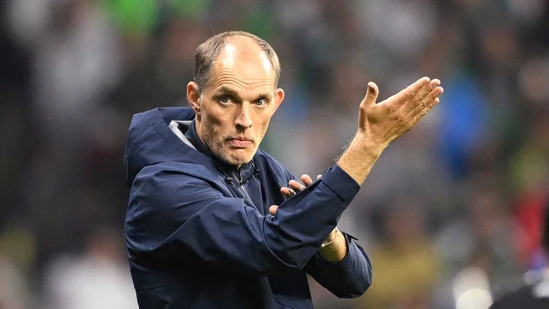
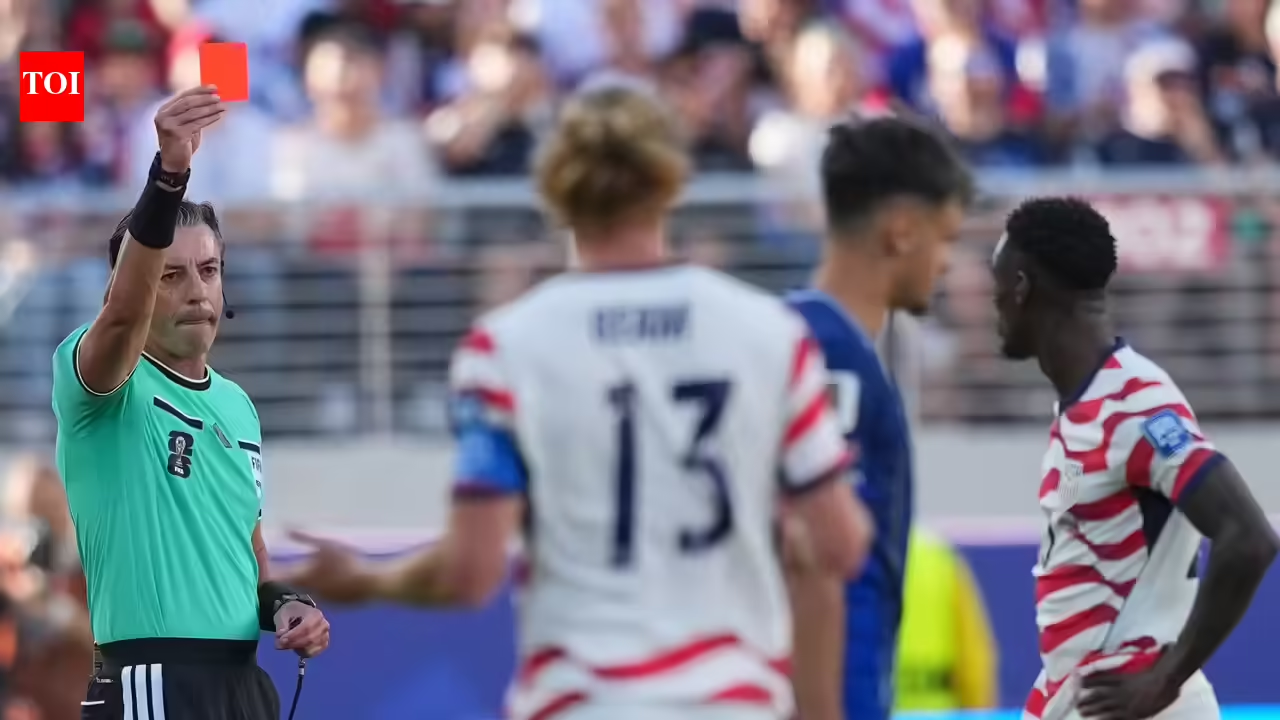
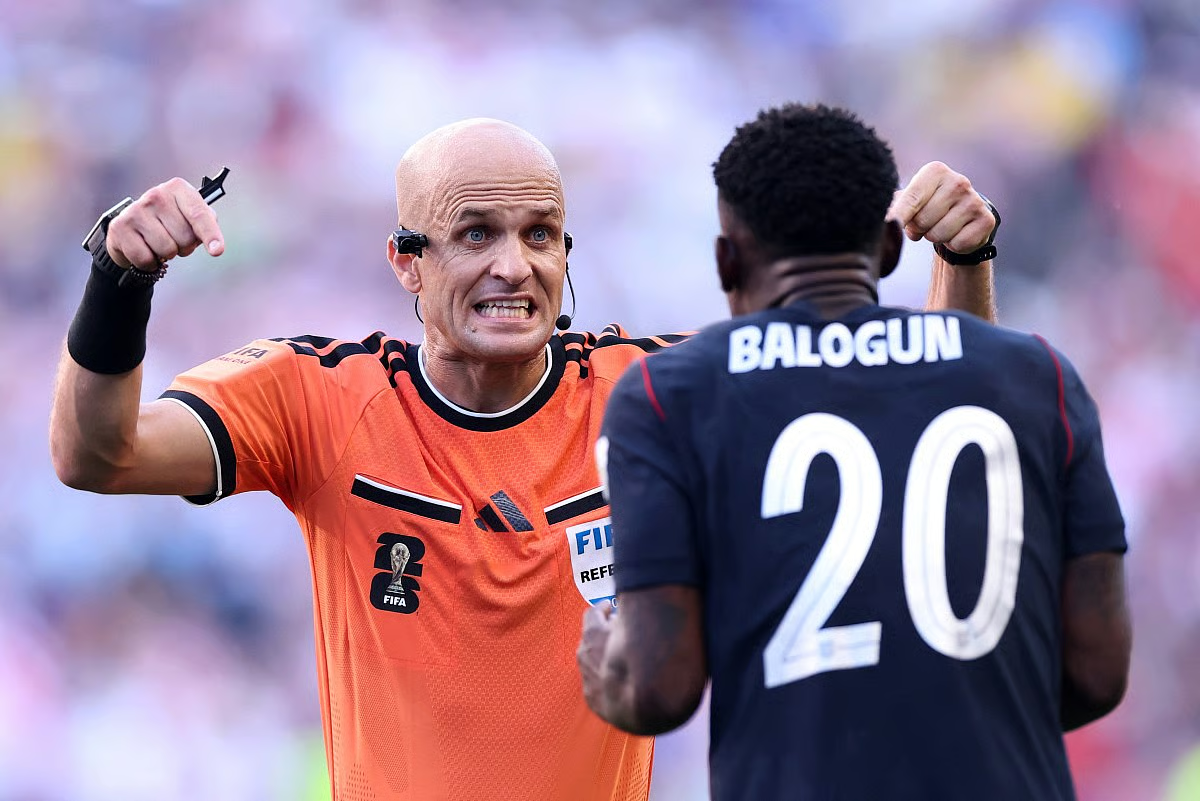
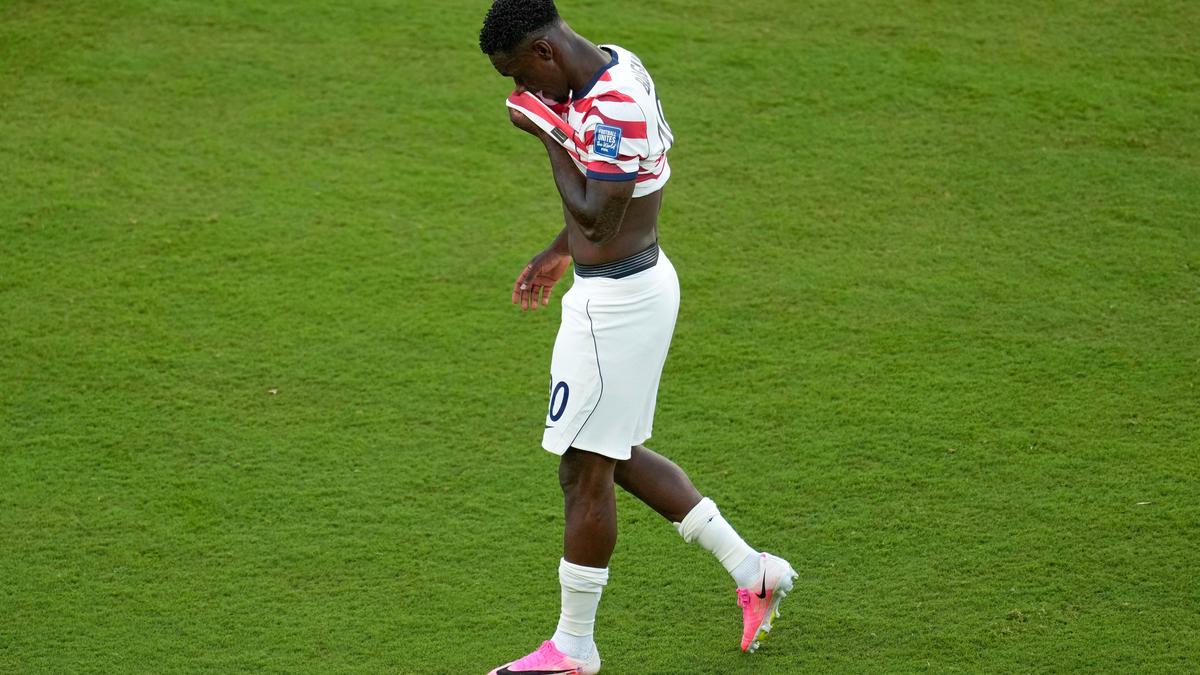
“WHERE do we go from here?” England manager Thomas Tuchel asked when queried about his views on the suspension of United States striker Folarin Balogun’s red card ahead of the co-hosts’ round-of-16 clash against Belgium.
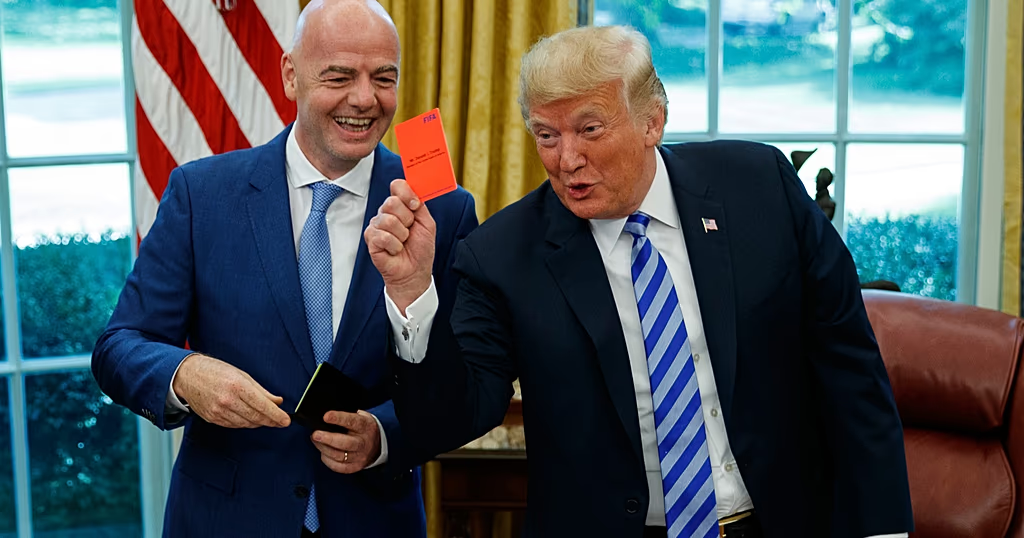
Tuchel’s question was directed at one controversial decision, but it captures the broader concerns that have unexpectedly, shockingly and, most importantly, dangerously emerged since the 2026 FIFA World Cup kicked off in the United States last month.
This edition has been memorable for several positive reasons. The expansion to a 48-team tournament has given smaller nations an unprecedented opportunity to showcase themselves on football’s biggest stage. Despite record ticket prices, it has already become the highest-attended World Cup in history. It has also produced thrilling contests and memorable upsets by so-called minnows.
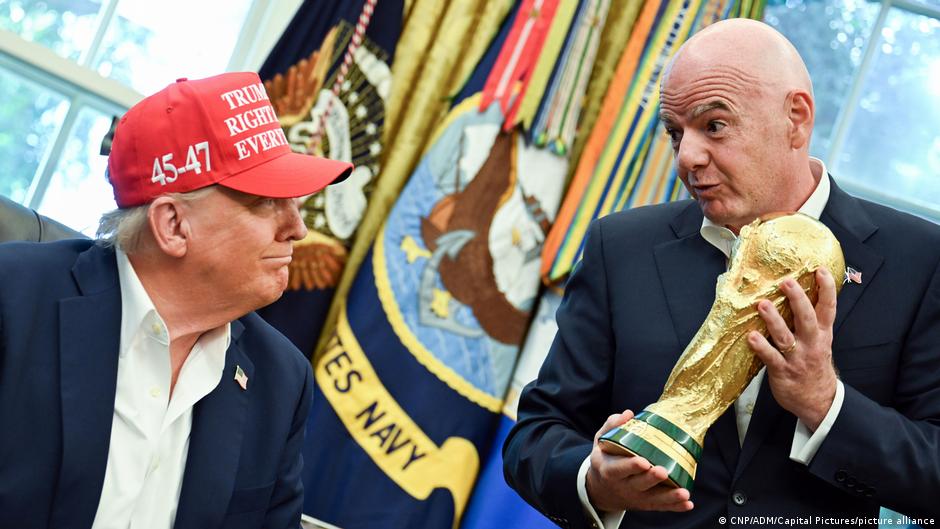
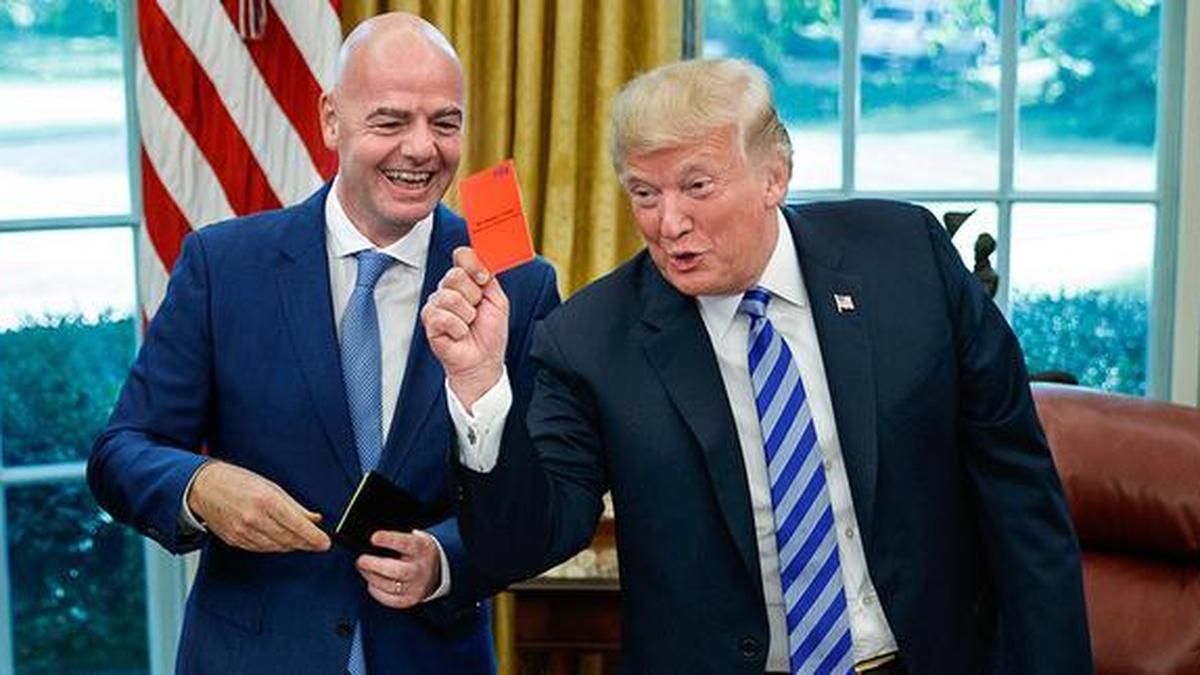
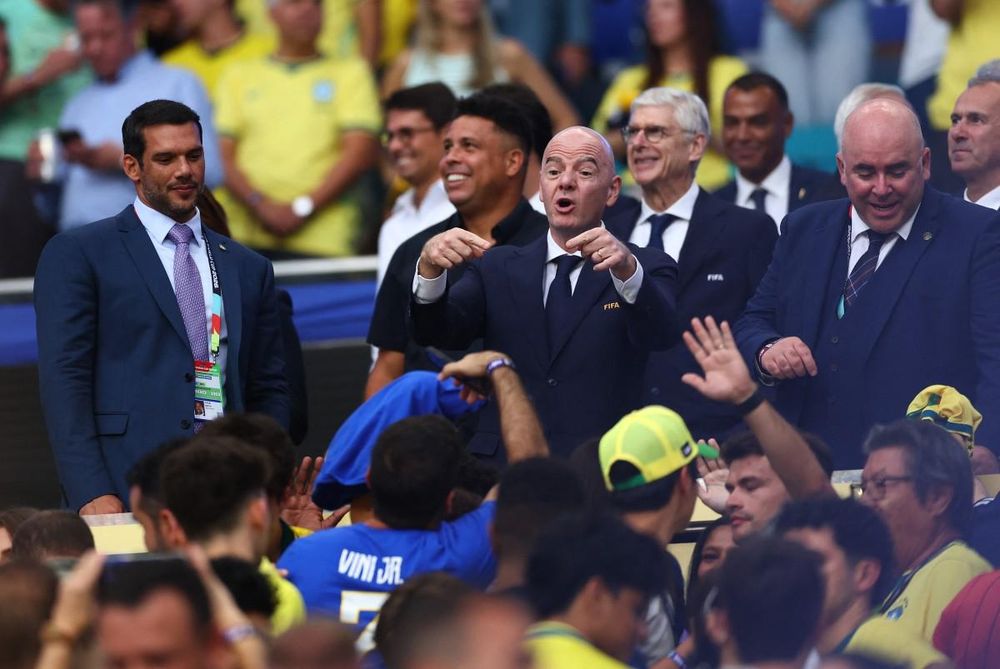
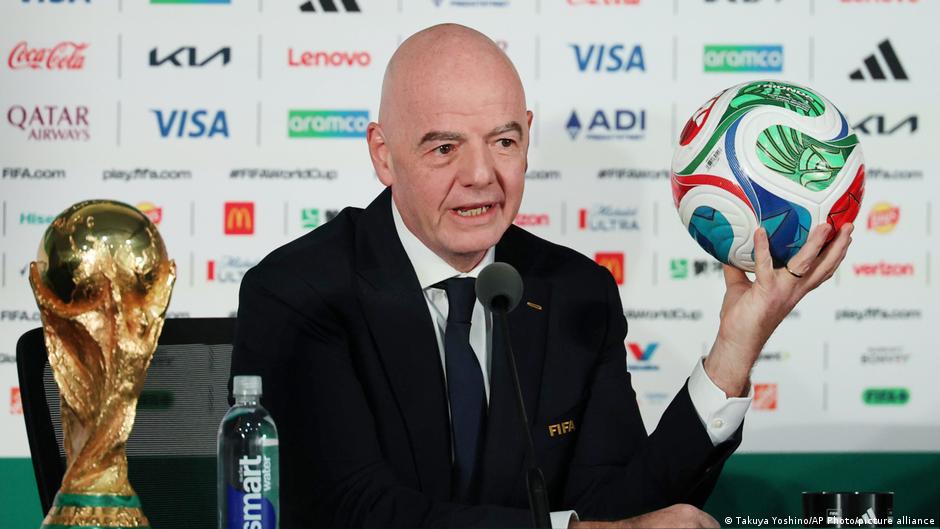
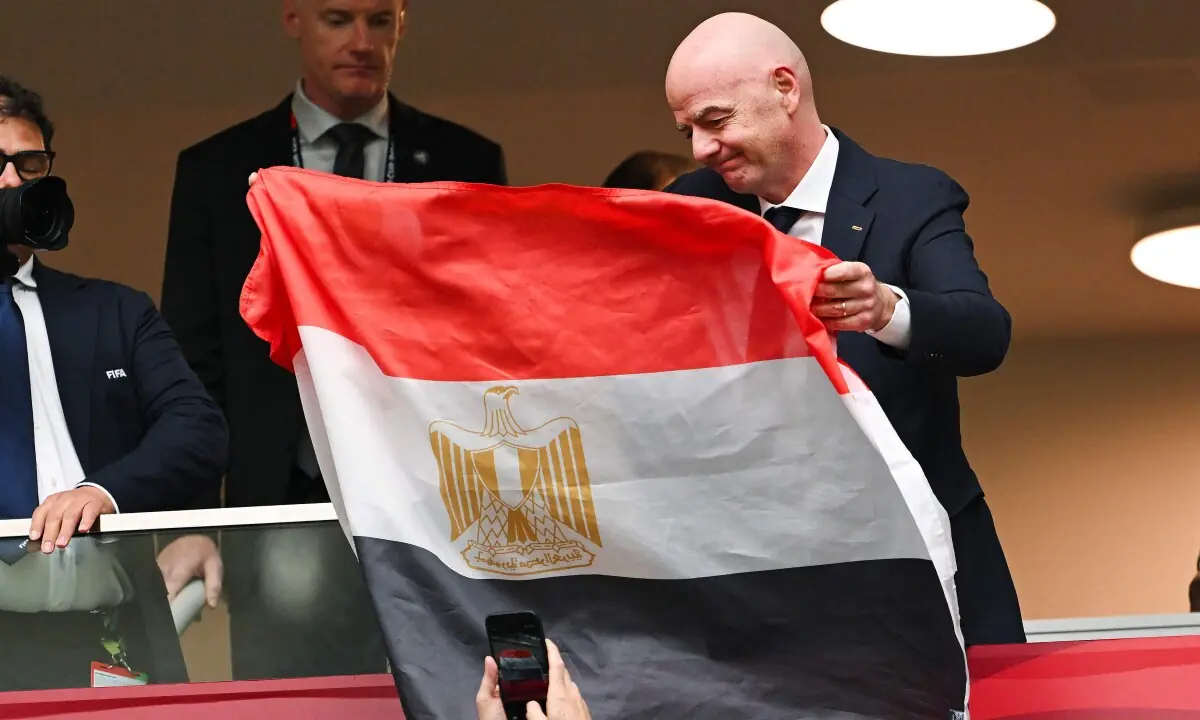
Yet this same tournament has also produced some of the darkest moments in the competition’s history — episodes that have not only left a bitter aftertaste but also set dangerous precedents, raising troubling questions over fairness, integrity and political influence.