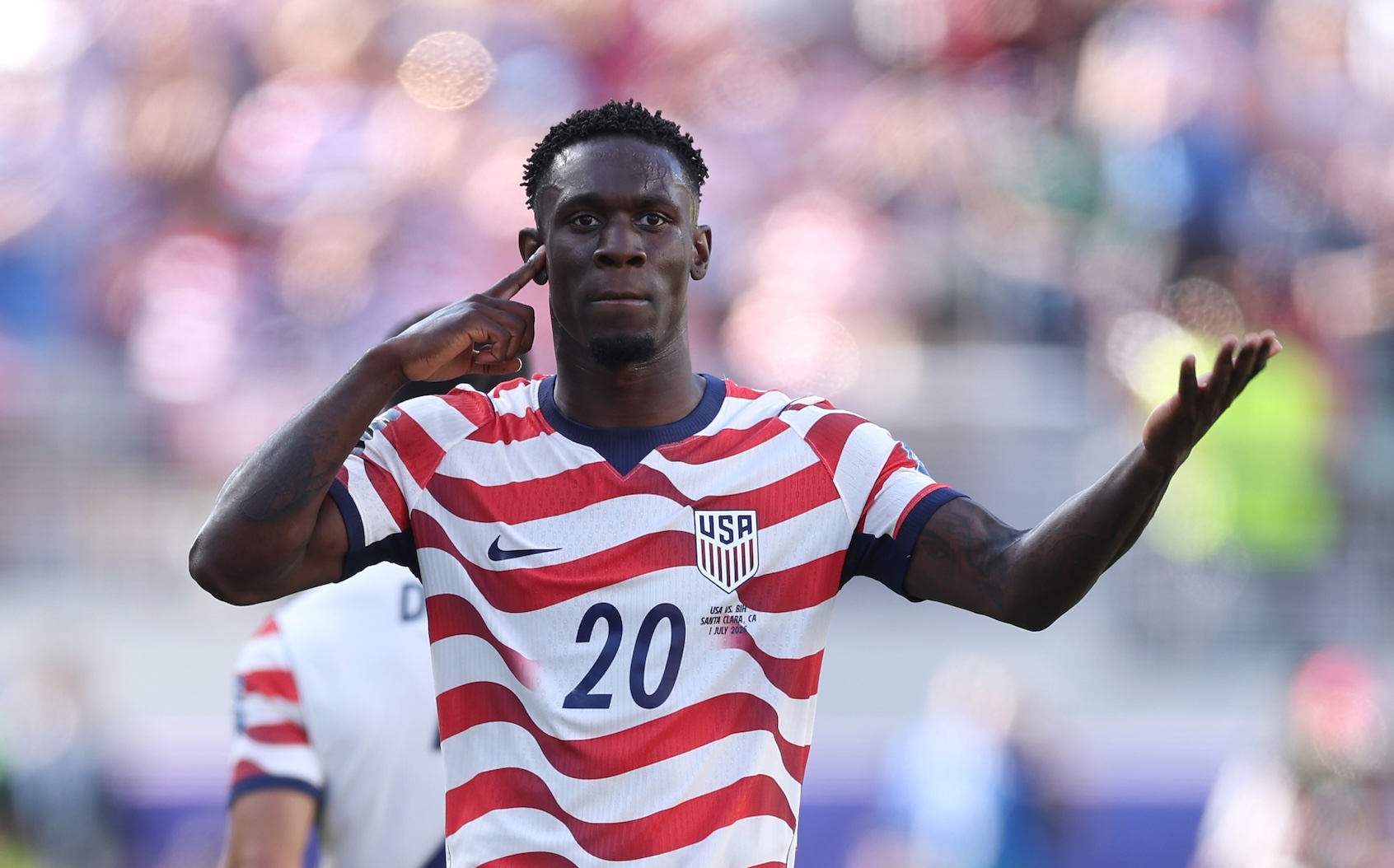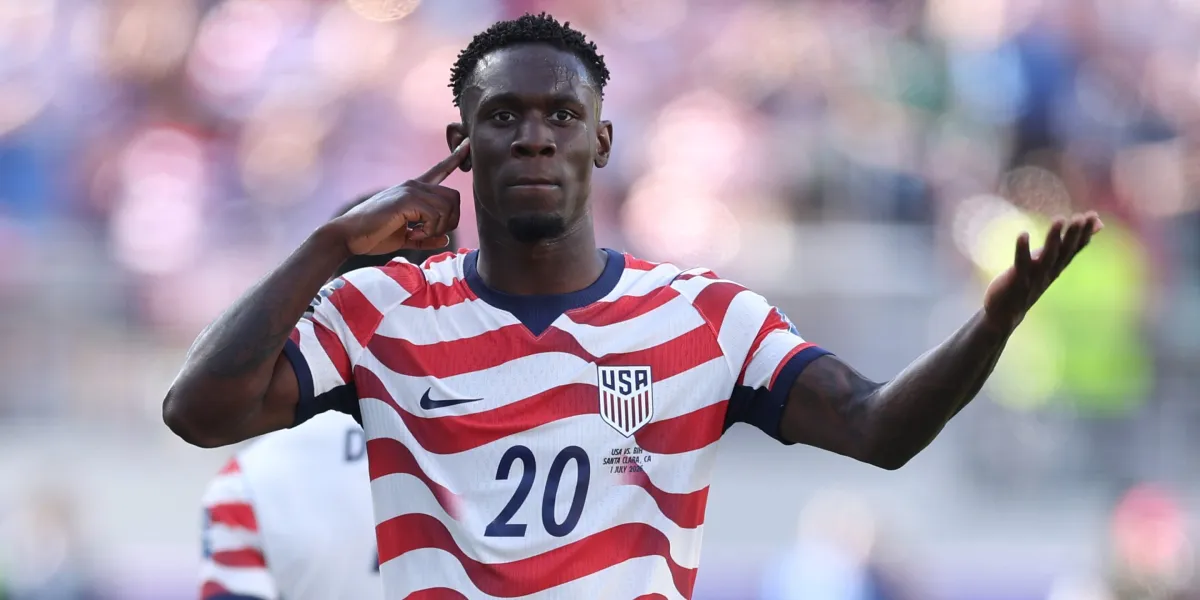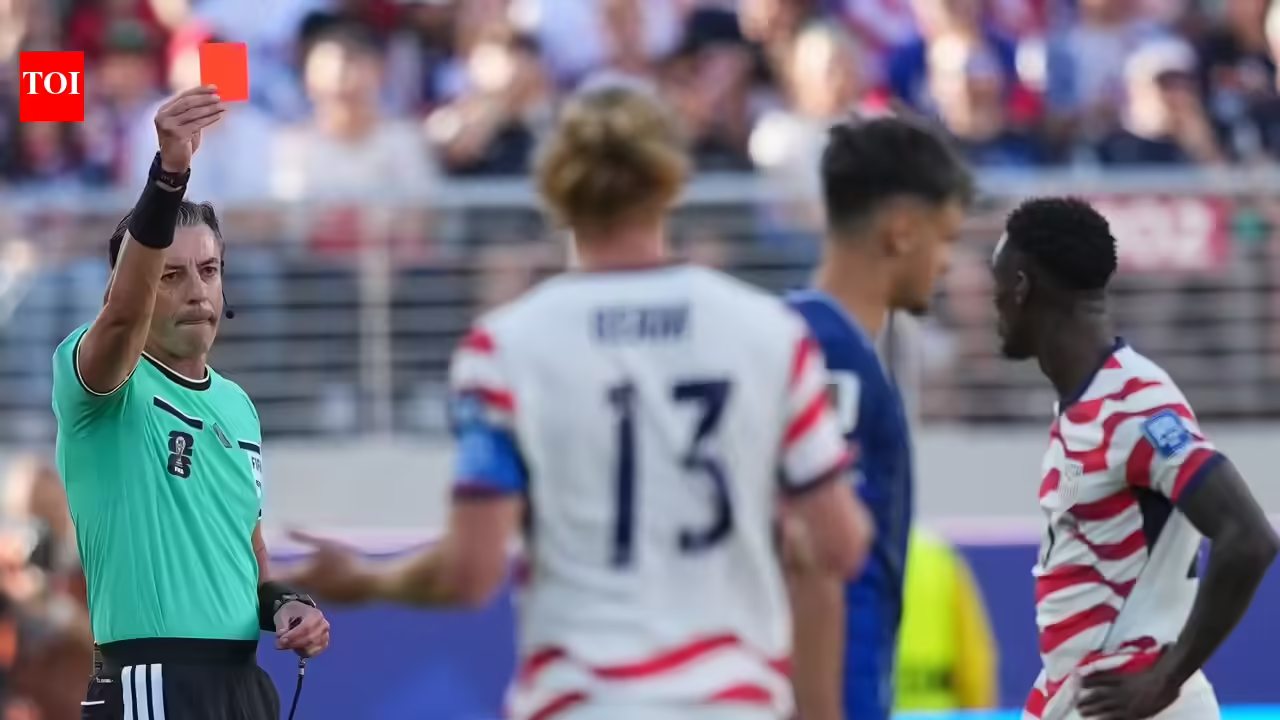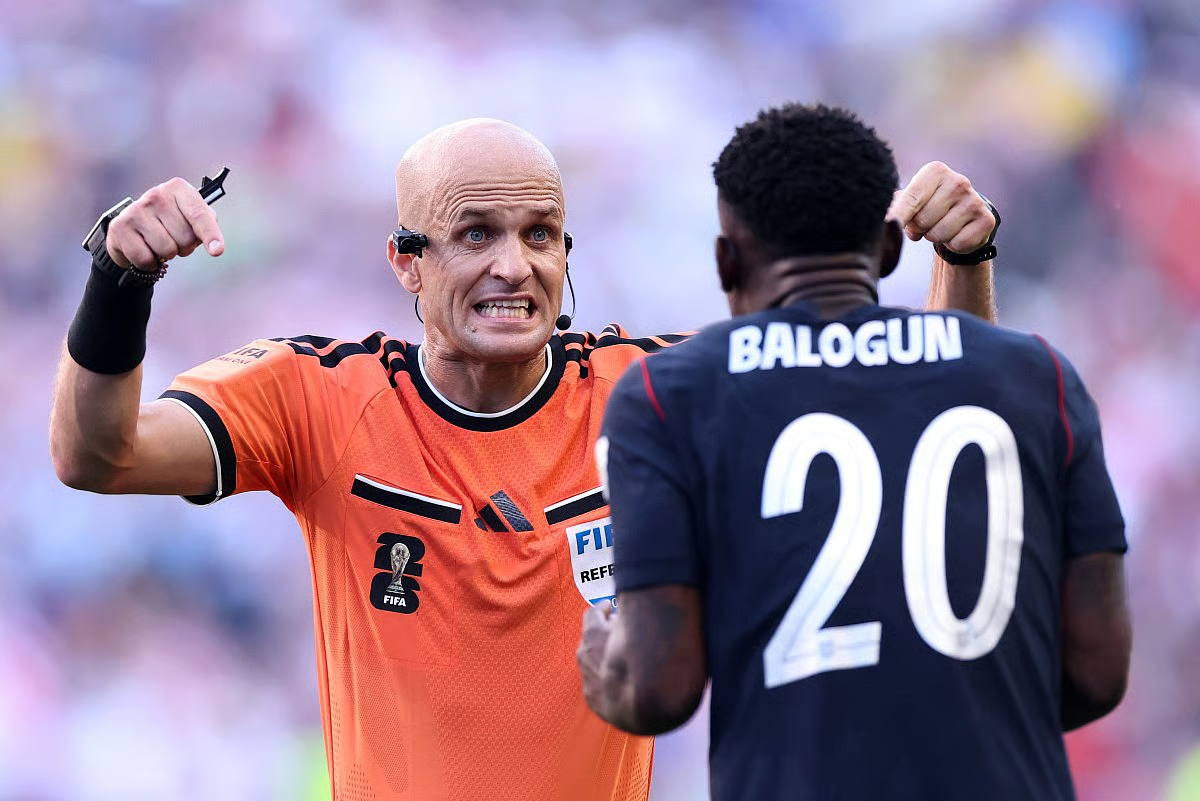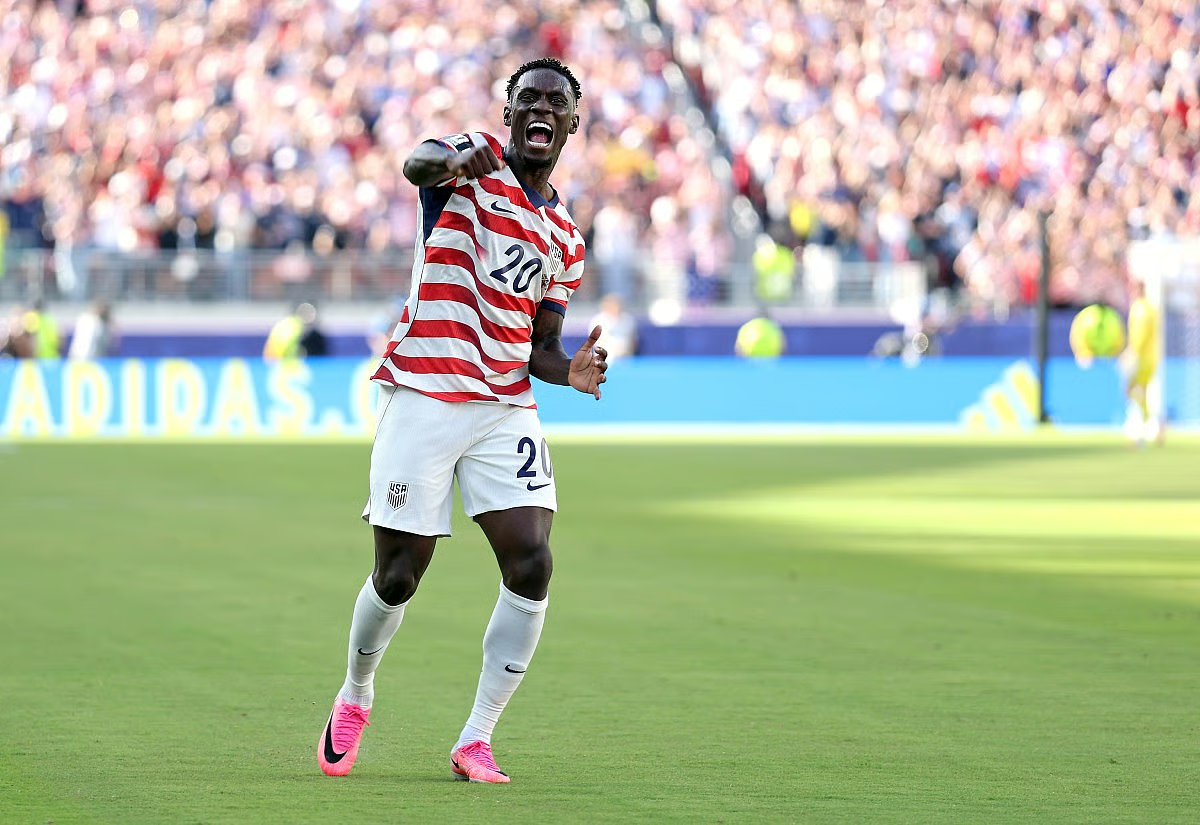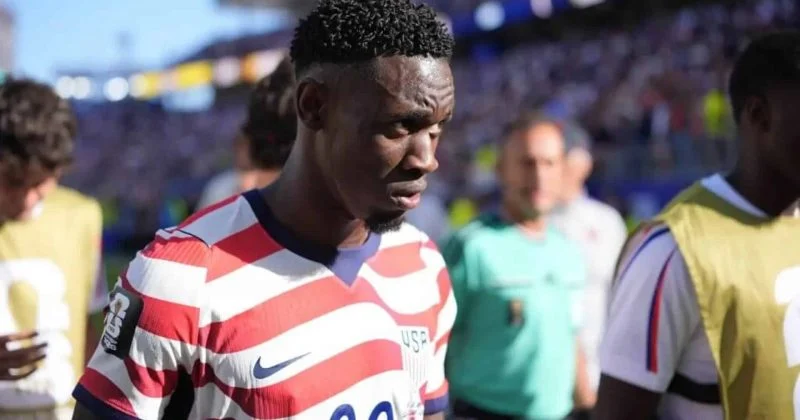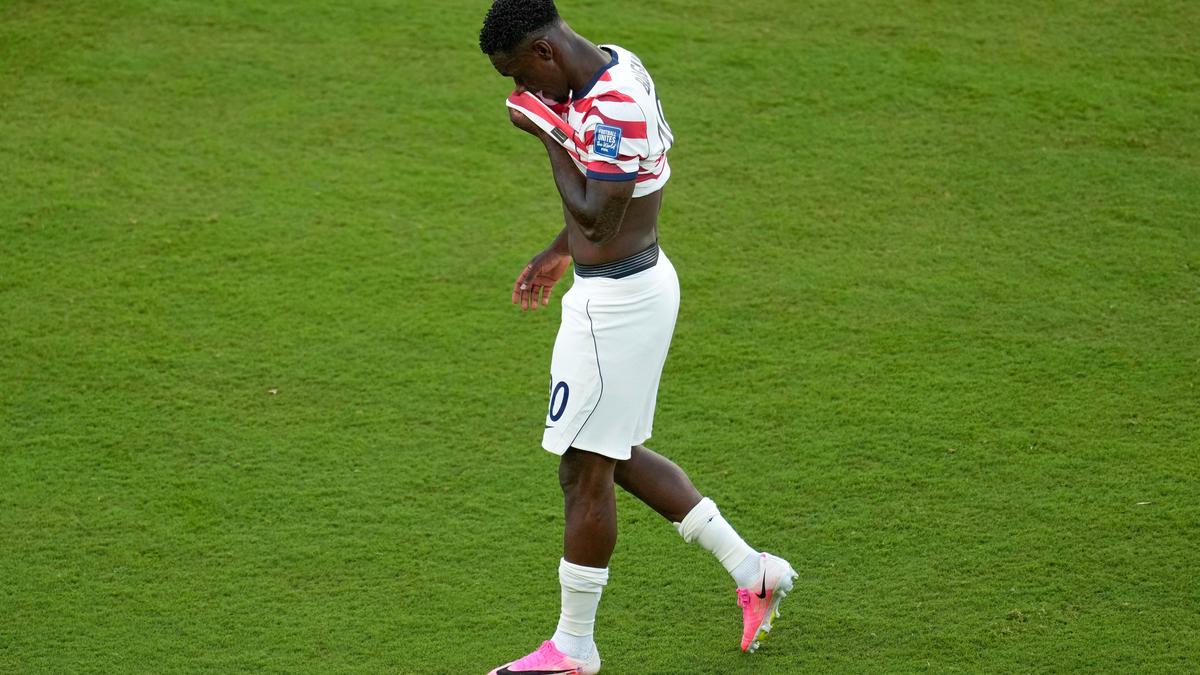
United States' Folarin Balogun (20) reacts to a red card during the World Cup round of 32 soccer match between the United States and Bosnia in Santa Clara, Calif., near San Francisco, Wednesday, July 1, 2026.
| Photo Credit: AP
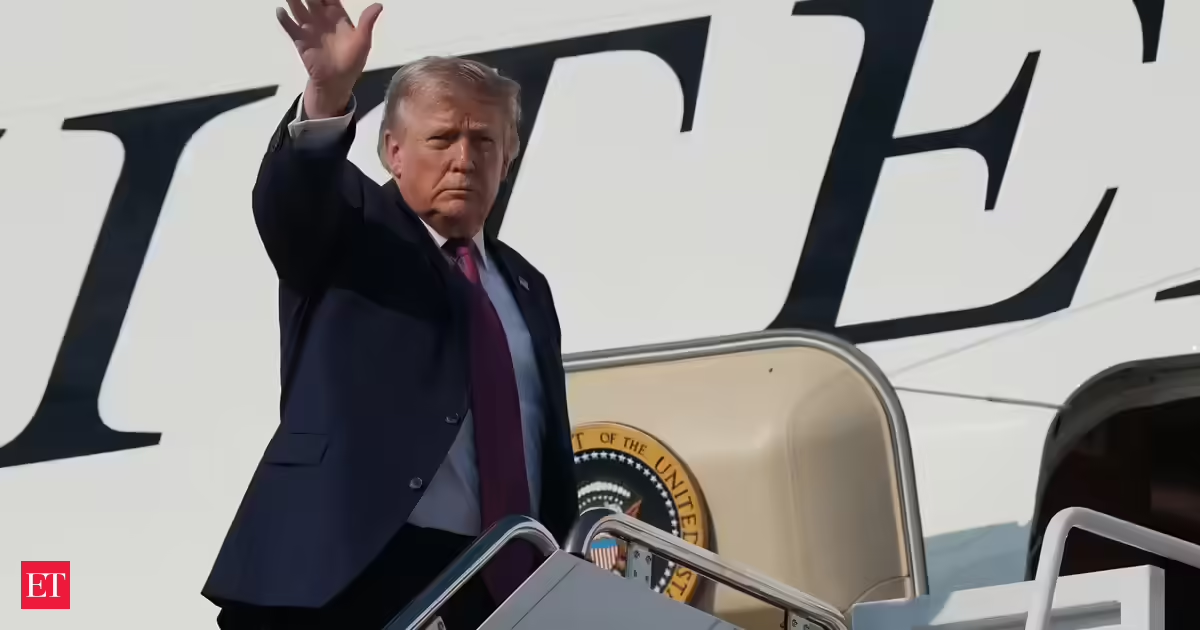
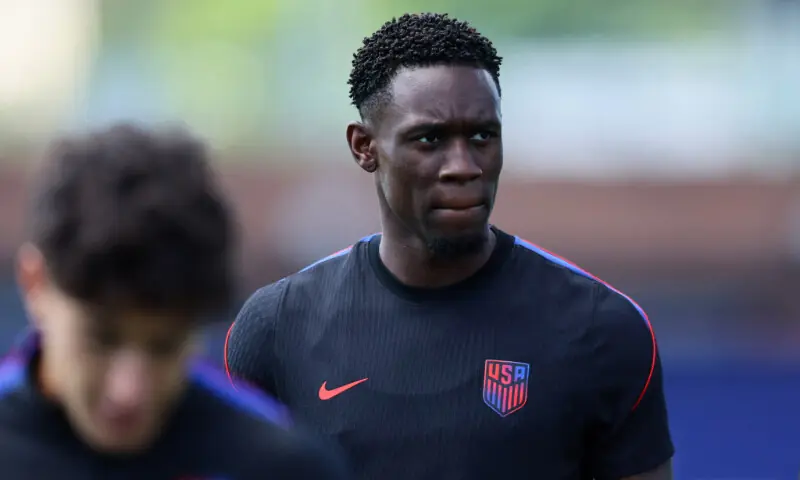
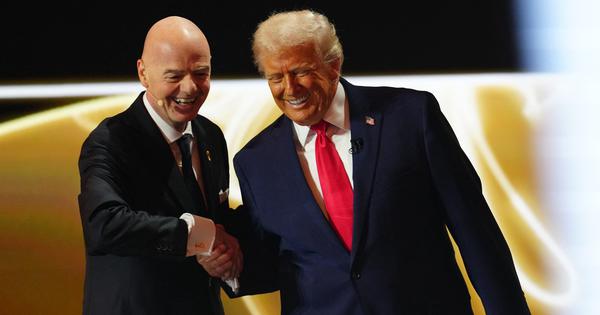
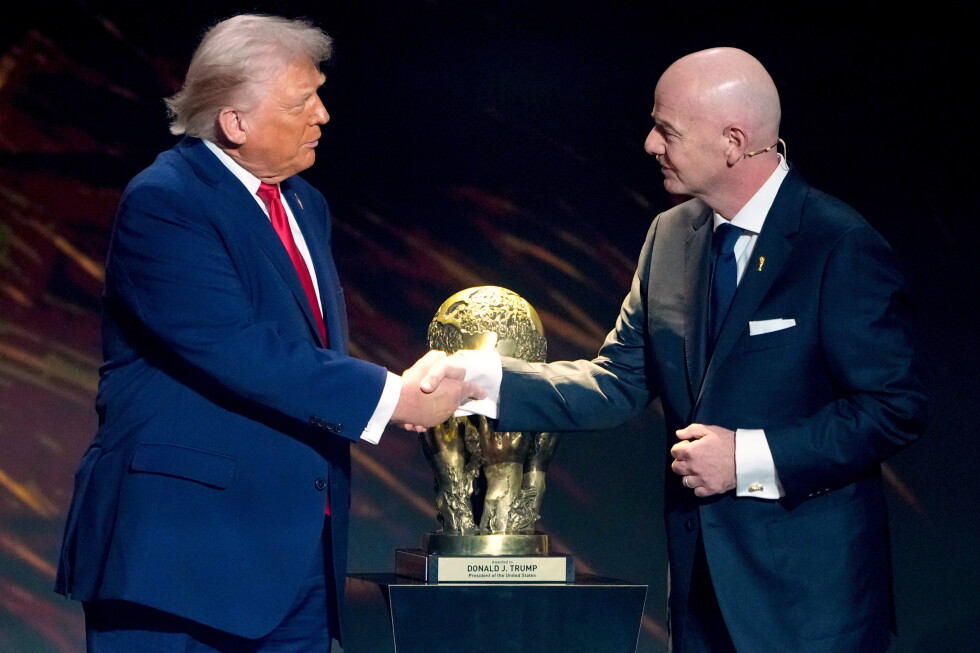
Ahead of the round of 16 clash between Belgium and the U.S. in the FIFA world cup, The Royal Belgian Football Association (RBFA) on Sunday (July 5, 2026) night expressed its astonishment over a decision by FIFA to declare suspended U.S. striker Folarin Balogun eligible to play.Balogun was sent off during the round of 32 match against Bosnia and Herzegovina, after stepping on the ankle of Tarik Muharemovic during a challenge, a decision that can be interpreted as harsh for an accidental contact but is well within the rules of the game to prevent dangerous play.However, the decision to revoke the automatic suspension that follows a red card, the RBFA claims, goes against the FIFA disciplinary code and the separate competition regulations decided upon for the tournament. But what makes the situation more cumbersome are reports attributed to the U.S. White House sources that President Donald Trump lobbied to get the decision in favour of the co-hosts. “Thank you to FIFA for doing what was right, and reversing a great injustice,” Trump posted on social media following the decision to allow Balogun to play on Monday (July 6, 2026) night.The AP reported that Trump called FIFA president Gianni Infantino after the U.S.-Bosnia match on Wednesday (July 1, 2026) asking the governing body to review the card. The BBC also cited sources to confirm that Trump spoke to Infantino about the suspension. Unlike club football leagues, the World Cup rules do not allow teams to appeal against a red card.FIFA based its decision on Article 27 of the Disciplinary Code which states that the FIFA Disciplinary Committee may decide to suspend the enforcement of a previously imposed disciplinary sanction. The provision has never been used at the World Cup before. The RBFA said in a statement that Article 66.4 of the same code clearly provides that a red card for a player automatically results in a suspension for the team’s next match, as has been the case for all previous red cards issued during this World Cup. The decision on Balogun is also in direct contradiction with Article 10.5 of the FIFA World Cup 2026 Competition Regulations, which reiterates the automatic suspension with provision only for further sanctions if needed. The automatic nature such suspension was explicitly reaffirmed in FIFA World Cup 2026 Circular No. 16, which was distributed to all participating member associations on 12 May 2026, the RBFA said. The Belgian footballing body said it is investigating all options available over the matter to safeguard “the legitimate rights of all participating teams and to protect the fundamental principles of fair play” in the sport.If Balogun ends up playing on Monday night, it will be only the second instance in World Cup history where a player did not serve suspension after receiving a red card.The first incident happened in 1962 when Brazil’s Garrincha was sent off against Chile in the semi-final but played in the victory over Czechoslovakia in the final. However, there was no provision for automatic suspension back then, and actions after the match were decided by a committee on the match report by officials.The fact that Trump was able to influence the independent footballing body, which has more members than the United Nations, to take a decision in its favour against all precedents and even the rulebooks, is not surprising given the close relationship he has with Infantino, who famously took the rein of FIFA promising transparent and just leadership after the Sepp Blatter era tainted by serious financial mismanagement allegations.Infantino’s closer than normal ties with Trump became apparent with the FIFA Peace Prize, a newly constituted award given to the U.S. President against the backdrop of his tantrums over being looked over for the Nobel Peace Prize. Critics have argued that the award violated FIFA statutes for political neutrality and several European lawmakers, football associations and human rights groups called for a probe into the move which reportedly was a unilateral decision by the FIFA president keeping its governing council in the dark.Coming up to the World Cup, FIFA’s conducts were questioned repeatedly by federations and fans of the game around the world who flagged skyrocketing ticket prices amid black-markets and resellers, lack of transportation facilities for the game venues and the introduction of hydration breaks no matter condition during games allowing extra revenue from advertising which resulted in teams having their rhythm disrupted and momentum lost during crucial stages of the game.The tight visa regulations for entry into the U.S. with hundreds of fans and even relatives of players having to go through hurdles to get into the tournament which is supposed to be the celebration of humanity across and without borders. The visa restrictions in the U.S. even led to Omar Abdulkadir Artan who was in 2025 named men’s referee of the year in Africa being denied entry and forced to return without officiating a single match.However, questions over exorbitant ticket prices and entry hurdles faded soon after the tournament began, with the extended format delivering a spectacle for the fans with countless unforgettable moments. But the latest interference by the administration of the co-hosts to have a decision in its favour has brought back the shadow over the tournament and FIFA, leaving the footballing world as astonished as the RBFA and equally livid.“I didn’t know that [at] the Fifa World Cup 5 July is now 1 April, and that is April Fool’s,” said Rudi Garcia, the manager of the Belgian team. “We are not defending the national team or the federation; we are defending football.” Published - July 06, 2026 11:26 am IST