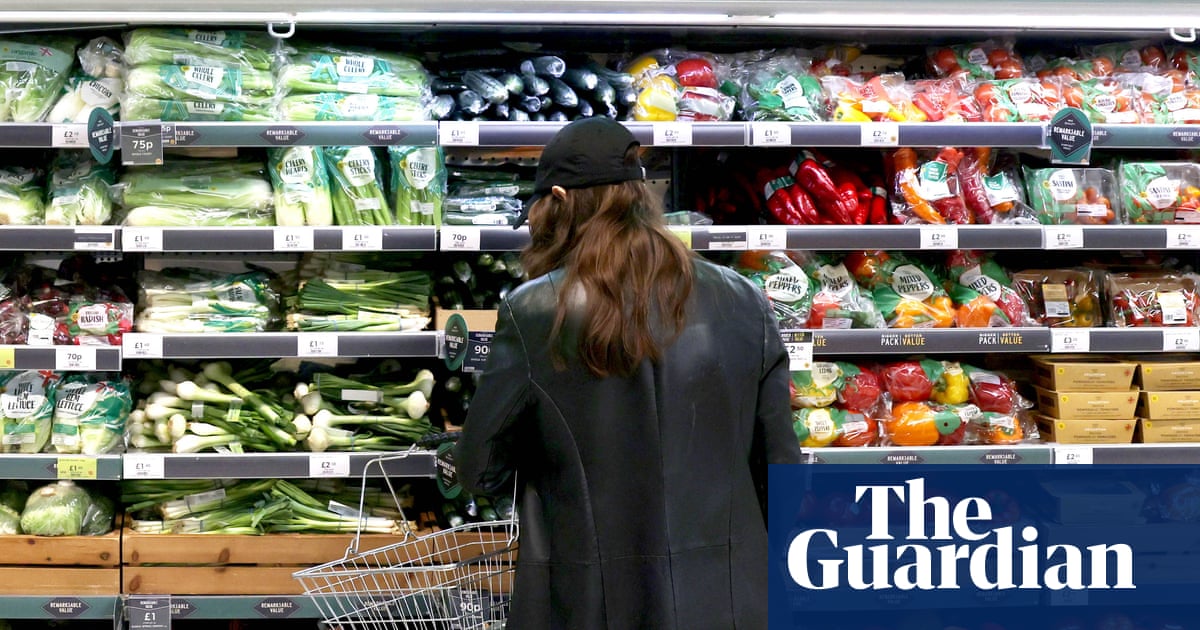
New research suggests the relentless squeeze on household budgets is forcing many people to make difficult compromisesRory Poulter11:38, 10 Jul 2026People across the UK are making major food changes as the relentless squeeze on household budgets continues to bite, new research suggests.Around one in four shoppers have either significantly reduced the amount of meat they buy or become vegetarian because they can no longer afford their previous grocery bills, while almost one in five admit they are eating less or missing meals altogether. The survey of more than 3,000 adults also found that the financial strain is taking a heavy toll on mental wellbeing, with four in ten saying they feel mentally exhausted by money worries every day or several times a week.Nearly one in five (18%) said they worry about money every day, rising to a third (33%) of households earning less than £20,000 a year. The findings come as families continue to grapple with higher living costs after years of elevated food inflation, with grocery shopping emerging as the biggest day-to-day financial concern.Researchers for cashback shopping app tuck. found households now spend an average of £94 on their weekly food shop – around £24 more than a year ago. Asked what single change would make the biggest difference to their finances, 61% said lower grocery prices.The pressure is forcing many households to make difficult compromises. Nearly two-thirds (61%) said they are buying fewer treats and snacks, while 19% admitted they have started skipping meals or eating less because of rising food costs.Women appear to be bearing the brunt, with 20% saying they have skipped meals compared with 12% of men. Parents were also more likely to cut back on their own food, with almost one in four (24%) doing so compared with 14% of adults without children.Meanwhile, 28% said they had either become vegetarian or significantly cut the amount of meat they buy to save money. The survey found women were far more likely than men to have given up or reduced meat consumption, while one in three parents had made the change. Money worries are also having a growing impact on mental health.Overall, 40% said they feel mentally exhausted by financial concerns every day or several times a week, while only 7% said money does not cause them anxiety. Women were slightly more likely than men to report feeling mentally drained by money pressures, while those on the lowest incomes were almost three times more likely to worry every day than households earning more than £50,000 annually.The cost-conscious mood is also changing shopping habits. More than eight in ten (81%) said they have become more focused on finding bargains, discounts and cashback offers over the past year as they look for ways to stretch household budgets further.Neel Thakrar, chief executive of tuck., said: "Financial pressure doesn't just affect people's bank balances; it has a real impact on their wellbeing too, with the vast majority of people saying they feel mentally exhausted by managing their day-to-day finances.Article continues below"Our data shows that, on average, families are having to spend 34% more (£24) on the same weekly food shop compared to a year ago, and that is forcing them to make changes, like cutting down on treats, buying less meat and even skipping meals. Lower grocery costs is the single biggest factor that respondents say would ease their financial anxiety.”The research was based on a survey of 3,291 UK adults carried out on behalf of tuck.
People are making one major change to cope with food bills
New research suggests the relentless squeeze on household budgets is forcing many people to make difficult compromises
577 words~3 min read