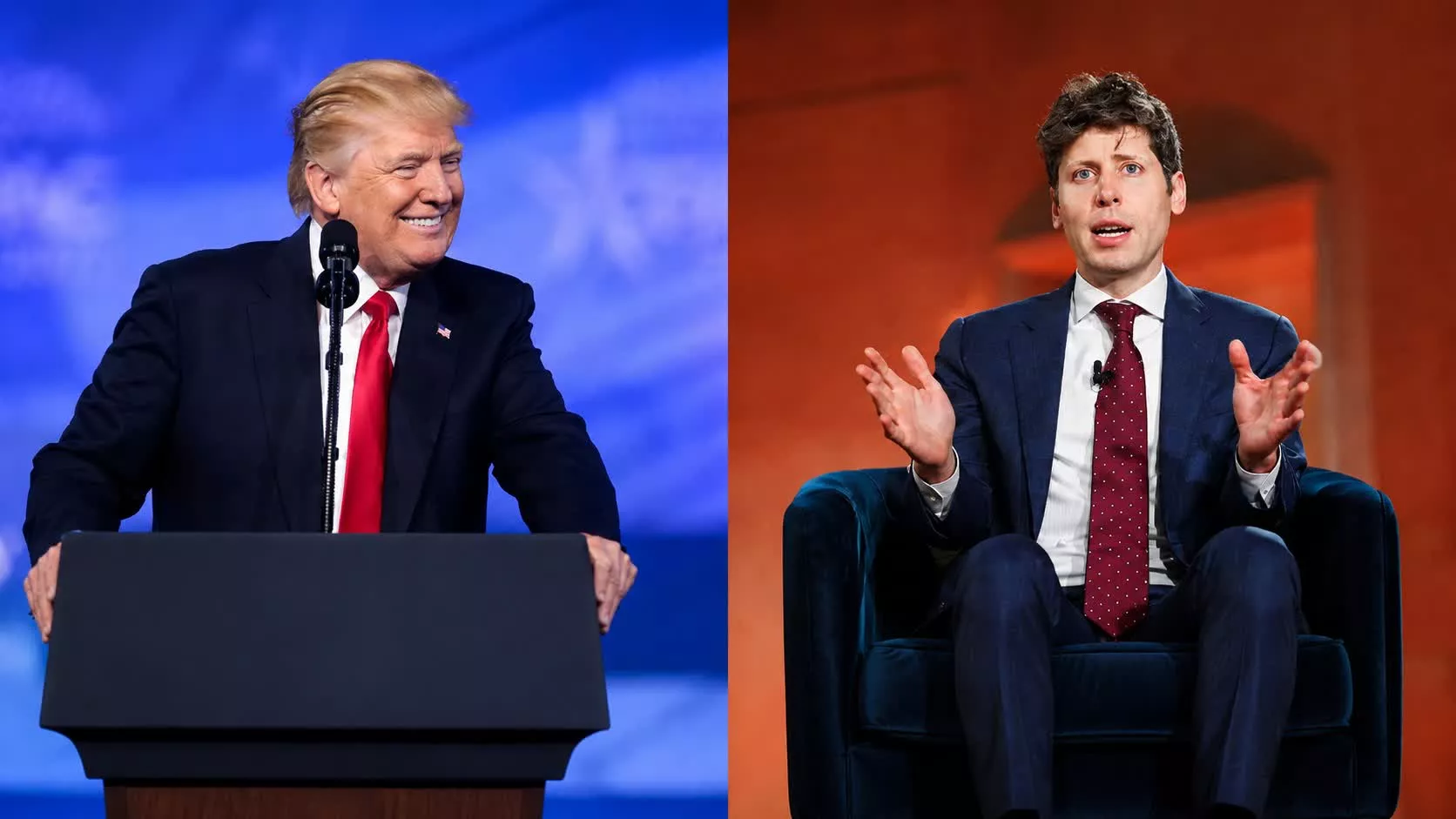
The US government is positioning itself as a shareholder in artificial intelligence companies, a move that blurs the line between regulator and investor. The Trump administration has been in active discussions with major AI firms about acquiring equity stakes, effectively creating a mechanism for the federal government to profit directly from the sector it also oversees. Sam Altman, CEO of OpenAI, originally pitched the concept to President Trump in early 2025, and the conversations have accelerated ever since.
The deal taking shape
The model under discussion involves companies voluntarily ceding equity to the federal government without any upfront cash payment in return. AI firms hand over ownership stakes and, in exchange, presumably receive regulatory clarity and government backing.
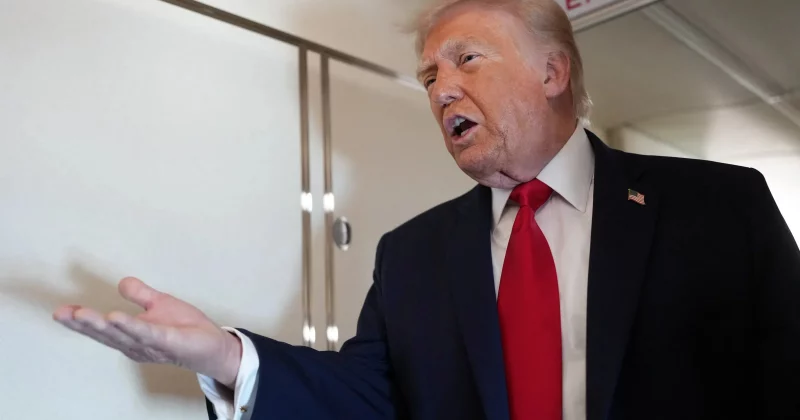
Trump publicly acknowledged the initiative aboard Air Force One on June 5, 2026, framing it as a way for the American public to share in AI’s economic upside. The idea is to funnel these equity positions into something resembling a public wealth fund.
OpenAI moved first with a concrete offer. On July 2, 2026, the company proposed giving the government a 5% equity stake, valued at approximately $42.6 billion based on its valuation at that time. No board seats. No voting rights. Just a passive ownership position.