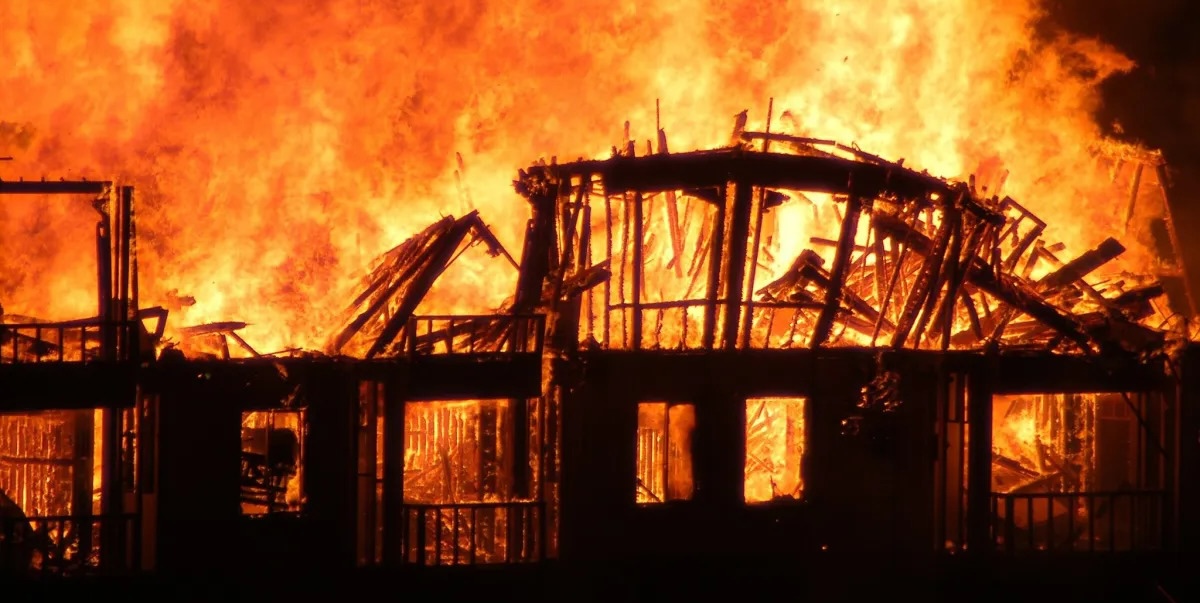
The fires began with a gentle Midwestern boy who loved animals. Kevin Tubbs grew up in a comfortable suburb outside Omaha, Nebraska, in a canary-yellow ranch house filled with dogs. Tubbs’s mother, a tender-hearted woman given to long spells of depression, had a soft spot for strays. Within the home, the dogs were indulged to an unusual degree, holding status as nearly full members of the family. Once, when Tubbs was thirteen, he became alarmed at how a neighbor was treating his own dog, a Siberian husky. The animal, fizzing with the inexhaustible energy of a creature bred for hauling chockablock toboggans, was confined to a tiny pen, a mere twenty feet square, behind the neighbor’s trailer. For hours every day, the husky, howling piteously, would try in vain to leap the walls of his prison.Article continues after advertisement
Finally, one night, after the cries became too much, Tubbs snuck out of his house, crept into the neighbor’s yard, and unlocked the immiserated animal’s paddock. Under a dull moonlight, he trotted the dog across town, handed it off to a trusted friend, then walked home and slipped back into his twin bed. As with much of his subsequent career in what the federal government would label domestic terrorism, Tubbs didn’t think of his actions as particularly political. To his mind, it was just simple, moral instinct: A living creature was in pain; it was within his power to save them; so, he did.