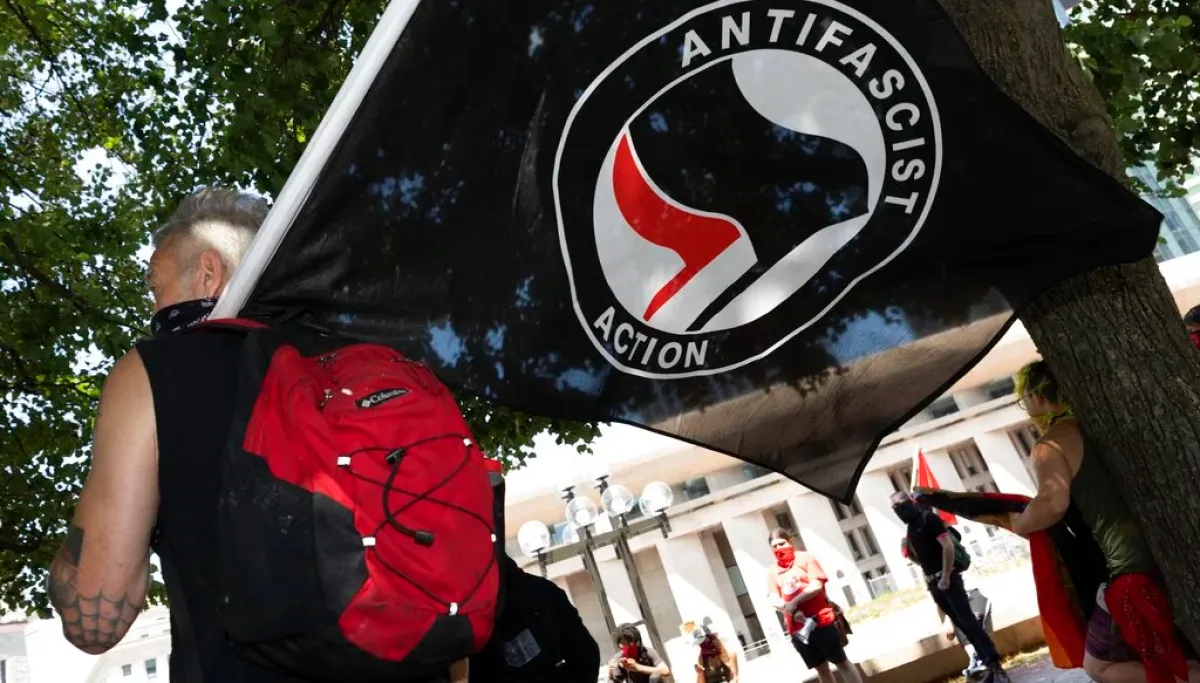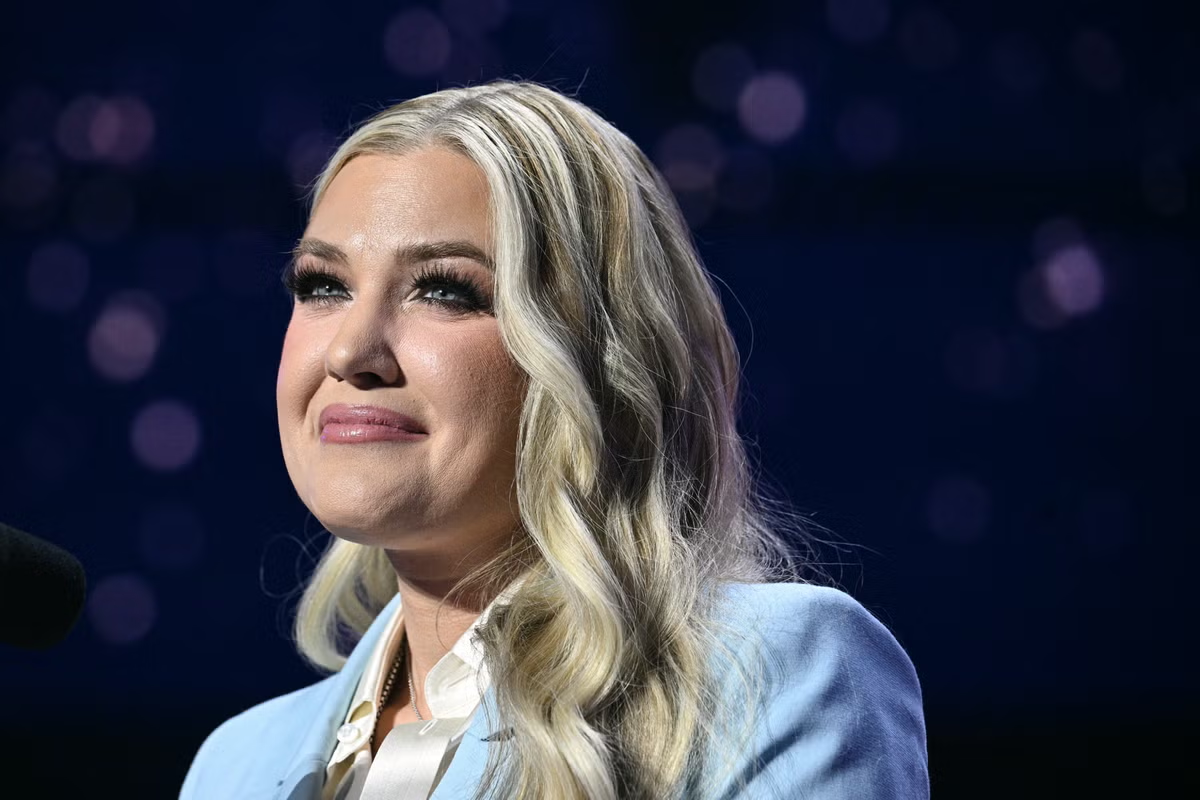
Kelly Neidert was painfully familiar with the Elm Fork John Brown Gun Club well before it was linked to a terrorist attack.The University of North Texas graduate, now head of Texas Coalition for Kids, built a reputation around the college town of Denton as an activist leading protests against LGBT events for children. The Elm Fork John Brown Gun Club’s members spent years trying to crash her events with rowdy protesters and confronting her in their masks, black uniforms, and rifles, she recalled to the Washington Examiner. She first encountered them in October 2021 after the gun club encouraged people online to disrupt her “christo-fascist” vigil against abortion, showed up with a mob that yelled obscenities, and prompted university police to escort her away, she said.“They all came up to me and surrounded me, and they all had on their masks, of course, and they had their guns, and it was very scary,” Neidert said, remembering another local incident in 2024 where she tried filming an event they protected.
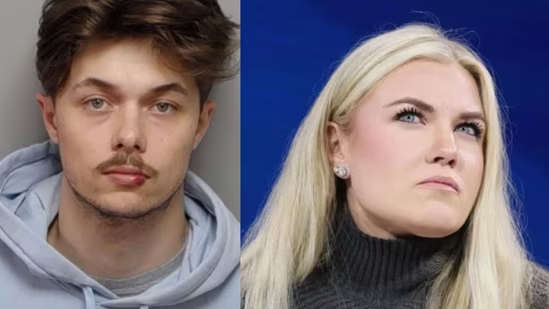
“I don’t know that they, in broad daylight, would have harmed me, actively harmed me, but they were definitely making it clear that I needed to leave and … they flat out told me to my face I was not safe there,” she told the Washington Examiner. Neidert gradually recognized and identified some gun club members through the years, including a leading figure named Benjamin Song, as the group drew increasing media attention.Now, Song and fifteen others are in prison over a fiery July 4, 2025, nighttime attack on an Alvarado immigration facility in which Song shot a police officer from nearby woods, nearly killing him. The last federal defendant was sentenced this week in the case, which put members of multiple leftist groups behind bars. Jurors convicted Song in March of attempted murder of a public official, material support for terrorism, riot, and explosives and gun charges, and he received the harshest sentence of all the participants at 100 years.Song’s journey from activist to terrorist leader was years in the making. He and his openly “insurrectionist” gun club received support via sympathetic media coverage and allies, legal help from his father, funding and digital tools from international groups, and codefendants who hid him for 11 days after the officer’s near-death injury, until a SWAT team detained him at an associate’s Dallas apartment. The Trump administration’s successful case against Song’s “antifa cell” represents a key victory in its crackdown on leftist political violence, a threat repeatedly downplayed by Democratic politicians.Song fled from the FBI and state authorities for eleven days after the anti-ICE riot. (FBI)