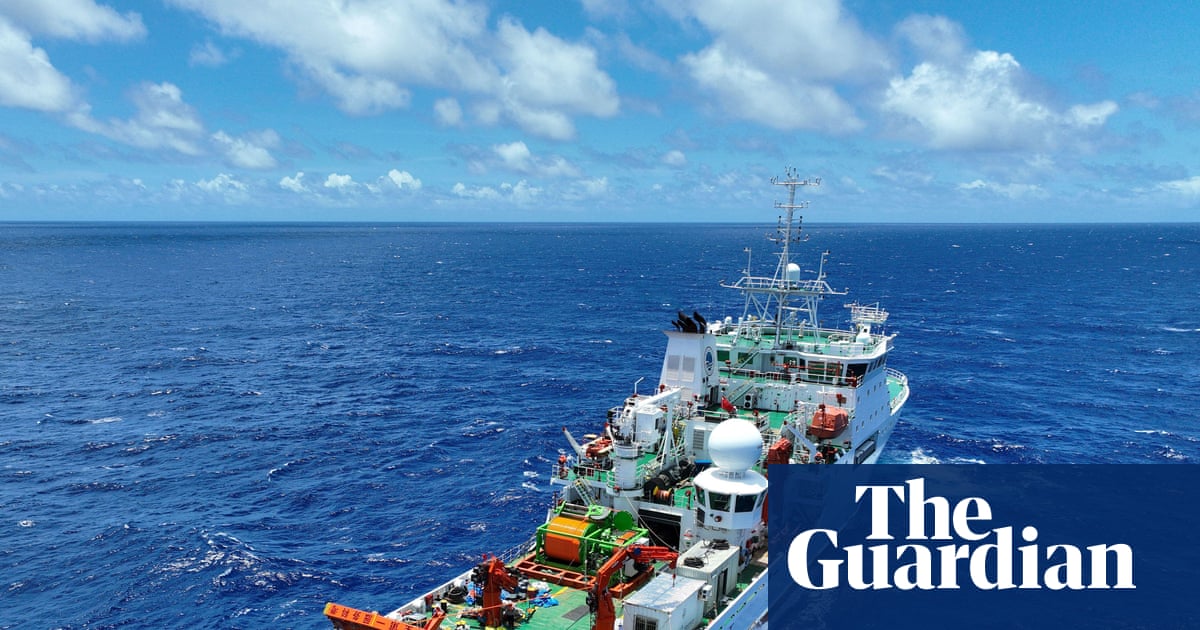
Sri Lanka’s strategic location in the Indian Ocean often pulls the country into the geopolitical rivalry between regional giants India and China. In 2023, for example, Sri Lanka’s granting of permission for Chinese research vessels to dock in Sri Lanka’s territorial waters met with strong opposition from India. The tension subsequently resulted in Sri Lanka imposing a one-year moratorium for research vessels from all countries from entering into Sri Lanka’s waters.
For India, Chinese research vessels aren’t merely a security threat. India is also concerned about China accessing vast seabed resources in the Indian Ocean. India’s influence on Sri Lanka – being a close ally and the closest neighbor – ensure that Sri Lanka’s effort to access mineral resources on the seafloor is likely to be entangled with geopolitics and regional security.
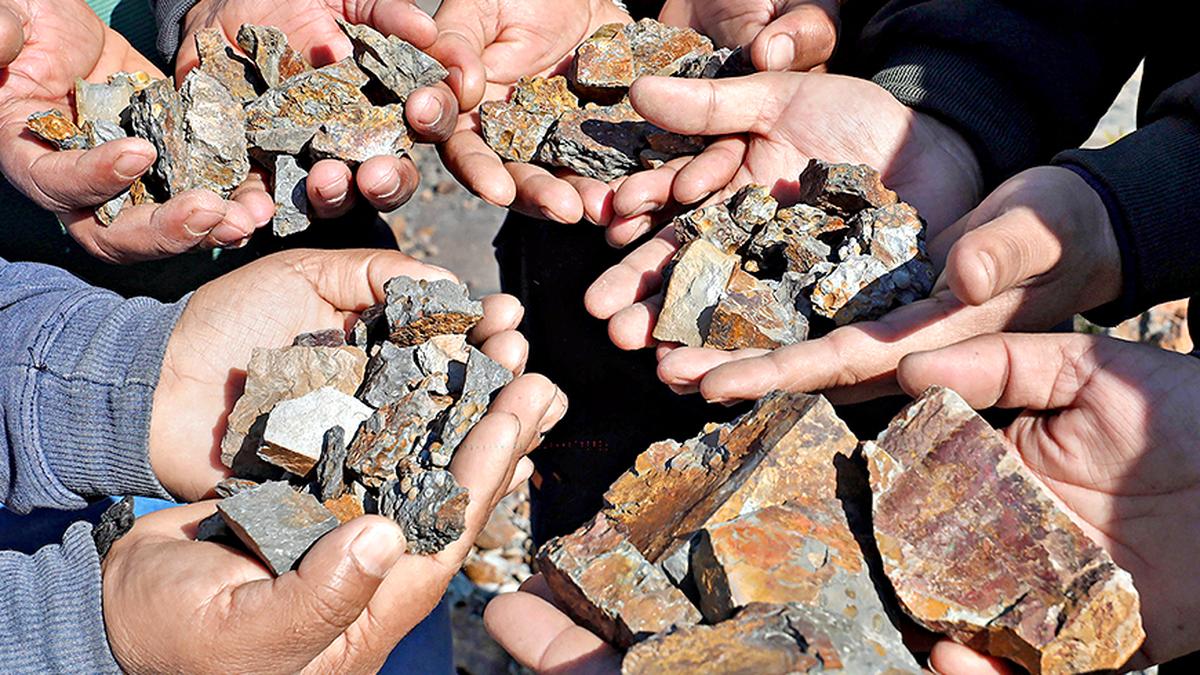
These concerns are already surfacing with Sri Lanka and India’s interests to tap into massive critical mineral resources in the Indian Ocean, especially near the Afanasy Nikitin Seamount (ANS), located about 1,050 kilometers from the southeastern coast of Sri Lanka and roughly 1,350 km off the Indian coast. A marine mountain ridge spanning roughly 400 km in length, the ANS is enriched in highly sought-after critical minerals, including cobalt, nickel, and manganese, which are vital for strategic and cutting-edge tech applications like electric vehicle batteries and aerospace technology.