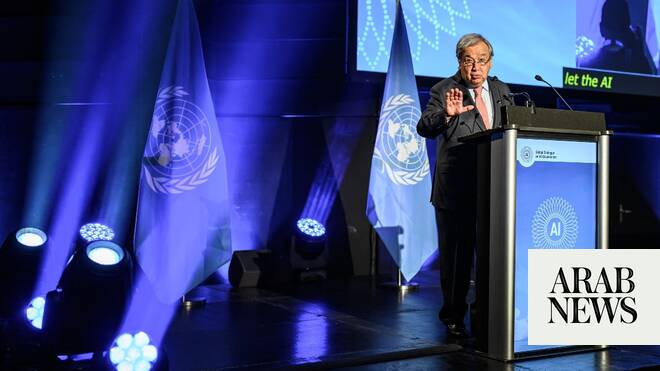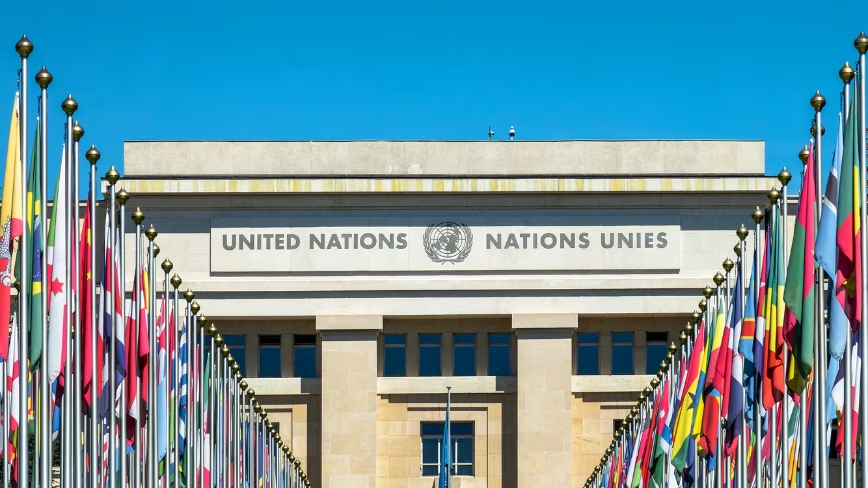
The United Nations’ digital agency has decided that AI agents are moving faster than anyone’s ability to trust them, and it wants to do something about it. On 9 July, the International Telecommunication Union used its AI for Good Summit in Geneva to launch an initiative aimed at keeping increasingly autonomous AI systems identifiable, accountable and under meaningful human control.
The mechanism is a focus group, the ITU’s standard vehicle for gathering experts before any formal standard exists. Its job will be to develop frameworks for AI agents that can be recognised for what they are, trusted to act within limits, and kept answerable to the people they act for.
The concern driving it is specific rather than abstract. AI agents are designed to act independently on a user’s behalf, handling everything from scheduling to complex business processes, which means they can also impersonate people and take decisions no one explicitly authorised. As agents proliferate, the ITU argues, the absence of shared rules for identifying and constraining them becomes a systemic risk.
That worry is not unique to Geneva. The wider industry has spent the past year discovering that agent security is largely unsolved, with many organisations unable to say how many agents they are running or what each one is permitted to do.