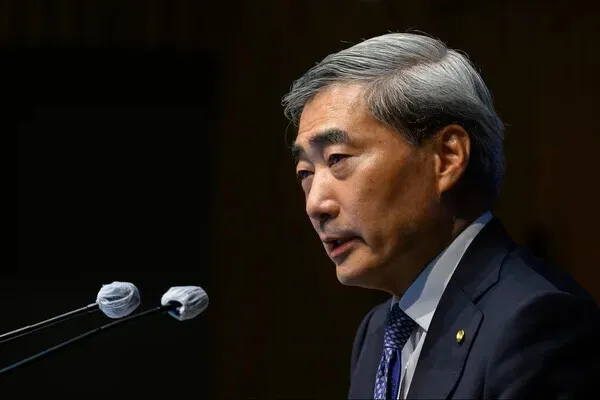
Shin Hyun-song, the governor of the Bank of Korea. (pool photo)
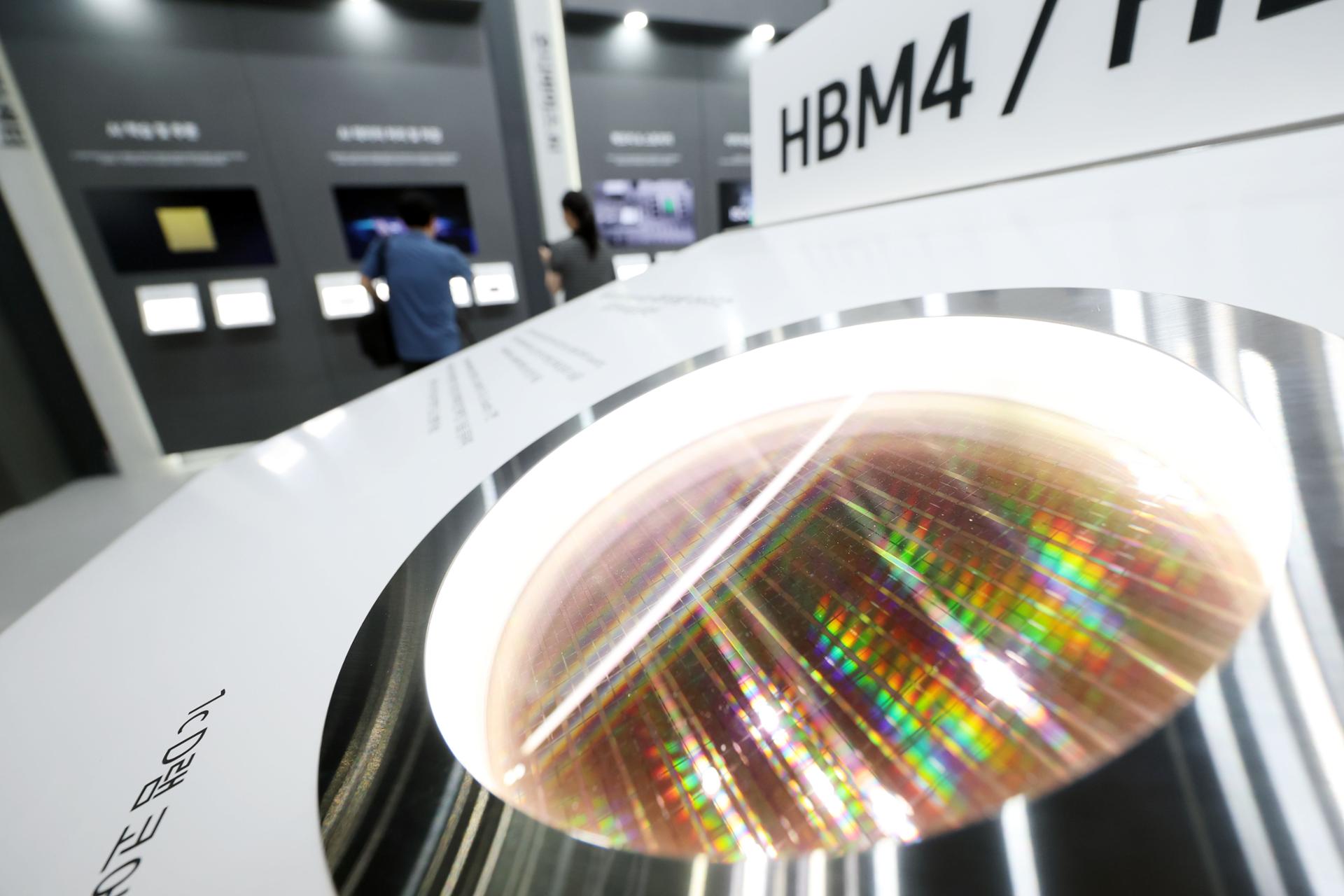
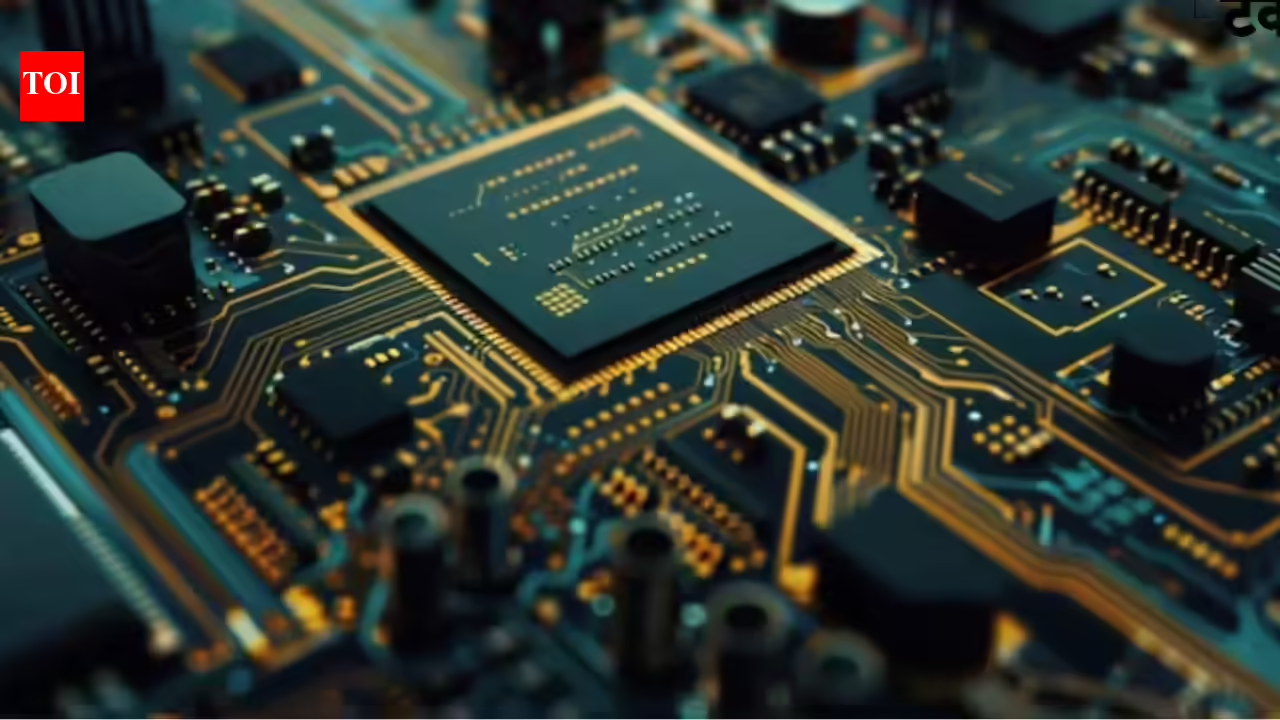
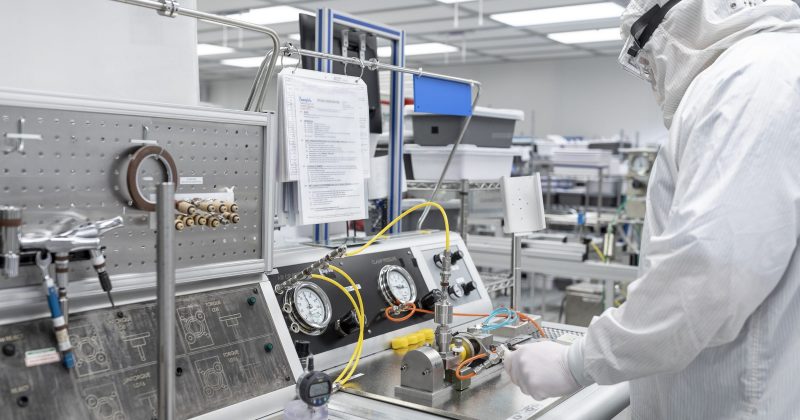
The Bank of Korea predicted on Thursday that the semiconductor upcycle will continue for some time.“The semiconductor cycle is projected to remain expansionary because of increasing investment in areas of AI usage (agentic, physical AI, etc.) and related infrastructure,” the BOK said in a report for the National Assembly on Thursday.“The upcycle in the global semiconductor market will continue through next year,” the bank said, citing analyses by leading forecasters.As artificial intelligence becomes more widely adopted, demand for processing power is growing, and leading tech firms continue investing as they vie for leadership of the space. But given the complexity of the chipmaking process, production capacity cannot be quickly expanded.However, the central bank drew attention to latent risks including an energy bottleneck, as well as an investment pullback by large tech firms and a market correction resulting from concerns about AI profitability.Another issue cited by the bank is that since the benefits of the semiconductor boom are concentrated in a subset of industries and demographic segments, it may be a while before they reach the broader economy.The BOK also reiterated the need for higher interest rates. Given recent changes in economic conditions affecting monetary policy — including rising inflation, stronger growth and financial instability — the bank said the base rate should be raised at an appropriate time.Financial watchers expect the bank to raise its benchmark rate from the current 2.50% to 2.75% in the next scheduled meeting of its Monetary Policy Board on July 16.“The timing of future rate increases will be determined with respect to increasing inflationary pressure, economic improvement and financial stability,” the BOK said.Referring to instability in the forex market, the BOK said, “The won-to-dollar exchange rate has risen along with other major currencies as investors grow risk-averse because of instability in the Middle East, but the won has depreciated more than other major currencies because of a stock selloff by foreign investors.”“We will continue taking steps to stabilize the market. Following our introduction of round-the-clock currency trading, we plan to institute a system to process won-denominated payments overseas,” the BOK emphasized.The BOK also commented on recent volatility in the stock market.“Market volatility has increased significantly because stocks are simultaneously facing greater upward and downward pressure. That reflects the concentration of demand in semiconductor-related stocks driven by expectations of further gains amid the semiconductor upcycle along with uncertainty over US monetary policy and concerns about the profitability of AI,” the bank said.“Looking ahead, stock prices are likely to remain highly volatile, influenced by the monetary policy stance in major countries, shifting global capital flows and concerns about the AI industry. However, a sustained decline in equity prices appears unlikely given upward revisions to earnings forecasts for semiconductor companies and the government’s efforts to strengthen the framework for capital markets,” it said. The BOK predicted that because of the semiconductor sector’s strong performance, the Korean economy will grow by a much higher rate this year than last year (1.1%). Back in March, it forecast an annual growth rate of 2.6%.“Exports and domestic demand are projected to remain solid as the positive effects of the semiconductor upcycle spill over into other sectors of the economy,” the bank said.But the bank also noted the high degree of uncertainty about the speed of AI investment, the evolution of geopolitical risk, and the US’ tariff policy.By Kim Young-bae, senior staff writerPlease direct questions or comments to [english@hani.co.kr]