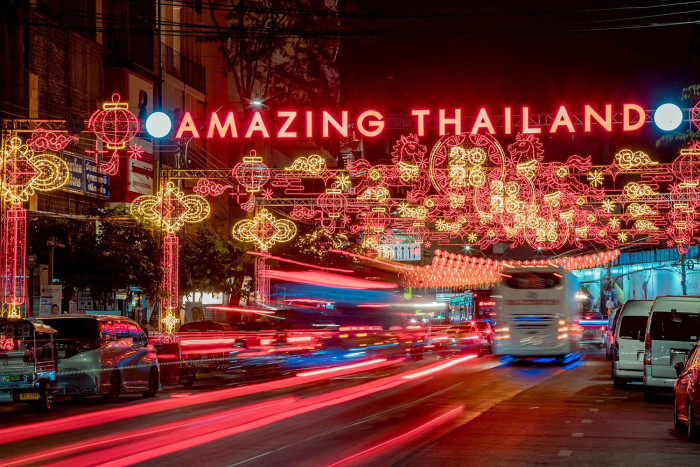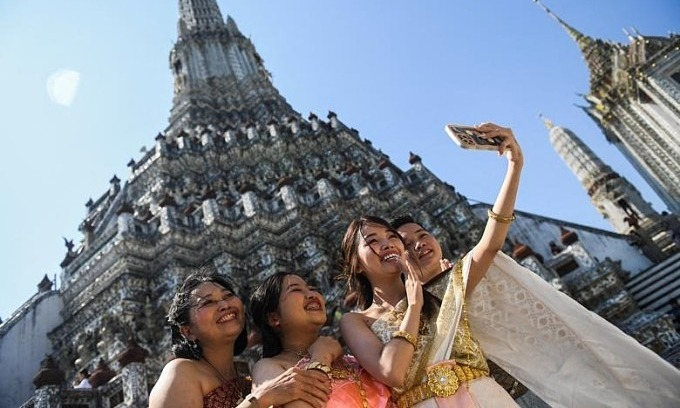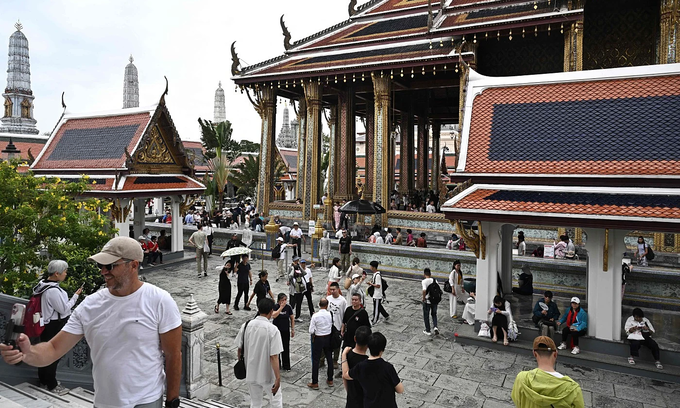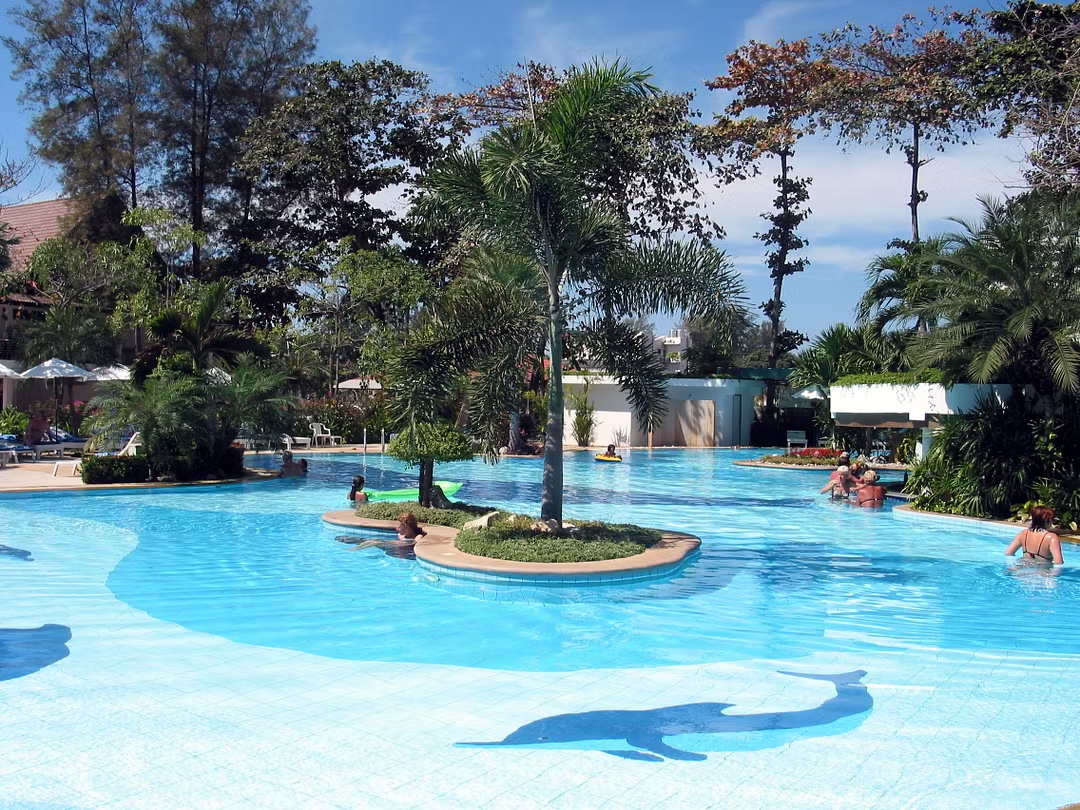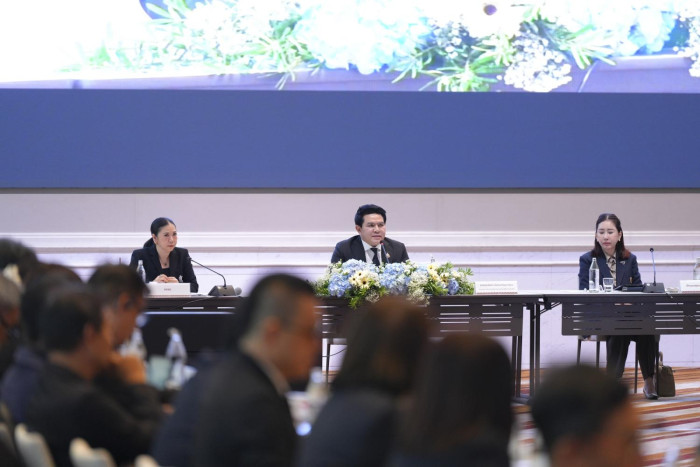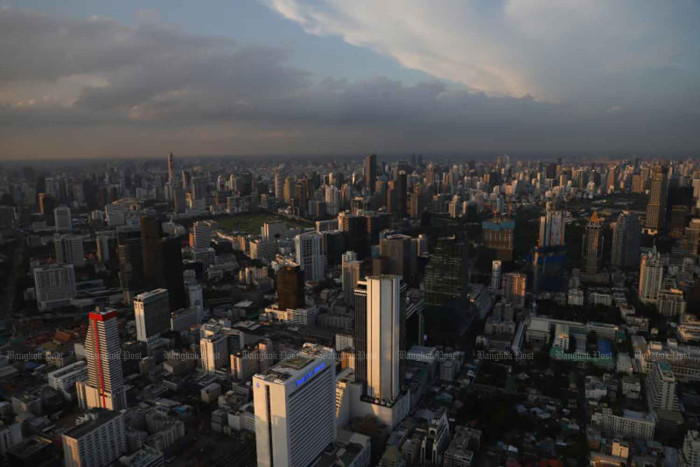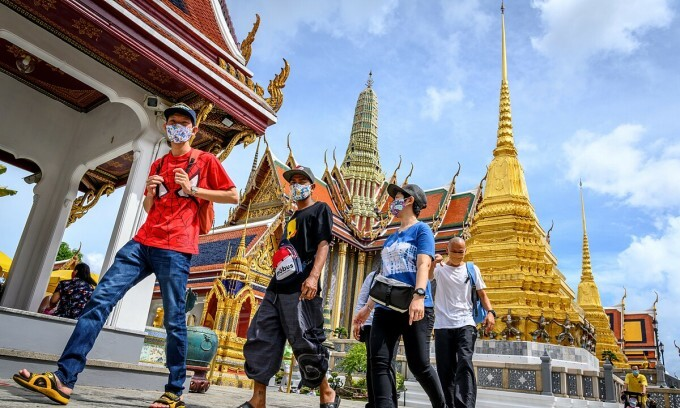
Thailand’s government has decided, like Japan and others, that the quality of the tourists it attracts is far more appealing than the quantity. After receiving just 33 million foreign arrivals to the Kingdom this year, far below the record 40 million it recorded in 2019, Thailand is betting that a smaller number of more wealthy tourists can generate the same amount of revenue. It is seeking to attract them in part by providing “meaningful experiences” for the rich in the form of golf resorts, wellness retreats, fine dining, and luxury packages. Thailand is suffering not only from a decline in tourism volume, as a strong baht, a rising Vietnam, and an ugly transnational crime problem have hampered interest, but also from the fact that its solution to the problem is a loser, as there are other wealthy people to “soak” right at home.
Part of the issue is that Thailand’s current tourism infrastructure is built for high volume, not for an exclusive few. Twenty percent of the Thai economy depends on tourism – a large part of which is those who cater to it, including tuk-tuk drivers, tour operators, small hotels, and locally-owned restaurants. Combined, they represent the beating heart of ubiquitous destinations like Chiang Mai, Phuket, and Pattaya.