Tesla's latest Sustainability Impact Report places its growing energy business alongside electric vehicles as a key driver of the company's long-term decarbonisation strategy, highlighting how renewable power, battery storage and grid technologies are supporting progress towards net zero.
While the manufacturer remains best known for its EV portfolio, the report illustrates how electricity generation, energy storage and smarter infrastructure are becoming increasingly important parts of its business as demand for low-carbon energy systems continues to grow.
Tesla has reaffirmed its ambition to reach net zero greenhouse gas emissions across its value chain by 2040, with renewable electricity and energy storage forming a central part of that roadmap.
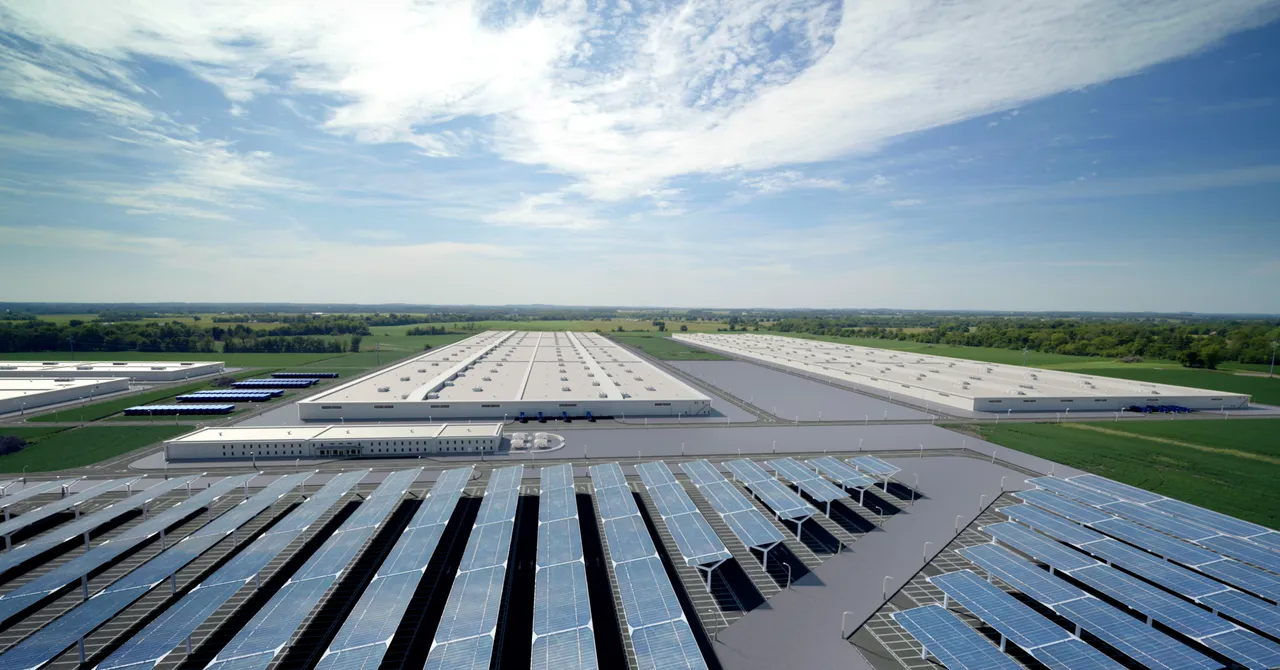
Alongside continued investment in electric mobility, the company is scaling up solar generation, deploying battery storage systems and expanding charging infrastructure designed to support a cleaner electricity network.
Products including Megapack and Powerwall are intended to help balance electricity supply by storing renewable energy and making it available when demand on the grid increases, reducing reliance on fossil fuel generation while improving energy resilience.