Support CleanTechnica's work through a Substack subscription or on Stripe.
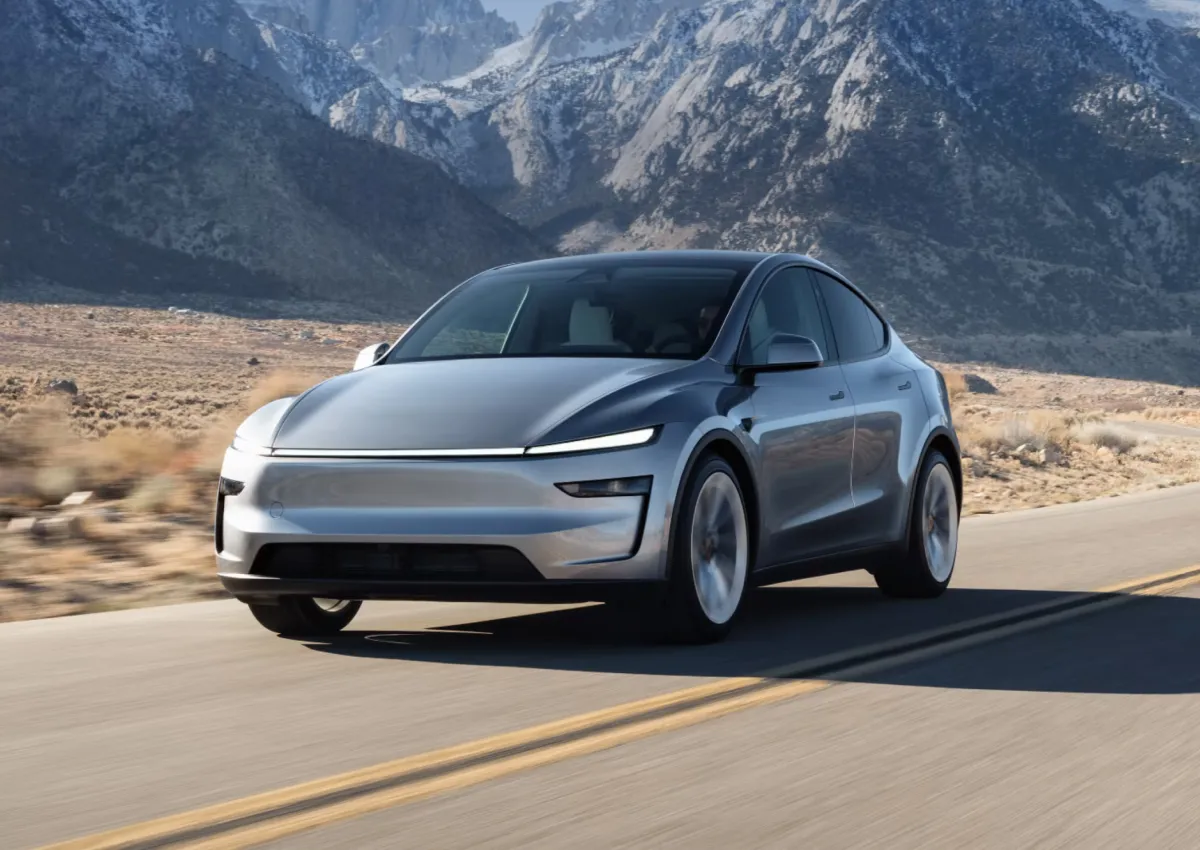
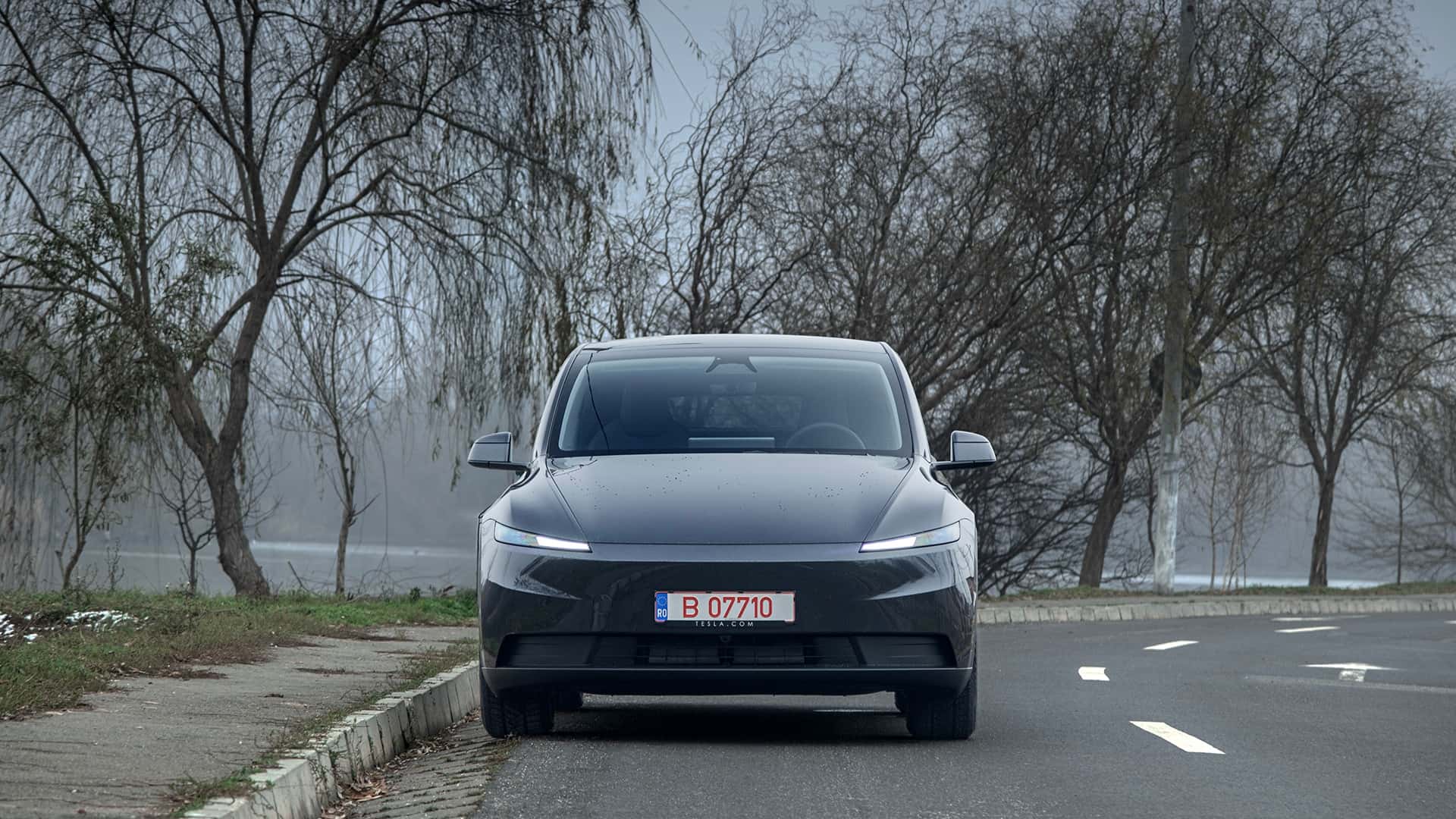
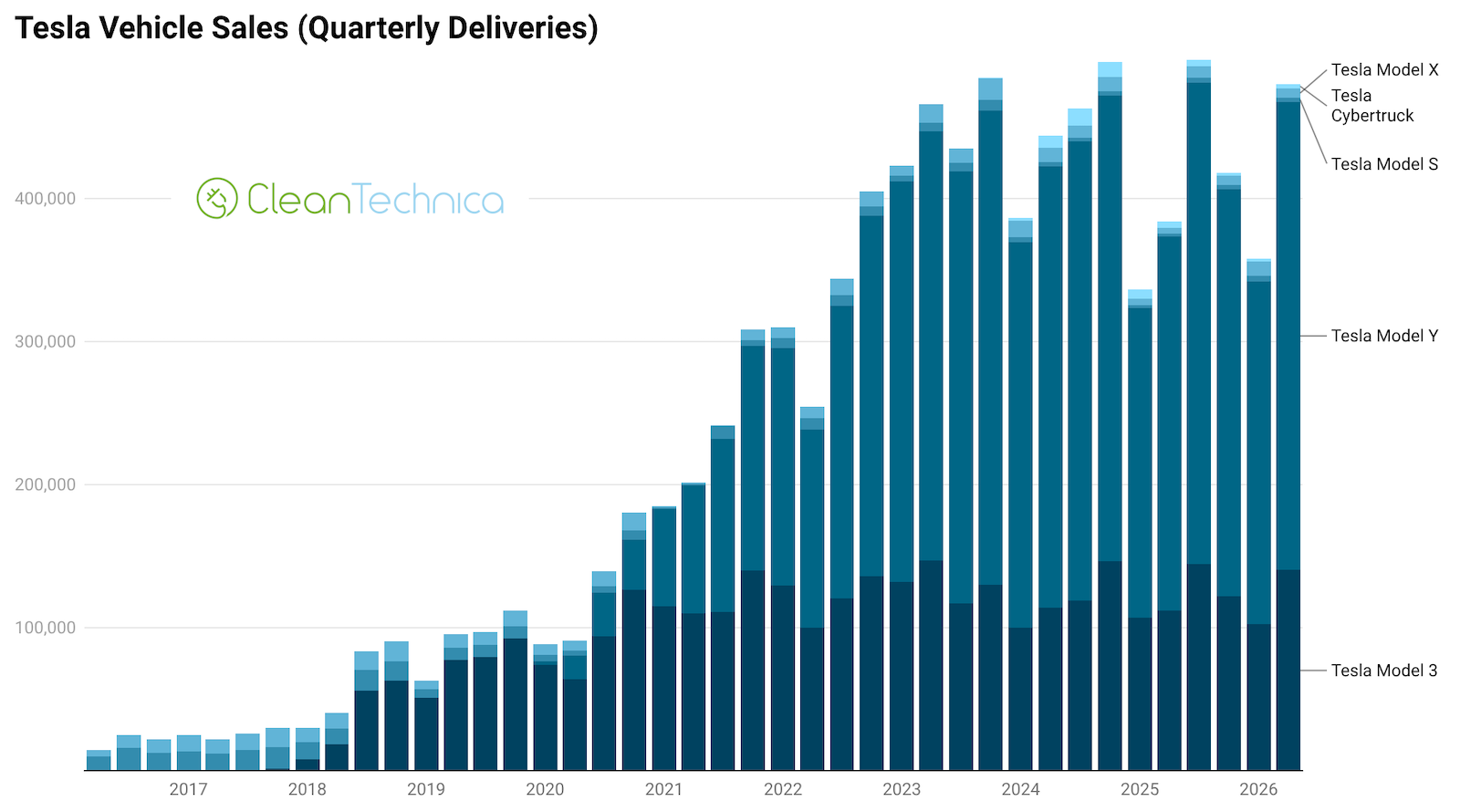
Although Zach did a great job of covering Tesla’s sales report, I want to mention a few other factors and talk about the broader market. Tesla’s strong Q2 deliveries resulted from converging tailwinds: elevated oil prices from the Iran conflict, refreshed Model Y and YL demand, US incentives, new market launches in Colombia and Morocco, and rising European production. Supply increases position Tesla well for further growth as FSD advances.
Factors Affecting Second Quarter Sales
The biggest factor worldwide was the Iran war in my opinion (even if some people refuse to call it a war). Strait of Hormuz disruptions slashed ~20% of global oil supply after the Iran war kicked off February 28, sending Brent crude soaring 50–60%+ to $100–120+/barrel peaks. Worldwide gasoline prices jumped 30–50%+, with US averages climbing above $4/gallon from ~$3 pre-war. This helped sales of electric vehicles (EV) and hybrids globally. In the US, it has helped hybrid sales more with most automakers, since that’s what they’ve had available to sell and many in the US still aren’t ready for an EV. Even with the higher gas prices, though, fueling an average gas car is still pretty affordable in the US, so it was a modest tailwind. In some other markets where prices rose more sharply and where they had actual shortages of fuel (like Australia), EV and hybrid sales were driven sharply higher. Although oil prices have come down significantly, I’m not very confident the peace deal will hold for long, and as long as there is fighting in the Persian Gulf, I would expect oil prices to be elevated enough to help sales of EVs and hybrids.