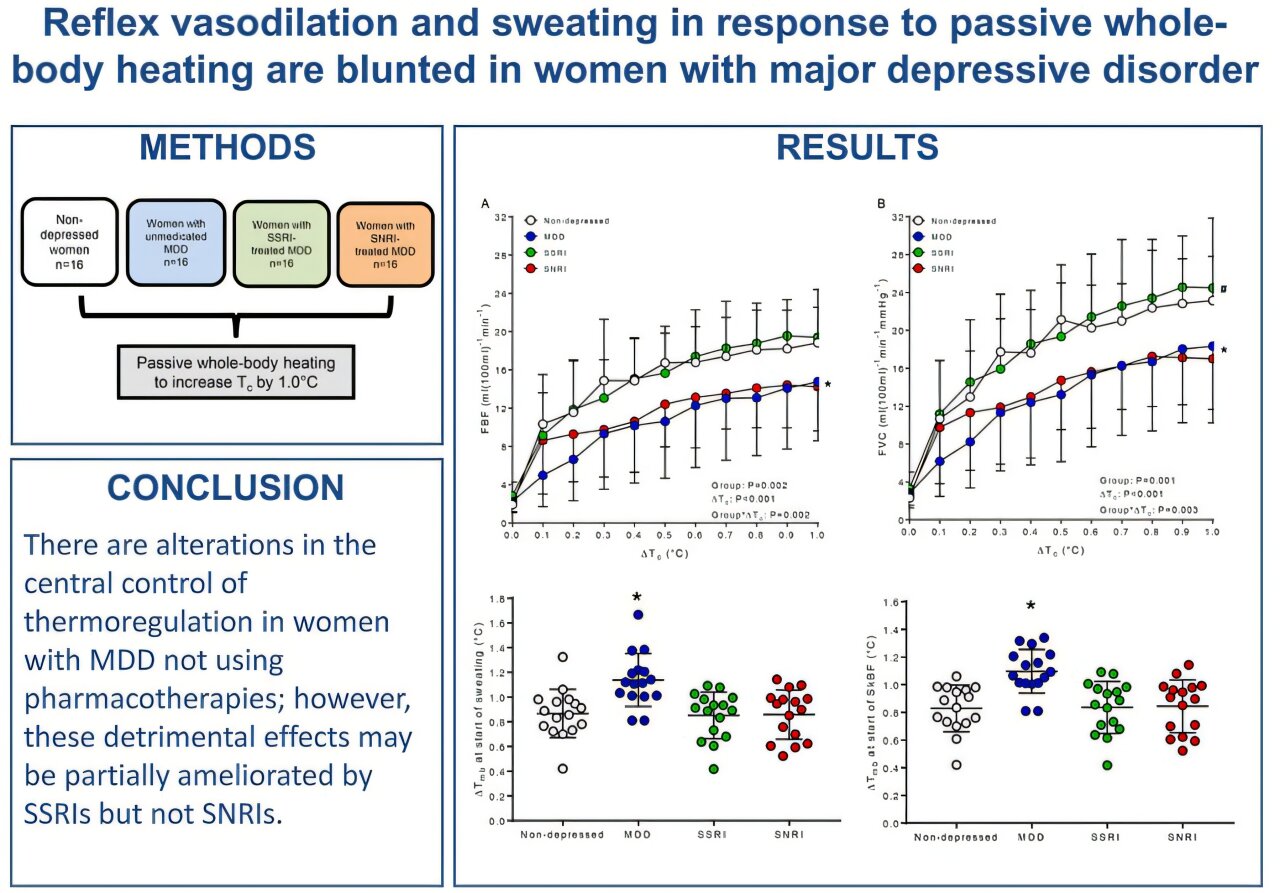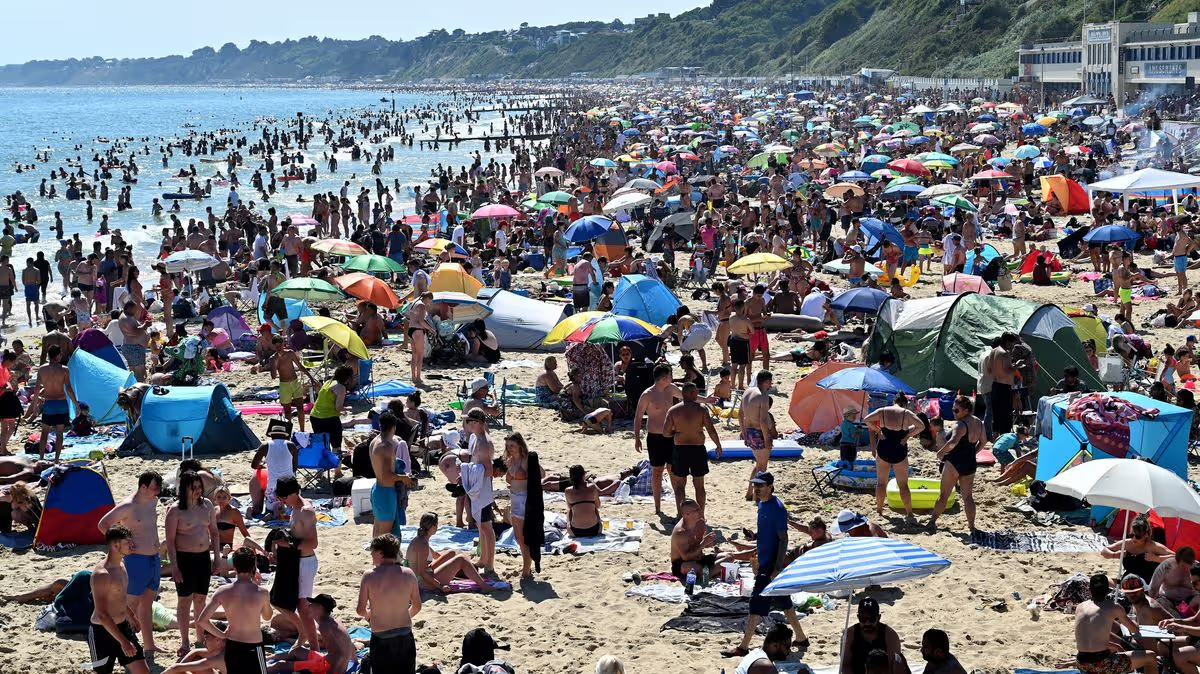
NewsUK NewsWeatherA pharmacist has explained who could be at risk and how to avoid the problemsNeil Shaw Assistant Editor (Money and Lifestyle)08:13, 10 Jul 2026A pharmacist has issued a new warning for people taking a number of common medications as hot weather continues to spread across the UK. The Met Office says the third heatwave of 2026 will last until next week with yellow and amber heat health alerts now in force for most of the country.Jason Murphy, Head of Pharmacy at Chemist4U, has given urgent hot weather advice for anyone taking drugs including SSRIs, hormonal contraception, insulin, blood pressure medication, ADHD stimulants, inhalers and EpiPens.Jason said: “With temperatures climbing again this week and heat-health alerts back in place, it’s really important that people on regular medication stop and think about how the heat might be affecting them.“The one I’d particularly flag is SSRIs (sertraline, citalopram, fluoxetine and the like), which are among the most widely prescribed medicines in the UK. While they can be life-changing medications for a lot of people, they can interfere with your hypothalamus, the part of your brain that regulates your body temperature. This can mean you may sweat more or less than usual, feel dizzy, or just not realise how dehydrated you’re getting until it catches up with you.“Those taking hormonal contraception should also be aware of what the heat can do to their medication. Hormonal contraception, like the combined pill, the mini pill, the patch, and the vaginal ring, all contain oestrogen and/or progestogen, and those hormones are sensitive to temperature. Most are designed to be stored below 25C, and prolonged exposure above 30C can start to break down the hormones and reduce how well they work.“So, a pill packet that’s spent a few days in a hot car, a handbag or beach bag, a steamy bathroom cabinet, or a windowsill isn’t necessarily going to protect you the way you’d expect; there’s a very real risk of unintended pregnancy as a result. If your pills look discoloured, feel sticky or softer than usual, or the packet’s been sitting somewhere hot for a while, it’s much safer to treat them as compromised, start a new pack and use a backup method like condoms for at least seven days.“While it’s important that you don’t stop taking any prescription medications due to the heat, make sure you’re aware of how they might react to the heat. If something doesn’t feel right, make sure you speak to your pharmacist or GP.Article continues belowCommonly prescribed medications that can be affected by the heat:SSRI antidepressants – can impair temperature regulation, sweating and hydrationSNRI antidepressants – linked to excessive sweating and dehydrationTricyclic antidepressants – reduce your body’s ability to sweat and cool downGLP-1 medications – prolonged heat exposure can break down the peptide structure, meaning your dose could be lower than intended, and could make you feel less thirsty than you usually wouldDiuretics – increase the amount of fluid your body loses, and increases your risk of dehydrationBeta-blockers – can blunt your body’s cardiovascular response to the heatACE inhibitors and ARBs – can affect your blood pressure regulation and hydration in the heatADHD stimulants – can increase your body’s temperature and metabolism, and alter how you sweatInsulin – heat can degrade insulin and cause faster absorption, raising the risk of hypoglycaemiaHormonal contraception – heat above 25C can degrade the hormones and reduce effectivenessInhalers and EpiPens – heat can damage the active ingredients and delivery mechanism, so they may not work when you need themSun-sensitising medicines – including some antibiotics, retinoids, diuretics, and certain antidepressants which can make your skin burn faster in the sunHow to safe on your medication during the heatKeep your medicines cool – literally: “Most medicines need to be stored below 25C, and that includes tablets, inhalers, insulin, EpiPens and hormone patches. Cars, sunny windowsills, handbags and beach bags can get much hotter than you’d think, and the heat can break down the active ingredients so your medicine may not work when you need it. If a medicine has changed colour, smell, or texture, check whether it’s safe to take it with your pharmacist.”Hydrate: “If you’re on SSRIs, SNRIs, GLP-1 medications or ADHD stimulants, you may not feel as thirsty as you should, so don’t wait until you’re parched. Sip water regularly throughout the day, limit alcohol and caffeine, and if you’re on diuretics, have a quick chat with your GP or pharmacist about whether your fluid intake needs adjusting during the hot spell.”Dodge the peak sun and dress for the weather: “Stay out of direct sunlight between 11am and 3pm where you can, wear loose breathable clothing, use a high-SPF sunscreen, and remember that some antibiotics, retinoids, diuretics and antidepressants can make your skin burn much faster than usual."Know the red flags and act fast: “Heat exhaustion can look like headaches, dizziness, nausea, cramps, heavy sweating or feeling unusually tired or confused. Move to a cool place, sip water, or cool your skin with a damp cloth. If symptoms don’t improve within 30 minutes, or someone becomes confused, stops sweating, or loses consciousness, call 999; that’s heat stroke, which is a medical emergency."Don’t stop, don’t self-adjust: “Never stop or change the dose of a prescription medication because of the weather without speaking to a healthcare professional first. Your GP, mental health team, or pharmacist can give you tailored advice. In case of an emergency, it’s usually quicker and easier to get in touch with a pharmacist.”Choose Daily Mirror as a 'Preferred Source' on Google News for quick access to the news you value.Met OfficeHeatwavePregnancyBlood pressureMental healthPrescriptionsWeatherADHDContraception
New hot weather advice for anyone on sertraline, citalopram, or fluoxetine
A pharmacist has explained who could be at risk and how to avoid the problems
930 words~4 min read