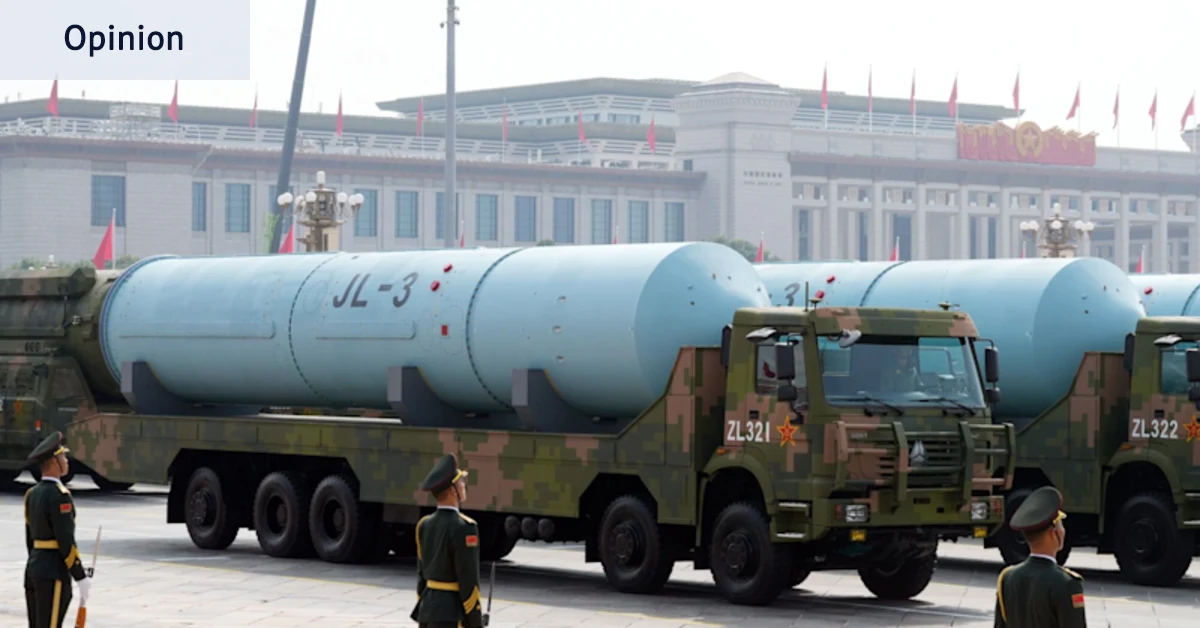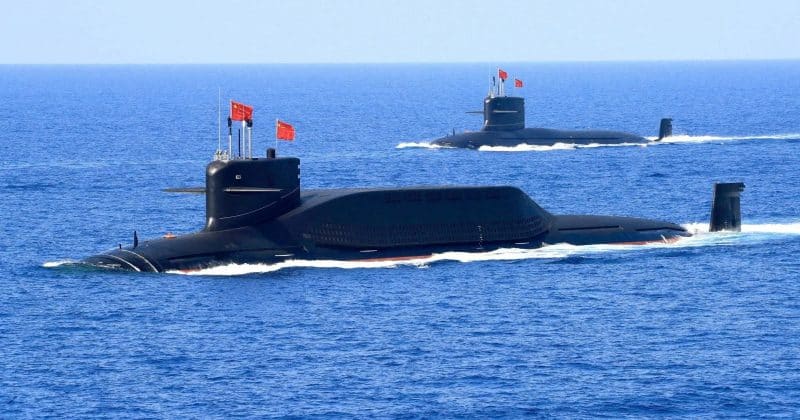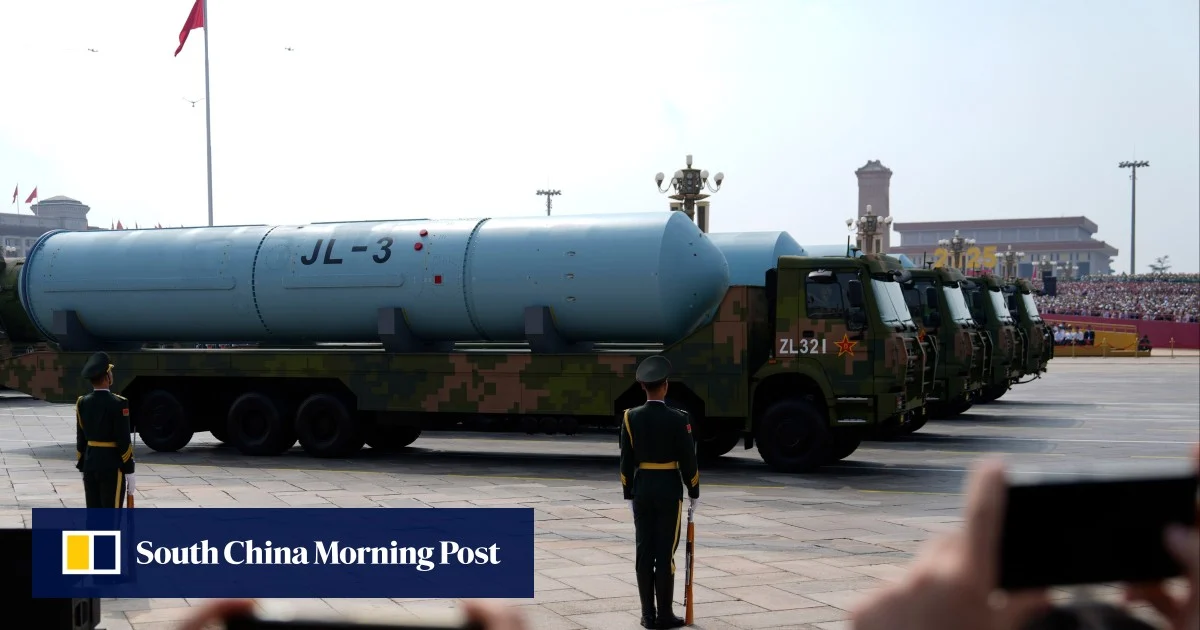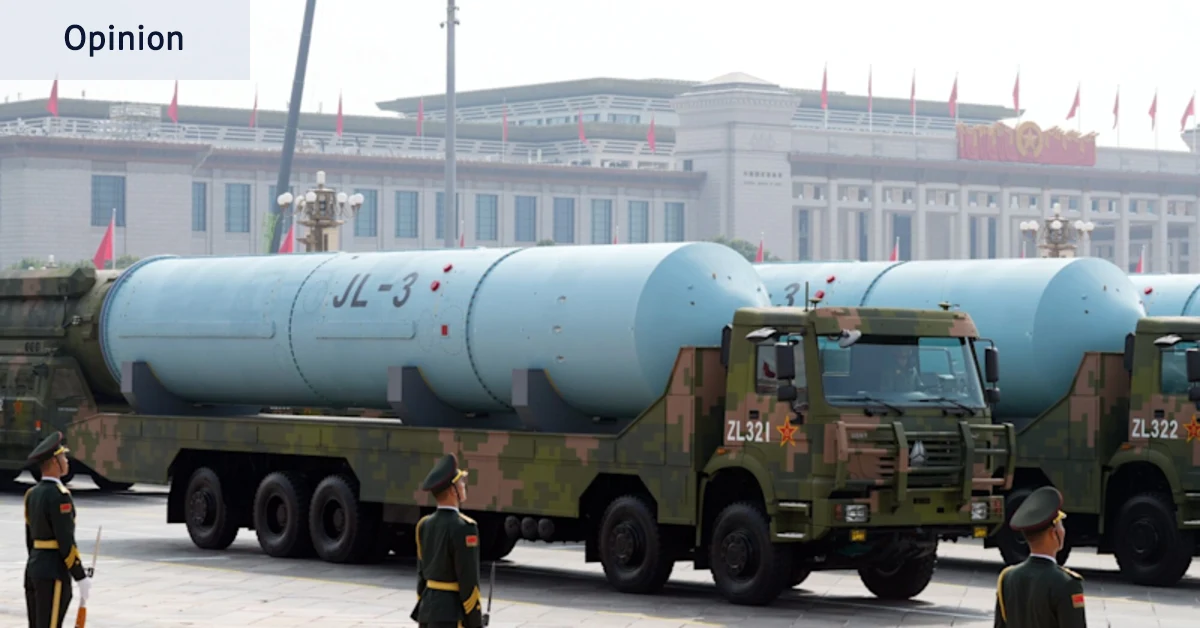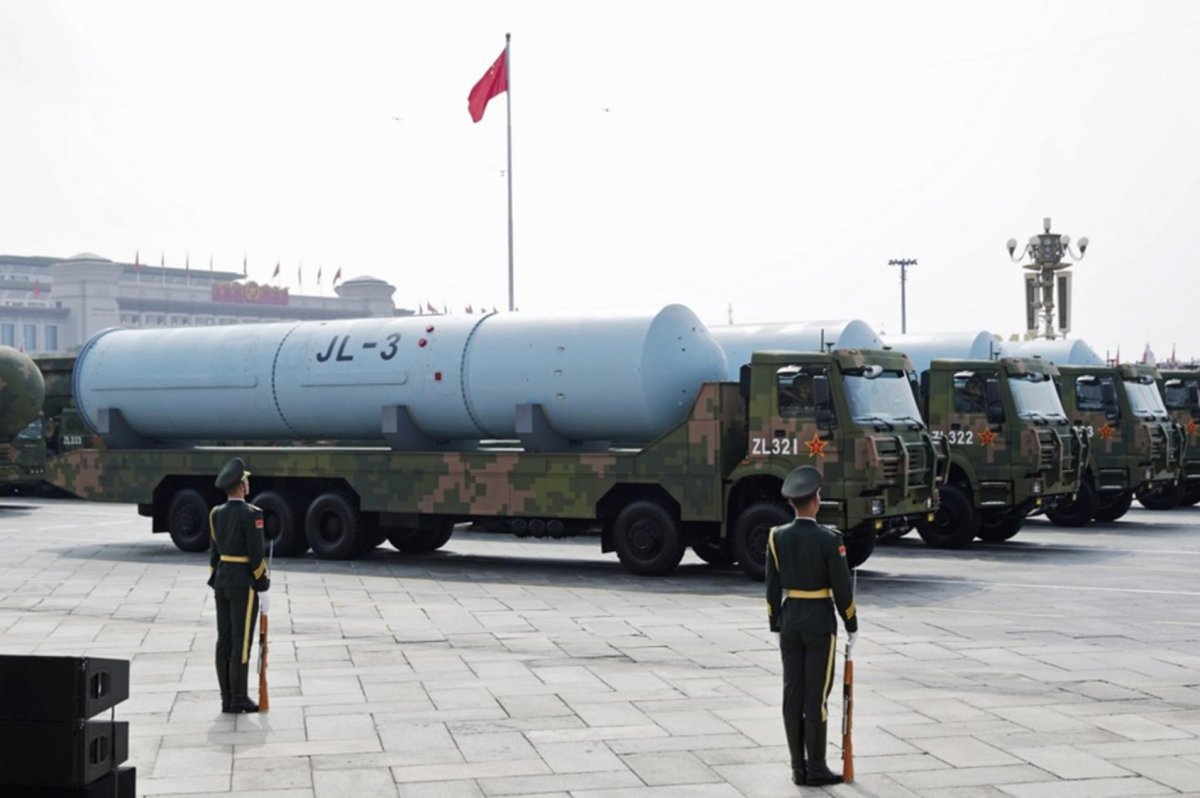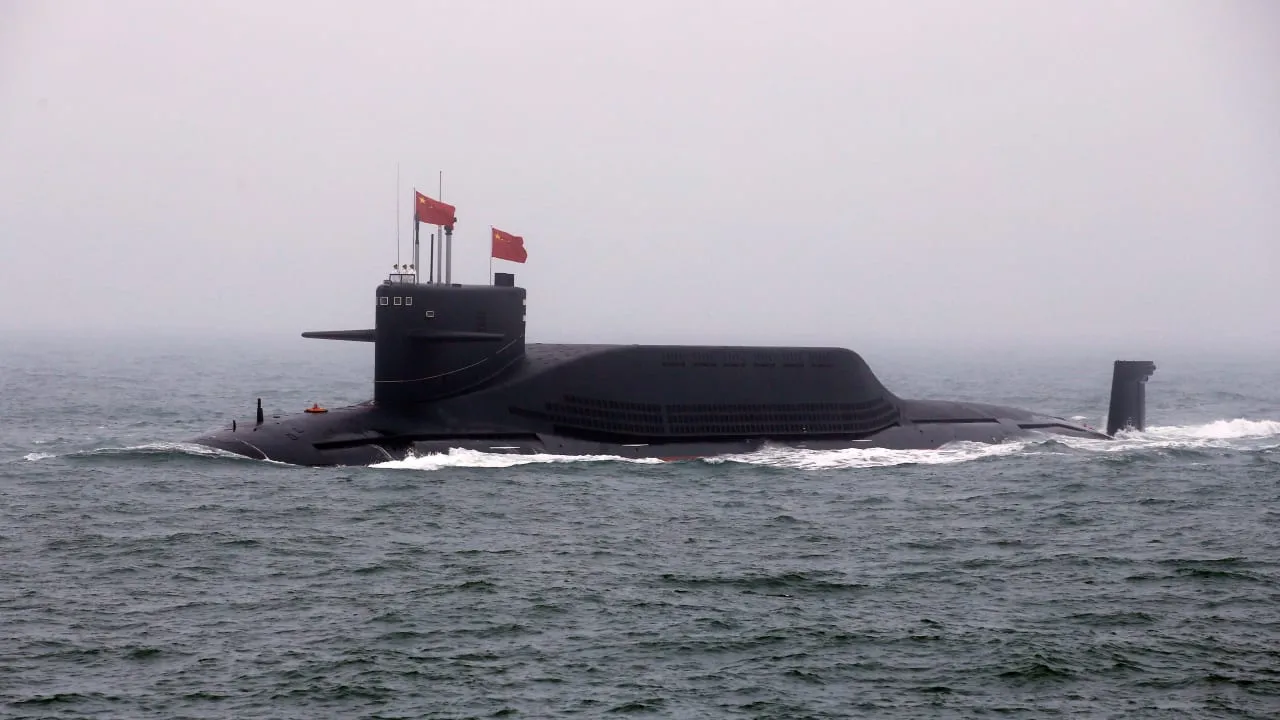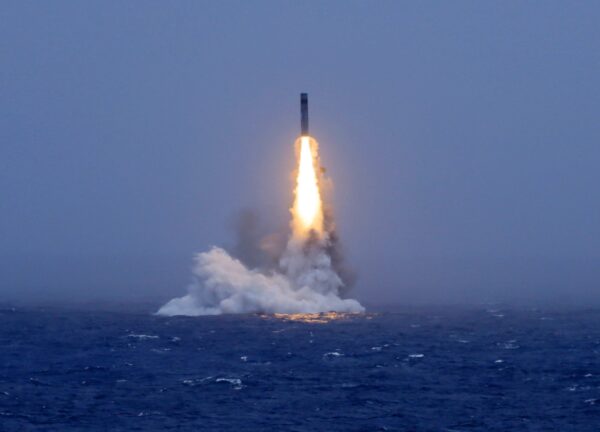
China’s test of a submarine-launched ballistic missile on July 6 took many by surprise. But amid the confusion about what the test signified, an interesting conversation was occurring. Was the missile a JL-2 or a JL-3? That open-source analysts were asking this question is a testament to just how much technical information about the People’s Liberation Army is now available to researchers.
The Cold War is often invoked as a comparison to U.S.-China relations today, but the massive Soviet military machine had to be monitored through a much darker and blurrier lens than China’s buildup. The old ways of intelligence collection have not been entirely superseded; astonishingly, modern versions of the U-2 spy planes that undertook perilous reconnaissance missions over the Soviet Union still serve with the U.S. Air Force. But traditional tools of intelligence collection on foreign military forces are now being heavily supplemented by sources that are freely available on the internet.
Intelligence collection and analysis were once the exclusive purview of governments and research institutions. But the information revolution has produced a flourishing of open-source intelligence and a global community of military analysts. Their sleuthing is transforming our understanding of the biggest military modernization of any nation since World War II.