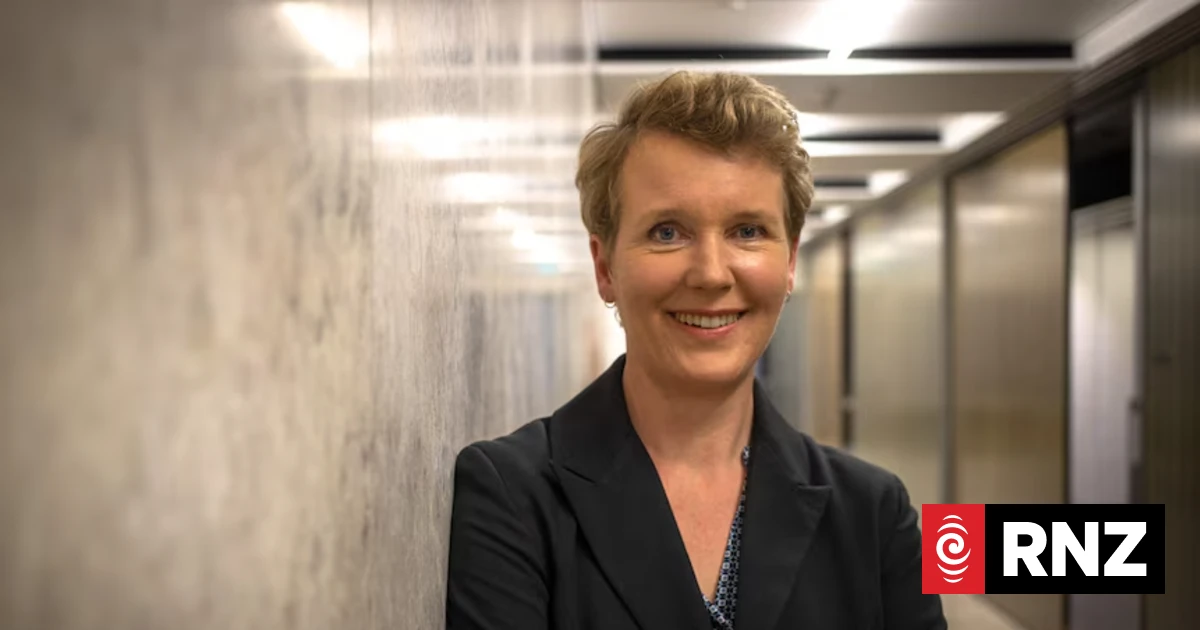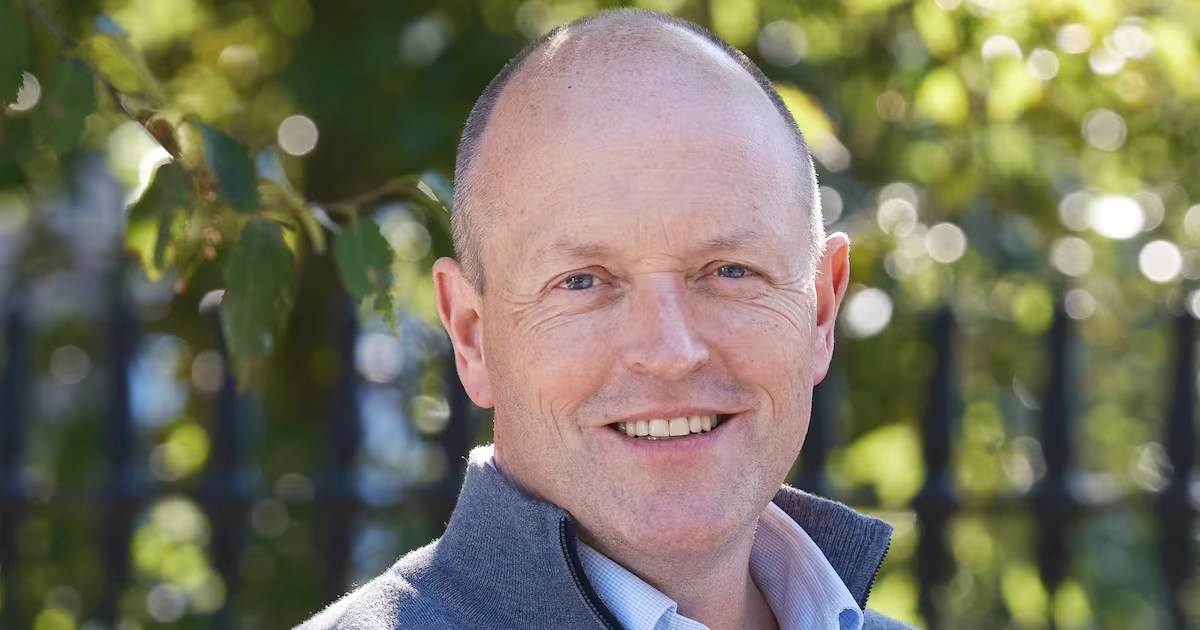
Irish business owners are more optimistic than they were three months ago, despite a notable shift in their concerns towards economic uncertainty, inflation and interest rates. However, Azets Ireland’s latest business barometer reveals increasing divergence between Ireland’s larger and smaller businesses, with the latter less confident about the economy. The barometer, which is based on a survey of 157 businesses, suggests that concern around geopolitical uncertainty has eased somewhat since the first quarter of the year. Some 71 per cent of Irish business owners cited economic uncertainty as their top concern for the second half of the year. This was followed closely by interest rates and inflation, which were cited by 67 per cent of respondents, and cybersecurity issues, also cited by 67 per cent of the sample. Still, 65 per cent of businesses said geopolitical strife has strained their company’s finances, while an equal amount said they are restructuring their supply chains in response to that uncertainty. Across all business sizes, economic optimism rose to 7.2 out of 10 at the end of June, compared with 6.9 in the previous quarter and 5.7 six months ago. However, there is evidence of a “two-speed” economy, Azets said, with larger firms employing more than 50 people decidedly more optimistic than smaller ones employing fewer than 49.Only around half of smaller firms said they were optimistic about the outlook.“The latest Azets Barometer paints a picture of an Irish economy that is resilient and is weathering the impacts of geopolitical instability, with business optimism and financial performance both moving in the right direction,” said Neil Hughes, chief executive of Azets Ireland. “Beneath the headline figures, a clear divide is opening up between larger enterprises that are thriving and smaller firms that are still grappling with cost pressures they cannot easily absorb.“Economic uncertainty and rising interest rates are the clouds gathering on the horizon for Irish businesses, and their position at the top of the list of concerns tells us that leaders are bracing for a potentially more challenging autumn and winter ahead,” Hughes said. “Volatility is no longer a temporary disruption; it is the new normal and businesses are having to build the muscle to plan and invest with confidence despite it.”The Central Bank of Ireland and the Economic and Social Research Institute expect the Irish domestic economy to grow this year, due largely to investment in data centres and AI-related infrastructure. In response to rising prices, consumers are expected to pull back on spending, which may squeeze indigenous businesses in the second half of the year.
Business optimism on the rise despite interest-rate and geopolitical fears
‘Volatility is the new normal for Irish businesses,’ says Neil Hughes of Azets Ireland
424 words~2 min read