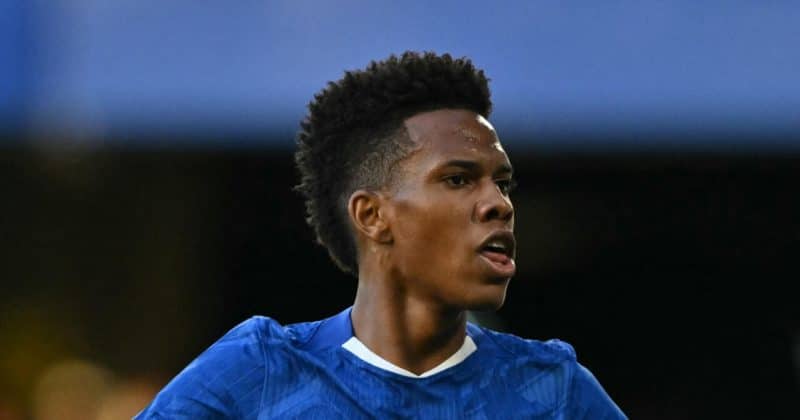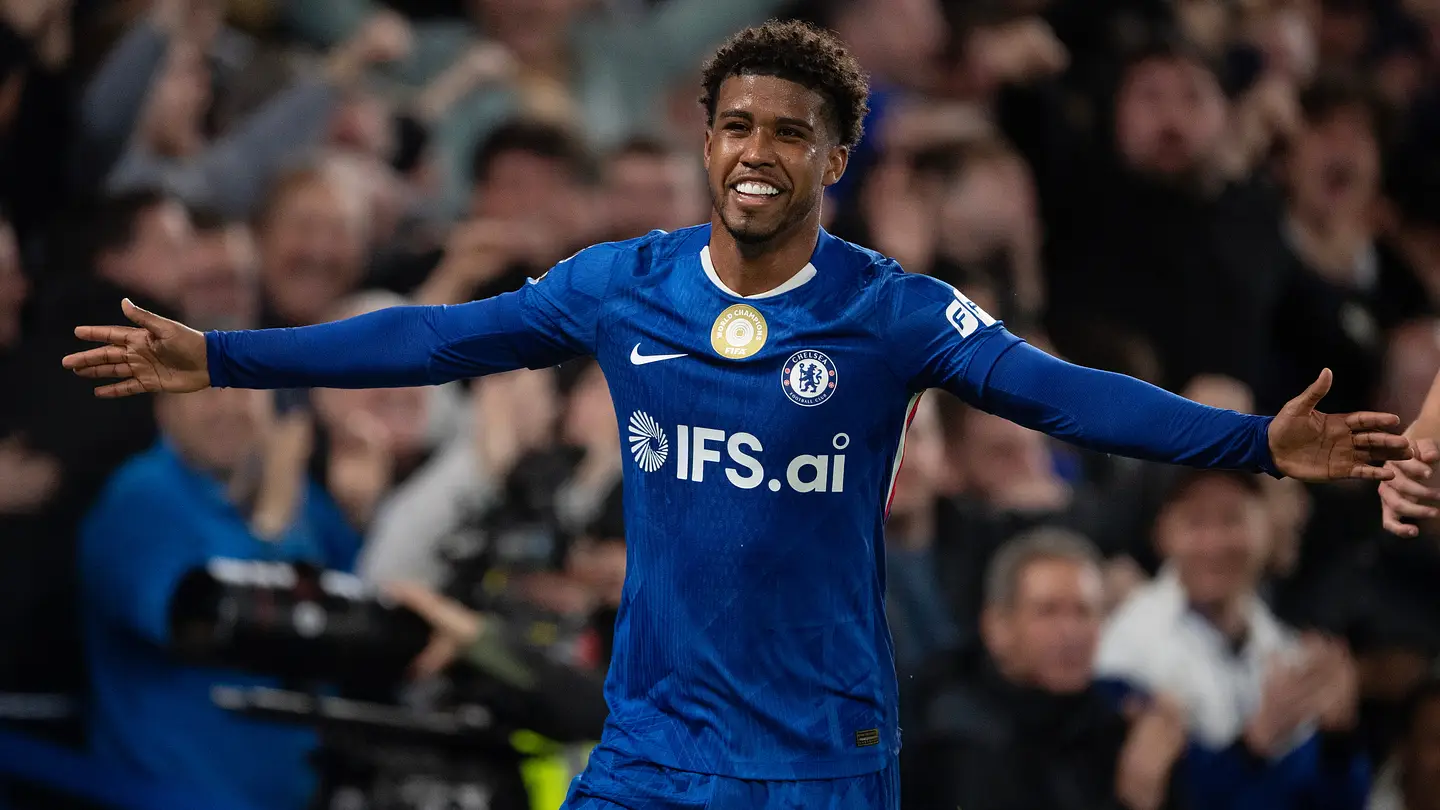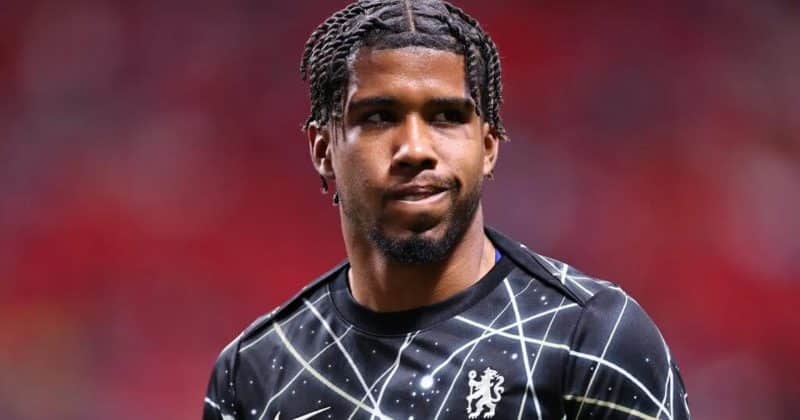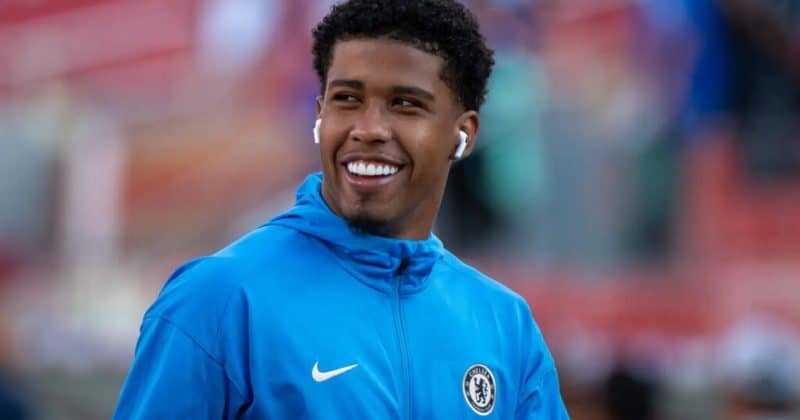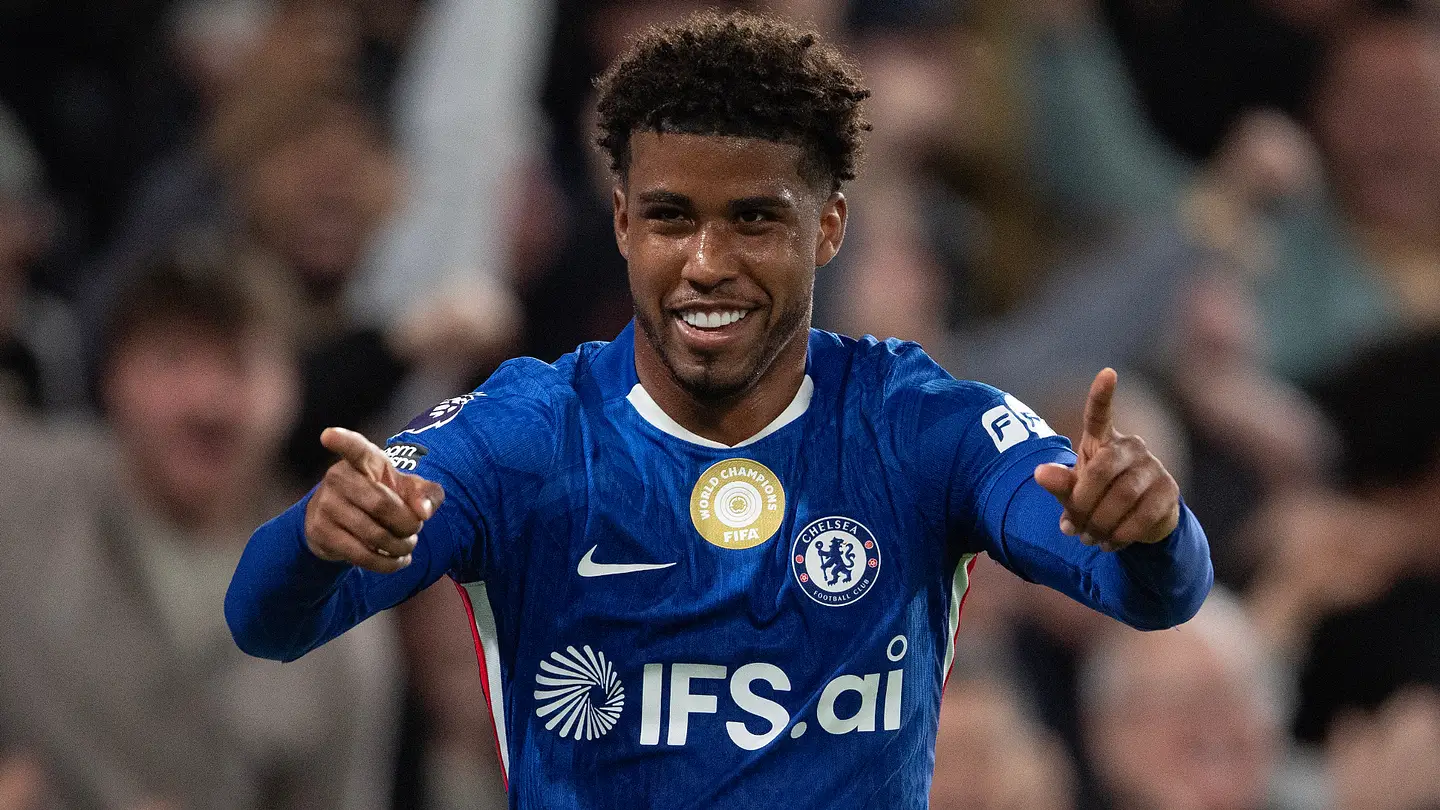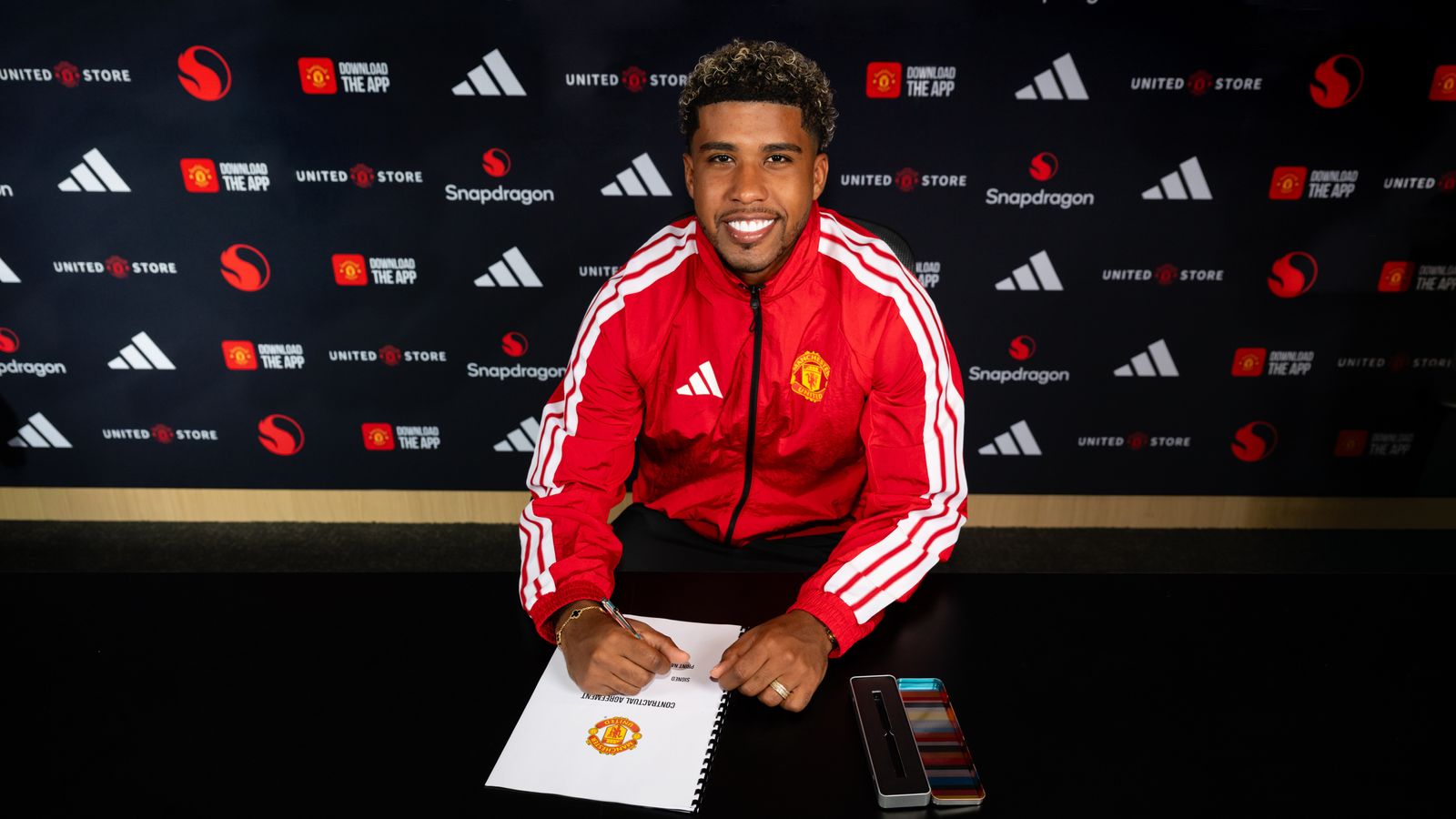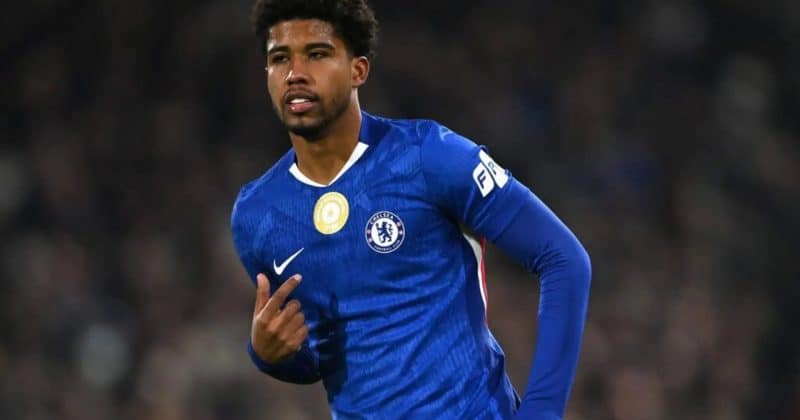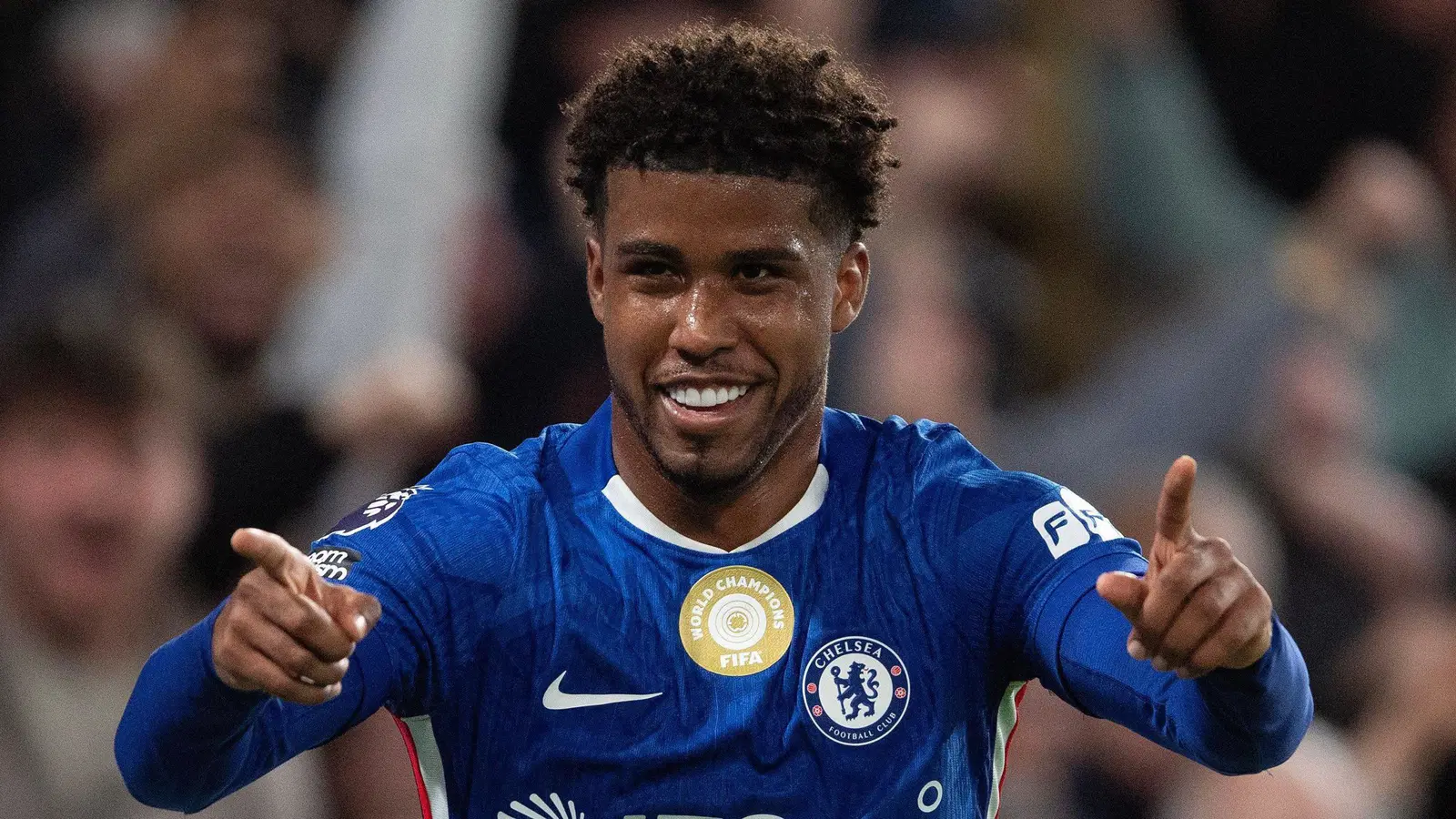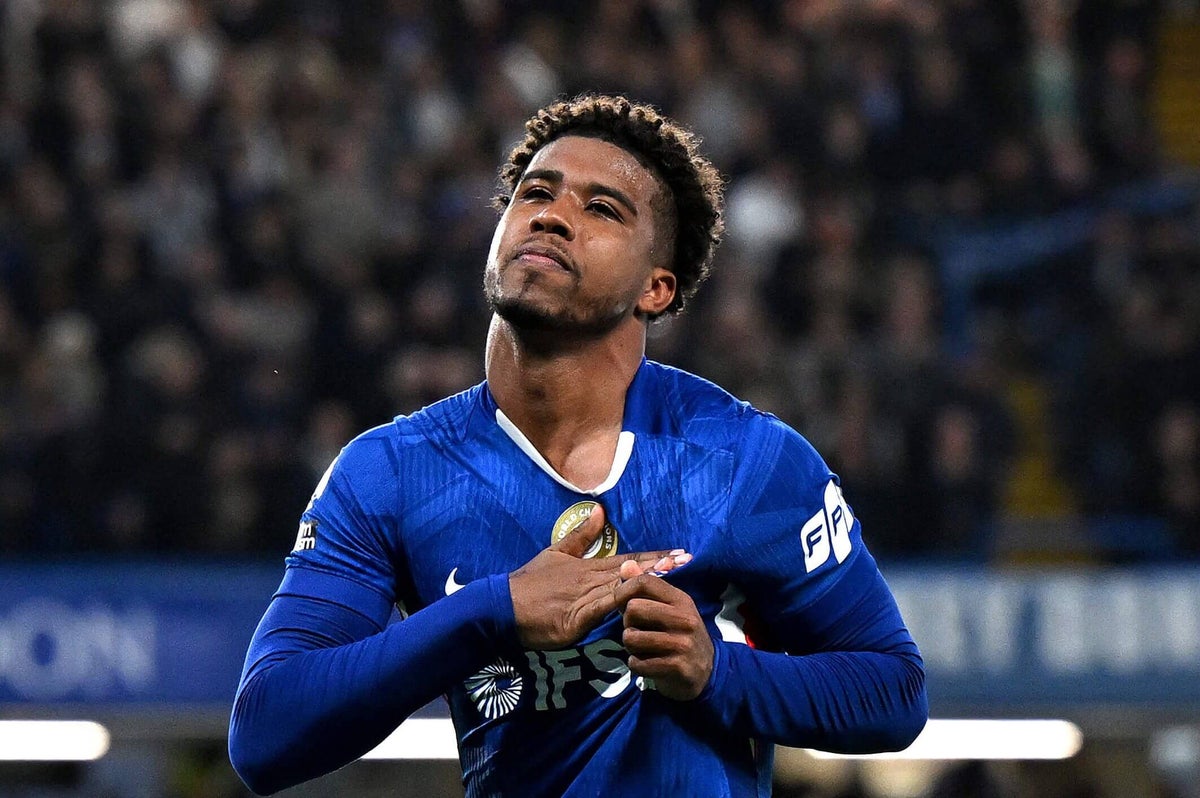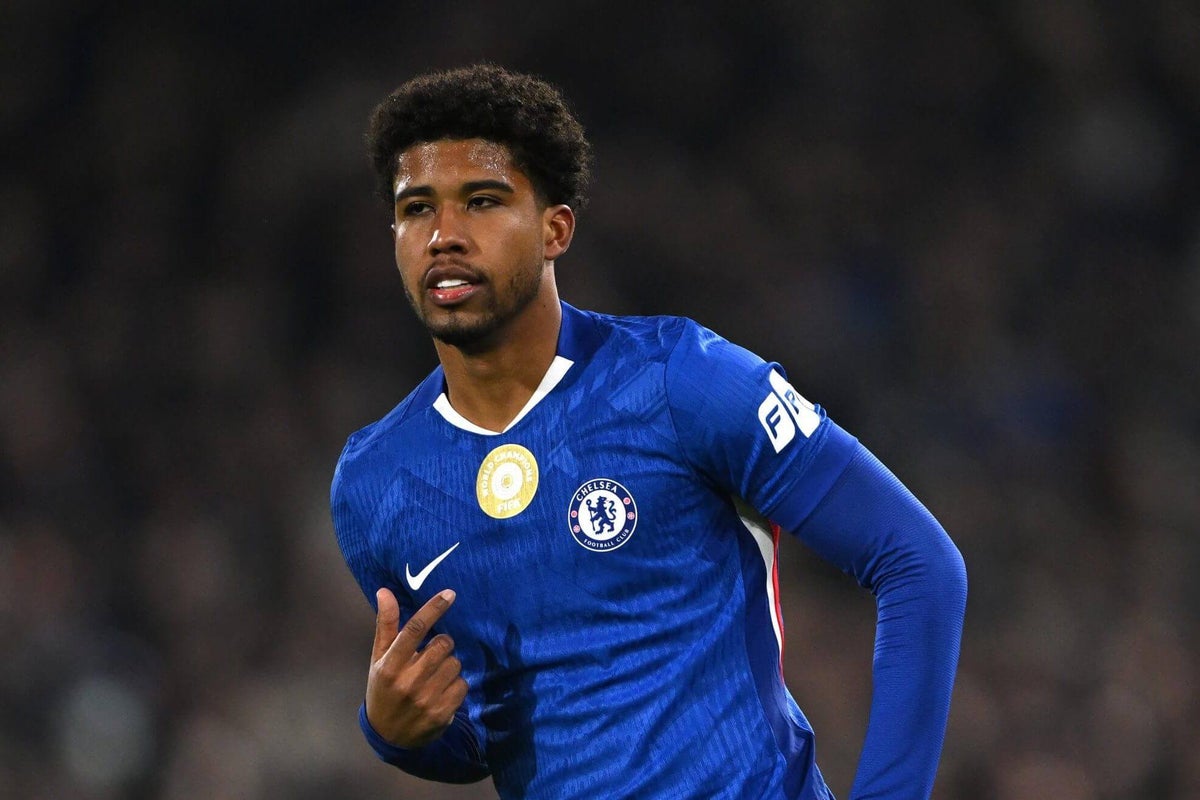
Andrey Santos is this summer’s Noni Madueke.Almost a year on from banking £48.5million ($65.1m) rising to £52m with add-ons from the sale of Madueke to Arsenal, Chelsea have greenlit Santos’ move to Manchester United for a strikingly similar financial package: an initial fee of £48m, plus £2m in easily achievable bonuses.Madueke’s departure could easily be justified as good business for Chelsea, who had signed him in January 2023 for a fee in the region of £28m. He was productive in his two and a half years at Stamford Bridge without ever establishing himself as a cast-iron starter, and Estevao Willian had already been lined up to take his place in the squad.The financial case for selling Santos is even stronger. Chelsea sources, speaking on the condition of anonymity to protect relationships, told The Athletic that the deal that brought him to England from Vasco da Gama in January 2023 was worth around £10.2m (€12m). Given that this relatively paltry transfer fee was amortised over the length of his seven-year contract rather than five years (UEFA did not close that particular loophole until July 2023), the fee United have agreed to pay is not far off being pure profit on the books.Andrey Santos has impressed at times with Chelsea (Gareth Copley/Getty Images)Santos, like Madueke, was a highly valued contributor at Chelsea, but not rising to the threshold of “untouchable”. There were also clear signs that neither was particularly happy with their status at Stamford Bridge; Madueke made it clear he wanted to join Arsenal when their interest materialised, while Santos valued the opportunity to be a regular starter for United.In both cases, Chelsea were very willing to do business with a principal Premier League rival as long as the numbers made sense for them. If you want to operate a lucrative high-volume player trading model in 2026, you can’t realistically be precious about whom you sell to.According to Transfermarkt, only 22 clubs worldwide have committed to a transfer outlay of £50m or more on a single player since the start of 2020. Eight of those are in the Premier League and one is Chelsea, who can’t sell to themselves (insert your own Stamford Bridge hotel PSR joke here).Another four are in the Saudi Pro League. The remainder are the traditional European heavyweights, plus Como for their purchase of Nico Paz last month and Galatasaray thanks to their outlier signing of Victor Osimhen last summer. The pool of potential buyers at this price point is not large or deep.A more interesting aspect of this deal — and where it differs from Madueke to Arsenal — is what it says about Chelsea and United’s differing opinions of just how good Santos can be.It was clear at the time that Arsenal viewed Madueke as a squad winger, capable of providing high-level cover for Bukayo Saka on the right, as well as operating on the left from time to time.Noni Madueke featured for Chelsea last summer at the Club World Cup before moving to Arsenal (Franck Fife/AFP via Getty Images)If things break right for him and he performs well, Santos could establish himself in United’s starting XI as soon as next season as the natural successor to Inter Miami-bound Casemiro, which is the future many in Brazil envision for him with the national side.At 22, Santos has not yet assumed his final form as a footballer. During his tenure as head coach, Enzo Maresca made contradictory statements about whether he viewed the Brazilian as a No 6 or a No 8. Liam Rosenior compared him to World Cup-winning Brazil legend Dunga during their time together at Strasbourg and deployed him deeper than Moises Caicedo at Chelsea, regularly tasking him to drop between the centre-backs to receive the ball.Santos showed very promising flashes in the role, interspersed with a handful of memorable and costly errors. He also scored 10 goals for Strasbourg in the 2024-25 Ligue 1 season by arriving late in the penalty area from midfield and making his presence felt at set pieces. He may not yet be elite at any one thing, but he is good to very good at a lot of things.He can tackle, he can score and, as the below graphic illustrates, he is adept at progressing the ball between the two boxes through opposition lines:As you can see, Santos already breaks opposition lines almost as frequently as Sunderland captain Granit Xhaka, with whom new Chelsea manager Xabi Alonso was keen to be reunited at Stamford Bridge. As he grows in experience and learns more of the nuances of Premier League midfield play, it is very conceivable he could also close the gap to Adam Wharton, Bruno Guimaraes and Elliot Anderson, three of the most coveted midfield passers in the division.If he does blossom into that calibre of player, United will be justified in feeling they got a bargain in the current inflated transfer market and pointing to their substantial sale price or 10 per cent sell-on clause will not get Chelsea much credit with disgruntled supporters already inclined to question the club’s squad-building acumen.It is dangerous to view any transfer in isolation. This summer window has many weeks left to run, and Chelsea’s work in preparing this squad for Alonso’s first season in charge can only be fairly assessed once all the incomings and outgoings are completed. The main value of Santos was that his rounded skill set enabled him to provide reliable cover across a variety of midfield roles.With him going, a number of other questions come into sharper focus.Has the market for Enzo Fernandez dried up and, if so, can Alonso reintegrate him? Does he view Caicedo as a pure No 6 or more of a roaming midfield destroyer? Does he want another Xhaka-type profile? What does he think of Dario Essugo and Valentin Barco (whom everyone expects to join Chelsea this summer despite the mysterious silence around his future)? And can Romeo Lavia start three games in a row without his body giving out, or play 90 minutes ever?The answers to many of these questions will emerge in the coming weeks, and a pre-season tour of Australia and Asia will provide the first on-pitch evidence of Alonso’s tactical vision for his Chelsea team. BlueCo are attempting to give him the tools he needs to make that team viable, while navigating the challenges posed by no UEFA competition revenue in 2026-27 and compliance with the sport’s financial rules.Andrey Santos was more regularly available than the injury-stricken Romeo Lavia (Adrian Dennis/AFP via Getty Images)If timely sales were needed to stay on the right side of the Premier League and UEFA or raise funds for further signings this summer, Chelsea’s options appeared relatively limited. Selling an “untouchable” like Cole Palmer or Caicedo would throw the whole BlueCo project into an existential crisis and was never on the table, but recent history suggests clubs do not fall over themselves to make acceptable offers for BlueCo signings who have not worked out.What remains are the players in the middle bracket: either Cobham graduates or recent acquisitions who have increased their market value without entrenching themselves within the long-term core of the squad. There is considerable profit to be made selling the likes of Madueke, Renato Veiga, Santos and Tyrique George, but player trading for a club of Chelsea’s status is a means to an end, not an end in itself.The ultimate goal is building the club back to the point of regular contention for the Premier League and Champions League. Does selling some helpful — if not quite essential — players, while keeping others who have not proven as productive, available or desirable, bring that horizon any closer?Perhaps it can, if they are intelligently replaced internally or in the transfer market. But there is always the risk of selling too low or too early on young players who are still improving. Madueke has given Chelsea no real cause to regret selling him to Arsenal. They will hope to feel similarly comfortable with their decision to part with Santos a year from now.
Selling players like Andrey Santos can be lucrative for Chelsea – but does it help them win?
Does selling some helpful, if not quite essential, players while keeping others who are less productive edge Chelsea closer to contention?
1,341 words~6 min read