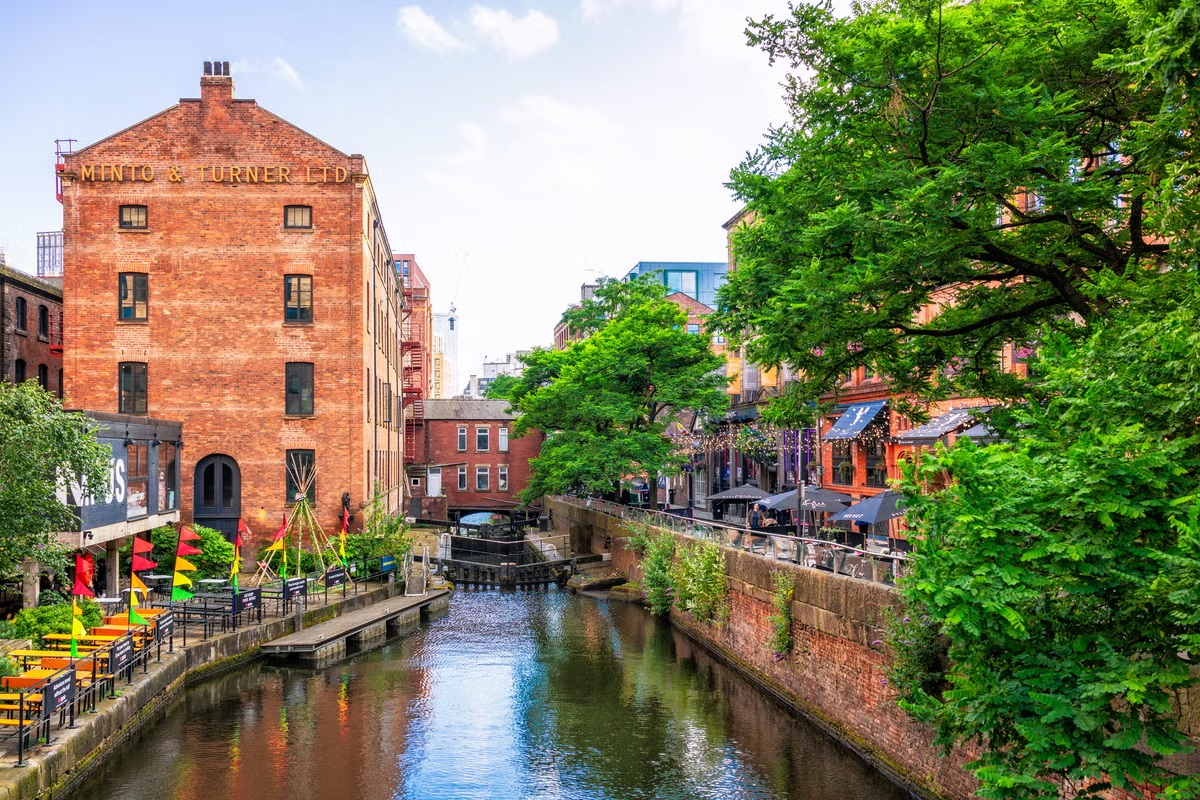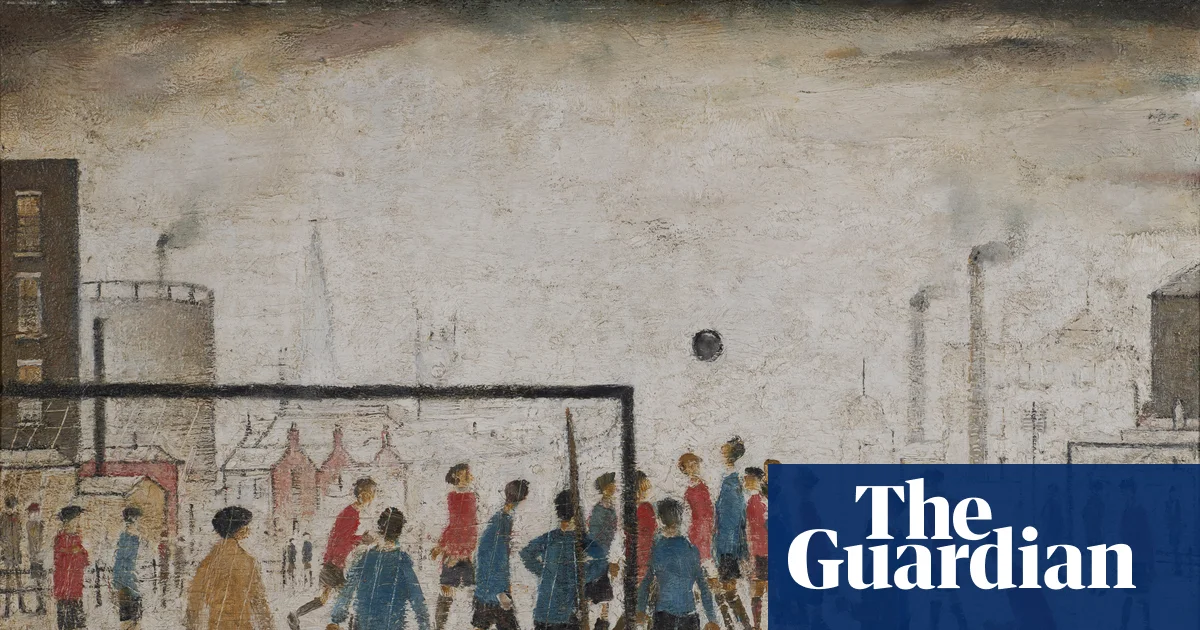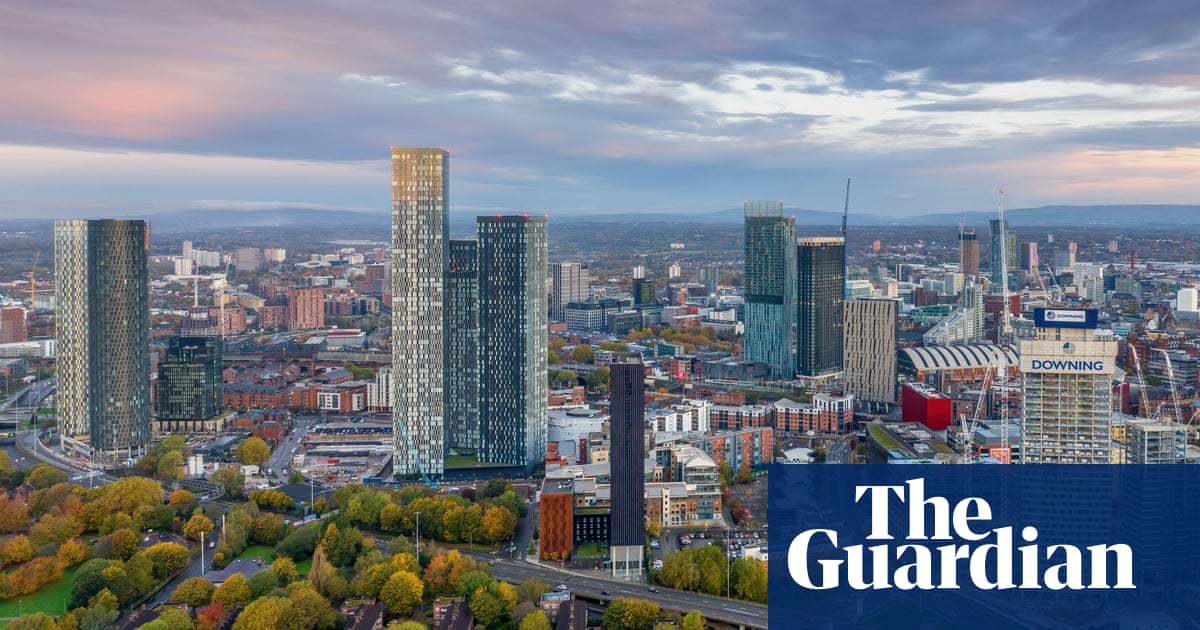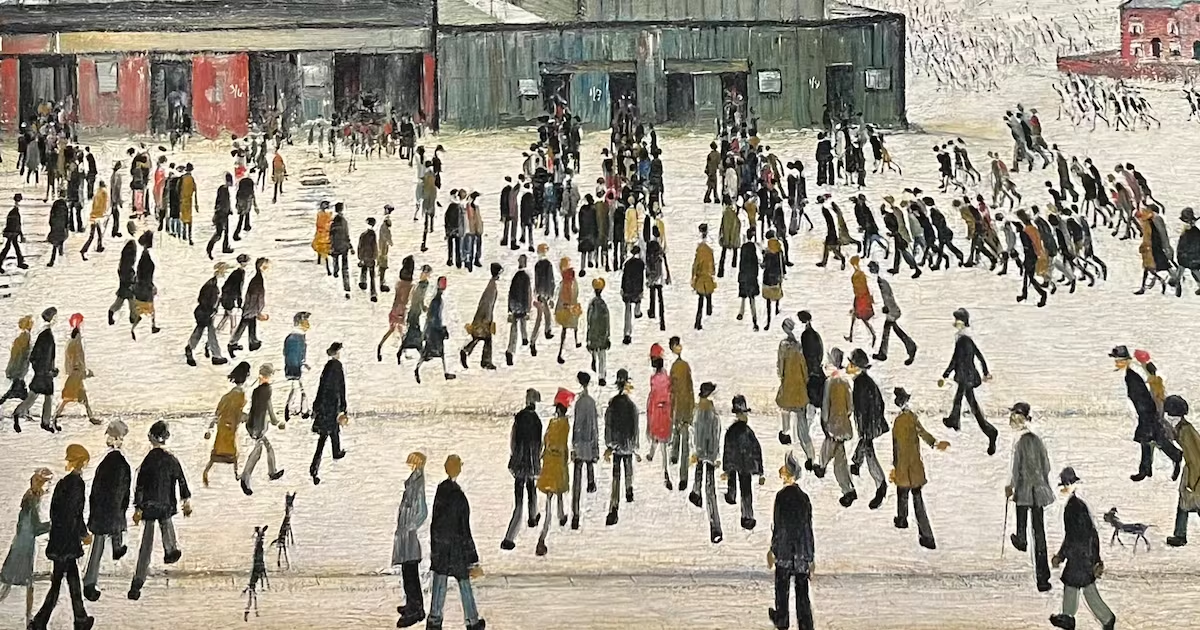
In a column earlier this year, I borrowed Manchester painter LS Lowry’s comparison between the north and south of England to make an offhand remark about Johannesburg and Cape Town. Lowry didn’t like the south because it was “too beautiful” and “harmless”, lacking the “guts” of the north.The dots seemed to connect themselves. But I’ve just spent a few days in the north of England, and I’m sorry to report that my attempt to rope Johannesburg and Manchester together was misguided. If there is some sort of shared sensibility, that’s where it ends. In terms of infrastructure, urban ecology and quality of life for the city’s working people, Manchester is a veritable paradise compared to eGoli.It wasn’t always that way. Lowry’s paintings, celebrated for capturing 20th-century life in the industrial north, offer a pretty gloomy spectacle. His urban panoramas, with their iconic “matchstick” people trudging to cotton mills and football grounds, are complemented by portraits of individual subjects or groups with grimacing, tortured, alienated faces. The streets and houses are uniform and suggest poverty (Lowry knew these circumstances well — he worked as a debt collector). Smokestacks hover in the background, belching their contents into the already-polluted air.Sometimes the material ventures into the macabre or the satirical. Lowry had affection for the people he painted as a collective of fellow sad souls, rather than as individuals. “The thing about painting,” he insisted, “is that there should be no sentiment.” When he turned his attention to the natural world, it was not with admiration but with distrust. Referring to his paintings of the ocean, he admitted, “I am very fond of the sea, of course. But I often think, what if it suddenly changed its mind and didn’t turn the tide? If it didn’t stop and came on and on and on ... that would be the end of it all.”Perhaps it is this catastrophic imagination, matched with a grim acceptance of loneliness as fundamental to the human condition, that keeps Lowry’s work pertinent. Perhaps it is because he also acts as a reminder of a bygone Manchester that is central to the city’s story of itself yet is by no means missed.Many of his paintings and drawings are displayed in a theatre and gallery complex that bears his name. The building’s light, colourful interior is at odds with Lowry’s somewhat bleak palette and, indeed, with the world as he saw it. The Lowry is located in an upmarket development at Salford Quays (formerly the dilapidated Manchester docks), which is also home to the BBC headquarters and other media enterprises.My visit coincided with the “Lowry 360” installation, an immersive animation of the famous 1953 painting Going to the Match. The experience vividly renders Lowry’s milieu and his artistic vision, homing in on some fascinating details in the image. Still, I imagine that Lowry would have been sceptical (at best) of such innovations.A few miles southwest of Manchester lies Dunham Massey, the traditional seat of the Stamford aristocratic line. Here there is a more tangible South African connection than my specious “north versus south” comparison. One Reverend Harry Grey, a bibulous embarrassment to his family who had been exiled to the Cape Colony, unexpectedly inherited the title of Earl of Stamford in 1883. By then he was — shock, horror! — married to Martha Solomons, who was the daughter of a freed slave.So it was that Martha became the “Black Countess” of Stamford. Her life was fictionalised in an Afrikaans novel by Winnie Rust, translated into English by Elsa Silke. I only learnt of Martha’s story after visiting the wine farm Val du Charron outside Wellington a few months ago, when proprietor Catherine Entwistle gave me a copy of Rust’s book. The estate’s signature red blend, Black Countess, pays tribute to Martha, whose family came from Wellington.The British press and the landed gentry could not accept the scandal of an interracial marriage; Martha and Harry never settled at Dunham Massey. If they had, in the forecourt of their stately home, they would have seen a statue showing a black figure (probably a slave) wearing a leaf loincloth and carrying the weight of the world over his head in the form of a sundial. Thank goodness Greater Manchester has changed since then.Business Day
CHRIS THURMAN | Manchester visit shatters comforting parallels with Joburg
England’s revived industrial north offers lessons and a remarkable Cape connection
710 words~3 min read